2026-09-14 11:00


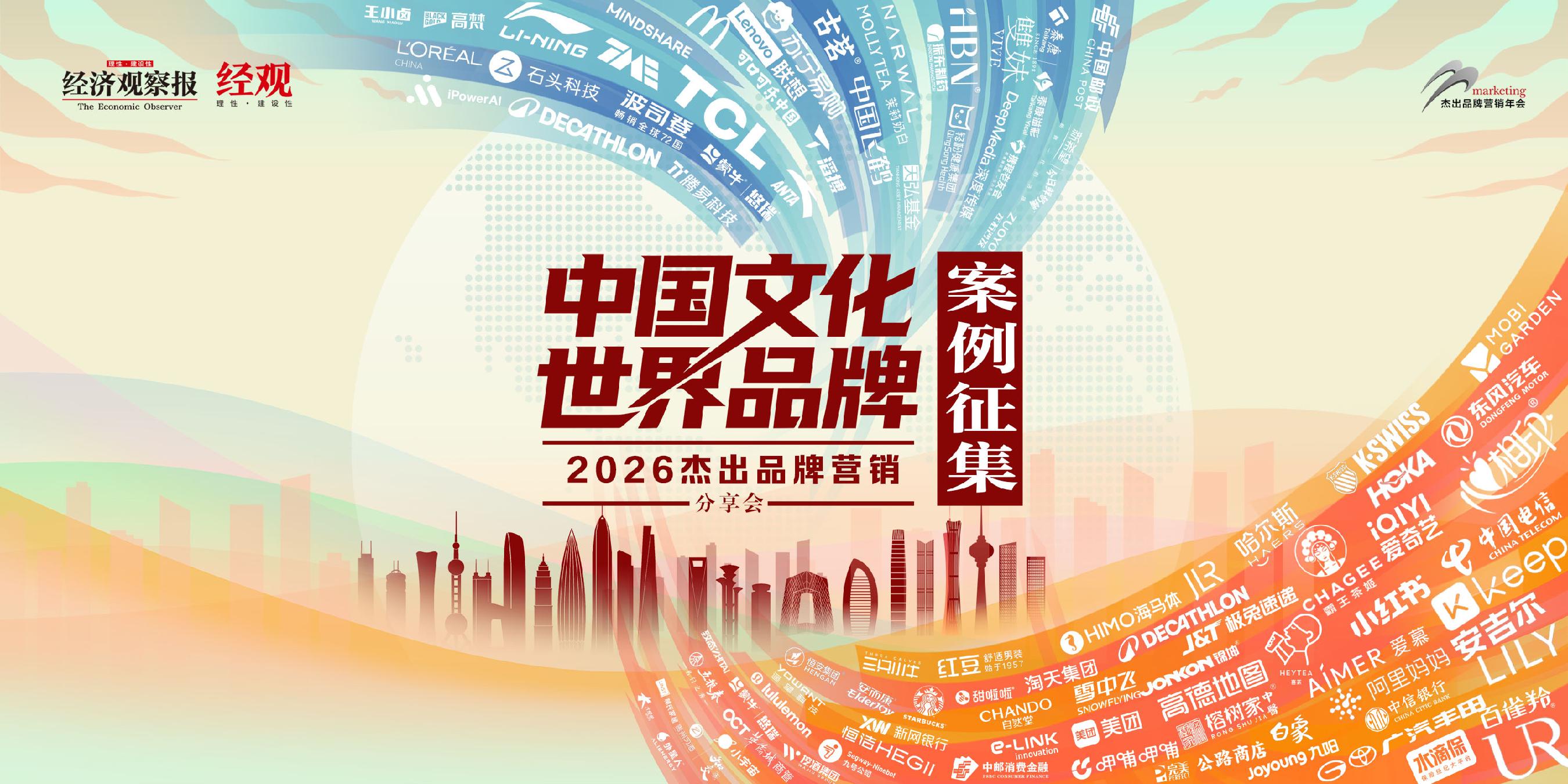
Chinese brands are transitioning from "Made in China" to "Global Cultural Symbols": Chinese companies are using a way that the world can understand to promote Chinese culture as a globally shared value and aesthetic experience.
A country's brand is the projection of its culture in the market. In the past, China won the respect of the "world's factory" with its products, efficiency, and supply chain; Today, Chinese brands respond to a deeper era proposition through cultural expression, brand identity, and local co creation: when the world re examines China, why is China understood, trusted, and chosen. This is not only the way for enterprises to survive, but also a way for a civilized country to participate in global dialogue: to let the world see China's creation, understand Chinese culture, and identify with Chinese values.
Recently, the case collection for the "2026 Outstanding Brand Marketing Sharing Conference" jointly organized by the Economic Observer and the Hong Kong Management Professional Association has officially started. The theme of this conference is "World Brands of Chinese Culture", and brands such as FAW Hongqi, CITIC Bank, Lantu Automobile, and Gaofan have already been officially declared. What we are trying to answer is a proposition belonging to this era: when Chinese brands go global, how to make products become carriers of culture and transactions become the beginning of recognition? We hope to discover the path from "selling products" to "transmitting culture" through representative brand practices, and provide Chinese solutions for Chinese brands to participate in global civilization dialogue.
From cultural symbols to brand value
Previously, the impression of "Made in China" overseas was mostly that it was the "world's factory"; Nowadays, more and more Chinese brands are gaining popularity through original design, Eastern aesthetics, and emotional values, making China a label of individuality and creativity. In the craze of overseas social media platform "China Cool", DJI and BYD have shown the world China's technological strength, Pop Mart has made young people around the world addicted to trendy toys, and a piece of candy paper with White Rabbit milk candy has been called a "stroke of genius in graphic design" by overseas bloggers due to its Chinese aesthetic.
The increase in brand value has given this cultural expression a more solid foundation. According to the list of the top 100 most valuable global brands released by Kantar BrandZ on May 14, 2026, there are 13 Chinese brands on the list, with an average year-on-year increase of 32% in brand value, significantly higher than the average increase of 22% in the global top 100; In the earlier released World Brand Lab 2025 (22nd edition) "Top 500 World Brands", Chinese brands were selected for 50, ranking third in the world. The two rankings point to the same trend: the value recognition of Chinese brands is steadily growing in the global market. But awareness is only the first step. From "knowing the brand" to "identifying with the brand", establishing emotional connections beyond functionality is becoming a topic that more and more companies are considering, and cultural expression is therefore pushed to the center of brand building.
The Milan Winter Olympics has become a world stage where Chinese brands make concentrated appearances. As an official partner of the Chinese Olympic Committee, Li Ning completed the brand image output at a world-class ceremony with its appearance equipment featuring the main colors of "Ice Dome Blue" and "Snow Mountain White", as well as the "Double Victory Pattern" award gown that runs through the entire line; ANTA provides competition and training equipment for 10 national teams including short track speed skating, speed skating, curling, bobsleigh, bobsleigh, and steel frame bobsleigh, allowing Chinese technology and culture to enter the arena side by side.
The stage is not just the arena. Landu Motors, with its flagship SUV "Mount Taishan" series, carries the artistic conception of mountains and waters and oriental aesthetics, and has been deeply involved in European markets since its landing in Norway in 2022; Changan Automobile became the official global partner of the Portugal national team in May 2026, opening the door to the European market with its sports IP; Geely Galaxy will launch the "Colorful China Shining Galaxy" global cultural exploration plan in July 2026, with the first stop landing in Milan; Chow Tai Fook will open its first Australian store in Sydney in March 2026, integrating Eastern craftsmanship into contemporary retail spaces. From the arena to the streets, from products to spaces, Chinese brands are entering the daily lives of overseas consumers, completing the leap from "being seen" to "being remembered".
A truly effective culture going global does not rely on the accumulation of symbols. Symbols may allow people to "see" China, but they may not necessarily make people "remember" China, let alone "identify" with China. What truly transcends cultural boundaries is the commonality between brand values and the core of Chinese culture: responding to universal aesthetics with the beauty of craftsmanship, and conversing with the world's concerns through harmony. When the Eastern temperament naturally blends with contemporary design, Chinese brands not only output cultural symbols, but also a value proposition recognized by the world. Chinese culture is moving from a "material library" for brand communication to a "value source" for product innovation and experience.
From entering the market to integrating into life
When a brand goes global, the biggest fear is not to walk slowly, but to bring the "hometown" out as it is. The traffic may be noisy for a while, but it will eventually be trapped in the Chinese community and curiosity consumption. True globalization is never a replica of the Chinese model, but a re creation of Chinese wisdom in the global context: brands need to re understand life and redefine themselves on every land, and complete a two-way journey with local civilization.
In the first half of 2026, the proportion of overseas revenue of several leading companies in the fields of automobiles, home appliances, engineering machinery, etc. has exceeded 50%: BYD's overseas revenue accounts for 52.57%, Great Wall Motors exceeds 55%, Chery reaches 69.1%, Haier Zhijia 51.8%, Sany Heavy Industry 61.33%, and Shantui Shares 60.97%. Behind these numbers is not a simple market expansion, but a deep understanding and product reconstruction of overseas users' lifestyle habits, scene pain points, and aesthetic preferences. The globalization of Chinese brands is moving from "entering the market" to "integrating into life": it is not only about expanding business overseas, but also about "planting" value locally.
From "product output" to "brand output" and then to "cultural resonance", the internationalization of Chinese brands is deepening through iteration. Tongrentang has opened more than 160 retail terminals in 26 countries and regions overseas, promoting the concept of health preservation through traditional Chinese medicine clinics and health centers: selling traditional Chinese medicine and spreading the philosophy of "treating diseases before they occur"; Honey Snow Ice City retains the flavor of Chinese tea drinks, but adds a 120% to 200% super sweet option for the United States and customizes Brazilian berry limited ice cream for Brazil. With the same brand and different tastes, it is based on the understanding of every soil and water; Laomiao Gold uses the "Eastern Good Luck Culture" as its narrative for going abroad, making auspicious symbols such as gourds (homophonic with "fu lu") wearable blessings. Consumers take away not jewelry, but the warmth of Chinese blessing culture.
These practices have shown that Chinese culture, carried by brands, is not only a conscious expression of cultural confidence, but also allows global consumers to experience Chinese creativity, quality, and values through repeated experiences.
Searching for New Global Answers for Chinese Brands
Looking back at this road to the sea, each iteration of Chinese brands is essentially a microcosmic projection of Chinese path to modernization in the business field: it requires enterprises to take root in local culture and have the ability to cross civilization dialogue.
Based on this trend, this year's case collection will focus on three types of practices: first, "cultural innovation", to see how brands draw inspiration from traditional culture, regional culture, and contemporary Chinese life, and transform cultural resources into products, designs, content, and experiences; The second is "global expression", which refers to how brands use events, art, technology, IP, and digital platforms to make Chinese culture visible, understood, and resonate with the world; The third is' local co creation ', which involves understanding different market demands and establishing long-term relationships with local consumers and partners to achieve the transition from entering the market to rooting in it.
What we are looking for is not just a marketing event that gains huge exposure, but also a brand practice that has commercial effectiveness, cultural value, and industry inspiration. We cordially invite all brands and marketing practitioners who are rooted in Chinese culture and exploring the global market to participate in this dialogue: presenting the practical wisdom of Chinese brands through cases, inspiring Chinese solutions in the global market through methods, and making every exploration a landmark for newcomers.
When the world re examines China, Chinese brands are also redefining themselves: no longer the "OEM" of the world's factories, but the "creators" of cultural values; No longer a 'traveler' who follows trends, but a 'explorer' who defines standards. The mutual learning between Chinese civilization and world civilization is never an abstract slogan, but hidden in the design of a product, the experience of a store, and the resonance of a conversation. The case collection channel has been fully opened, and we look forward to the participation of various industries, allowing more Chinese brands to write their own chapters on the world stage with products as pens and culture as ink.
Click on the link below or scan the code to participate in case reporting:
https://h5.eeo.news.news/-active/info?viewLevel=3&id=33e347416f414c69abcecdf800911692

Outstanding Brand Marketing Award Organizing Committee
Collaboration consultation: Ma Yang 15210279545;
Event consultation: Cui Yan 18513091049;
Media contact: Gao Junjie 13693174007;
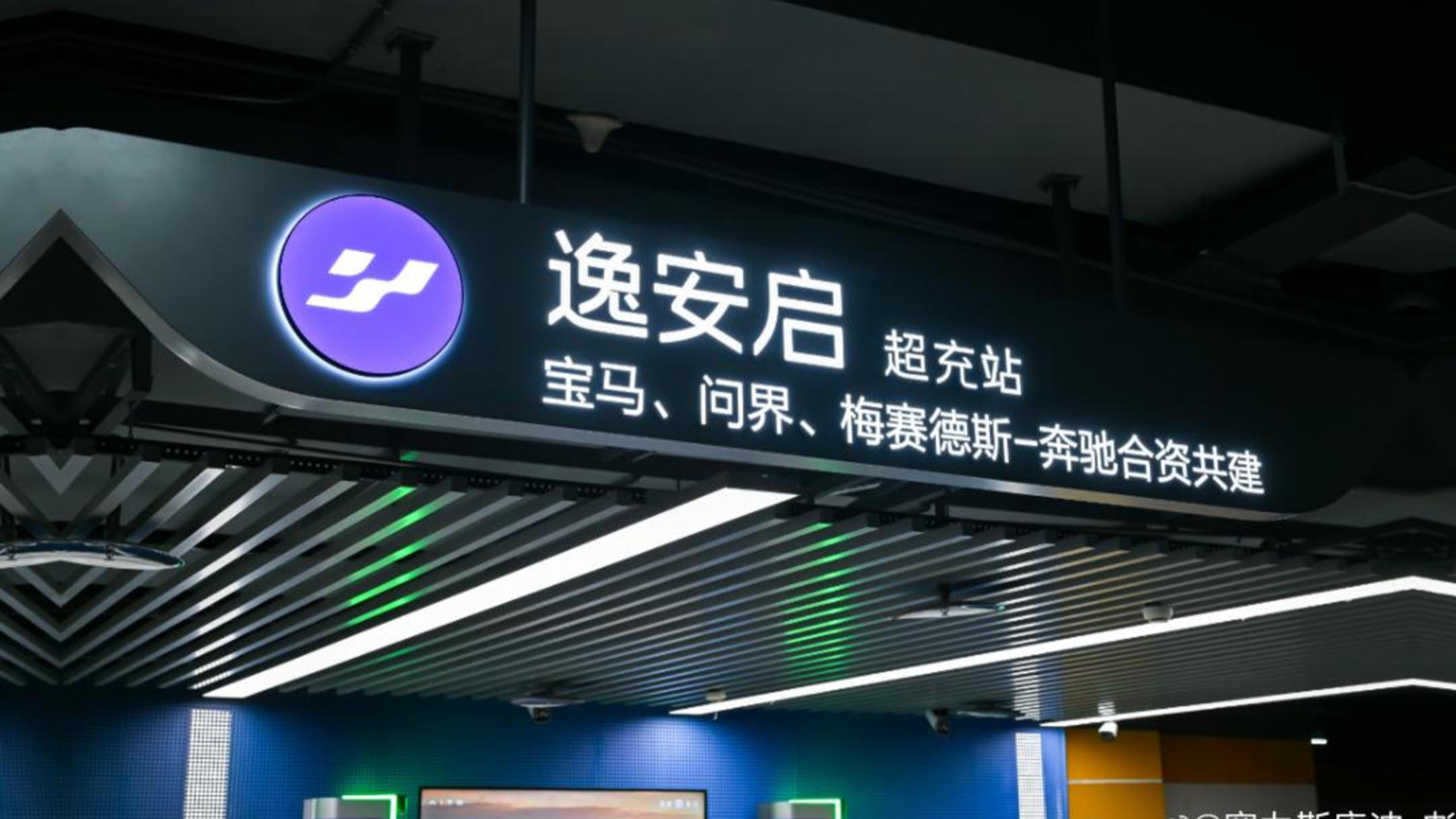
Xilinx officially announced that Wanjie has joined the Mercedes Benz and BMW supercharging camp, with over 600 stations directly connected
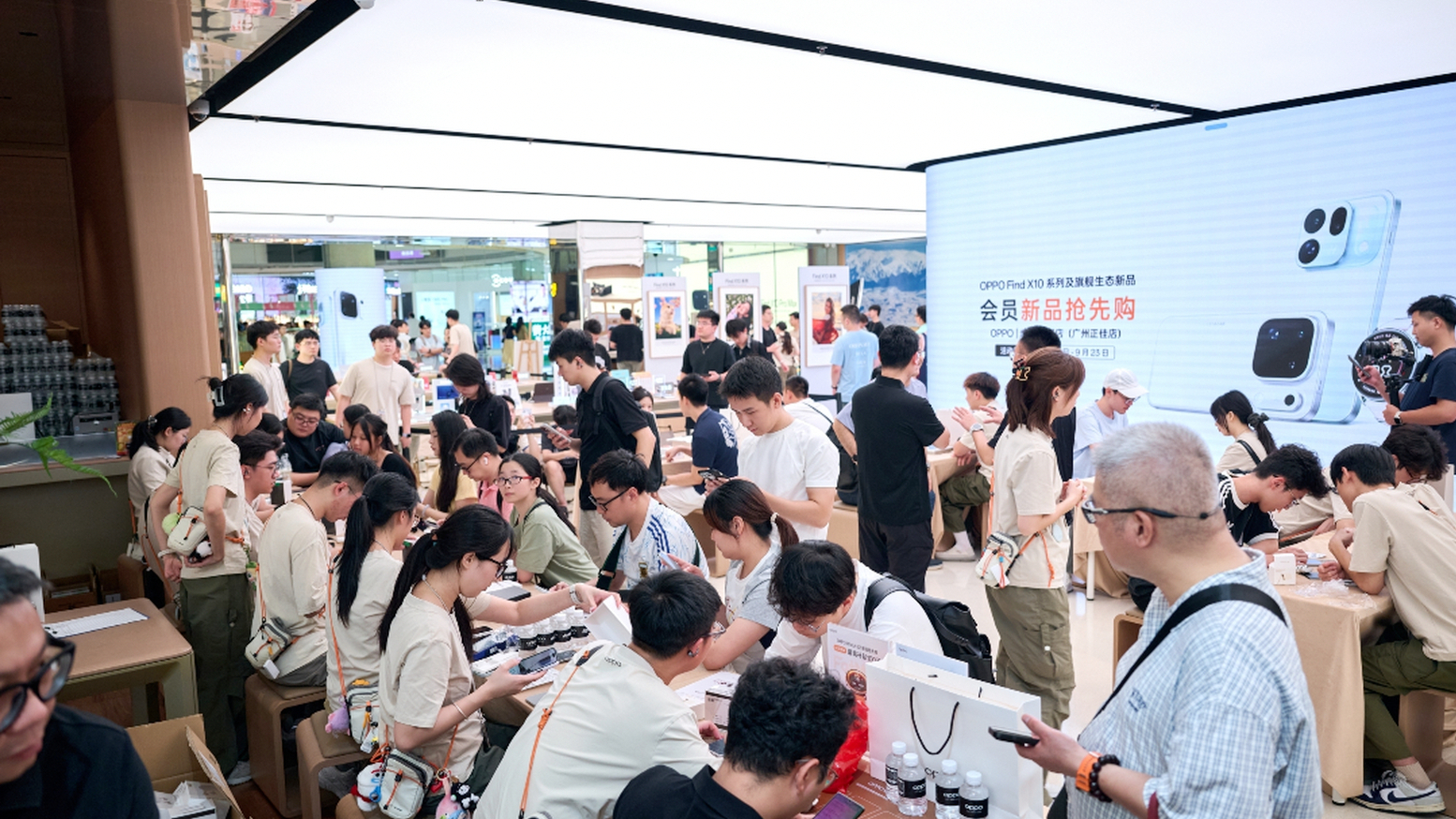
OPPO Find X10 tops sales on the standard version track
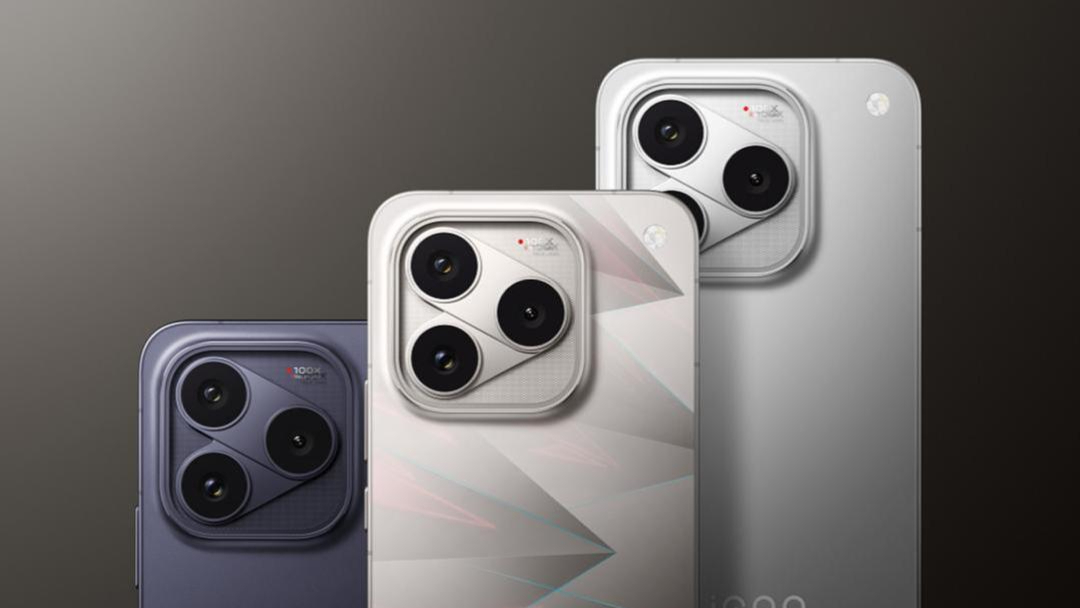
Technology Show | iQOO16 is now available for sale, under the name of Standard Edition, to meet the requirements of Pro Max product strength