Economic Observer Follow
2026-08-25 18:56


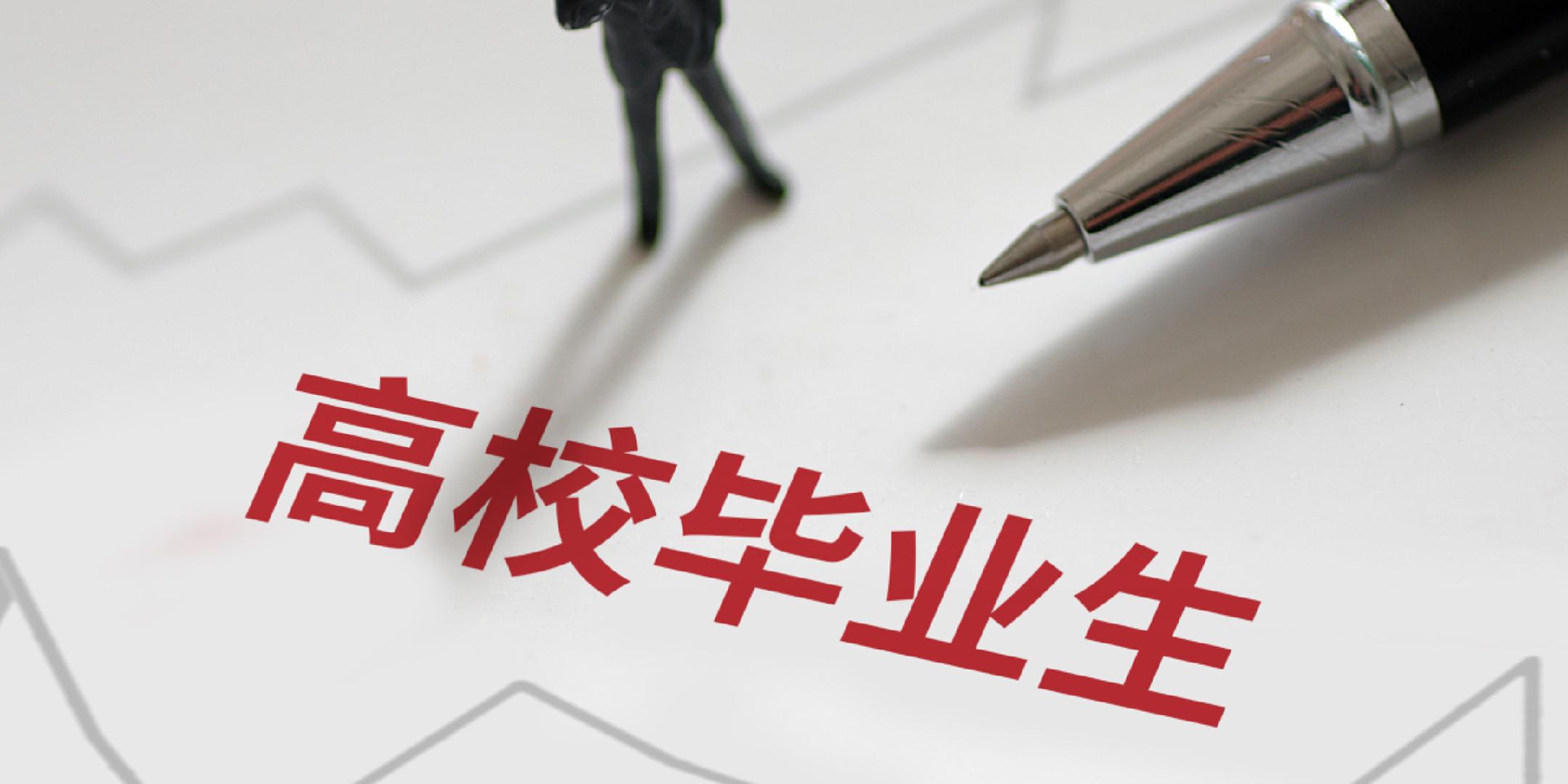
On August 25th, the "2027 Campus Recruitment AI Talent Market Insights" (hereinafter referred to as the "Report") released by human resources service provider 51job showed that 35.9% of surveyed fresh graduates perceive that AI (artificial intelligence) technology has replaced some traditional positions, 30.2% believe that AI has created more new positions, and 26.7% believe that the number of positions has not changed much but the skill requirements have changed.
In contrast, research data from the enterprise side shows that 68.3% of surveyed companies believe that the impact of AI technology development and application on the employment demand of fresh graduates is mainly "overall demand remains stable and some positions are structurally adjusted", only 7.3% believe that "basic positions are replaced and the demand for current graduates decreases", and 6.6% believe that "AI has given rise to emerging positions and increased demand".
In response to the differences in research data between enterprises and individuals, the report proposes that there are differences in the perception of the impact of AI technology on employment between the two parties due to their different locations. What enterprises see is the upgrading of job functions, while what individuals feel is the change in career thresholds. Essentially, the two describe the same trend. The era of AI has arrived, and its impact is happening. For the 2027 graduates who are about to enter the workplace, actively understanding and making good use of AI is changing from a "bonus point" to a "mandatory option".
The data for the "Report" comes from the "Fresh Talent Special Survey" initiated by 51job.com in May 2026, which collected a total of 6352 enterprise questionnaires and 18792 individual questionnaires.
At the talent demand level, the report shows that nearly 30% of enterprises have already laid out their AI talent needs in school recruitment. Among them, 24.4% of enterprises have AI related positions in technical positions but do not have a special plan, 3.6% have established a special recruitment plan for AI talents, and the total of the two is 28.0%; On the other hand, 57.7% of companies have not yet recruited AI professionals.
From the trend of demand changes, 56.8% of companies that have already deployed AI talent recruitment have seen an increase in campus recruitment demand compared to previous years, with 38.2% showing a slight increase and 18.6% showing a significant increase. In addition, 36.5% of enterprises remained stable, with only 6.7% experiencing a decline.
Although the overall demand for talent is growing rapidly, the report shows that the overall recruitment volume for AI specialized positions is relatively small. Among them, 62.4% of companies recruit less than 5 people, 31.7% of companies recruit 5-20 people, and only 5.9% of companies recruit more than 30 people.
In terms of salary, the report shows that the salary gap between core R&D positions and auxiliary positions is still widening. The median salary for supporting positions such as Big Data Development Engineer (18696 yuan/month) and AI Product Manager (17032 yuan/month) is relatively low, while the salary gap between AI Testing Engineer (14756 yuan) and AI Data Trainer (8977 yuan) and top positions is significant, with the median salary for AI Data Trainer being less than one-third of that of Big Model Algorithm Engineer.



 Subscribe