2026-07-08 17:27


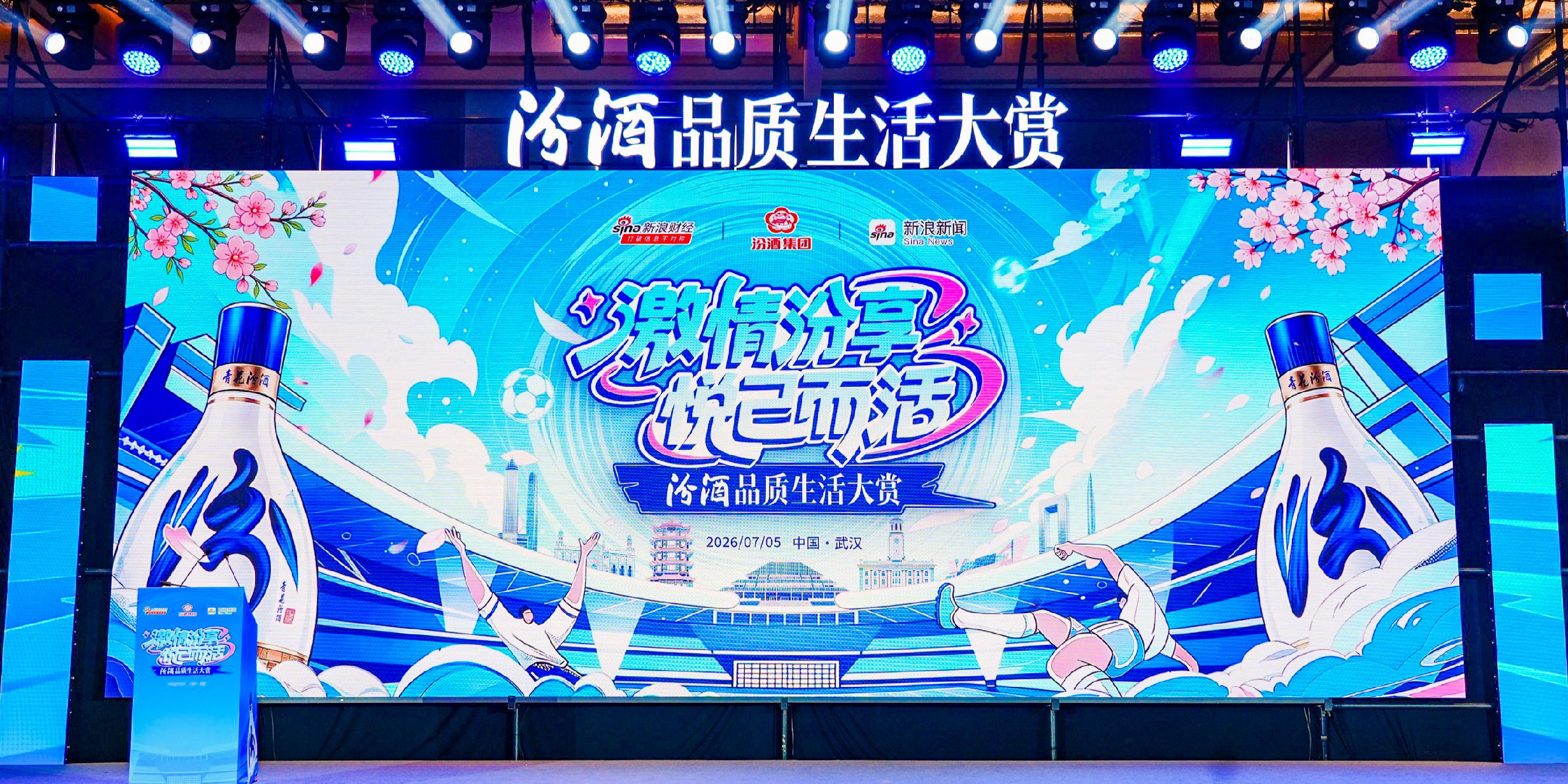
On July 5, 2026, in Wuhan, a brand event called "Fenjiu Quality Life Award" was launched here. With the theme of "Passion Enjoying, Joying and Living", the event gathered guests from finance, science and technology, culture, entertainment and other fields, and tried to answer an increasingly urgent question in the Baijiu industry through cross-border dialogue, robot dance show, Fenjiu flavor tasting and other links: how can a bottle of Baijiu with a history of 6000 years establish a new connection with contemporary young people?
This is not the first time Fenjiu has attempted to answer this question. From Guangzhou in 2024 to Changsha in 2025, and then to Wuhan in 2026, the "Quality Life Award" has been held for three consecutive sessions. Behind it is a systematic rejuvenation experiment of Fenjiu from strategy to product, from scene to communication - under the background of the era when the Baijiu industry bid farewell to high growth and entered the stock game, this leading fragrance Baijiu enterprise is trying to redefine the consumption logic of Baijiu with "Yueji".
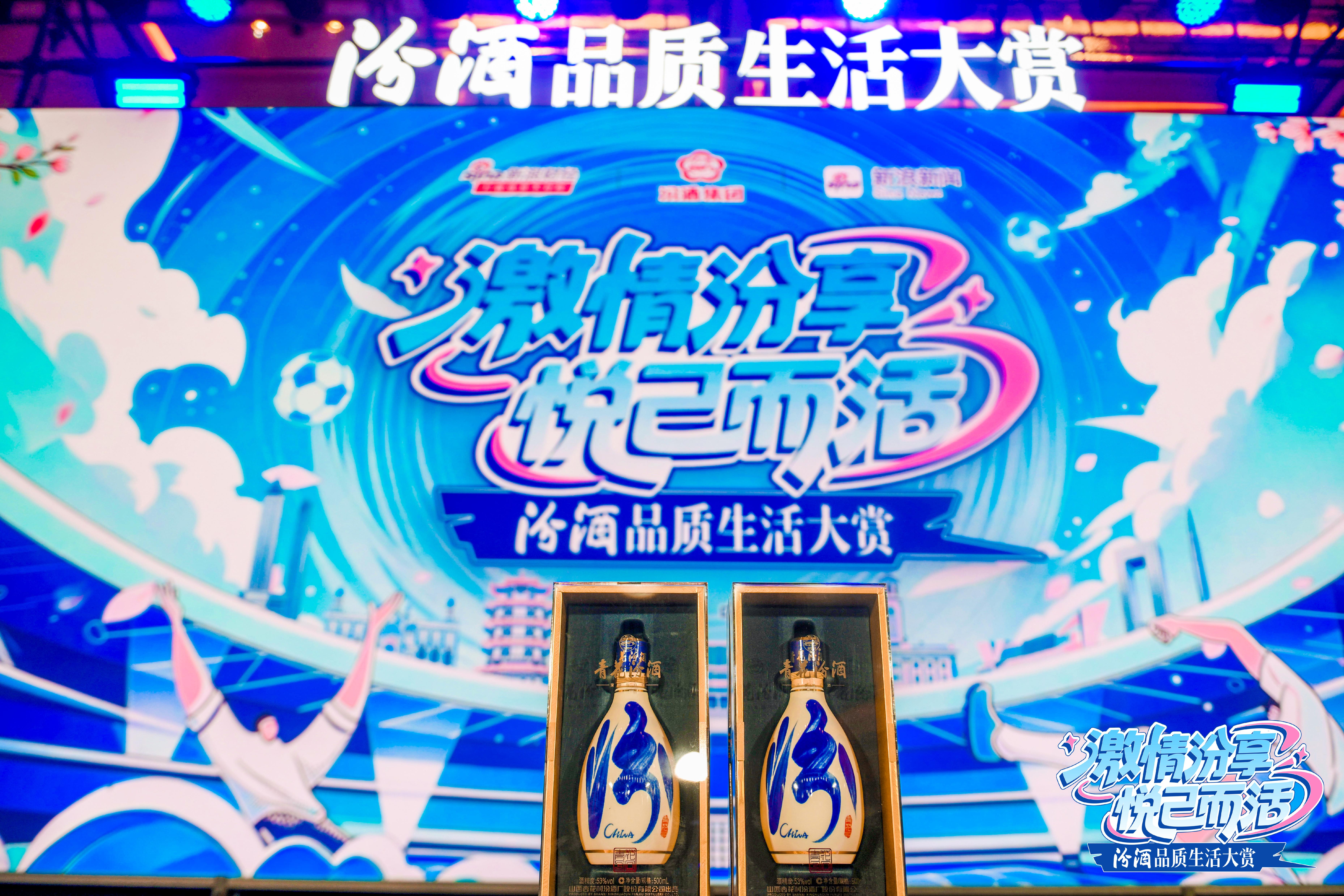
'Joyful self' has become a proposal for a new era of life, and 'slight drunkenness' has become a spiritual order
At the beginning of the event, Deng Qingxu, CEO of Sina Finance, and the relevant person in charge of Fenjiu delivered speeches respectively.
Deng Qingxu cited the historical origin of Wuhan and Baijiu culture, reviewed the allusions of Sun Quan's banquet and Luo Yin's poems, and praised the city's generous, enthusiastic and inclusive cultural temperament. As a native of Shanxi, he also shared his profound emotions towards Fenjiu: from the historical record of "I drink two cups of Fenqing" in the Book of Northern Qi, to Du Mu's famous line "Ask where the tavern is, the shepherd boy points to Xinghua Village from afar", Fenjiu has been an important symbol of Chinese liquor culture for thousands of years, and also witnesses the continuous evolution of Chinese people's quality of life. In his opinion, truly excellent brands can withstand the test of time and constantly keep pace with the times. The long-term adherence reflected in the 6000 year brewing history of Fenjiu coincides with the "long termism" concept advocated in the investment field - it is this spirit that supports Fenjiu to shine on the domestic and foreign stages, and also constantly radiates new era charm to the Eastern fragrance.
The relevant person in charge of Fenjiu then elaborated the original intention and thinking of the contemporary Baijiu brand around the theme of "passion Fen enjoy, joy yourself and live". In Fenjiu's view, "passion" and "self enjoyment" both refer to a positive and upward attitude towards life, and also symbolize the transformation of the younger generation of consumers' concepts. In recent years, Fenjiu has continued to promote systematic innovation in products, culture and scenes. Through the national interaction of "everyone loves Fenjiu", city tours, flash experience, as well as cross-border exploration in China-Chic, animation, music and other fields, Fenjiu has brought fragrance culture into the lives of more young people.
In the keynote speech segment, scholars from finance, technology, and culture gathered together to engage in in-depth discussions on the theme of "Passionate Enjoyment, Enjoying Yourself and Living", jointly outlining a multidimensional picture of contemporary quality life.
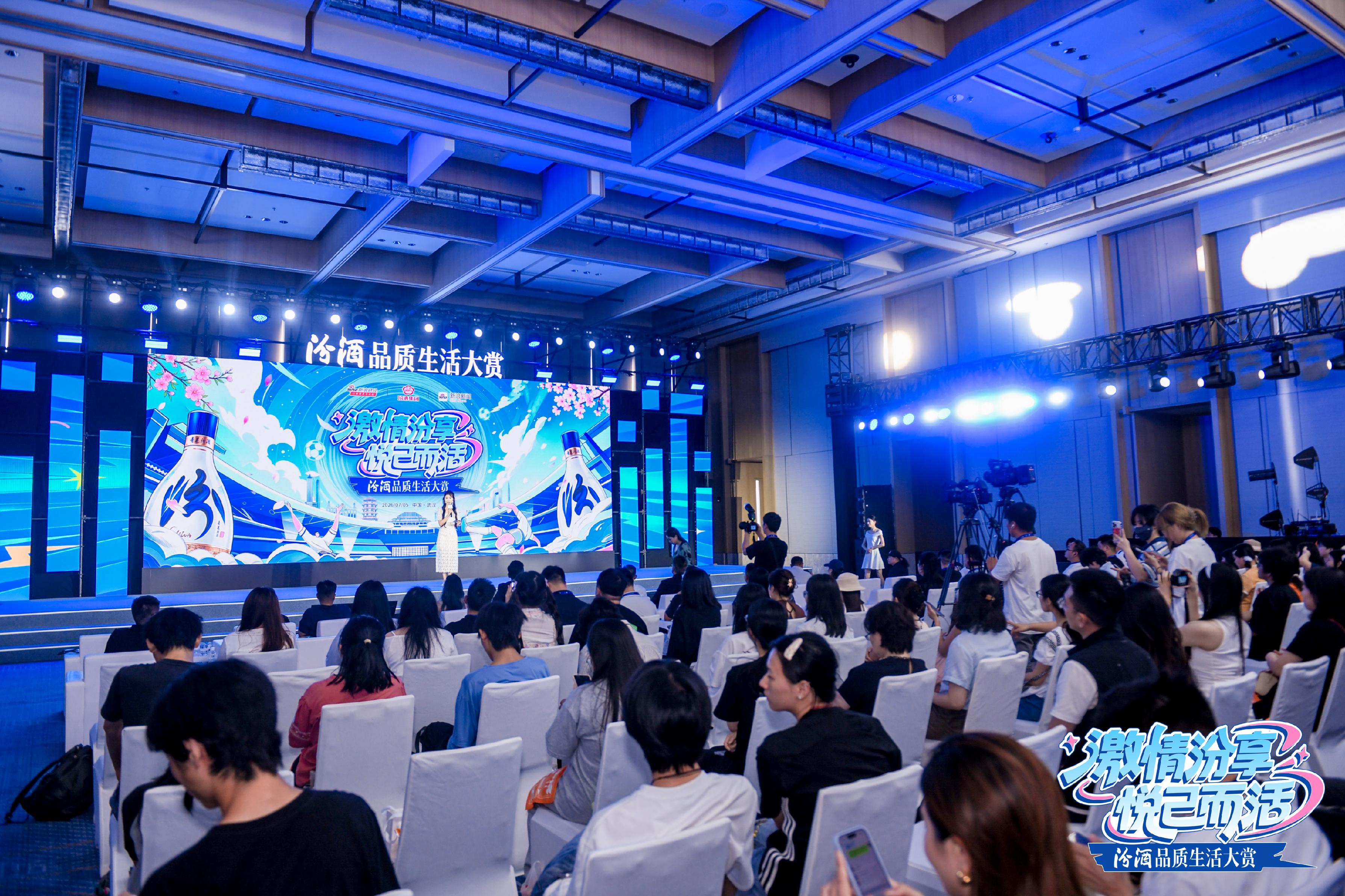
Renowned economist Fu Peng pointed out that in the past decade, the essence of global assets and industrial logic has been driven by technological progress, with AI and computing infrastructure becoming the core mainline. And what truly affects the future is not only technology itself, but also the consumption and value transformation brought about by intergenerational changes. The key to the survival and transformation of traditional brands lies in understanding the lifestyle of young people. Fenjiu advocates the drinking method of "light drinking and light drunkenness", and the unique and clean taste of light flavor Baijiu can help young people find their own sense of control and happiness.
AI scholar Gao Qingyi proposed from the perspective of technological iteration that in the era of highly fragmented information, humans need to establish internal order through continuous external input. 'Micro drunkenness' is essentially a way to readjust the attention system and regain mental clarity and a sense of self-control in the high-density information age. This interpretation elevates "drinking" from the level of sensory enjoyment to the level of spiritual management, cleverly dispelling the negative association of "drinking is wrong" in traditional concepts, and endowing "slight drunkenness" with legitimacy and even necessity - in an era of excessive connection and stimulation, consciously pressing the pause button on oneself is itself a survival wisdom.
The author of "A History of Fenjiu", Wang Wenqing, added a key link from a historical perspective: during the Ming and Qing dynasties, Jin merchants brought Fenjiu and its brewing techniques along the Wanli Tea Road to the land of Jingchu, giving birth to Han Fenjiu, and Wuhan became an important node for the dissemination of Fenjiu culture. From Xinghua Village to Jiangcheng, a cup of fragrant liquor witnesses the inheritance of skills and the integration of culture - this gives Fenjiu's event in Wuhan a geographical and cultural depth that goes beyond marketing.
From macroeconomics to artificial intelligence, from historical dissemination to cultural expression, the viewpoints of multiple guests collectively point to a clear reality: in the context of technological acceleration and structural reshaping, the connotation of "quality life" is undergoing profound changes. It is no longer just about material enrichment and consumption upgrading, but rather an individual's reconfirmation of their own rhythm, emotional structure, and spiritual order in the context of information flow, intergenerational replacement, and cultural reconstruction.
From "manufacturer led" to "consumer co creation": Fenjiu's youthful strategic layout
In December 2025, the Fenjiu Global Dealer Conference will be held in Taiyuan. At the meeting, the relevant person in charge of Fenjiu clearly stated that the second phase of the Fenjiu revival program will focus on the main line of "genuine resonance, mutual achievement, and co creation of the future with consumers". Compared with the previous first stage, which focused on market expansion and channel construction, this change in expression is significant - it marks the official shift of Fenjiu from "scale driven" to "consumer driven".
The background of this shift is the structural change of Baijiu industry. According to the data of China Alcohol Industry Association, young consumers have accounted for 34% of the total consumption of Baijiu, and the market size of young liquor has reached 400 billion yuan. When people born from 1985 to 1994 gradually became the main consumers of Baijiu, what they brought was not only the transfer of purchasing power, but also the reconstruction of consumption logic: they were no longer "passive drinkers" for business banquets and interpersonal exchanges, but "active tipsy" for emotional relaxation and self pleasure.
Fenjiu's response is to clearly propose two fronts for simultaneous progress: one is to "expand traditional marketing positions" to ensure the reasonable growth of the five major market segments; Another approach is to "create a benchmark for self pleasing consumption", from consumers to consumers, through IP co creation, scene co creation, expression co creation, and regional cultural co creation, to find a second growth curve. At the same time, Fenjiu has elevated "youthfulness" to a core strategy alongside "nationalization" and "internationalization". At the 2024 Dealer Conference, Fenjiu first proposed exploring the "Brand Youthfulness 1.0 Version"; By 2025, this strategy will be further refined into systematic deployment across multiple dimensions such as products, scenarios, and communication.
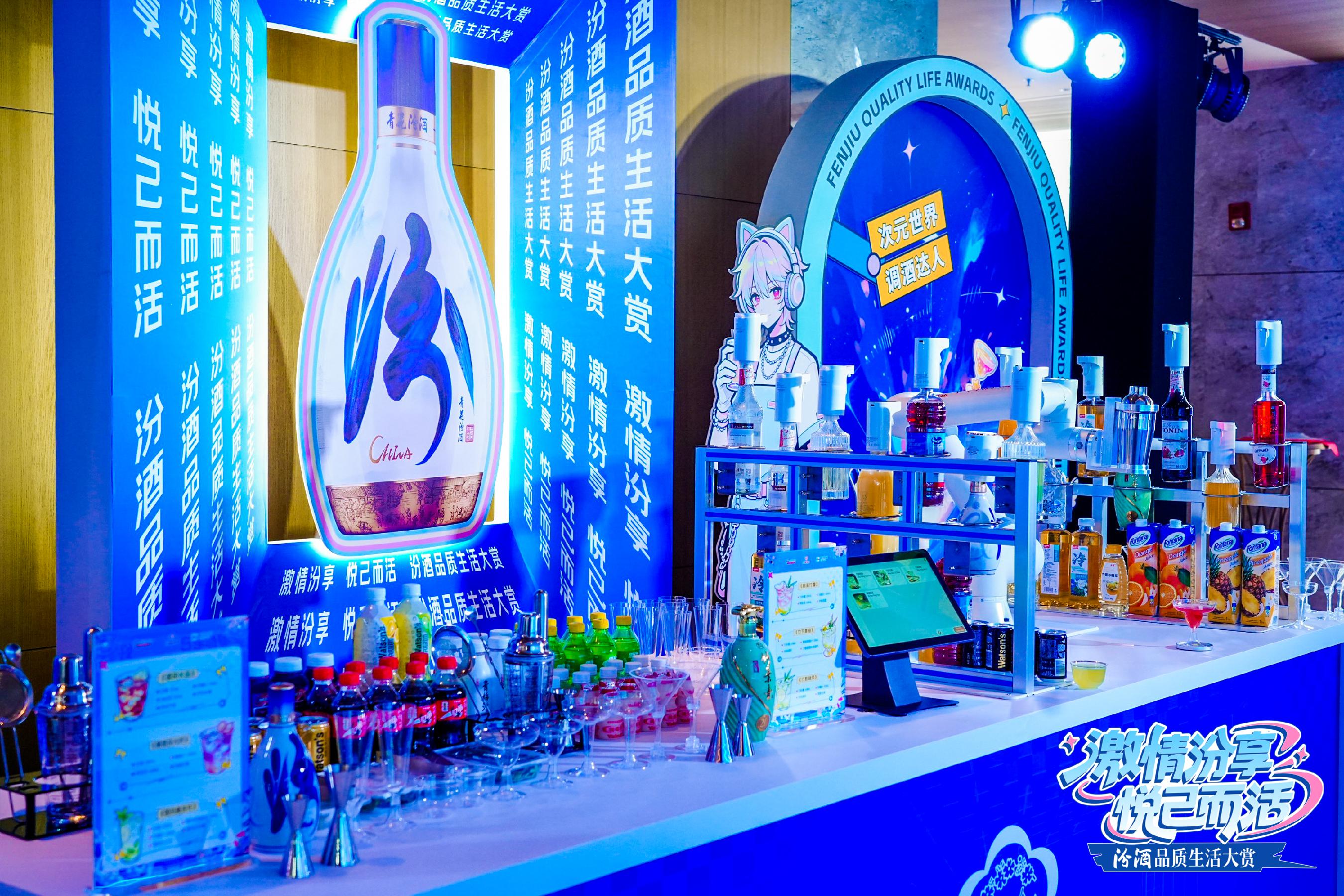
On the product side, Fenjiu's rejuvenation strategy can be summarized as two paths: one is to lower the drinking threshold with "lightweight", and the other is to create emotional connections with "cultural and creative".
The representative of the "lightweight" path is the low alcohol product line launched by Fenjiu around the concept of "slightly intoxicated and pleasing oneself". At the 2025 Dealer Conference, Fenjiu announced the launch of the "Fenxiang Youth" 28 degree new product, targeting the low alcohol alcohol demand of young consumers. Zhuyeqing Liquor has been given the dual position of "functionalization+fashion". The strategy is to jump out of the Baijiu track and seize the silver hair market and the popular pre mixed liquor market of young people as dew. New products such as Chenpi Fenjiu have been launched, with the design logic of "using Fenjiu as the base liquor, blending fruit, floral, and medicinal flavors", catering to the taste preferences of young people.
The path of "cultural and creative" is more characteristic of Fenjiu. In early 2026, Fenjiu and Shanxi Museum jointly launched the "Owl Jar Fenjiu", becoming the first cultural and museum co branded liquor in Shanxi. The Owl Jar is a bronze wine vessel from the Shang Dynasty, known by netizens as the "cutest cultural relic" due to its resemblance to the "Angry Bird" in appearance. Market research shows that young people have a high level of love for this IP. The product quickly sold out after its initial launch, which triggered a large number of spontaneous communication on social media, attracting many young groups and cultural museum lovers who were not the main consumers of Baijiu.
If "lightweighting" solves the functional problem of "getting used to drinking", "cultural and creative" answers the emotional question of "why it's worth drinking". The commonality between the two lies in the fact that Fenjiu is no longer satisfied with telling its own history, but rather leveraging cultural symbols that young people have already recognized to upgrade its brand narrative. Observers in the cultural and creative industry have pointed out that this strategy marks a leap for Shanxi liquor companies from simply discussing brewing techniques to deeply binding to national cultural heritage IP.
On the scene side, if Owl Jar Fenjiu is an attempt by Fenjiu to "let young people see me", then "Guanfen Tavern" is its layout to "let young people enter me". In 2024, Fenjiu opened its first "Guanfen" small tavern in Taiyuan, integrating intangible cultural heritage display, cultural salon, DIY mixing, and art exhibition to create a composite cultural space. After nearly two years of pattern exploration, in 2026, Guanfen will accelerate its landing: it will land in Shanghai in February, Datong in May, and Jinan in June.
Every 'Guanfen' attempts to find a unique expression between 'Fenjiu' and 'local culture'. The Shanghai store integrates the image of Fenjiu blue and white porcelain with the Shanghai style, catering to the light social needs of white-collar workers in first tier cities; The Datong store is rooted at the corner of the ancient city in a lightweight form, and has created the "Fen Noodle Laboratory" to combine local noodles with Fen liquor; The Jinan store replicated the Song Dynasty banquet ritual of "Peony Banquet Opening" and launched a special tune of "Famous Scholars of the Spring City" exclusively for Jinan, incorporating the culture of spring water.
From the perspective of channel logic, the significance of Guanfen goes far beyond "opening a few more stores". The traditional Baijiu terminal solves the problem of "where to buy liquor", while Guanfen tries to answer the question of "why to choose Fenjiu" - through the superposition of space aesthetics, cultural narrative and emotional value, to build an entrance to long-term dialogue with young consumers. Huaxia Liquor Daily interprets this as: The rejuvenation of Fenjiu is shifting from product competition to scene competition. From a strategic perspective, Guanfen is the most direct implementation of the "scenario co creation" strategy in the second stage of the Fenjiu Revitalization Program. Industry insiders have pointed out that the first phase of the revival program solved the problem of market coverage - allowing Fenjiu to enter more cities; In the second stage, it is necessary to address the issue of consumer identification - to bring Fenjiu into the lives of more young people. Guanfen is the infrastructure that connects these two
Youthfulness is not just a marketing proposition
The Wuhan "Quality Life Award" in July 2026 can be understood as a convergence of all the above actions: it is not only a strategic declaration, but also a product display, and a concentrated expression of scene experience.
During the event, economist Fu Peng pointed out that in the past decade, the global asset logic has been driven by technological progress, and what truly affects the future is the shift in consumer values brought about by intergenerational changes. The key to the transformation of traditional brands lies in understanding the lifestyle of young people. "Drinking a little and getting drunk" can precisely help young people find their own happiness in a controllable state. AI scholar Gao Qingyi interprets "micro drunkenness" from the perspective of mental management: in the era of fragmented information, this is essentially a way to readjust the attention system and regain mental blank space and a sense of self-control.
The deeper meaning of these cross-border dialogues lies in Fenjiu's attempt to elevate the concept of "drinking" from the level of sensory enjoyment to the level of "spiritual management" and "philosophy of life". When drinking is given the legitimacy of "pressing the pause button for yourself in the era of excessive connection", the stereotype of "old school" and "heavy" traditional Baijiu in front of young people will be quietly dispelled. The city limited interactive exhibition area outside the venue more directly conveys the brand intention: Fenjiu special flavor, football penalty game, anime cross dressing card playing - these elements are combined to present an image that is no longer "holding" the traditional Baijiu brand, but is willing to put down its posture and play with young people.
Beyond the excitement of the 'Quality Life Award', what deserves more attention is its strategic depth. When many Baijiu brands are still trying to use the means of "marketing rejuvenation" such as naming variety shows and co branding Chaopai, Fenjiu has written rejuvenation into the core strategy of the second stage of the revival program, and formed a set of systematic play through multi-dimensional actions such as product line adjustment, channel model reconstruction, and cultural narrative reconstruction.
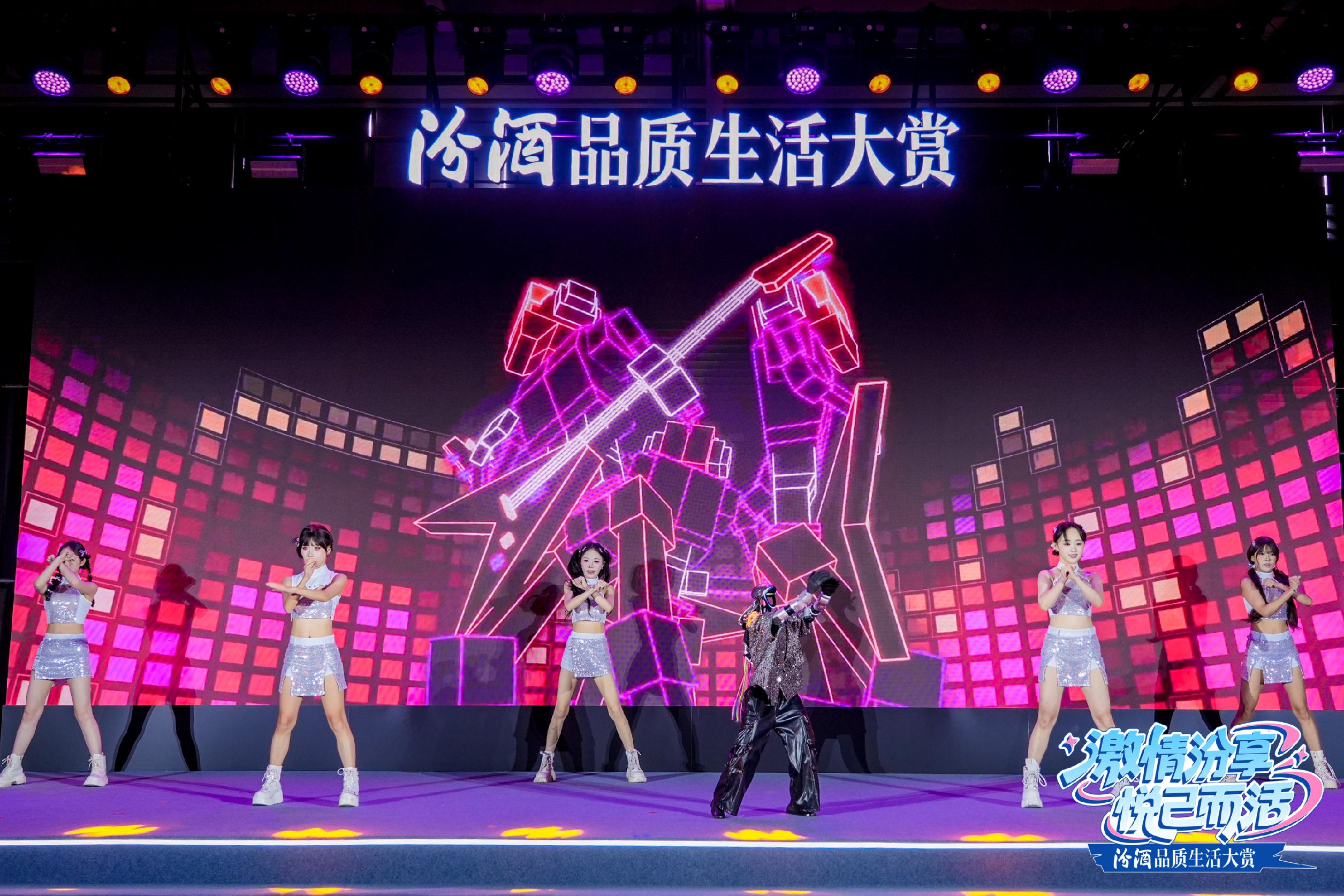
The practice of Fenjiu is still ongoing. From its layout, the answer may lie in the fact that youthfulness is not a one-time marketing event, but a systematic adjustment involving brand genes - shifting from "manufacturer centric" to "consumer centric", and from "drinking for people" to "drinking for oneself". Whether this adjustment can truly cross the cycle depends on whether product innovation can continue to create value, whether scene changes can truly integrate into the daily lives of young people, and whether cultural narratives can find a sustainable balance between "tradition" and "trend".
The end of the Wuhan "Quality Life Award" is not the end. When the Baijiu industry moves from "incremental competition" to "stock game", whoever can really establish emotional connection with the new generation of consumers will be more likely to take the initiative in the industry pattern in the next decade. The answer given by Fenjiu is: in addition to a good bottle of wine, there should also be a brand that understands young people.


 WeChat registration or login