Economic Observer Follow
2026-07-06 16:37


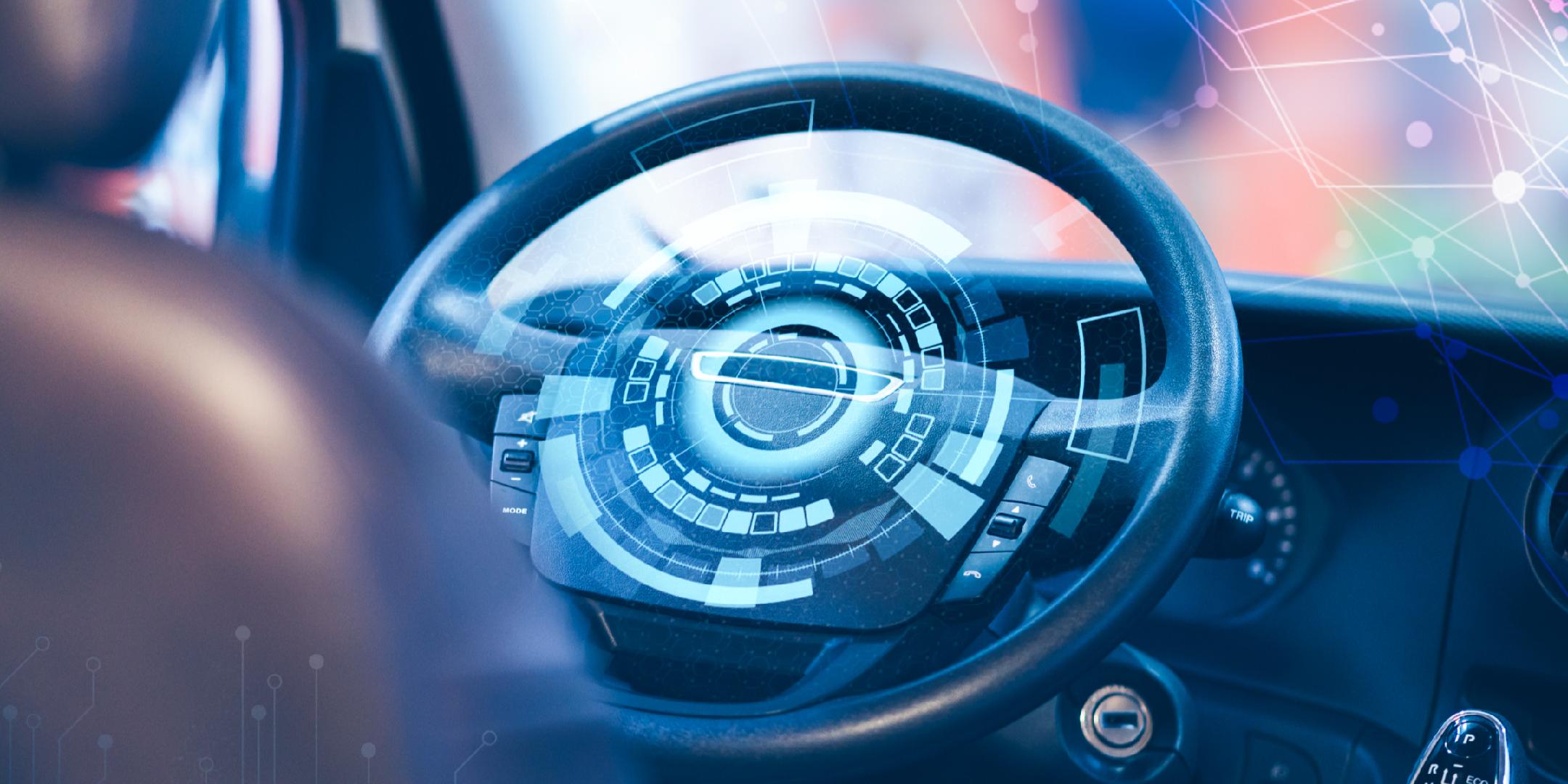
Recently, BYD and Huawei controlled Yinwang Company have successively launched car owner service policies to provide support for intelligent assisted driving models. The so-called fallback refers to the direct compensation from the manufacturer for any accident losses caused by intelligent driving during the driving or parking process. The details of the two companies' fallback plans are not exactly the same, but their stance on "smart driving accident compensation" is clear.
Before BYD and Yinwang, some new energy vehicle companies had already launched "smart driving insurance", but the strength was not as strong as the "comprehensive safety net" of these two top companies. We believe that car companies' bottom-up intelligent driving is worthy of recognition, but there are also some issues that need further analysis.
Over the years, the development of intelligent driving technology has significantly reduced system costs, and the popularity of intelligent driving has been increasing year by year. The pain points of consumers' inability to afford smart driving have been resolved, but the pain points of 'not easy to use' and 'not daring to use' still exist. The bottom line policy of car companies is precisely to solve the problem of being afraid to use it.
For most car owners, with a safety net, they will feel more at ease when using intelligent driving. In past cases of intelligent driving traffic accidents, it is difficult for car companies, car owners, and insurance companies to clarify their respective responsibilities, and it is easy for car companies and insurance companies to shirk responsibility. The difficulties include: how to determine whether the accident is related to intelligent driving, how much the loss of the accident is, what compensation standards and procedures should be adopted, etc. In addition, due to the possibility of insurance premiums rising in the coming year, car owners are more cautious about insurance claims. Once a smart driving accident occurs, the car owner is easily at a loss.
For car companies, the bottom line of intelligent driving conveys their confidence in their intelligent driving technology to the outside world, which helps to enhance the trust of car owners in intelligent driving and even specific brands. At the data level, the mutual supply relationship between car companies and car owners is the underlying driving force for car companies to ensure intelligent driving. The more car owners who activate intelligent driving, the larger the amount of intelligent driving data for car companies; The larger the amount of data, the more it can help large models learn and train, promoting the rapid upgrade and iteration of intelligent driving. This is also beneficial for addressing the pain points of "not being able to afford" and "not being easy to use".
Objectively speaking, it is not true that car companies have a bottom line, and this is clearly stated in the bottom line policies disclosed by relevant car companies. Consumers should have a clear understanding of this. We believe that what needs to be paid more attention to is that in the issue of intelligent driving safety net, car companies are not only rule makers, but also judges and athletes. The safety net clauses are formulated by them, the intelligent driving data is controlled by them, and they also have the right to interpret accident judgment standards and compensation standards. How to determine right from wrong once there is a dispute? For example, according to relevant terms, if the driver fails to take over in a timely manner after the system issues a takeover command, no compensation will be paid. But the right to determine whether the explanation is "timely" lies with the car company.
We are pleased to see more car companies joining the ranks of the bottom line, but this should be based on mature and solid technology, rather than using marketing gimmicks or even making empty promises. Today's intelligent driving has moved away from a single technological concept or simple product selling point concept. In the era of rapid development of AI (artificial intelligence), intelligent vehicles are regarded as a super carrier that integrates multiple fields such as energy, manufacturing, software, communication, and algorithms, and are a realistic sample that is expected to drive the commercialization of physical AI. But regardless, our primary concern is still human safety. Intelligent driving is people-oriented, and for car companies, this cannot be emphasized too much.
At the same time, car owners should be clear that according to current regulations, intelligent driving cannot be identified as the responsible party, and the driver is always the first responsible party for driving; Car companies' safety net is not about encouraging car owners to try dangerous driving. Allowing intelligent driving to operate vehicles on behalf of drivers is an extremely dangerous act of negligence.
From the perspective of industrial development, in the absence of complete relevant laws and regulations, car companies have taken the initiative to "fill in the gaps" in stages, which has been a precedent in the new energy vehicle industry. In recent years, safety issues with power batteries have led to frequent vehicle fire accidents, and many car companies have also introduced policies such as "fire compensation" and "three electric warranty" as a fallback. This avoids the situation of car manufacturers and battery manufacturers blaming each other after accidents occur, and provides a certain degree of protection for the rights and interests of car owners. It should be said that both intelligent driving as a safety net and "fire insurance" are objectively conducive to enhancing consumer confidence and accelerating the popularization of new energy vehicles.
However, the steady development of intelligent driving and the fair and reasonable protection of the rights and interests of various market entities ultimately rely on unified regulatory standards, transparent policy provisions, and a responsibility sharing mechanism formed by multiple parties such as car owners, car companies, and insurance companies under clear boundaries. In this regard, I hope we can go faster.


 WeChat registration or login