2026-04-13 21:51


City Nine Songs/Literature
In the past two weeks, everyone has been stepping onto a familiar yet unfamiliar rhythm. Three joint venture car companies collectively launched and held several press conferences to launch new energy intelligent vehicles specially designed for China. With the theme of "Riding the Trend", they launched the 2026 "Beijing Auto Show Season" ahead of schedule, becoming the focus of the entire industry. The formation of multiple new cars being launched simultaneously is not unfamiliar in the era of fuel vehicles, but the speed of developing a new architecture in 18 months, launching a new car every two weeks, and the excitement of eager to showcase the latest products all at once are unprecedented. In the history of Volkswagen Group, the products to be exhibited are unprecedented in terms of their birth form, technological breakthroughs, and importance.
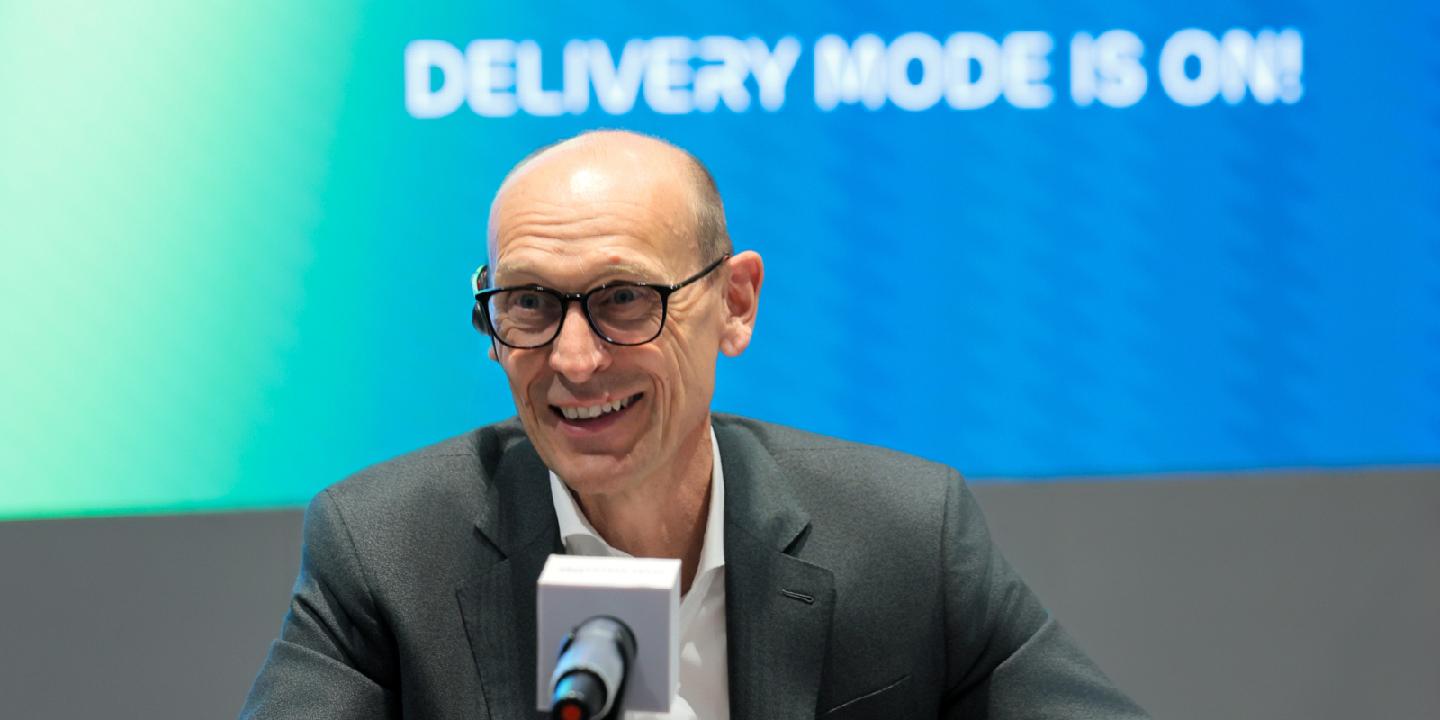
In response to this rhythm, in early April, Volkswagen (China) headquarters located on the North Third Ring Road in Beijing had adopted a new slogan - Riding the Tide. Under this slogan, Chairman and CEO of Volkswagen Group (China), Beryl, engaged in nearly 90 minutes of in-depth media dialogue, clearly outlining the new core of Volkswagen's transformation in China: not sticking to short-term and local gains and losses, but most importantly, using full brand, full system, and full chain collaboration to firmly retain 50 million base users within the Volkswagen ecosystem. This is not only a practical choice to cope with the restructuring of the Chinese car market rules, but also the fundamental strategy for this multinational car company that has been deeply rooted in the Chinese market for more than 40 years to maintain its basic position and move towards new growth in the wave of electrification and intelligence.
These strategies are based on Volkswagen's judgment of the Chinese automotive market: the current Chinese automotive market has entered a stage of deep stock competition, with overall growth slowing down, the replacement cycle shortened from 7 years to about 3 years, consumer brand loyalty significantly declining, the price system entering a new steady state, and over a hundred brands competing on the same stage. Baired believes that around 2030, the market will see a concentration and clearance of brands, and before that, retaining users is more crucial than grabbing them, and internal circulation within the system is more efficient than external zero sum games.
The entire industry has entered a critical competitive stage, and we have been preparing for this moment, "said Baired. From the implementation of the "in China, for China" strategy, to the formation of a local collaborative R&D system with multiple partners, and to the collaborative efforts of multiple brands and joint venture entities, Volkswagen is using the power of "synergy" to embark on a unique transformation path in fierce competition.
Volkswagen China's Five Year Plan
In a sense, we are a Chinese enterprise with German genes, "said Baird, bluntly introducing Volkswagen Group's" new identity ". The investment of over 30 billion RMB over three years, the establishment of a complete automotive industry system, and the cooperation strategy of thousands of Chinese engineers' R&D teams and several Chinese technology companies are strong arguments for making this definition. The Volkswagen Group, which has fully integrated into the narrative logic of Chinese domestic enterprises, has also become the biggest variable in the Chinese automotive market this year. The industry has begun to evaluate what kind of landscape changes Volkswagen's explosion will cause.
Based on a series of confirmed data, Ruide outlined Volkswagen's layout route in China for the next five years. He predicts that by 2030, new energy vehicles will account for 80% of China's annual automobile sales, and the target of Dazhong Group in China will also reach this ratio, that is, for every 5 vehicles sold, 4 will be new energy vehicles. In 2025, new energy vehicles will only account for 4.5% of Dazhong Group's sales in China, which means that the proportion of Dazhong Group's new energy sales in China will increase by an average of 15 percentage points annually in the next five years.
As the first batch of achievements born from Volkswagen's local technology system in China, over 20 new energy vehicles will be launched in 2026. Starting from March, Dazhong has entered the delivery period for the largest scale intelligent electric vehicle in history. On April 3rd, the public announced the start of the "Beijing Exhibition Season". Red said that the Beijing Exhibition at the end of April will be a "public moment". During this period, the new generation of electric vehicles targeting the Chinese market - Dazhong Automobile ID ERA 9X? The Zoty8 and Audi A6L e-tron will be officially launched.
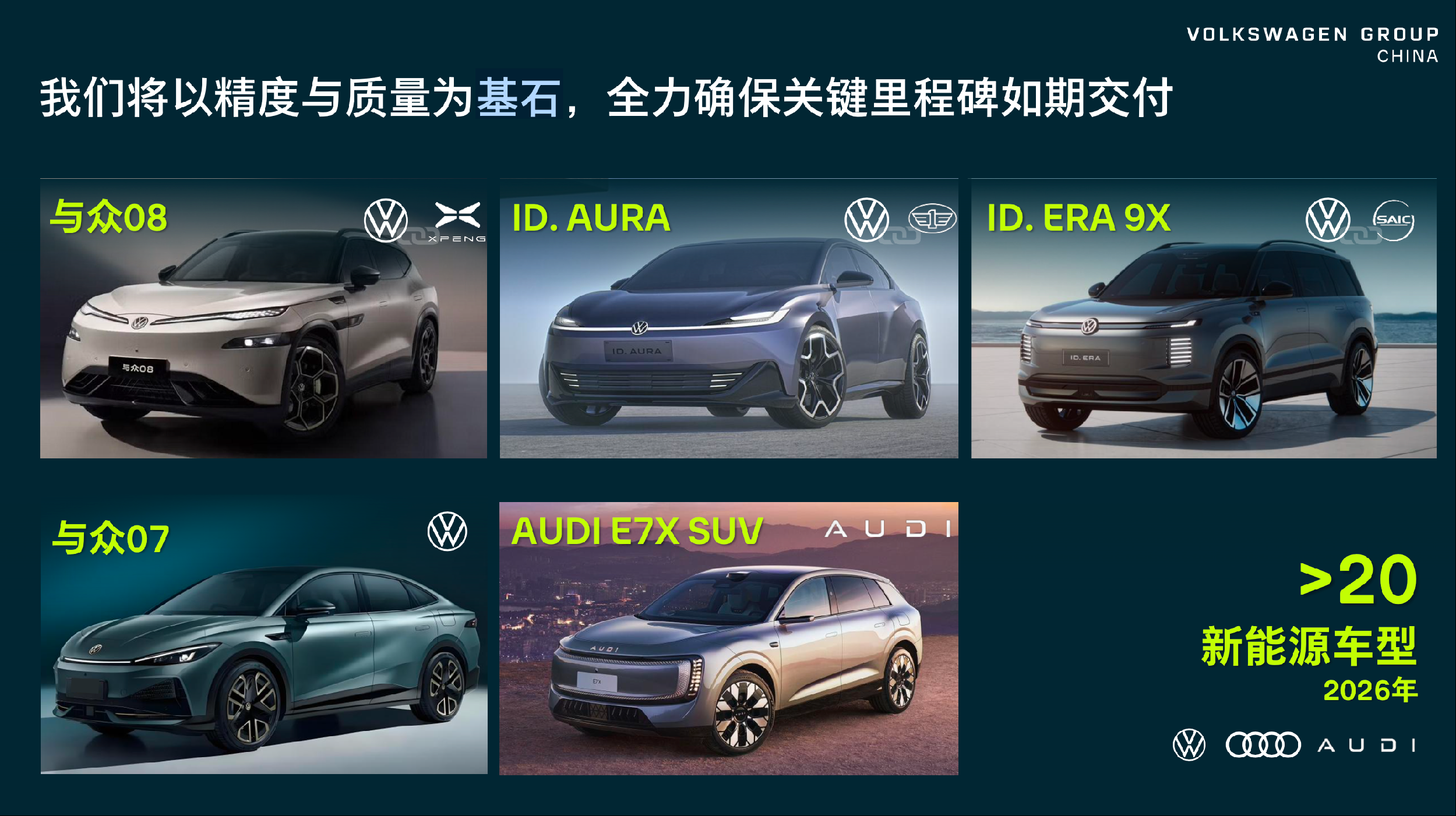
At the "Volkswagen Brand Night" held on April 8th, Dazhong Auto announced that it will launch 13 new energy models this year, covering pure electric, plug-in hybrid, and extended range power systems. Among them, Anhui Dazhong IDWe will launch three pure electric new models with the public; SAIC Volkswagen has contributed six models, of which four are from their own IDERA sequence; Yiqi Dazhong will launch four models, two of which come from its own ID AURA sequence. The "Dazhong Automobile Group Media Night" held on April 21st will showcase four models from Dazhong Automobile Group, Jetta, Audi's AUDI brand, as well as a series of newly developed new energy models. More new generation models will be exhibited during the Beijing Exhibition, which will open from April 24th.
Competitive logic: User retention is the bottom line for survival
In this car market elimination competition that concerns competitiveness in China for the next decade, Volkswagen has locked the winning password on 50 million Volkswagen base users.
The underlying logic of the Chinese car market has undergone fundamental changes "- this is a judgment repeatedly emphasized by Baired in the interview. In the past two decades, the Chinese automobile market has moved from the tens of millions to the 25 million level, which is a continuously expanding incremental market. Automobile companies only need to follow the growth of the market to gain market share; Nowadays, the market size tends to stabilize, and the number of participants continues to increase. Electrification and intelligence completely rewrite the dimension of competition, rendering the growth logic of the incremental era ineffective and the retention logic of the stock era superior.
Beryd bluntly stated that there are three irreversible changes in the current market: firstly, customer loyalty has significantly decreased, and users no longer stick to a single brand when changing cars, making cross brand flow the norm; Secondly, the era of high premiums has come to an end, and price competition has become a new market norm. "We believe that prices are difficult to return to previous levels, and we do not expect a large number of competitors to exit the market in the short term; Thirdly, by 2030, the penetration rate of new energy vehicles will reach 80%, and brand reshuffle will also begin. Volkswagen must keep up with the pace of transformation in order to gain survival space.
In this context, the strategic focus of Volkswagen has shifted from "grabbing market share from the outside" to "retaining users from the inside". Berry's logic is straightforward and firm: Volkswagen has over 50 million local users in China, which is its most valuable asset. As long as users are still within the public system, whether they switch from fuel vehicles to new energy vehicles, or from one brand of the group to another, it is a victory. On the contrary, if users are lost to other brand camps, it would cost several times more to regain them.
This transformation stems from the public's clear understanding of their own advantages. As one of the earliest international car companies to enter China, Volkswagen has a nationwide sales network, a comprehensive after-sales service system, long-term brand trust, and a huge user base accumulated in the era of fuel vehicles. These advantages have become the core grip for retaining users.
In order to undertake the circulation within the user system, Volkswagen has launched the most intensive product launch rhythm in history. By 2026, on average, a new car will be launched every two weeks, covering differentiated needs from entry-level to high-end markets, from personalized youthfulness to practical family use. Baired stated that Volkswagen's products have never been as closely related to Chinese customers as they are today. From intelligent cockpits to advanced driving assistance systems, all development is user centered, with the sole purpose of enabling users with different needs to find suitable products within the Volkswagen system.
At the same time, the balance between fuel vehicles and new energy vehicles has become a focus of attention. In the past two years of new car development, Volkswagen has stabilized its market base in China and provided investment support by continuously expanding its share of gasoline vehicles. Baired does not shy away from the value of fuel vehicles: "The reason why we can accelerate the transformation to electrification is that the fuel vehicle business is still profitable, providing stable cash flow and supporting huge investments in the new energy field." About half of the new energy vehicle models launched in 2026 still rely on the accumulation of fuel vehicle technology to optimize the efficiency of range extender and plug-in hybrid models. Volkswagen's goal is to achieve 80% of its sales structure in new energy vehicle models by 2030, keeping pace with the market pace, not giving up on the basic base of fuel vehicle users, but also smoothly guiding users to transition to electrification.
As for profitability, Volkswagen will adhere to the bottom line of 'every new energy vehicle can make a profit'. In Barrett's view, the contradiction between input and output is the biggest challenge facing the entire industry.When all car companies focus on cost efficiency and pricing systems, the brand's "sense of security" will become the greatest differentiation competitiveness. Baired emphasized that as long as the value of Volkswagen's golden signboard as the "customer's peace of mind" remains stable, users will stay within the group.
Obviously, all of Volkswagen's transformation actions ultimately point towards the same goal: to encourage existing users to continue choosing Volkswagen, to encourage new users to join Volkswagen, and to enable every user to fulfill their full lifecycle vehicle needs within the system. This is not a conservative defense, but an active strategic focus, which is a rational choice for multinational car companies to adapt to new market rules in China.
Collaboration: There is no "internal horse racing" or "fighting on their own"
Volkswagen is the largest automotive group in the global brand system and also the most complex multinational car company in terms of joint venture structure in China. With the comprehensive entry into the new energy cycle, Volkswagen Group's joint venture balance, brand synergy, and channel adjustment in China have once again been focused on.
Volkswagen Anhui's comprehensive efforts have formed a new competitive relationship among the three major joint venture entities in China - FAW Volkswagen, SAIC Volkswagen, and Volkswagen Anhui. For the issue of internal positioning of the product, Baired gave a clear answer: it will not "fight on its own", but will promote the synergy of the entire brand and joint venture system, avoid internal friction with differentiated layout, cover the entire segmented market with synergy effect, and ultimately achieve free circulation of users within the Volkswagen Group system. One mass "is the core organizational principle that leads the transformation of the masses.
At the product level, the three major joint venture entities have formed clear differentiated positioning, accurately covering different user groups. Volkswagen Anhui focuses on ID Compared with other models, it focuses on pure electric, 800 volt high voltage architecture, avant-garde and personalized design, targeting young and self-expression oriented users. As a representative model, it competes in the pure electric SUV market with long range and super fast charging; SAIC Volkswagen focuses on ID ERA series launches extended range, plug-in hybrid, and pure electric multi power products, ID. The ERA 9X, as a full-size extended range SUV, meets the needs of family users with its ultra long range and large space; FAW Volkswagen Layout ID AURA series, based on the local CEA electronic and electrical architecture, creates a balanced, safe and comfortable pure electric vehicle model for home use, covering the mainstream compact market.
Baired explicitly stated that the three major sequences belong to the same mass market brand, sharing German quality and intelligent technology, but the design language, user positioning, and segmented market are not mutually substitutable competitive relationships, but complementary collaborative relationships. In addition, from entry-level Jetta pure electric models, various series of products under the Volkswagen brand, to high-end brands such as Audi and Porsche, the Volkswagen Group has built a complete product matrix from low to high, from personality to household use, allowing users to stay within the system regardless of their budget and needs.
At the channel level, targeting the new car IDs under Volkswagen Anhui The attention caused by the entry of Zhong08 into the FAW Volkswagen dealer system. Berry explained that this is not a simple channel adjustment, but a win-win move. On the one hand, select FAW Volkswagen dealers to supplement ID Improve the reach rate of new energy vehicle models with numerous blank city branches; On the other hand, adopting a "store within store" model to clearly differentiate brand image and avoid confusion in user perception. More importantly, this model allows fuel vehicle users to conveniently access new energy vehicle models when entering the store, guiding users to complete the transition from fuel to electric within the system, rather than flowing to external brands.
In short, breaking the boundaries of joint ventures and achieving channel collaboration through the "store in store" model further reduces the risk of user churn. Baired bluntly stated that after consumers enter the store, whether they choose fuel vehicles or new energy vehicles, as long as it is a product under the Volkswagen Group, it is a positive profit.
Regarding the sustainability of technology strategy, Baired gave a definite answer: Volkswagen adheres to the dual path of "open cooperation+independent control". The outside world questions the scattered layout of Volkswagen's intelligent driving, which is different from Xiaopeng's Momenta? Huawei collaborates and builds its own Core Cheng CARIZON intelligent driving center. Baired responded, "This is not an 'internal horse racing' issue, but more like a process of 'learning first, then evolving'." Through initial cooperation with external partners, Volkswagen quickly fills in the gaps in intelligence and improves user experience; In the medium to long term, we will build our own ADAS technology stack and develop high computing power SoC chips through Core, achieving independent control over key technologies.
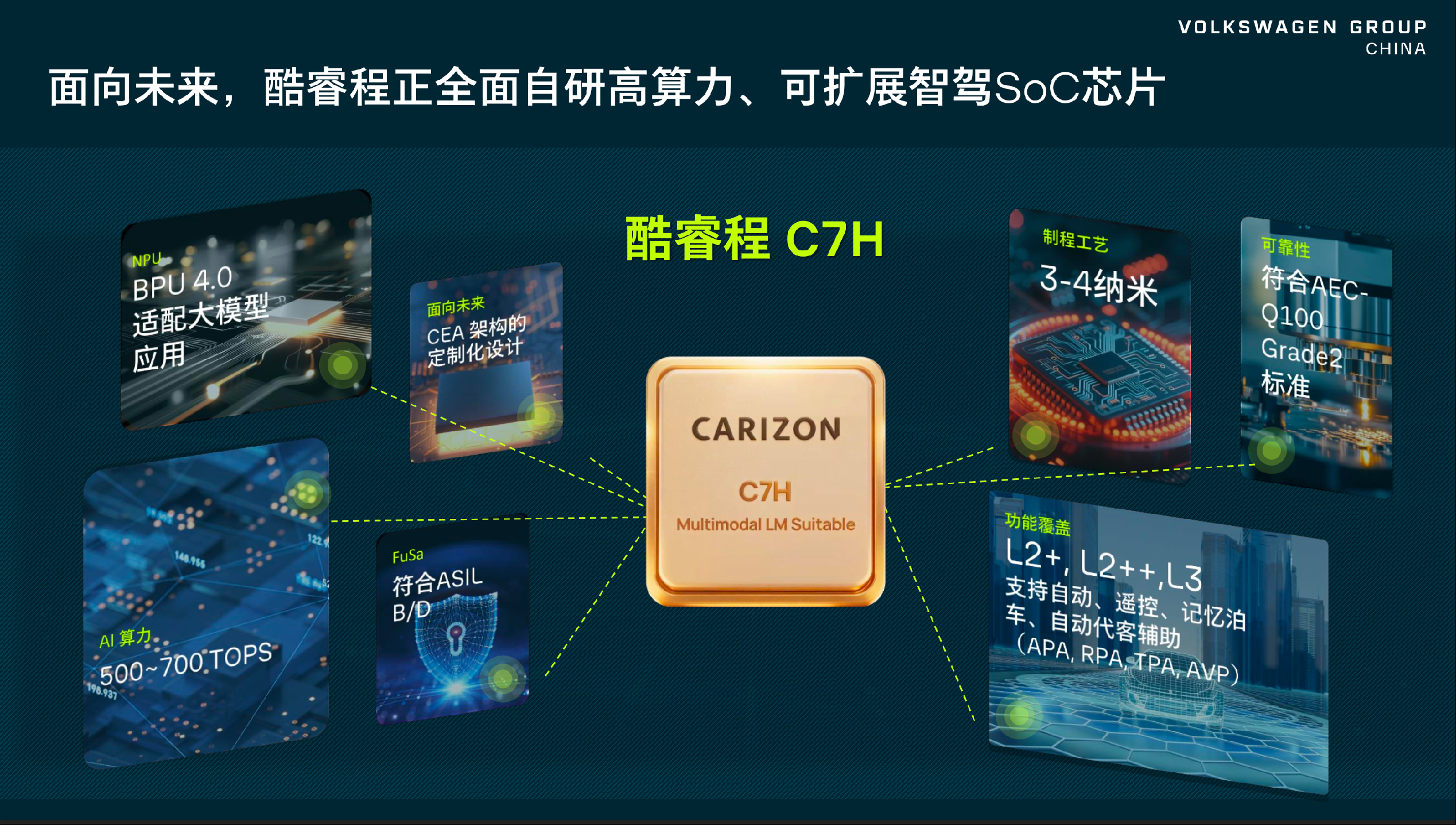
Bered stressed that whether the technology comes from cooperation or self research, the combination of German Seiko and local innovation is the unique advantage of Volkswagen that distinguishes it from new forces and local brands, and also allows users to still trust Volkswagen's quality assurance when choosing smart electric vehicles.
From product differentiation to channel integration, and then to technological collaboration, the "shortcut" for Volkswagen's transformation is very clear: completely breaking down internal barriers and forming a joint force of "one Volkswagen", no matter how user preferences change, they can find a sense of belonging within the system.
In 2026, Baired officially renewed its contract until 2028, which sends a clear signal: Volkswagen's transformation in China has entered a strategic execution period, and no longer requires a new strategic plan. Instead, it needs to transform the layout of the past three years into tangible results, and implement the user retention strategy into market performance. Bered bluntly stated that his core focus is only one: strengthening execution and delivering results. By continuously implementing local research and development capabilities, rapidly iterating products, and balancing profits and user value, every Volkswagen Group car owner can continue to choose the group's models.
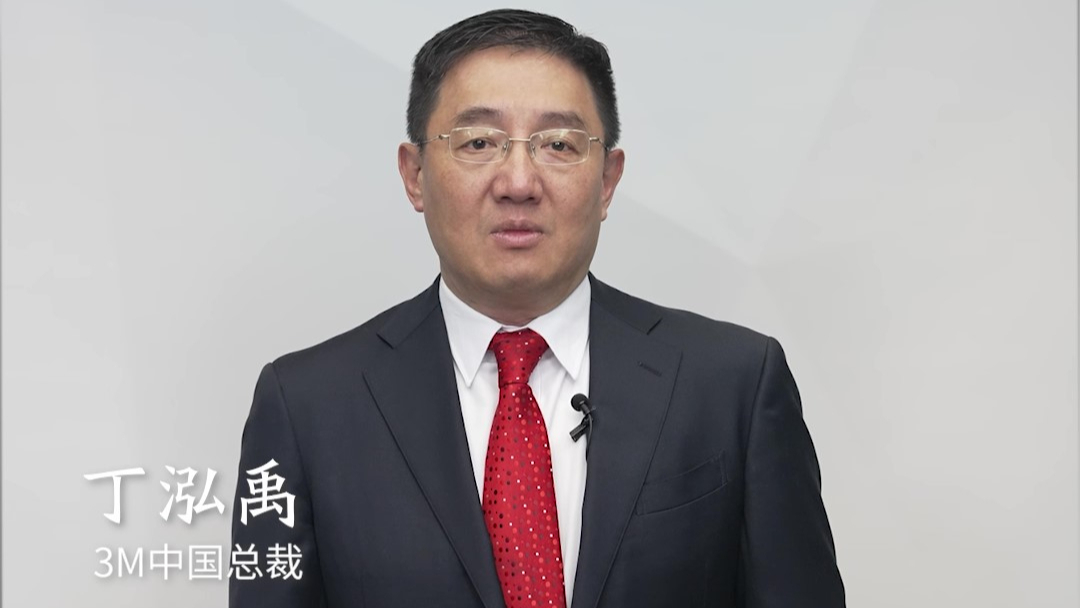
3M China President Ding Hongyu: 25 years on the same frequency as the times
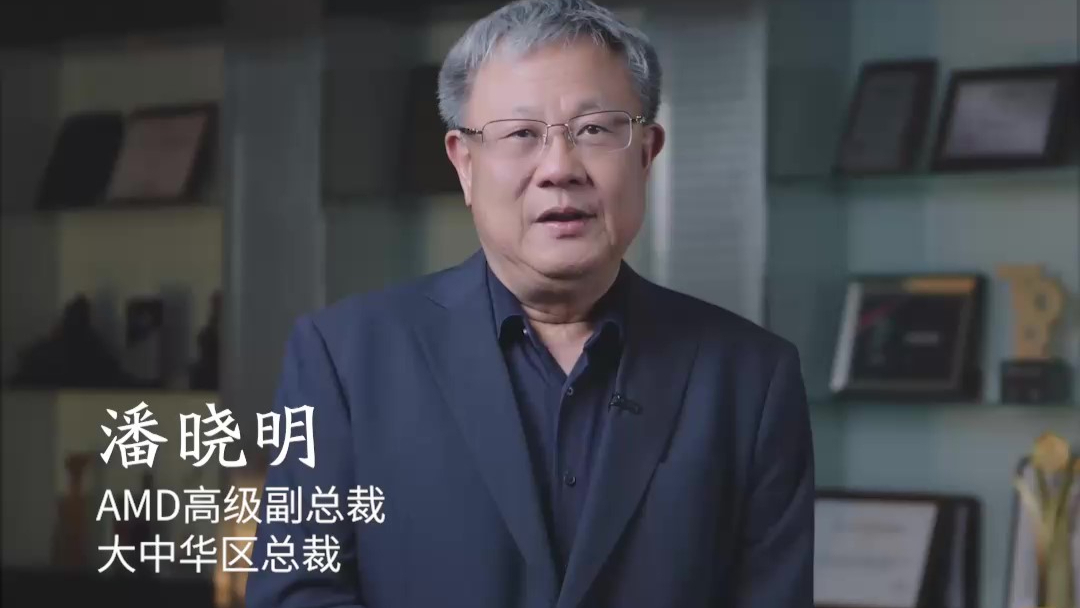
AMD Senior Vice President and President of Greater China, Pan Xiaoming: Keenly Capturing the Pulse of China's Economic Development
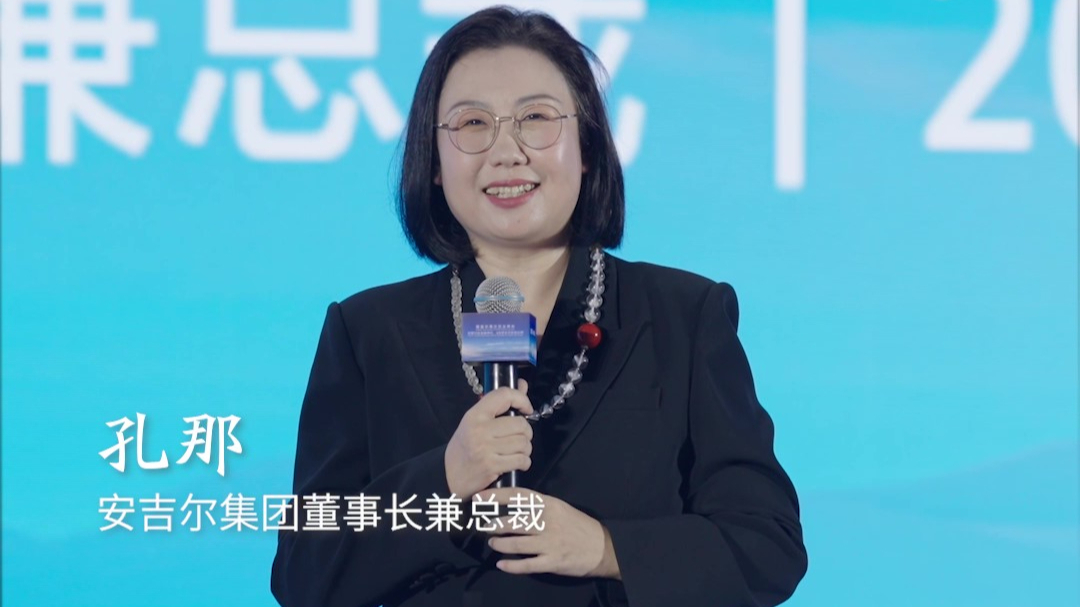
Kong Na, Chairman and President of Angel Group: Supporting the Upgrading of the Real Economy to a Brand Economy


 WeChat registration or login