

2026-04-12 10:34


Since entering 2026, the continuous surge in storage chip prices has become the most concerning phenomenon in the semiconductor market, with the current market increase even exceeding the historical high of 2018. The global storage industry has entered a "super bull market" stage, directly pushing up the cost of consumer electronics such as mobile phones, home appliances, and computers. An industry chain earthquake triggered by AI technology is reshaping the game rules of the global electronics market.
In recent years, with the rapid development of artificial intelligence technology, the demand for high bandwidth storage in AI servers has surged, which has directly led to structural adjustments in the storage chip market. According to a report by Jibang Consulting, in the first quarter of 2026, the average price of DRAM chips increased by 47% year-on-year, and NAND Flash chips increased by 38% year-on-year, reaching a new high in nearly five years.
The explosion of demand for AI computing power is the core driving force behind the current price increase of storage chips. With the continuous surge in global demand for large-scale model training and inference, the demand for high bandwidth and large capacity storage in AI servers and AI PCs is growing exponentially. In the past, storage chips only existed as supporting components in the overall material list, and their cost proportion was often ignored. Now, they have been upgraded to the core cost item that determines product gross profit.
Taking the latest flagship smartphones as an example, the proportion of storage chips in the overall cost has increased from about 8% in 2020 to over 15% currently, and the storage cost of some high-end AI servers exceeds 30%. Industry insiders point out that this round of price increases is not a short-term supply and demand disturbance, but a structural restructuring of the industry triggered by the AI computing revolution, and the importance of storage chips has been raised to an unprecedented height.
The mismatch between supply and demand is the direct driving force behind price increases. On the supply side, top manufacturers actively contracted mature process production capacity during the industry downturn cycle in the past few years. Although major manufacturers have accelerated production expansion since the second half of 2025, it takes at least 12-18 months for storage chips to be released from capacity planning to mass production, and the pace of capacity expansion is significantly lagging behind the demand explosion.
The current global inventory of storage chips is only sufficient to maintain for about 4 weeks, at a historically low level. Goldman Sachs pointed out in a report released in February 2026 that the supply and demand gaps for DRAM, NAND, and HBM categories will reach 4.9%, 4.2%, and 5.1% respectively in 2026, and this shortage situation is expected to continue until 2027 or even longer.
On the downstream demand side, in addition to the strong driving force of the AI computing power market, the recovery of the consumer electronics market has further intensified the supply shortage. In 2025, global smartphone and PC shipments will increase by 5.2% and 7.8% respectively year-on-year, coupled with the growing demand in emerging fields such as automotive electronics and industrial control. The resonance of demand in multiple fields has led to a continuous expansion of the supply and demand gap for storage chips.
In addition, the rise in raw material prices has also had an impact on the cost of storage chips. The prices of key precious metals such as gold, copper, and cobalt continue to rise, directly pushing up the material costs of chip manufacturing, which forces chip manufacturers to maintain profit margins by raising product prices.
In the upstream packaging and testing process, according to the Economic Daily, storage packaging and testing factories such as Licheng, Huadong, and Nanmao have recently raised their packaging and testing prices by up to 30%. Relevant manufacturers have revealed that they may initiate a second wave of price increases in the future. Changdian Technology, a leading domestic testing company, stated that the high capacity utilization rate of its domestic factories is expected to continue for some time. Overseas factories will enter the peak season from the second half of 2025, and the overall capacity utilization rate has increased to around 80%.
Geopolitical factors have also to some extent affected the stability of the storage chip market. The US export controls on China and the trend of "deglobalization" in the global chip industry chain have prompted countries to accelerate the construction of domestic production capacity. However, it takes at least 18-24 months for new production capacity to go from construction to mass production, during which the capacity gap will continue to exist, forming a structural price increase support.
Panic stocking and speculative behavior from downstream industries have also distorted market prices in the short term. Faced with rumors of a "chip shortage" and constantly rising prices, many electronic product manufacturers, module factories, and distributors are concerned about higher costs or the inability to purchase goods in the future. Therefore, they have increased their procurement efforts and established inventory "safety mats". This irrational hoarding behavior has created a strong atmosphere of "panic buying" in the market, exacerbating the already tight supply situation and pushing prices higher in the game between buyers and sellers. Even speculative activities in some intermediate links can distort price signals.
The cost transmission of each link in the industrial chain has further pushed up terminal prices. The cost pressure has quickly spread to the end market. PC giants such as Lenovo, Dell, and HP have recently raised prices for multiple laptop products by 500 to 1500 yuan, and many domestic new phones have increased prices by 100 to 600 yuan compared to the previous generation. Some digital professionals have revealed that in just six months, the price of 16GB mobile phone memory chips has risen from less than 200 yuan to nearly 600 yuan, an increase of over 200%. If the storage chip price rises by 50% again by the end of March, the average selling price of mobile phones will increase by 800 to 1000 yuan.
Against the backdrop of the sustained surge in storage chip prices, domestic storage manufacturers have experienced explosive growth in their performance. Domestic storage manufacturer Baiwei Storage is expected to achieve a net profit attributable to shareholders of 1.5 billion to 1.8 billion yuan in January and February 2026, a year-on-year increase of over 900%, with the highest growth rate reaching 1092%. The expected operating revenue for the same period is 4 billion to 4.5 billion yuan, a year-on-year increase of 340% to 395%. In 2025, Baiwei Storage achieved a revenue of 11.296 billion yuan, a year-on-year increase of 68.72%, and a net profit attributable to the parent company of 867 million yuan, a year-on-year increase of 437.56%.
Other industrial chain enterprises also performed well, with Demingli's operating revenue increasing by 126.07% year-on-year in 2025, breaking through 10 billion yuan for the first time, and the net profit after deducting non attributable expenses increasing by 120.77% year-on-year; Lanqi Technology's operating revenue in 2025 increased by 49.94% year-on-year, and the net profit attributable to the parent company increased by 58.35% year-on-year. Dongguan Securities analysis believes that AI demand has strong rigidity and sustainability, and the upward cycle of the storage chip industry may continue until 2027. Semiconductor equipment and material companies will also benefit from advanced process expansion and supply chain localization construction, and the overall industry prosperity will continue to improve.
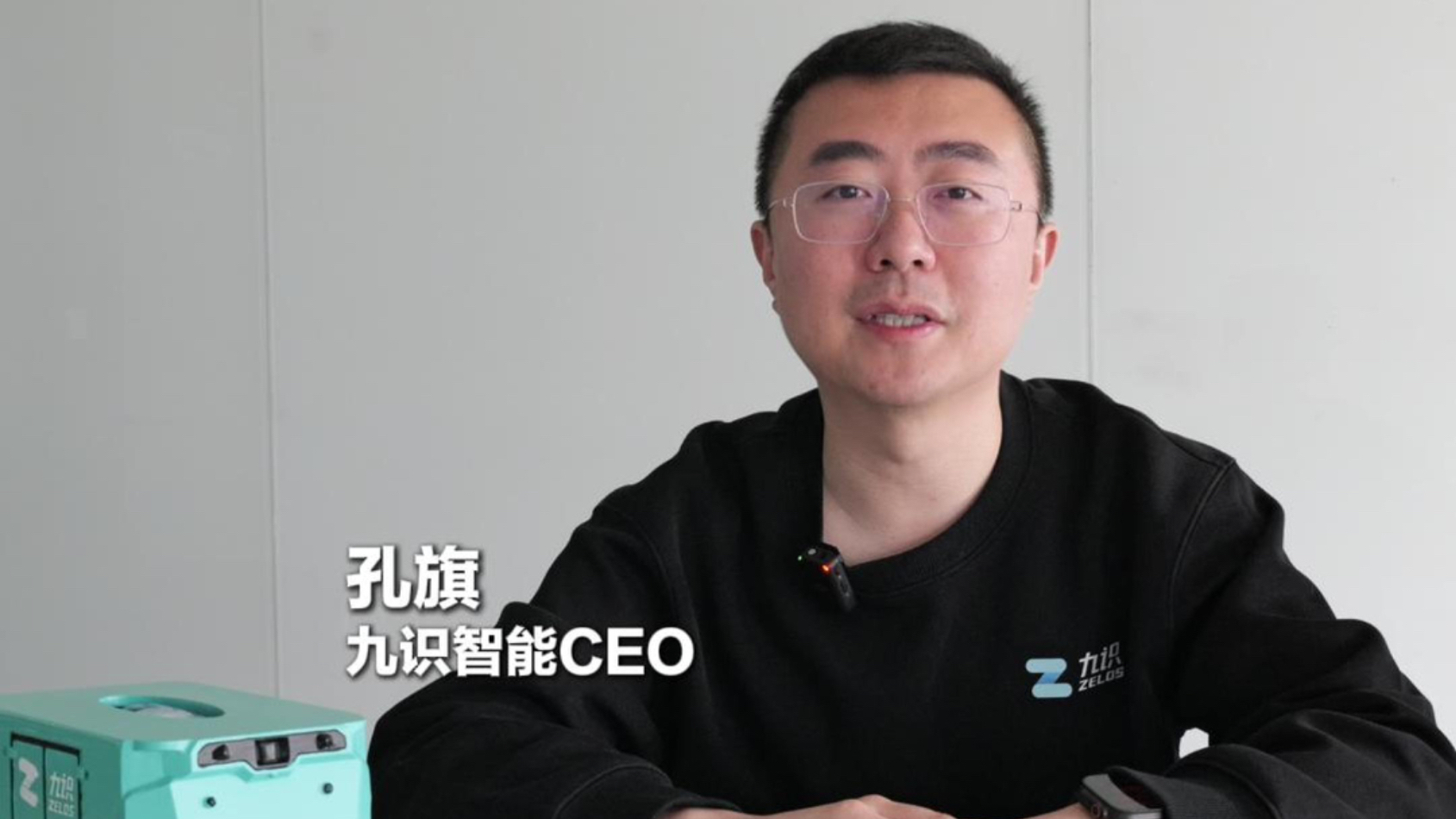
Jiushi Intelligent CEO Kong Qi: Jingguan has always adhered to its original intention with rationality and interpreted the future with depth
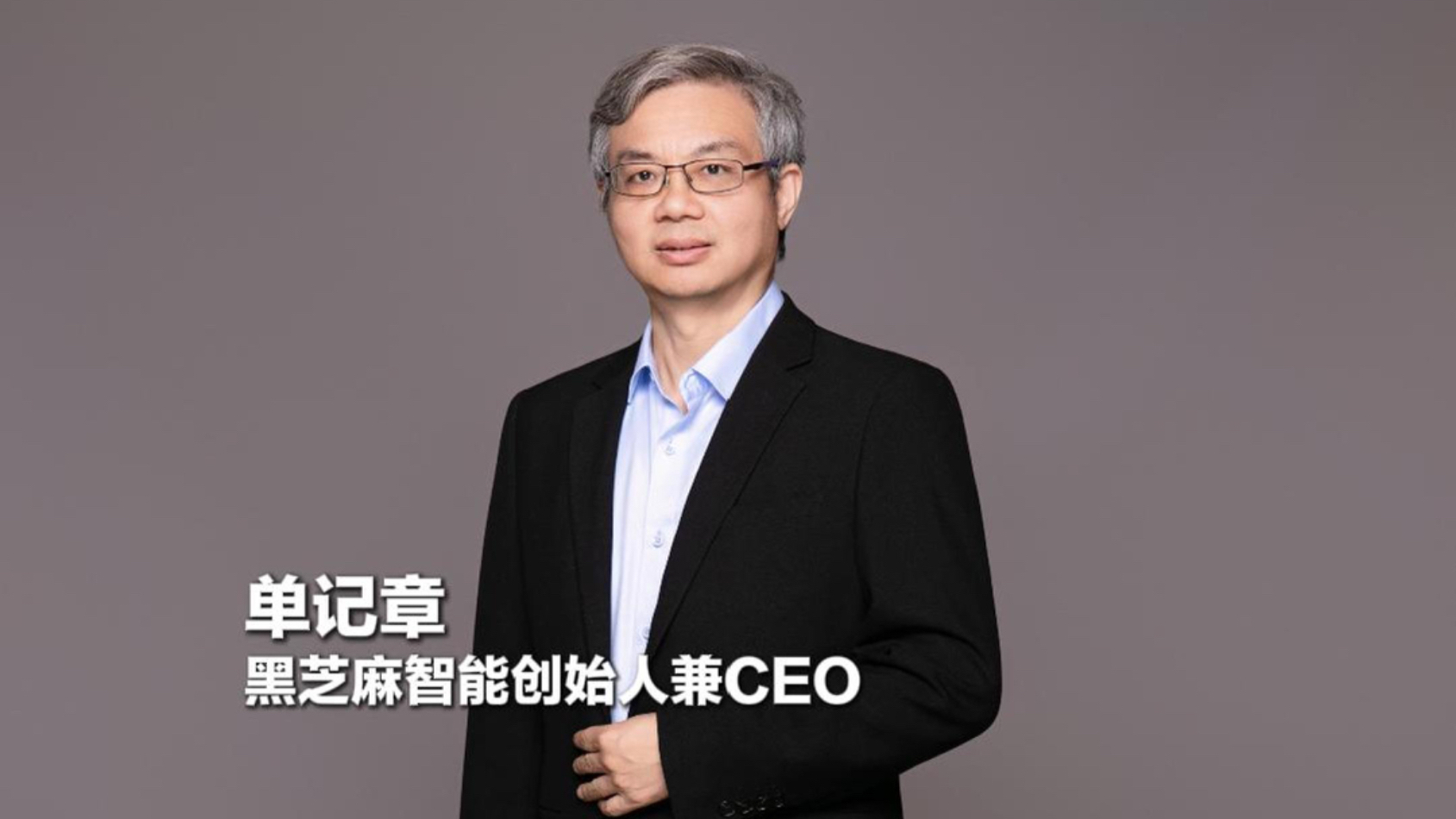
Founder and CEO of Black Sesame Intelligence: Witnessing the Growth and Transformation of China's Economy through Economic Observation
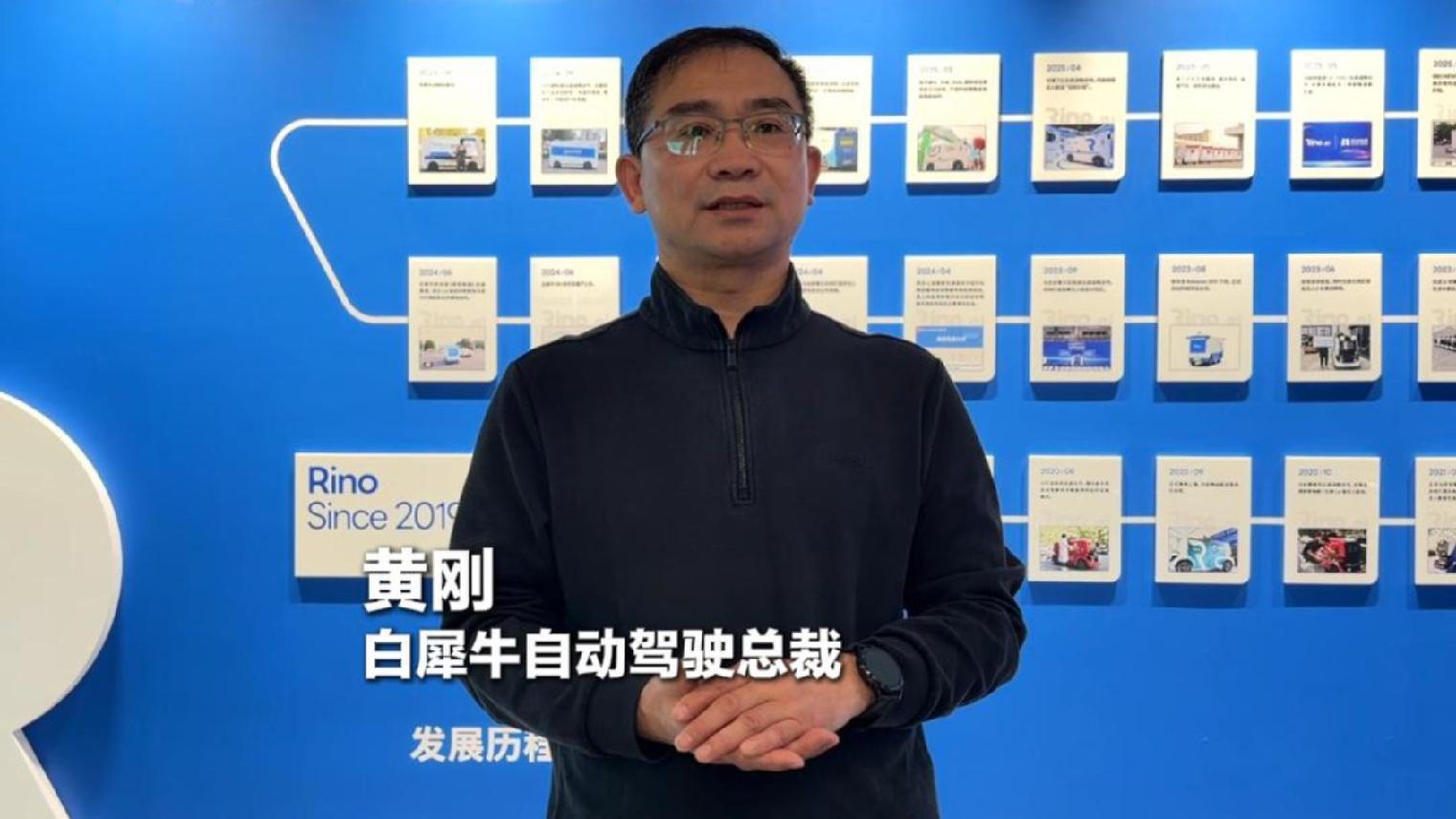
White Rhino Autonomous Driving CEO Huang Gang: Jingguan injects new imagination and vitality into the high-quality development of China's economy


 WeChat registration or login



 Subscribe
