2026-04-13 21:02


Why hasn't employee satisfaction improved despite spending all the money
This is a high-level soul questioning that many large group enterprise unions and administrative departments still have to face after completing procurement tasks that cost tens of millions of yuan.
This kind of confusion is not an isolated case. The procurement budget has been spent, but the goodwill sent by the company is not appreciated by the employees at all. The misalignment and information gap between the procurement and consumption ends of enterprises are becoming a systemic problem that urgently needs to be solved in the context of enterprise welfare procurement.
The size of the welfare procurement market is as large as trillions of yuan. Despite the emergence of many digital platforms on the market, procurement decision-makers still struggle to accurately capture employees' real preferences and find it difficult to select products; Front line employees often have no choice but to passively accept traditional welfare experiences.
In order to break the "blind box" state in the field of welfare procurement and truly transform the procurement budget of enterprises into the sense of gain for employees, JD.com, which has been deeply cultivating the enterprise level procurement market for more than ten years, relies on its digital supply chain capabilities and massive high-quality and low-priced product resources to create a one-stop employee welfare digital platform - JD internal procurement.
Based on the prices on JD's main website, JD's internal purchases offer exclusive discounts for enterprises, with a huge product library covering 86 major product categories, over 80000 main brands, and over 10 million best-selling products. This platform based solution makes it simple, diverse, and cost-effective for employees to choose their own benefits.
On April 13th, JD's government and enterprise business, together with the Economic Observer, officially released the first edition of the Golden List based on JD's internal purchase big data (attached at the end of the article). This TOP 10 list of welfare products, covering eight categories including smartphones, smart kitchen appliances, Beijing made department stores, health and wellness, car and home maintenance, Golden Valley fragrant rice, National Good Oil, and skin and beauty, is not only a recommended list based on real transaction data, but also the specific implementation of JD's digital technology in welfare procurement scenarios: it provides enterprise procurement decision-makers with evidence to rely on, makes employee welfare more understandable, and allows brands to find new growth paths in the field of enterprise procurement.
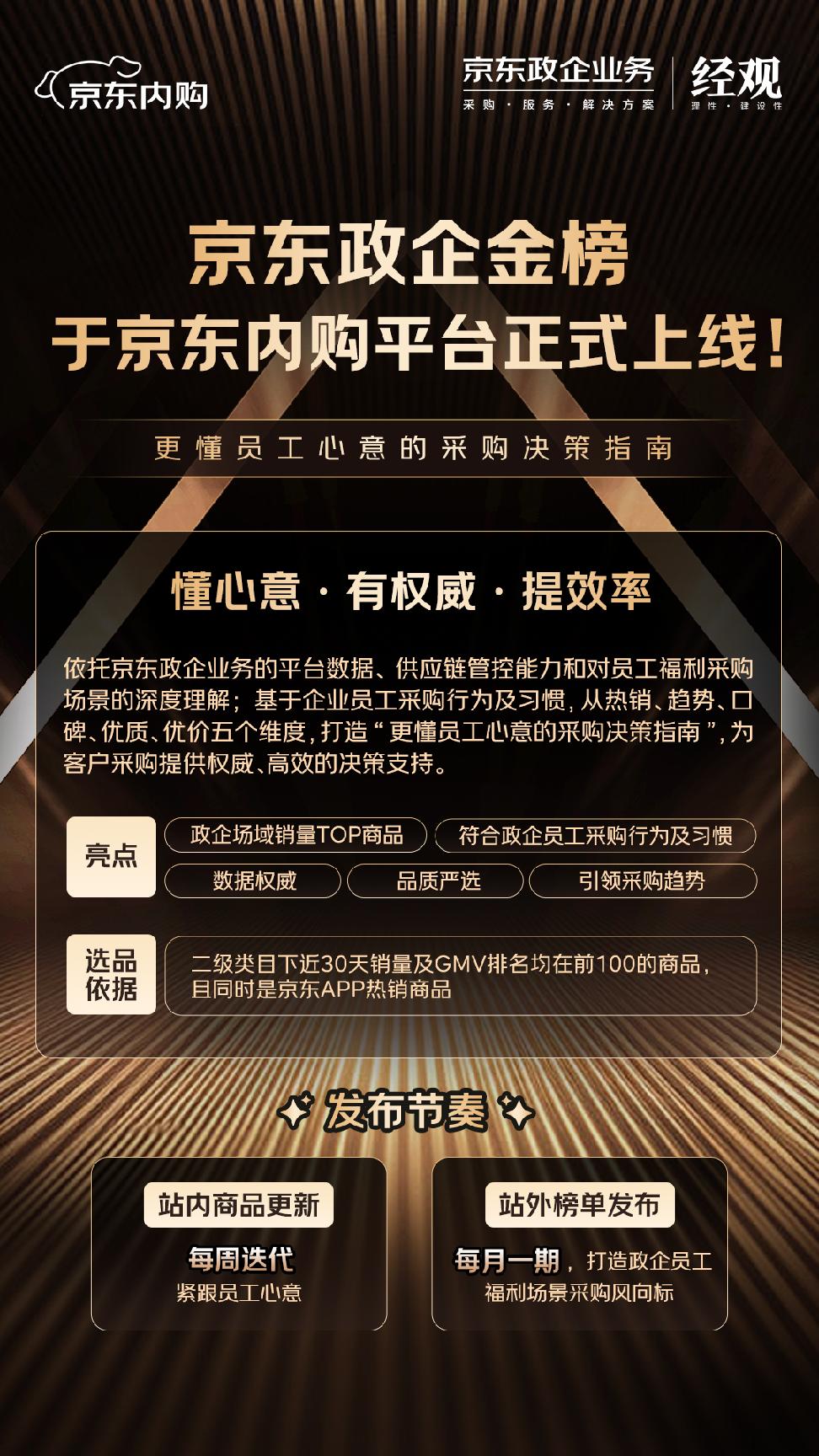
Traditional procurement supply-demand mismatch, solved by JD's government and enterprise business
Currently, the macro economy has entered a new cycle of "resilient growth", and enterprise management is shifting from "scale first" to "granular governance".
The White Paper on Welfare Management from 2025 to 2026, titled "Enhancing Welfare Efficiency and Building a Happiness Driven Organization," released by an authoritative industry organization, reveals a harsh reality: although companies have been increasing their investment in employee welfare year by year, their failure to fully understand the actual needs of employees has resulted in employee satisfaction hovering around the passing line for a long time.
The White Paper points out that this "supply-demand mismatch" is closely related to traditional procurement models. In the traditional model, enterprises usually rely on limited experience judgment or recommendations from a few suppliers to select products, while the needs of employees are increasingly personalized and diversified. This "point like" docking not only has a lengthy process and low efficiency, but also increases the compliance risk of enterprises due to the lack of digital feedback and price comparison mechanisms.
The emergence of digital welfare platforms is breaking this structural dilemma. Data shows that among enterprises adopting digital welfare platforms, 78% reported a significant improvement in employee satisfaction, and 65% successfully reduced welfare management costs by 15% to 30%.
In order to end the "information cocoon" of procurement decisions, JD's government and enterprise business will upgrade its positioning to a "long-term value partner of digital procurement supply chain" in 2025, and integrate the existing "Jinli" platform capabilities to launch a new "JD internal procurement" platform, building a closed-loop system covering "platform transactions+supply chain control".
Taking Shandong Energy Group as an example, this energy giant with a revenue of over 886.4 billion yuan in 2024 is facing the fragmented welfare exchange needs of 200000 employees. JD's internal procurement system uses a price inspection mechanism to ensure that employees not only enjoy discounts on the main site, but also receive exclusive enterprise discounts, effectively preventing the risk of price inversion.
In the Spring Festival of 2026, with the help of JD's intelligent product selection tool, Shandong Energy Group's JD internal purchase exchange GMV will increase by nearly 4 times.
In order to provide both buyers and consumers with a worry free experience of "buying with your eyes closed", the JD Government and Enterprise Golden List released this time has set up five evaluation systems: hot selling, trend, reputation, quality, and good price. Taking the "Beauty and Joyful Beauty Golden List" as an example, the victory of single products such as Setafe White Jar and Furifusa Cleansing is backed by the "real votes" of JD's massive internal purchase orders. This eliminates the need for administrative personnel to guess employee preferences out of thin air and allows them to make procurement decisions based on objective laws.
Similarly, the Supor Visual Air Fryer and Joyoung Strong Aroma Series Intelligent Pressure Cookers in the "Smart Kitchen Appliances Gold List" also reflect the demand for intelligent and transparent cooking tools in the workplace and family. The data insights from the Gold List are helping companies keep up with cutting-edge trends in welfare procurement.
For enterprises, behind every purchase lies a huge "hidden cost" of research, communication, and even error correction. The products selected through the five major criteria for entering the Jingdong Government and Enterprise Golden List provide a ready-made set of measures for welfare procurement decision-makers, shortening the decision-making cycle of several weeks to a "one click reference".
Data driven decision-making, returning the power of choice to employees
Behind the precise targeting of welfare needs on the Golden List is the massive transaction data accumulated by JD's government and enterprise business services for over 8 million domestic enterprise customers (including more than 90% of the Fortune Global 500 companies in China and 95% of China's top 500 private economy companies). This is enough to enable it to grasp the preference characteristics of enterprises in different industries, scales, and even regions in their procurement behavior: which categories have the highest repurchase rate in specific scenarios? What products are employees more enthusiastic about exchanging independently?
More groundbreaking is that in March of this year, JD.com released an AI intelligent agent for government and enterprise procurement called "AI Procurement Manager". This product is deeply embedded in JD's internal procurement platform and uses the Joy AI big model to help decision-makers complete over 200 product selection tasks in just one minute. In the first week of launch, it drove a 200% increase in order processing efficiency, a 30% decrease in procurement costs, and a 95% increase in compliance risk identification rate. In addition to improving efficiency, the core change brought about by the digitization of enterprise welfare management is to give professionals a sense of gain.
JD's internal purchase insists on "returning the right of choice to employees". Companies only need to allocate a budget and points quota for employees, and they can enter the JD internal purchase mini program to freely choose.
From daily nut gift packages for office and leisure, to seasonal throat care products that reflect health care, to team building sports equipment, camping and outdoor goods, JD's internal purchase not only covers all aspects of work and life, but also integrates high-frequency life services such as home economics, car maintenance, and tourism, achieving an integrated supply of "goods+services". Employees have the freedom to choose, express delivery directly to their homes, and the benefits experience is what you see is what you get.
In the data feedback from Shandong Energy Group, the proportion of rice, flour, and oil products has decreased, while the proportion of high-value durable goods such as mobile phones and appliances has increased. This structural optimization is a true reflection of "returning the right to choose to employees".
The strong endorsement of JD's self operated products also solves the most difficult "trust loss" in welfare scenarios. From "National Good Oil" Lu Hua to "Health Preservation" Swisse's lutein, fish oil, etc., precisely targeting the demands and needs of workplace people in life and work scenarios, welfare is truly transformed into "heart".
The business behind the 'heart' competes in the trillion dollar welfare procurement market
Employee welfare is not only a care, but also a trillion dollar business that connects the upstream and downstream of the industry.
After introducing JD's internal purchase in 2025, Changan Automobile will upgrade the traditional cash card issuance model to a "point redemption+personal payment internal purchase" model. JD internal purchase provides exclusive discounts for over 100000 employees of Changan Automobile, and cooperates with the offline "JD is Here" experience activity, allowing employees to truly feel the increased benefits.
As a 'supply and demand linker', JD's government and enterprise business is leveraging broader industrial leverage through 'heartfelt' efforts.
Brand owners also aspire to accurately reach high-quality B-end customers. In September last year, JD's government and enterprise business launched the "Billion Market Partner Plan", announcing that it would accurately help over 300 brand partners achieve annual sales exceeding 100 million yuan in the next three years. At the same time, JD.com has partnered with brands such as Huawei, Lenovo, Midea, Deli, and Jinlongyu to establish the "Billion Brand Alliance Club" to jointly serve the government and enterprise markets.
During this period, JD's government and enterprise business has never been just about trade matching. It has rooted itself in JD's strong supply chain infrastructure and reached the management scenarios of the government and enterprises.
Unlike the fragmentation of C-end consumption, B-end procurement has the characteristics of strong planning, high repurchase rate, and high unit price per customer. JD's government and enterprise business aggregates fragmented procurement needs into trend signals through internal purchasing platforms, Jinbang and other products and tools, providing procurement decision-makers with evidence to rely on, employees with benefits to enjoy, and brand owners with opportunities to expand. The three parties achieve efficient integration on a data-driven platform.
Looking back at the development history of China's government and enterprise procurement, from the beginning of e-commerce ten years ago to the maturity of the full chain digital procurement system today, the industry has entered a deep water zone.
With the deep application of AI technology, the intelligent upgrade of welfare procurement has become a necessary option for enterprises to enhance organizational resilience. JD's government and enterprise business has built a transparent, trustworthy, and efficient bridge between the government, enterprises, employees, and brands through JD's internal procurement and government enterprise gold list.
This business about "heart" is based on the seamless integration of digital supply chain. It conveys a clear signal: the best corporate procurement decision is to understand the intentions of employees; The best ecological model is value co creation driven by data.

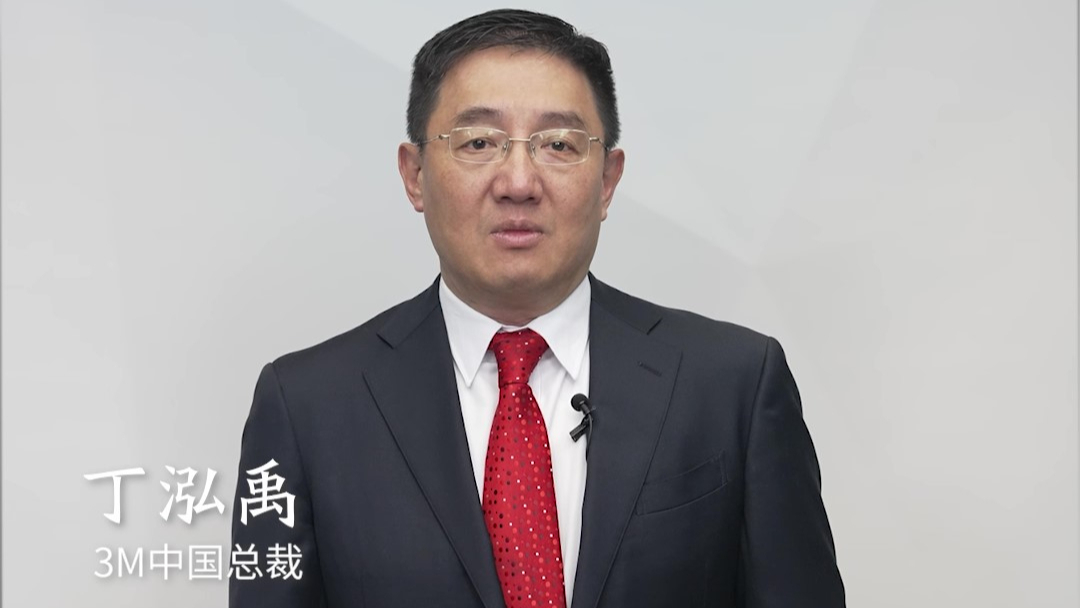
3M China President Ding Hongyu: 25 years on the same frequency as the times
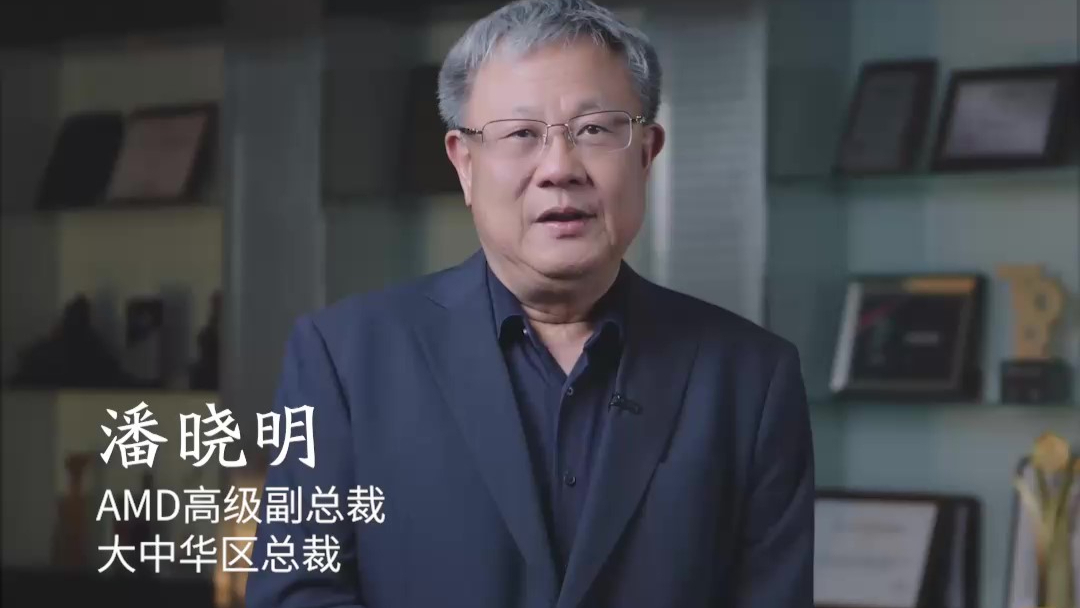
AMD Senior Vice President and President of Greater China, Pan Xiaoming: Keenly Capturing the Pulse of China's Economic Development
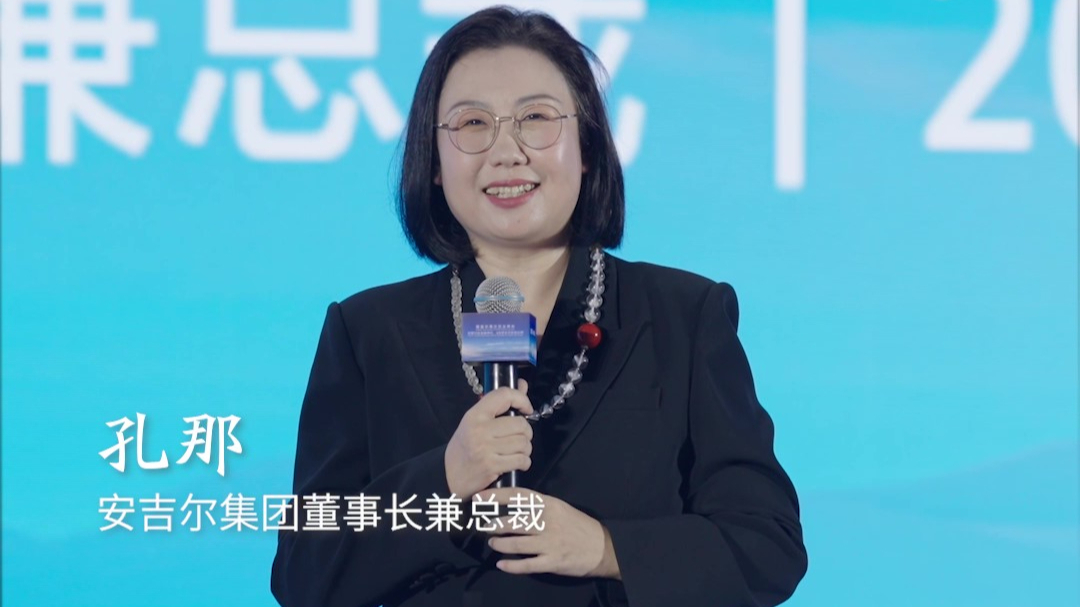
Kong Na, Chairman and President of Angel Group: Supporting the Upgrading of the Real Economy to a Brand Economy


 WeChat registration or login