

Economic Observer Follow
2026-04-13 10:44



Speech/Writing Diving athlete Quan Hongchan choked up in front of the camera and said, 'Don't scold me anymore, don't scold my family, don't scold my friends.' The online violence suffered by this 19-year-old girl has left countless people heartbroken.
The authorities have spoken out and taken action on this matter. On April 8th, the Ersha Sports Training Center in Guangdong Province, which it belongs to, stated that it had reported the online bullying incident to the police and would resolutely pursue the responsibility of the relevant personnel through legal means. The Swimming Sports Management Center of the General Administration of Sport of China subsequently issued a statement, firmly supporting the use of legal means to safeguard the legitimate rights and interests of athletes, and resolutely resisting the erosion of abnormal "fan circle" culture. Regardless of who is involved, once verified, they will be dealt with seriously and will not be tolerated.
This means that the incident of Quan Hongchan being subjected to online bullying has officially entered the legal disposal process, and the statements from relevant parties also clearly convey a zero tolerance attitude towards the erosion of the sports industry by online bullying and "fan circle" chaos. We look forward to handling this case in accordance with the law, so that cyberbullies can pay the appropriate price and the parties involved can be treated fairly; At the same time, it also serves as a warning to everyone: one should never harbor the illusion of "the law does not punish the public" and commit violence behind the keyboard - no one can escape the legal responsibility that should be borne. Law is not only an important channel for citizens to safeguard their own rights and interests, but also a compass for measuring right from wrong.
However, the law is ultimately pursued after the fact, and the harm caused to the parties involved often has already occurred. The agony they experienced under the surging insults is like the saying 'nothing is difficult until it is done'. Some people have already been devastated by cyberbullying to the point of physical and mental injury, and even paid the price of their lives, even before the legal judgment. Therefore, what we need to ask even more is: where does the distortion of the "fan circle" come from? Can intervention be prioritized to reduce the occurrence of harm from the source?
Star chasing is neutral, expressing fans' preference for a specific object. But the "fan circle" that is often criticized nowadays has two distortions: one is the oppositional thinking of opposing factions. Everyone has the freedom to "prefer whom", but if "different preferences" are directly equated with "factional opposition", and one regards their idol's competitors as "enemies" to insult or even spread rumors, it deviates from the original intention. The second is the extreme deification of idols. In this logic, idols are perfect 'gods', without flaws or falling from the altar.
When this twisted logic invades the field of sports, its harm is doubled. The narrow love hate opposition in the "fan circle" and the way of defending our side by attacking opponents have dimmed the sportsmanship of unity, friendship, and fair competition; Athletes inevitably have ups and downs in their form, and the "fan circle" demands that idols must always be perfect, which contradicts the objective laws of sports.Quan Hongchan's experience is not an isolated case?Ski athlete Gu Ailing has repeatedly stated that the recent cyberbullying she has experienced has almost caused her to collapse?In the women's singles table tennis final of the 2024 Paris Olympics, Chen Meng defeated her teammate Sun Yingsha to win the championship. Some of Sun Yingsha's fans booed Chen Meng on site, causing a global uproar.
Some people say that this is the "two sides of the coin" of fan culture, and idols have therefore gained greater attention and more business opportunities. This statement has some truth, but it does not mean that the various paranoia of the "fan circle" has its rationality; Chasing idols can easily lead to fanaticism, but the legal red line must not be crossed. In fact, idolizing idols does not necessarily lead to losing control, and 'holding onto rational love' may not necessarily be a mirage.
Fundamentally, this may require us to cultivate a more inclusive social atmosphere. To be frank, the binary oppositional thinking of the 'fan circle' is not born out of thin air, but rather a microcosm of the current trend of extreme public discussions in our society. In many public discussions, we can see a similar pattern: sincere listening and restrained debate are becoming increasingly rare, replaced by taking sides first, emotional impulses, and attacks aimed at eliminating the other party. This is not fundamentally different from the "fan circle" logic, which directly equates "different preferences" with "opposing camps". Therefore, combating this extreme trend that erodes public spaces is itself eradicating the soil of fanaticism in the 'fan circle'.
Secondly, it is necessary to reflect on whether our mainstream discourse system has inadvertently fostered a singular praise for 'perfection'. In competitive sports, success is certainly exciting, but the cycles of failure and ups and downs are also an inseparable part of this sport. The entire sports narrative - from media coverage to commentary - may need to consciously guide the public to understand failure, accept imperfection, and appreciate the beauty of the struggle process itself. When our social consciousness can break free from the single perspective of "success or defeat", the obsession of the "fan circle" that demands idols to be "always perfect and always victorious" loses an important cultural soil.
The intervention of the law has provided support for all the red beauties and also set the bottom line for their behavior. The longer-term protection lies in whether we can jointly build a healthier and more relaxed sports culture, allowing sports to return to its essence.

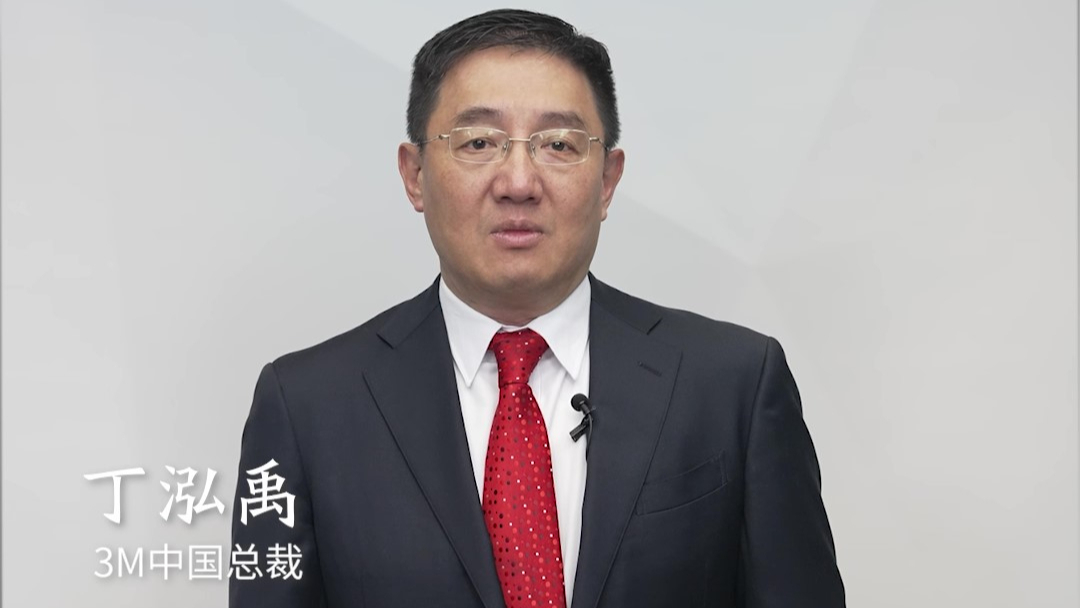
3M China President Ding Hongyu: 25 years on the same frequency as the times
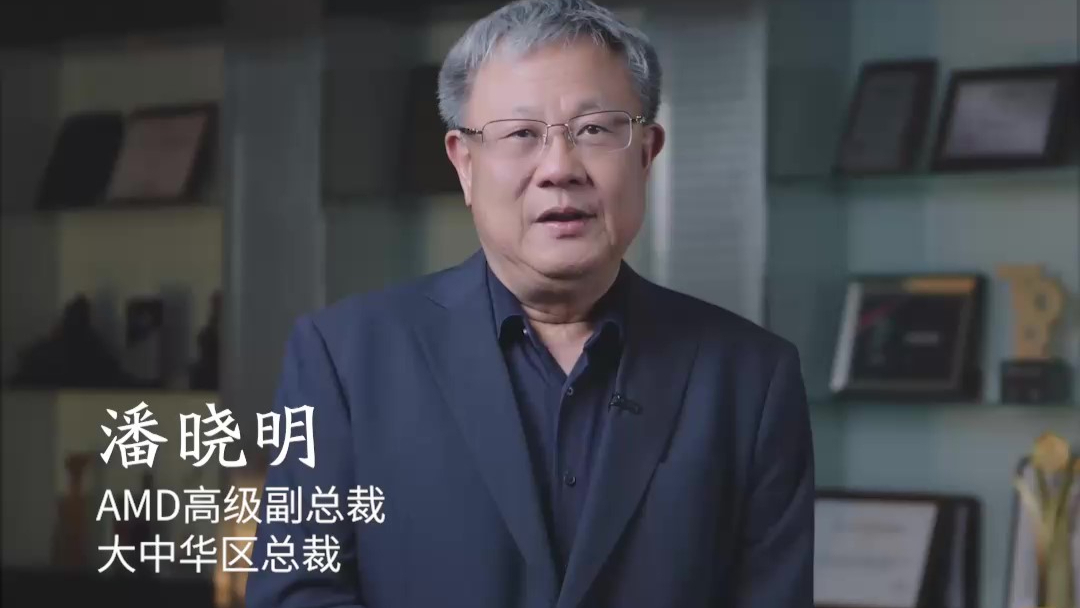
AMD Senior Vice President and President of Greater China, Pan Xiaoming: Keenly Capturing the Pulse of China's Economic Development
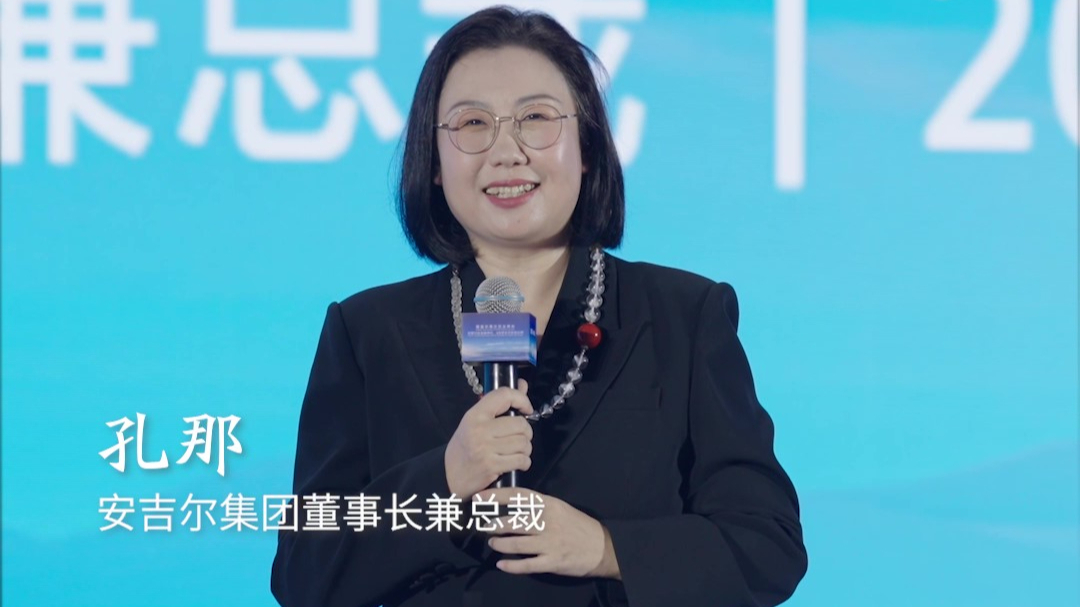
Kong Na, Chairman and President of Angel Group: Supporting the Upgrading of the Real Economy to a Brand Economy


 WeChat registration or login


 Subscribe
