2026-04-12 10:40


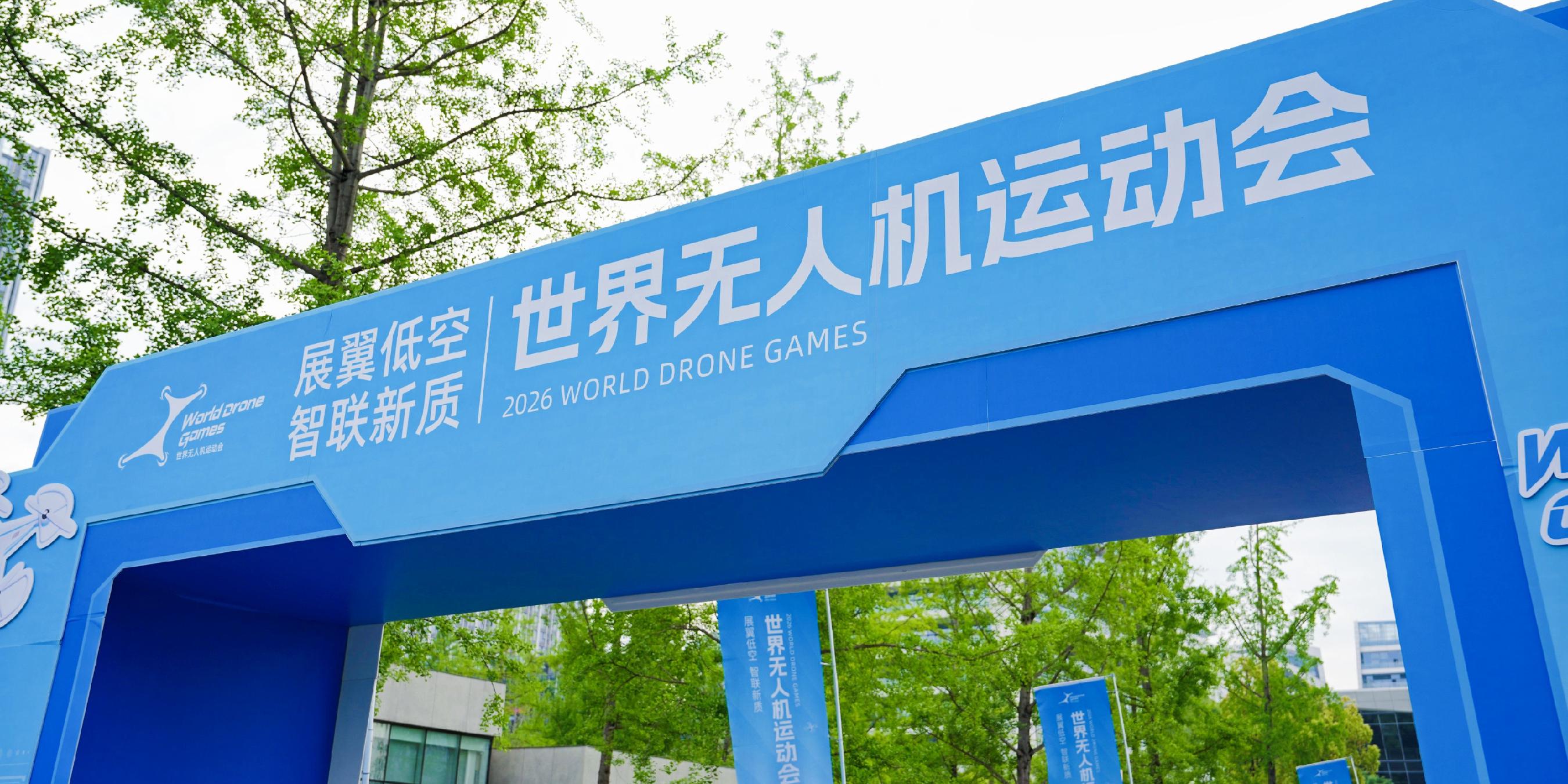
On April 11th, the World Drone Games kicked off at the Xinchuan Zhixin Robot Park in Chengdu High tech Zone. 443 participating teams from multiple countries and regions around the world, as well as domestic primary and secondary schools, universities, and enterprises, gathered at the competition venue to compete around core capabilities such as drone intelligent control, scene applications, and collaborative operations. This international competition in the form of "technology+sports" is not just a flying skills competition, but also a concentrated review of Chengdu's low altitude economic industry strength, technological innovation, scene carrying and ecological aggregation capabilities.
The landing of the World Drone Games in Chengdu is not only a high recognition of the city's industrial base, but also an important signal for the low altitude economy to move from research and development testing to large-scale application, as the country positions it as an emerging pillar industry and a key node for major cities across the country to accelerate their layout. Relying on the event platform, Chengdu is taking technological verification as the starting point, industrial agglomeration as the support, scenario implementation as the guidance, and ecological improvement as the goal, to find a differentiated and high-quality development path in the national low altitude economic competition.
Event verification technology: low altitude capability real-time visualization verification
The biggest feature of this year's World Drone Games is the transformation of abstract low altitude technology into perceivable, quantifiable, and comparable competitive scenarios, transforming the core capabilities of industrial grade drones from laboratory parameters to actual combat performance. The competition breaks away from the traditional racing framework and innovatively introduces scenario based events such as drone weightlifting, fencing, basketball, etc. Each event corresponds to the real needs of the industry, achieving intuitive verification of key technical capabilities.
Drone weightlifting, with a focus on testing the power output and stability control capabilities under heavy load flight conditions, directly connecting to industrial scenarios such as logistics transportation, emergency rescue, and high-altitude operations; Drone fencing, focusing on dynamic target recognition, precision strike, and adversarial interaction, assesses the level of coordination between perception and flight control systems, and is the technical foundation for security inspection and precision operations; Drone basketball, on the other hand, enhances its visual and interactive appeal through multi machine collaboration and precise operation, showcasing the potential of integrating drones with cultural, sports, and tourism applications. According to the schedule, the low altitude intelligent control competition will be held at Huaizhou Airport on April 18th, and the unmanned aerial vehicle equestrian competition will start at Beihu Ecological Park in Chenghua District on April 25th. The technology testing boundary will continue to expand, covering core capabilities such as intelligent scheduling, complex environment adaptation, and multi scenario adaptation.

These events may seem entertaining, but they are essentially extreme tests of low altitude economic core technologies such as flight control algorithms, powertrain, perception systems, and collaborative control. Compared to a closed laboratory environment, the competition scene is closer to the real city operation status, which can effectively discover technical shortcomings, optimize system performance, provide a low-cost, high-frequency, and practical testing platform for technological iteration, and accelerate the transformation of scientific research achievements into productization and engineering.
Simultaneously setting up an application display area on the competition site, closely connecting the competition, technical verification, and industrial landing, forming a complete transformation chain. As the main venue, Chengdu High tech Zone has already integrated drone technology into urban governance and industrial services: Xinchuan Innovation Science and Technology Park has achieved large-scale application of drone high-rise curtain wall cleaning, with operational efficiency reaching 20 times that of manual labor; The normalization of unmanned aerial vehicles for road, power, and river inspections has significantly improved the efficiency of urban management; In the field of emergency rescue, drones undertake tasks such as rapid reconnaissance and material delivery, becoming important equipment for urban security. From competition in sports field technology to urban real-life applications, Chengdu is promoting the transformation of low altitude technology from "flying" to "easy to use" and from demonstration to large-scale delivery, laying a solid technological foundation for the commercialization of low altitude economy.
Building the foundation of the industry: forming a complete ecological chain to support international events
The World Drone Games can land in Chengdu and be held at a high level, with the core confidence coming from the full chain, systematic, and high-energy low altitude economic industry base formed by Chengdu's long-term layout. As a core city of the national aviation industry and a pilot city for low altitude airspace reform, Chengdu has listed low altitude economy as a strategic emerging industry for key development. With Chengdu High tech Zone as the core engine, it has built a dual core driving model of "whole machine research and development+operation services", forming a complete industrial chain ecology covering research and development design, whole machine manufacturing, operation management, and scenario applications.
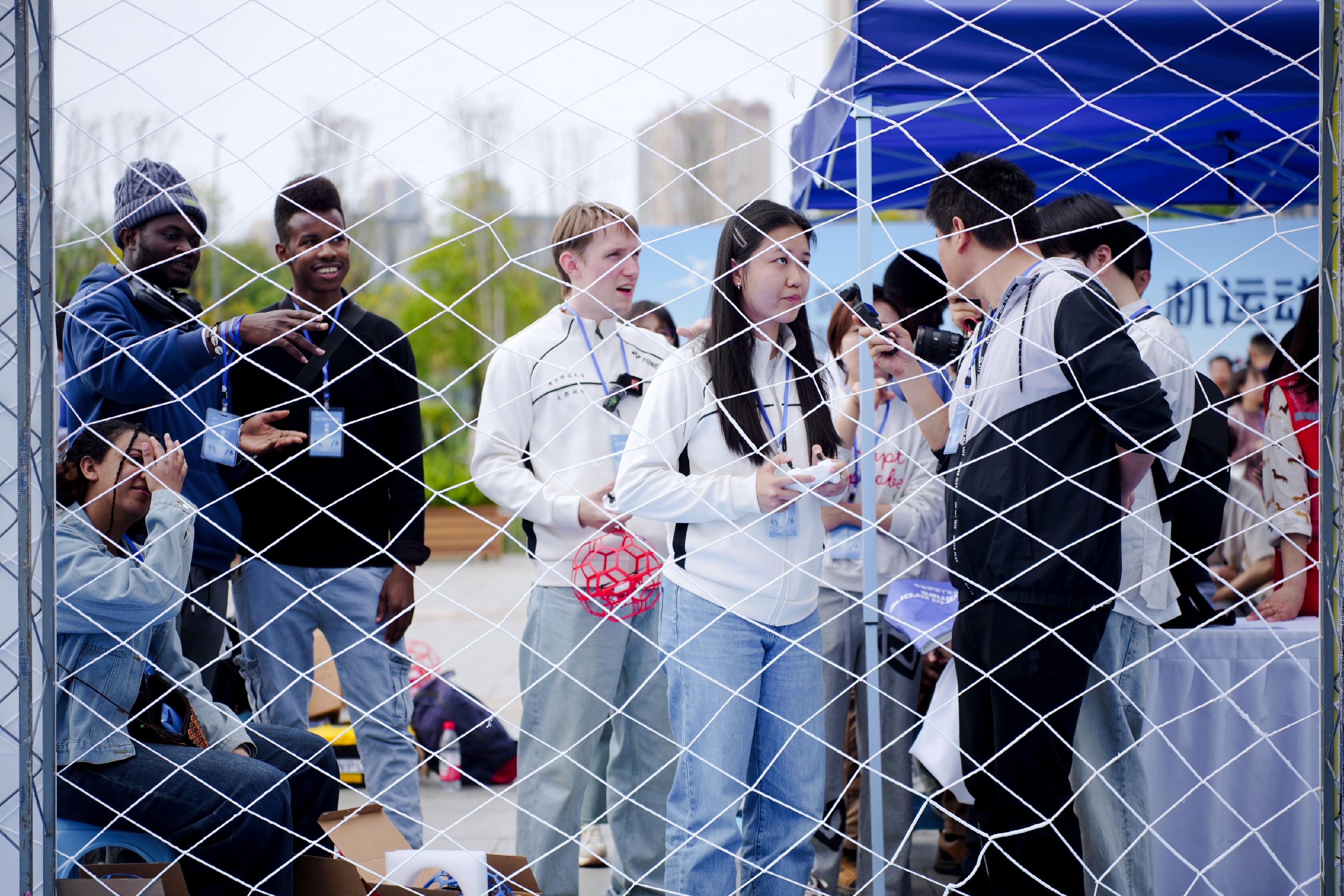
Chengdu High tech Zone is the core carrier area for the development of Chengdu's low altitude economy, focusing on two major directions: electric vertical takeoff and landing aircraft (eVTOL) and medium to large industrial drones. It has gathered 104 low altitude economic ecosystem enterprises such as Wofei Changkong, AVIC UAV, and Zongheng Co., Ltd. It has more than 70% of the city's chain leading enterprises, forming an industrial cluster with upstream and downstream coordination and supporting large, medium, and small enterprises. Data shows that by 2025, the output value and revenue scale of core enterprises in Chengdu High tech Zone's low altitude economy will reach 10 billion yuan, a year-on-year increase of 8.7%. The industrial scale will steadily expand, and the development resilience will continue to strengthen.
Standard guidance is the key to high-quality industrial development. In November 2025, the "Sichuan Chengdu High tech Zone Low altitude Aircraft Manufacturing Standardization Pilot Project" was successfully selected as a national standardization pilot project for 2025, marking the recognition of Chengdu's technological accumulation, process specifications, and quality system in the field of low altitude aircraft manufacturing at the national level. It is expected to transform local technological advantages into industry standard advantages and lead the standardized development of the national low altitude economy.
The three major elements of policy, talent, and platform work together to provide solid support for industrial development. At the policy level, Chengdu has introduced a special support policy for low altitude economy, providing comprehensive support in airspace management, infrastructure, scene opening, and financial support; Chengdu High tech Zone has released a three-year action plan for the industrial drone industry and a low altitude economic development plan, clarifying goals, paths, and support measures, forming a policy system of "city level coordination and district level implementation". At the talent level, research institutions such as the University of Electronic Science and Technology of China and Sichuan Unmanned Aerial Vehicle Institute provide source innovation and professional talent supply; Simultaneously setting up youth groups for the competition, carrying out racing, programming, and creative projects, building a complete talent system from interest enlightenment, professional training to industrial employment, and alleviating the shortage of industry talents. At the platform level, the competition venues, testing airspace, and application scenarios are continuously open and improved, reducing the costs of enterprise research and development, testing, and verification, and improving the overall efficiency of the industry.
From enterprise clustering to scale growth, from technology research and development to standard setting, from policy guarantee to talent support, Chengdu's low altitude economy has achieved a transformation from a single breakthrough to ecological formation, with an industrial foundation to undertake international events and participate in global competition, laying a solid foundation for large-scale and sustainable development.
Promoting Development through Competition: Low altitude Economy Becomes a New Engine for Urban Growth
Against the backdrop of the rise of low altitude economy as a national strategy and increasingly fierce regional competition, the World Drone Games is not only a sports event, but also an important lever for Chengdu to activate industrial momentum and enhance core competitiveness. Chengdu uses competition as a medium, promotes production and scenery, promotes technology transformation, industrial agglomeration, scene openness, and resource aggregation, promotes the coordination and mutual promotion of event hosting, urban upgrading, industrial development, and people's livelihood improvement, and truly makes the low altitude economy a new pillar and engine supporting the high-quality development of the city.
Promote technology through competition and accelerate the transformation of technological achievements. The competition provides an open communication platform for universities, research institutions, and enterprises, where teams from different countries, regions, and backgrounds learn from each other in flight control algorithms, system optimization, task strategies, and other areas, promoting rapid iteration of cutting-edge technologies. The international competition pattern breaks down regional and technological barriers, helps Chengdu's low altitude economy connect with global advanced technology and innovation resources, and enhances the level of industrial innovation.
Promote production through competition and strengthen industrial agglomeration effects. Chengdu leverages the influence of sports events to continuously attract upstream and downstream enterprises in the industry chain to settle and improve the supporting ecosystem. The leading role of the chain owner enterprise is highlighted: Wofei Changkong promotes the airworthiness certification of the AE200-100 model, seizing the commanding heights of the eVTOL industry; Zongheng Shares, AVIC Drones, and other companies are deeply involved in the industrial drone market, promoting product iteration and scene expansion; Core suppliers and supporting service providers are accelerating their aggregation, forming an industrial pattern of "chain leaders leading and collaborative development".At the same time, financial capital is deeply empowered, and special credit and investment and financing services are precisely matched with enterprise needs, helping to promote the scale and intensive development of industries.
Promote scenery through competition and expand urban application space. Chengdu has deeply integrated its event layout with urban space, with venues such as Xinchuan Heart, Huaizhou Airport, and Beihu Ecological Park successively hosting events, promoting the deep integration of low altitude technology with urban governance, emergency rescue, logistics distribution, cultural and tourism experiences, and other scenarios. In the future, Chengdu will continue to open up city level scenarios and release a list of scenario opportunities, providing a broad application market for drone technology, allowing drones to fly from the arena to various urban scenarios, serving economic development and improving people's livelihoods.
Looking at the whole country, the dividends of low altitude economic policies continue to be released, and the market space is rapidly expanding. Chengdu, relying on the pilot reform of low altitude airspace, complete industrial ecology, rich application scenarios, and strong innovation capabilities, occupies a favorable position in national competition. Unlike some cities that focus on cultural and tourism experiences and flight consumption, Chengdu adheres to the route of "manufacturing strong core and service value-added", focusing on the manufacturing of high-end equipment such as industrial drones and eVTOL, while simultaneously strengthening operational services, promoting the deep integration of low altitude economy and real economy, and forging a more sustainable and high-quality development path.
The competition is just the starting point, the industry is the end point. The landing of the World Drone Games in Chengdu is an important milestone in the development of the city's low altitude economy, and a crucial step towards becoming the "number one city for industrial drones in China and an important innovation pole for the global low altitude economy". With the continuous advancement of the competition, the continuous maturity of technology, the comprehensive opening of the scene, and the increasingly perfect ecology, Chengdu's low altitude economy will accelerate from industrial agglomeration to value release, and from a regional highland to a national benchmark. In the new era of deep integration between the digital economy and the real economy, the low altitude economy is becoming a strong new driving force for Chengdu's high-quality development, injecting a continuous stream of air power into the city's modernization construction.
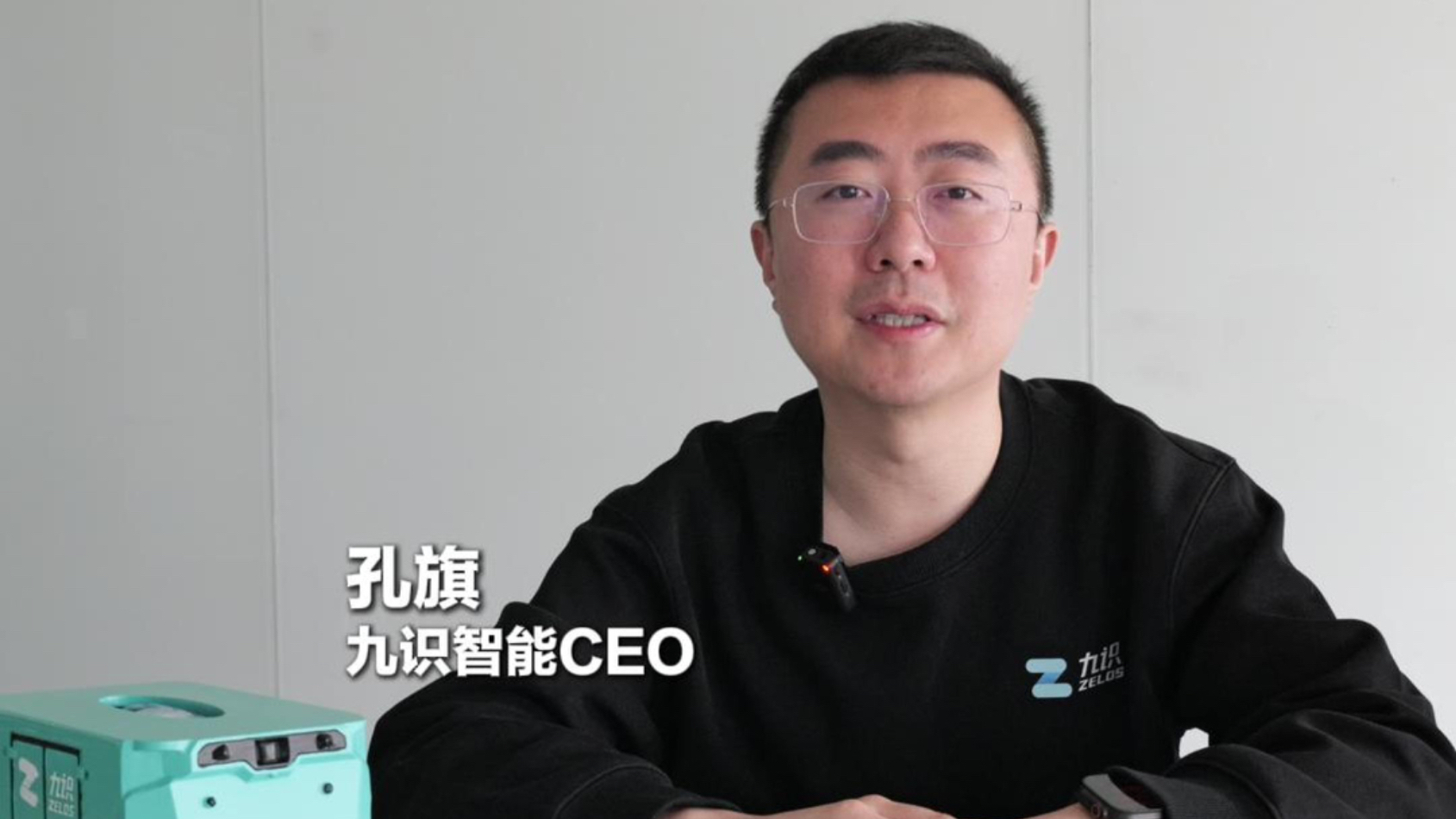
Jiushi Intelligent CEO Kong Qi: Jingguan has always adhered to its original intention with rationality and interpreted the future with depth

Founder and CEO of Black Sesame Intelligence: Witnessing the Growth and Transformation of China's Economy through Economic Observation
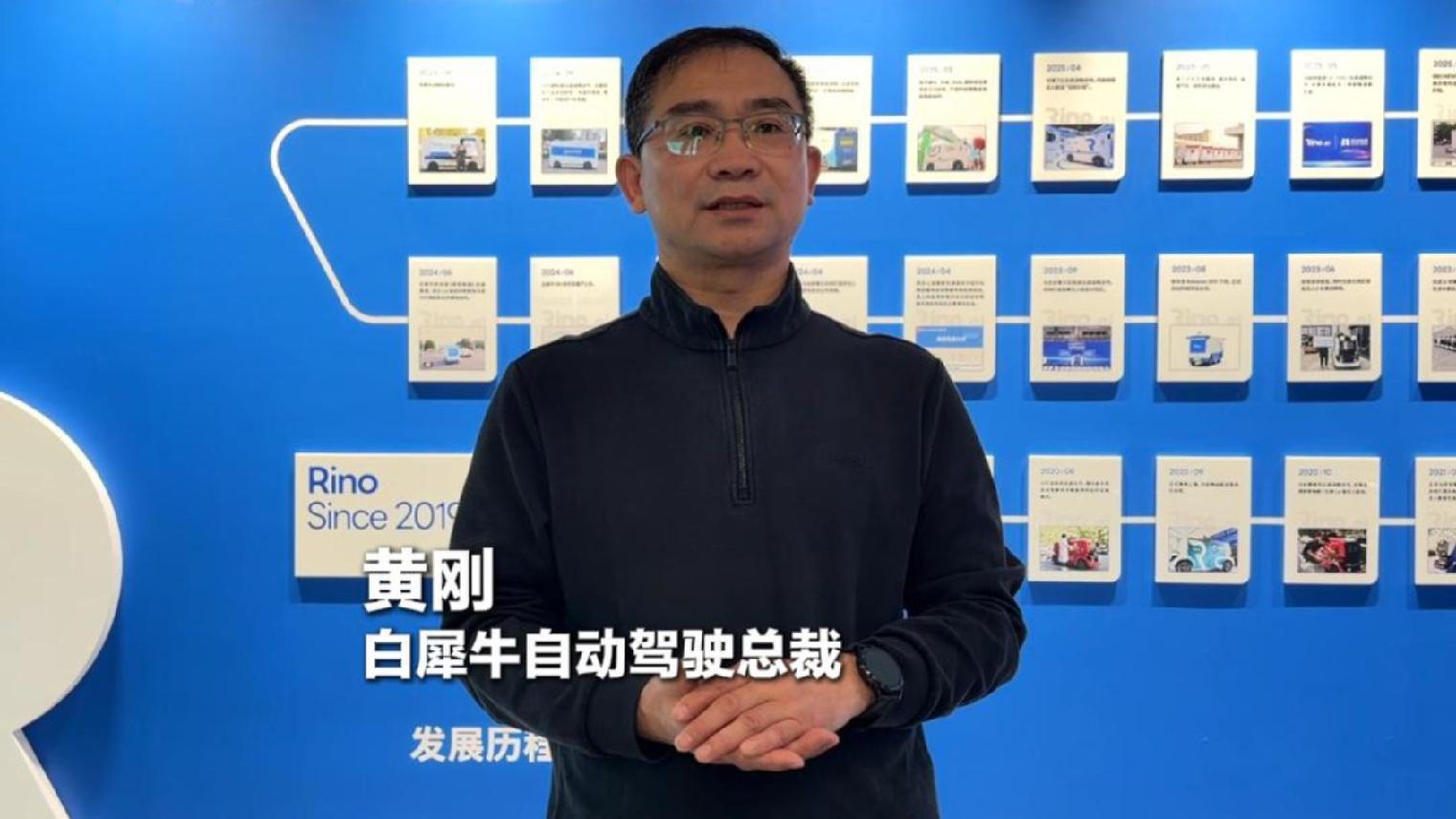
White Rhino Autonomous Driving CEO Huang Gang: Jingguan injects new imagination and vitality into the high-quality development of China's economy


 WeChat registration or login