2026-04-10 11:33


On April 10, 2026, the third issue of DeepTalk, a video interview column for in-depth investment research under the Chinese Academy of Sciences, went live. Focusing on "how to rewrite the profit equation of commercial aerospace when communications become space infrastructure?", this issue strongly invited Bu Zhiyong, a researcher of the Shanghai Institute of Microsystems and Information Technology of the Chinese Academy of Sciences and the founder of Shanghai Hanxun, Chen Guo, deputy director and chief strategic officer of the Oriental Wealth Securities Research Institute, to have an in-depth dialogue with Pan Zhongning, the director general manager of Huaxia Fund and the executive head of the International Investment Department. Three guests comprehensively analyzed the current development status and future opportunities of China's commercial aerospace industry from multiple dimensions such as technological development, industry gaps, commercial closed loops, and future applications, unveiling the mysterious veil of the space economy for investors and providing investment references that combine professional depth and forward-looking perspectives.
From Wenchuan disaster relief to global coverage, China's communication technology has achieved leapfrog development
The program takes the satellite communication rescue story of the 2008 Wenchuan earthquake as the starting point, and Bu Zhiyong reviews the earth shaking changes in China's communication technology over the past 18 years. At that time, satellite communication equipment was huge in size, directional transmission, limited in flow and severely affected by the weather. Today, China has not only built the world's most developed 4G/5G ground communication network, but also built satellite Internet in full swing. The new generation of satellite terminals has achieved Pad size and omnidirectional transmission, with a speed increase of a hundred times compared to before. The communication network that integrates air, space, and earth is becoming the core microcosm of China's new generation of information infrastructure.
Data shows that over 50% of the 8 million 5G base stations worldwide are located in China, but only 20% of the country's land area has achieved 4G/5G coverage. The vast forests, deserts, oceans, and border areas have become the core application scenarios for satellite communication. At the same time, with the acceleration of China's "going global" pace, the demand for independent communication along the the Belt and Road and in the marine field is becoming increasingly urgent. Satellite Internet has become a rigid demand to ensure national information security and support the development of globalization.
There is a significant gap between China and foreign countries, and the key lies in the space "homeland defense war" and cost reduction
When it comes to the gap between China's commercial aerospace and Musk's Starlink, Bu Zhiyong conducted a precise analysis from multiple dimensions. From a resource perspective, the orbit and frequency of low Earth orbit satellites belong to the limited resources of "first come, first served". Currently, Musk has launched about 10000 satellites, while the total number of satellites that can be accommodated in low Earth orbit is only about 60000. The "homeland defense war" in the space field is imminent.
In terms of technology and cost, the gap between China and Starlink is equally evident: in terms of launch vehicles, the domestic launch cost per kilogram is about 60000 to 70000 RMB, which is 3-4 times that of Starlink; On the satellite manufacturing side, the cost of domestic communication satellites is about 10-12 million RMB, while the cost of a single Starlink satellite is only about 4 million RMB; In terms of single star throughput, the domestic throughput is about 5GB, and the latest version of Starlink has reached 200GB, and laser link networking has been achieved. Overall, the cost of information transmission in China is 10-20 times higher than that of Starlink.
In response to cost reduction, Bu Zhiyong proposed the core idea of transforming ideological concepts, introducing industrial thinking in rocket and satellite manufacturing, replacing aerospace grade components with industrial grade components, finding a balance between success rate and cost, and giving the industry more room for trial and error; Promote large-scale manufacturing, optimize the entire chain from rocket research and development, launch site workstations to approval processes, first align launch costs with star chains, and then gradually explore new technologies such as recyclability. Chen Guo also stated that the capital market has a fault-tolerant expectation for strategic emerging industries such as commercial aerospace, and the key lies in whether enterprises can connect with commercialization logic, control costs, and achieve sustainable development.
Pan Zhongning believes that "fault tolerance" is the key to cost saving development in China's commercial aerospace industry. Reducing the ultimate success rate requirements in the aerospace field and improving the fault tolerance of society and capital markets can significantly reduce research and development manufacturing costs. Referring to Musk's commercialization ideas, technology can be more in line with the market. He said that China's commercial aerospace industry has become the second largest in the world with a fast pace of catching up and promising future development. At the same time, he pointed out that it is difficult for traditional linear thinking to predict the future needs of the space economy. The change of perspective from two-dimensional ground to three-dimensional space will lead to a huge potential market. It is expected that the satellite Internet era will produce giant enterprises like Tencent and ByteDance, whose value may far exceed that of traditional communication operators.
The three-stage development path is clear, and the commercial closed loop and ToC explosion have become the core focus
Bu Zhiyong divides the development of China's commercial aerospace into three clear stages: the 1.0 era before 2025, with the core being technological reserves and basic capacity building; Starting from 2026, we will enter the 2.0 era, with a focus on mass and large-scale construction, and fully explore commercial closed loops to achieve a positive cash flow cycle for constellation operations; In the future 3.0 era, the industry explosion will focus on the ToC end, finding a point of integration with ordinary people's lives, and giving birth to new consumer level application scenarios.
The guests unanimously agreed that the value of commercial aerospace is not limited to communication infrastructure and hardware manufacturing. Its true potential lies in the explosion of various innovative applications and services after the infrastructure is built. Bu Zhiyong pointed out that satellite Internet can not only realize global communication without dead corners, but also combine AI technology to build a four-dimensional physical world model from the perspective of space, achieve accurate prediction of natural disasters, agricultural production, meteorological changes, and bring disruptive changes to finance, insurance, agriculture, emergency rescue and other fields.At the same time, new application scenarios such as space energy transmission, space tourism, and immersive education will gradually be implemented with the development of technology.
From an investment perspective, Chen Guo analyzed that the long-term value core of commercial aerospace lies in the application side, rather than the infrastructure and hardware side. Referring to the development law of the Internet industry, the profit space of infrastructure providers is limited, and the application service providers based on infrastructure can often give birth to giant enterprises.
Pan Zhongning also stated that China has the dual advantages of space-based technology and AI technology, and the integration of the two will give birth to great enterprises. Commercial aerospace is a great industrial transformation worth laying out, which will bring huge opportunities to global investors in the future.
Space based+AI dual wheel drive, China's commercial aerospace welcomes golden development period
In the interview, guests emphasized that China's commercial aerospace industry is entering a rare golden period of development, with the core being the possession of two core capabilities: space-based technology and AI technology, which are advantages that most countries in the world do not possess. Bu Zhiyong stated that the deep integration of space-based space observation and data acquisition capabilities with AI's data analysis and prediction capabilities can open up a new perspective on human cognition and create countless unprecedented applications and services. This not only brings significant economic benefits, but also generates enormous social benefits.
In terms of global development, Bu Zhiyong proposed that space technology is a common crystallization of human scientific progress. China's commercial space exports should not be limited to "product exports", but should adopt a "teaching people how to fish" model to provide full process solutions for other countries, including technical cooperation, personnel training, factory construction, operation services, etc., to build a global commercial space ecosystem and enable Chinese technology to benefit the world.
Chen Guo concluded that investing in commercial aerospace is essentially investing in great industrial transformation. For investors, it is necessary to make bold assumptions with an open mind, carefully verify, pay attention to the industry's transformation trend from infrastructure to application, and grasp China's core advantages in the field of application innovation. Although China's commercial aerospace industry is still in its early stages of development, the future development space is comparable to the stars and the sea, and is expected to bring long-term and substantial returns to the capital market.
As another masterpiece of Huaxia Fund's "DeepTalk" program that continues to delve into cutting-edge tracks, this episode continues the program concept of "multi category, multi perspective, and long-term". Through in-depth collisions with professional guests, the underlying logic, development opportunities, and investment points of the commercial aerospace industry are clearly presented.In the future, Huaxia Fund's "DeepTalk" will continue to focus on market hotspots and cutting-edge tracks, bringing investors more professional and warm investment research content, helping investors seize opportunities for industrial transformation in complex markets, and achieve long-term asset appreciation through cycles.
Risk Statement
This information is for reference only and does not constitute any legal document. All information or opinions expressed in this information do not constitute final operational advice for investment, legal, accounting, or taxation. Our company does not guarantee any final operational advice based on the content of this information. Under no circumstances shall the company be liable for any losses incurred by anyone due to the use of any content in this material. The above content does not constitute recommendations for individual stocks and funds. The past performance and net asset value of a fund do not predict its future performance, and the performance of other funds managed by the fund manager does not constitute a guarantee of the performance of this fund. The manager does not guarantee profitability or minimum returns. Investors should fully understand the differences between regular fixed investment of funds and savings methods such as lump sum deposits and withdrawals. Regular fixed investment is a simple and feasible investment method that guides investors to make long-term investments and average investment costs. However, regular fixed investment cannot avoid the inherent risks of fund investment, cannot guarantee investors' returns, and is not an equivalent financial management method to replace savings. There are risks in the market, and caution should be exercised when entering the market.
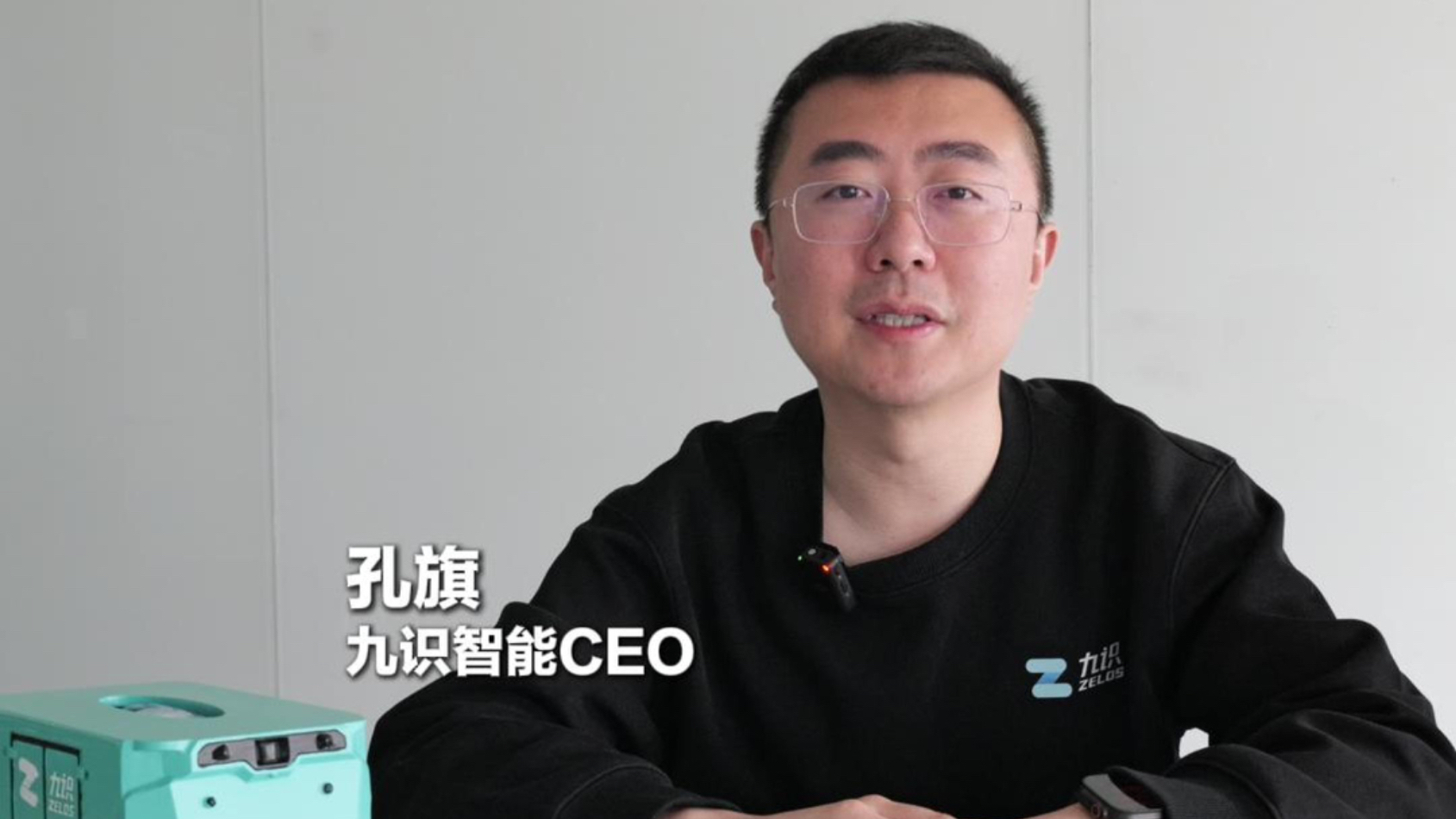
Jiushi Intelligent CEO Kong Qi: Jingguan has always adhered to its original intention with rationality and interpreted the future with depth
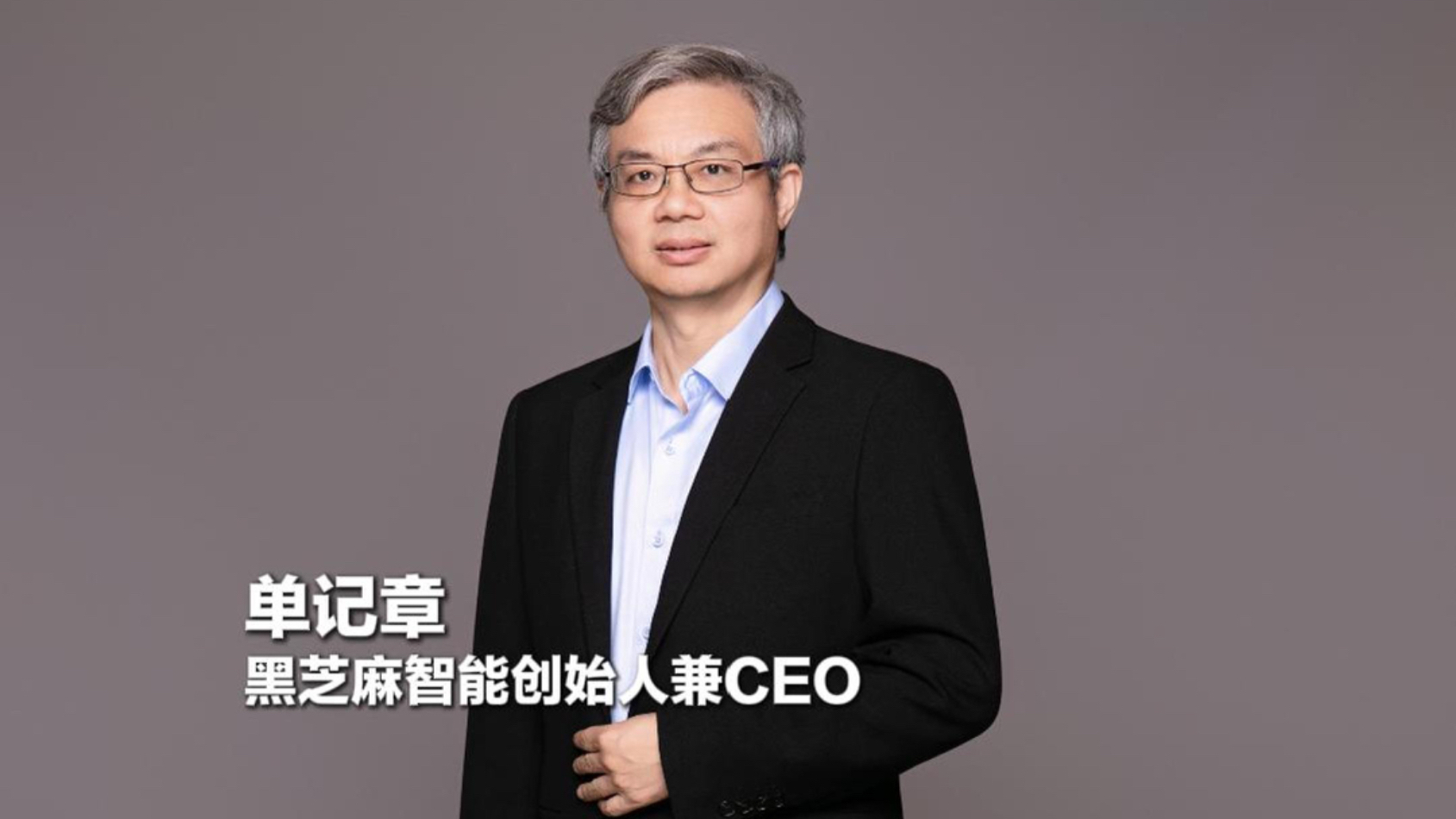
Founder and CEO of Black Sesame Intelligence: Witnessing the Growth and Transformation of China's Economy through Economic Observation
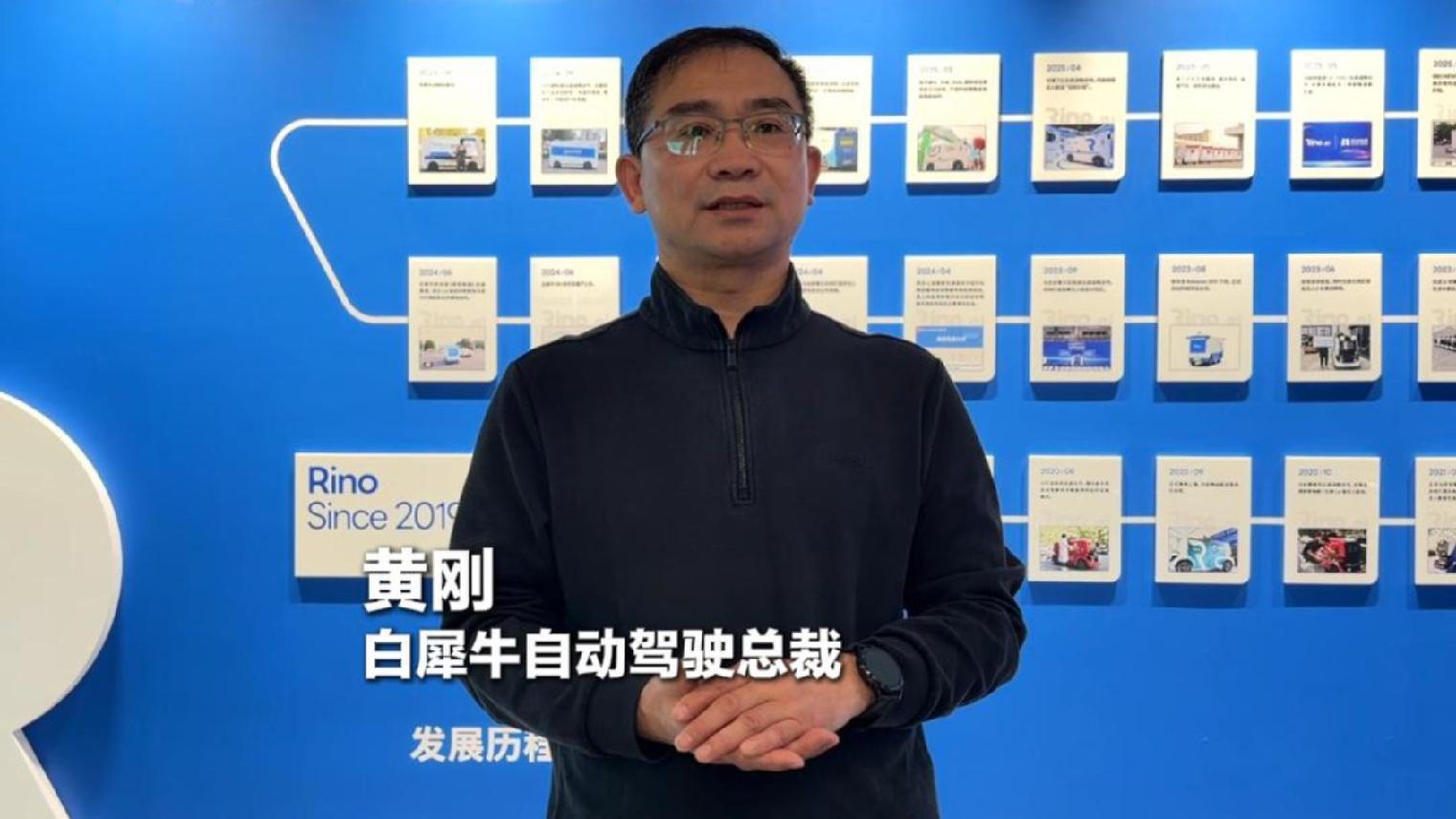
White Rhino Autonomous Driving CEO Huang Gang: Jingguan injects new imagination and vitality into the high-quality development of China's economy


 WeChat registration or login