2026-04-09 16:17



In the wave of capital replenishment in the banking industry, Hubei Bank has injected strong momentum into the stable development of regional finance through a deep gathering of local state-owned assets as a "blood replenishing" action.
At the beginning of 2026, Hubei Bank successfully completed a capital increase and share expansion of 7.6 billion yuan, with 35 state-owned shareholders joining hands to raise the core tier one capital adequacy ratio to a safe level, laying a solid foundation for strategic goals. At the same time, in the face of the recent 2.49 million yuan regulatory fine, Hubei Bank is taking the opportunity of rectification to comprehensively promote refined management and transform external supervision into internal control improvement momentum.
This Hubei provincial city commercial bank is steadily advancing on the path of high-quality development through a dual wheel drive of capital supplementation and compliance rectification.
Capital increase and share expansion: Local state-owned assets are deeply concentrated, and the capital strength has substantially increased
The timing of this capital increase is strategically considered. At the end of the third quarter of 2025, the core tier one capital adequacy ratio of Hubei Bank was 7.74%, approaching the regulatory red line of 7.5%. Against the backdrop of narrowing net interest margins and limited ability to replenish endogenous capital, directly supplementing core tier one capital through capital increase and share expansion has become a common choice for regional small and medium-sized banks.
After the completion of this round of capital increase, the core tier one capital adequacy ratio of Hubei Bank has rebounded to 8.96%, the tier one capital adequacy ratio has reached 10.47%, and the overall capital adequacy ratio has risen to 12.62%, significantly increasing the capital safety margin. At the same time, the increase in capital has released greater operational space for the disposal of non-performing assets and the reduction of risk assets in banks, which helps to resolve existing credit risks and steadily optimize asset quality.
More noteworthy is the optimization and upgrading of equity structure. After this capital increase, the total proportion of Hubei Bank's national shares and state-owned legal person shares has increased from 81.21% at the end of 2024 to over 84%, forming a shareholder pattern dominated by state-owned assets and diversified participation. This equity restructuring not only brings about the enrichment of capital, but also builds a shareholder network covering the whole province, forming implicit credit endorsement and regional resource synergy effects, which helps to stabilize the source of liabilities and obtain support in obtaining high-quality government projects, resolving non-performing assets, and other aspects.
It is particularly crucial that the simultaneous investment of tertiary state-owned assets not only optimizes the equity structure, but also significantly improves the efficiency of corporate governance. This private placement introduces a three-level state-owned asset platform in Hubei Province, cities, and counties, forming a "grid collaboration" pattern with clear rights and responsibilities and coordinated pace, which is conducive to integrating regional resources and improving operational decision-making efficiency. State owned shareholders have a long-term investment perspective and a stable willingness to hold shares, which can reduce short-term speculative behavior and provide a stable equity foundation for the implementation of bank strategies.
Improving quality and efficiency: optimizing business structure and steadily enhancing operational capabilities
The consolidation of capital strength has further laid the foundation for Hubei Bank to improve quality and efficiency. From the perspective of business data, Hubei Bank has maintained a steady growth trend in recent years, with synchronous improvement in asset size and operational capabilities, and continuous optimization of business structure.
In terms of asset size, the data disclosed in the targeted issuance report shows that as of the end of 2025, the total assets of Hubei Bank amounted to 621.5 billion yuan, an increase of 98.4 billion yuan or 19% compared to the beginning of the year. This growth rate is at a relatively high level among city commercial banks.
In terms of profitability, according to the disclosed operating data for the first three quarters of 2025, Hubei Bank achieved a net profit of 2.411 billion yuan, a year-on-year increase of 15.41%. This growth rate is not only higher than the average level of the banking industry, but also demonstrates strong endogenous growth momentum, reflecting the operational resilience of regional leading city commercial banks.
Asset quality management is the core link in improving quality and efficiency. As of the end of September 2025, the non-performing loan ratio of Hubei Bank was 1.85%, a decrease of 0.10 percentage points from the end of 2024. The capital supplement brought about by this capital increase provides greater space for resolving non-performing assets and optimizing asset quality. At the same time, the bank's loan provision coverage ratio remains sufficient, and its risk offsetting ability continues to strengthen.
Behind the data, it reflects that Hubei Bank is accelerating the transformation of its business structure. At the same time as the rapid growth of deposits and loans, the growth rate structure is better than the provincial average, indicating that the bank's efforts in key areas such as inclusive finance, technology finance, and green finance have been effective. As the only provincial state-owned holding city commercial bank in Hubei Province, Hubei Bank has deeply integrated into local economic development, transforming regional resource advantages into business development momentum.
Steady operation: Taking rectification as an opportunity, comprehensive "physical examination" promotes management improvement
While continuously optimizing its equity structure, capital structure, and asset quality, "compliant operation and steady development" has always been the management philosophy upheld by Hubei Bank. In March 2026, the administrative penalty decision announced by the Hubei Branch of the People's Bank of China showed that Hubei Bank was warned and fined 2.499 million yuan for illegal activities, which immediately attracted attention from the industry.
In the context of strong regulation in the banking industry from 2025 to 2026, regulatory penalties will continue to increase, and fines of tens of millions of yuan have become the norm. The punishment amount of 2.49 million yuan for Hubei Bank is relatively low in the industry, "commented a financial industry insider.
According to publicly available information, banking institutions (including branches) nationwide received a total of 1675 regulatory penalties (including institutions and individuals) in the first quarter, with a total amount of 602.5 million yuan confiscated. From the perspective of punishment intensity, since last year, many banks, including state-owned large banks, joint-stock banks, and city commercial banks, have been fined over 10 million yuan for violations.
Regulatory penalties are not only a 'comprehensive physical examination' of the bank's own management level, but also a positive guidance for the stable development of the bank, "said the relevant person in charge of Hubei Bank." Hubei Bank will comply with national financial laws and regulations, resolutely implement the work requirements of regulatory departments, strictly abide by the bottom line of risk prevention, and comprehensively improve its internal control management level
It is understood that Hubei Bank has rectified all the issues identified during the People's Bank of China's inspection in accordance with regulatory requirements. Taking this as an opportunity, the bank has launched a comprehensive restructuring of its institutional system, with over 600 new and revised systems added or revised in recent years, and 819 currently effective systems. In terms of risk prevention and control, Hubei Bank has improved the prevention and control of key risk points, the performance of risk managers, and established a "trinity" risk transmission and implementation mechanism of "preference+limit+implementation plan", and formulated 989 management requirements for key risk points. At the same time, the bank further strengthens the "three lines of defense" of business management, risk compliance, and audit supervision, strengthens risk management across all categories, and effectively transforms problem rectification into a strong driving force for high-quality development.
The implementation of a capital increase and share expansion of 7.6 billion yuan has completed a crucial "blood supplement" for Hubei Bank to sprint towards its strategic goals and achieve its listing vision; At the same time, taking this as an opportunity, Hubei Bank is synchronously promoting the upgrading of its internal control and compliance system and the improvement of its refined management capabilities, completing the "physical examination" of the system - transforming capital replenishment and management enhancement into a sustainable driving force for high-quality development. As the largest city commercial bank in Hubei Province, this capital increase is not only an important milestone in the bank's development history, but also provides useful reference for regional small and medium-sized banks to supplement their capital. Under the dual drive of "blood supplementation" and "physical examination", Hubei Bank is contributing financial strength to the high-quality development of Hubei's economy and society with a more solid capital foundation, optimized business structure, and more stable operating style.
(Written by Wan Min, Cheng Jiulong, Huang Cheng)
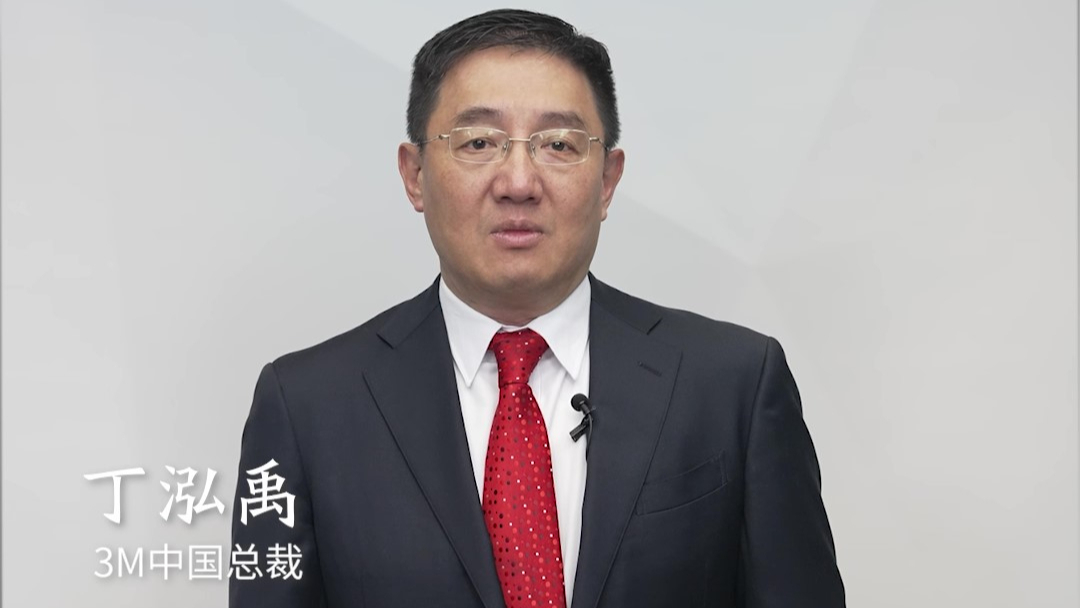
3M China President Ding Hongyu: 25 years on the same frequency as the times
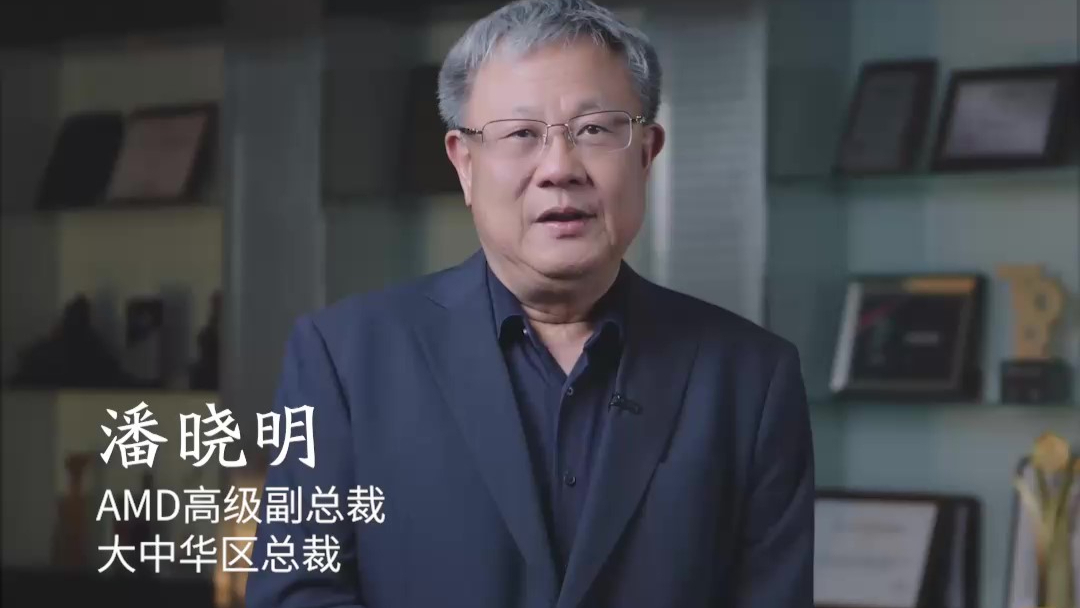
AMD Senior Vice President and President of Greater China, Pan Xiaoming: Keenly Capturing the Pulse of China's Economic Development
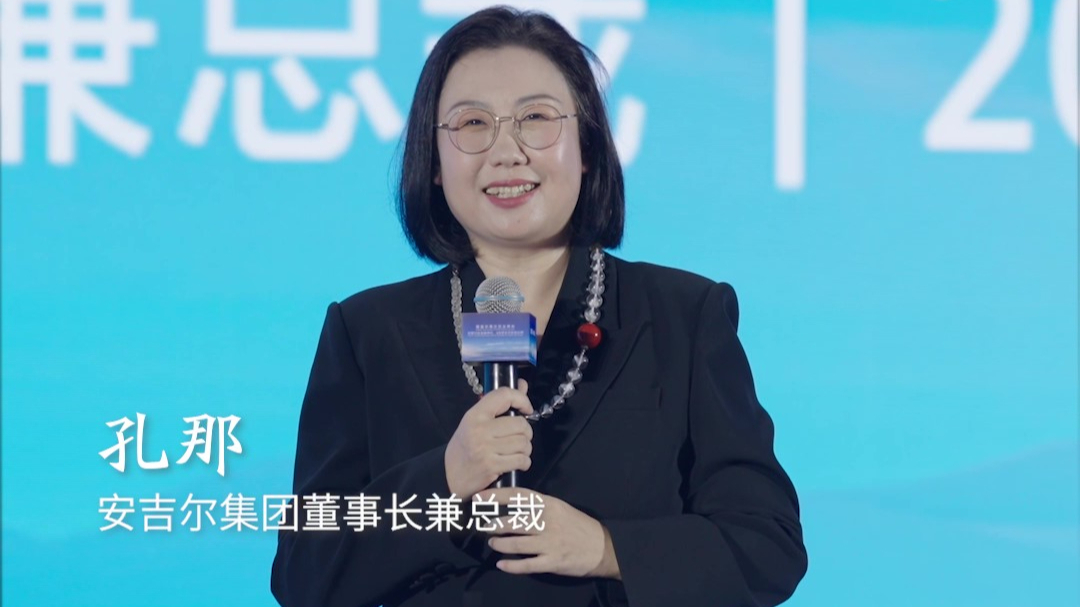
Kong Na, Chairman and President of Angel Group: Supporting the Upgrading of the Real Economy to a Brand Economy


 WeChat registration or login