2026-04-09 15:43


Recently, Gu Ming's creative coffee called "Vanilla Seed Vienna" has attracted attention on social media.
Many consumers have mentioned in their reviews that it has a "richer taste" and a more pronounced milk aroma, while others have described it as having a richer flavor profile: the entrance is filled with vanilla and caramel notes, and the coffee flavor gradually releases after stirring, giving the overall experience a more layered feel.
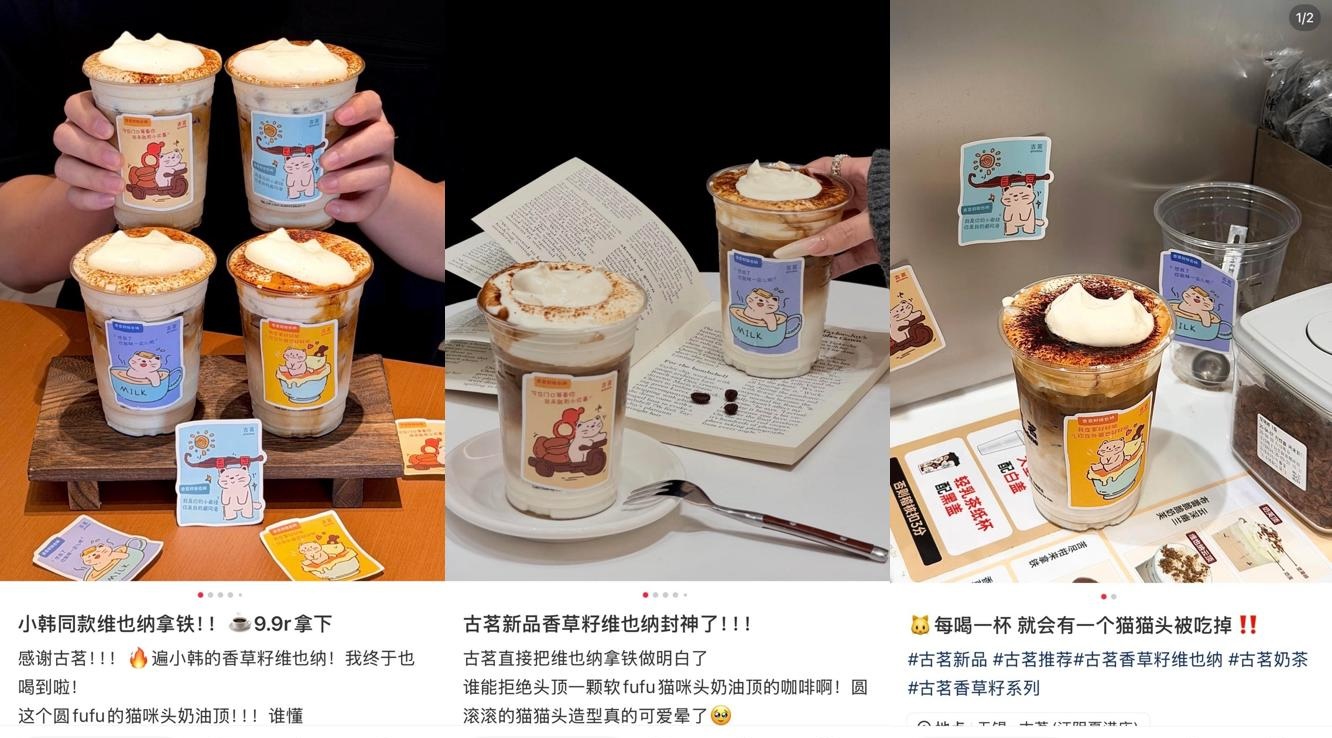
From user feedback, this type of evaluation does not focus on a specific flavor, but more on improving the overall experience - smooth, full-bodied, and stable. For a product with a milk cap as an important structure, this change often means an adjustment of the "base layer" rather than a simple flavor overlay.
This has also led to a shift in the discussion of this product from 'whether it tastes good or not' to 'why it tastes better'.
The industry is all adding up, and some people are starting to turn back and lay the foundation
Since the popularity of cheese milk tea around 2017, this form of milk tea has developed for nearly a decade. After experiencing a period of silence, this category has once again heated up in the past two years.
From the perspective of industry actions, milk caps are once again becoming one of the new important directions for brands. At the same time, the competitive path also presents obvious characteristics: most innovations are still focused on "flavor overlay".
Whether adding matcha, berries, or adding floral, nutty, or even herbal elements, the brand attempts to bring freshness and differentiation through more complex taste combinations.
But this logic is also gradually approaching the boundary.
For consumers, changes in flavor are certainly important, but what truly determines repeat purchases is often the underlying experience - whether it is smooth, light, stable, and drinkable. These factors may not always be clearly expressed, but they can form intuitive judgments through repeated consumption.
In other words, as the flavor becomes increasingly "rich", the basic experience is actually more likely to become the key to widening the gap. In this context, some brands are starting to refocus on the milk cap itself.
From a single product to the redesign of 'underlying capabilities'
Taking the "Vienna Cloud Top" launched by Guming as an example, its upgrade did not stop at a single product, but gradually expanded to multiple core SKUs.
From the perspective of the store, multiple product lines, including coffee and tea drinks, have already started using this new milk cap. This means that it is more like a systematically reusable capability rather than a short-term explosive.
This change, to some extent, reflects a shift in current industry competition: from competing around "single product bestsellers" to gradually extending to the construction of "basic capabilities".
When a link can be reused in multiple products, its value is also amplified.
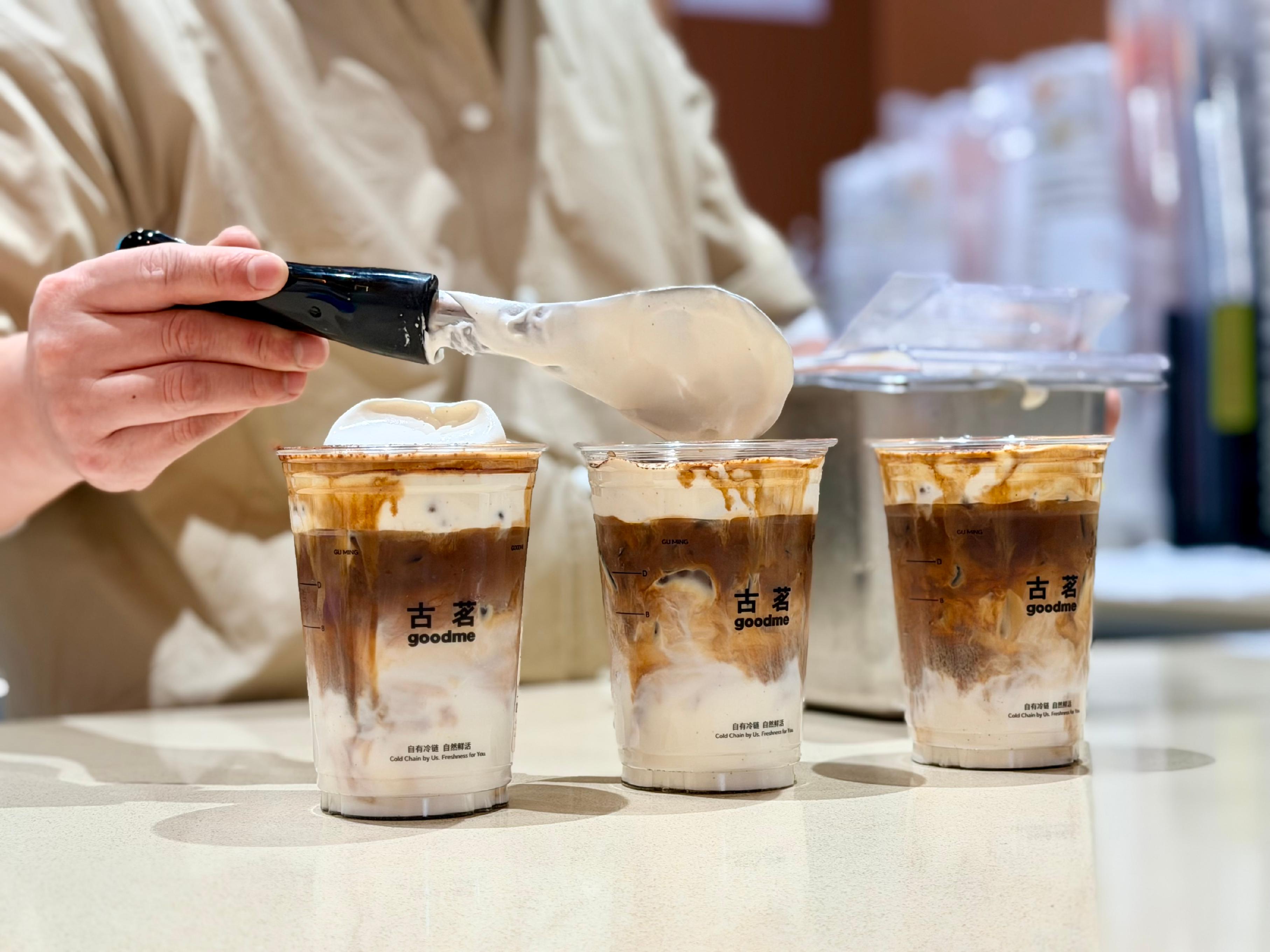
Triple investment behind a layer of milk cap
If we break down this upgrade, we can see that it mainly focuses on three dimensions:
Firstly, at the level of raw materials.
Using freshly whipped animal cream and increasing the proportion of milk fat to enhance the overall richness and natural flavor. At the same time, this also means higher requirements for cold chain transportation and store storage.
In contrast, some common alternative ingredients, although more stable and cost-effective, have differences in flavor and taste performance. Choosing the former is itself a trade-off.
Secondly, there is the source of flavor.
In terms of flavor, the milk cover uses Madagascar vanilla seeds, which are directly taken from natural vanilla pods, and the unusual essence or vanilla powder.
In the baking and dessert industry, these types of ingredients are often seen as higher quality choices and are more common in boutique dessert scenes. When combined with animal cream, its flavor is more natural and the layers are relatively rich.
Thirdly, it is about craftsmanship and standardization.
By extending the passing time, increasing the degree of passing, and uniformly calibrating the equipment, the density and stability of the milk cap can be improved, while reducing the differences in production between different stores.
The difficulty of this stage lies in the higher the pursuit of delicacy and stability, the higher the requirements for operational accuracy and equipment consistency.
It is reported that the development cycle of this product exceeds one year. From the perspective of overall investment, such adjustments are closer to "capacity building" rather than short-term optimization that prioritizes efficiency.
From 'perceived differences' to' standard changes'
A noteworthy phenomenon is that when some brands continue to invest in the foundation layer, consumers' judgment standards will also be quietly raised.
This kind of change often does not occur through clear comparison, but gradually forms through multiple consumption. For example, when users become accustomed to a certain smoothness or alcohol thickness, their expectations for similar products will also increase accordingly.
In this situation, even if the differences cannot be described in professional language, consumers can still make judgments through intuitive feelings - whether it is smoother to drink, more durable to drink, and closer to the "ideal state".
This also means that some previously unseen investments are gradually transforming into new competitive barriers.
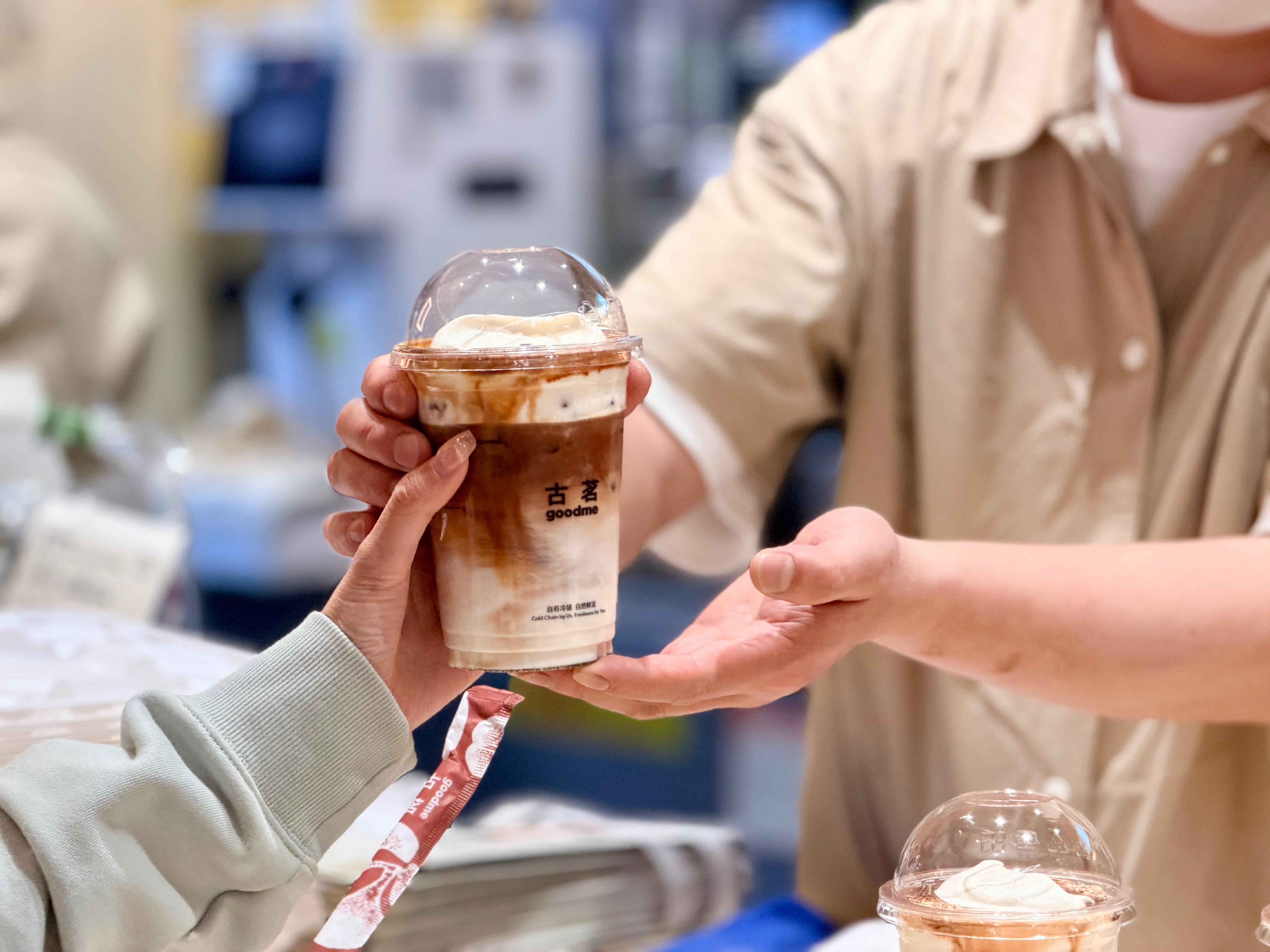
From flavor innovation to basic capability upgrading, the competitive logic of the milk cap sub category is undergoing changes.
As more and more brands return to the product itself, investing in texture, stability, and raw materials, the meaning of a layer of milk cover shifts from "embellishment" to "core structure".
In this process, what truly widens the gap may not only be creativity, but also the "fundamental skills" that are harder to see but continue to affect the experience.
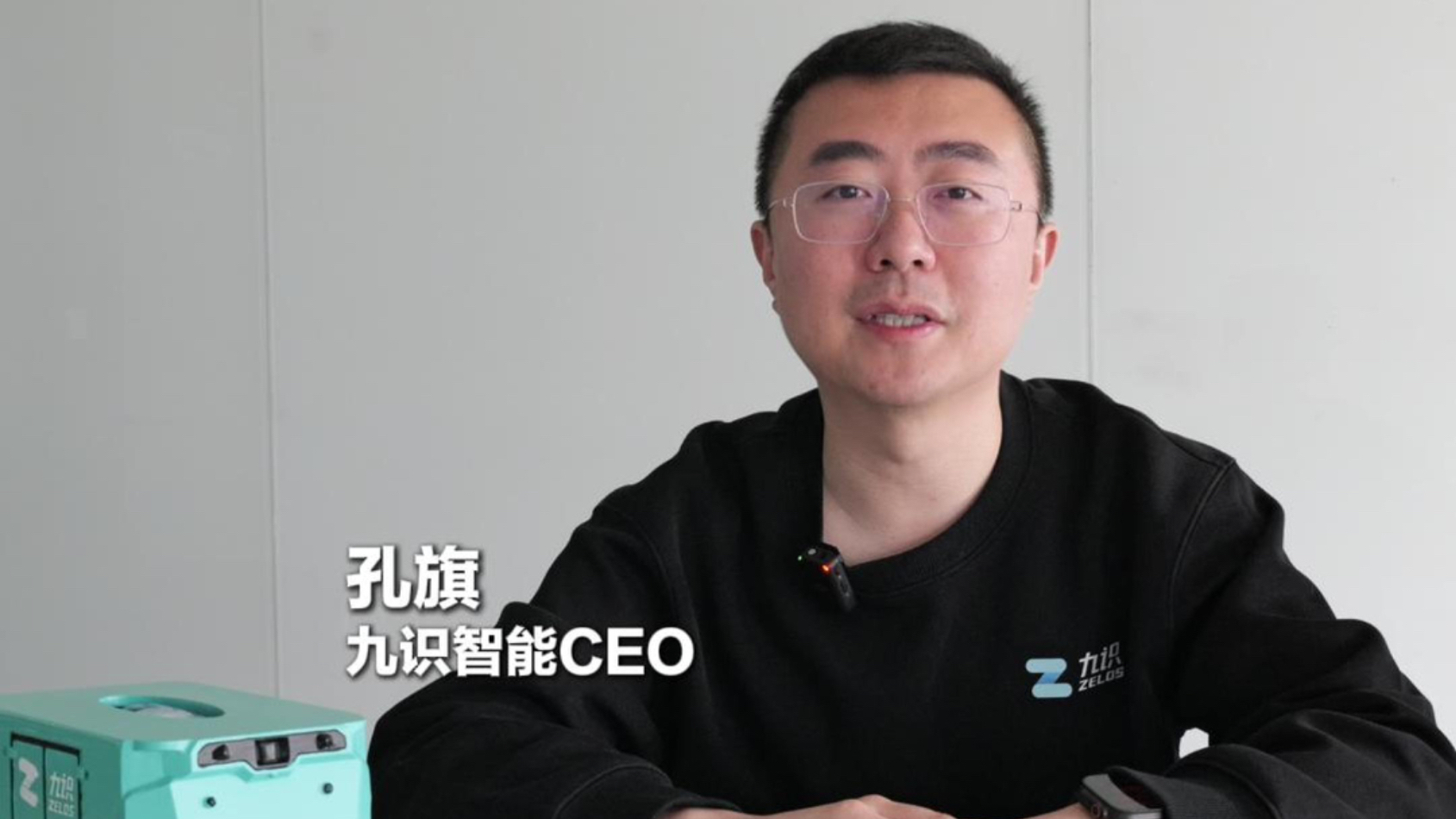
Jiushi Intelligent CEO Kong Qi: Jingguan has always adhered to its original intention with rationality and interpreted the future with depth

Founder and CEO of Black Sesame Intelligence: Witnessing the Growth and Transformation of China's Economy through Economic Observation
White Rhino Autonomous Driving CEO Huang Gang: Jingguan injects new imagination and vitality into the high-quality development of China's economy


 WeChat registration or login