

Economic Observer Follow
2026-04-05 10:45



Li Yue didn't expect to "win".
The so-called 'winning prize' refers to a bank wealth management product she recently subscribed to, which was declared a failure in issuance due to the fundraising amount not meeting the minimum fundraising requirement of 50 million yuan. She, who has 5 years of experience in financial management, encountered the failure of financial product issuance for the first time.
Li Yue, who works as a wealth management manager at a Shanghai branch of a city commercial bank, also found that some bank wealth management products have been widely "neglected" by investors recently.
Li Yue and Xie Ming found that the difficulty for banks to sell is the newly issued fixed income closed-end wealth management products.
According to incomplete statistics from Wind, the number of failed bank wealth management product issuances has significantly increased since the beginning of this year. Since 2026 until the end of March, over 42 fixed income wealth management products have declared issuance failures due to not reaching the minimum fundraising scale, a significant increase compared to the same period in 2025 (3), 2024 (7), and 2023 (9). Among them, over 60% of the products belong to fixed income closed-end wealth management products.
Among them, Huaxia Wealth Management has issued a total of 15 announcements stating that newly issued wealth management products are not valid, including 9 fixed income closed-end wealth management products and another pure bond wealth management product with a minimum holding period of 90 days.
In addition, bank wealth management subsidiaries such as CMB Wealth Management, CCB Wealth Management, Everbright Wealth Management, Guangyin Wealth Management, and Boyin Wealth Management have also announced that their wealth management products are not established.
Why has the popular fixed income closed-end wealth management product, which has always been popular among investors, suddenly lost its appeal in the trend of deposits moving towards wealth management?
Investors' taste has changed
In Xie Ming's impression, fixed income closed-end wealth management products have always been popular due to their higher expected returns.
According to data released by Puyi Standard, in February of this year, 2018 new wealth management products were launched in the entire market, of which 397 were open-ended products, with an average performance benchmark of 1.85%; 1621 is a closed product with an average performance benchmark of 2.35%.
The reason behind this is that fixed income closed-end wealth management products have a longer capital lock up period, allowing investment teams to purchase medium - and long-term fixed income investment products with higher returns, thereby increasing the overall returns of the product. Therefore, investors once flocked to such products.
However, since February this year, when Xie Ming recommended fixed income wealth management products with risk ratings of R1-R2 and a closed period exceeding 3 months to investors, the response he received was mostly "whether there are open-ended fixed income+wealth management products that can quickly redeem funds to choose from".
At first, he thought it was the decline in returns of fixed income closed-end wealth management products, which weakened the attractiveness of the products.
According to data from Puyi Standard, as of the end of February, the average annualized yield of fixed income closed-end wealth management products in existence in the entire market over the past month was 3.03%, a decrease of 0.29 percentage points compared to the previous month; The average annualized return rate over the past three months is 2.74%, a decrease of 0.07 percentage points compared to the previous period.
Xie Ming soon discovered that even though the performance benchmark of some fixed income closed-end wealth management products was only 1.9%, it was still over 60 basis points higher than the one-year deposit interest rate. Based on past work experience, he believes that deposit funds will still flow into such products.
Li Yuezhi also saw that the performance benchmark of the product she subscribed to was about 65 basis points higher than the one-year deposit interest rate, and believed that the smooth issuance of this product was "not a problem". But reality is quite embarrassing.
Through communication with multiple investors, Xie Ming discovered that a long neglected factor is rapidly affecting investors' financial decisions - under the resonance of factors such as the ongoing escalation of the US Israel Iraq war, the shadow cast on global economic development, and the increasing volatility of various assets in the financial market, more and more investors are unwilling to lock their funds in financial products for 3-6 months for the continuously declining financial returns.
Several investors admitted to Xie Ming that in order to flexibly manage their funds, they are more inclined to subscribe to open-ended wealth management products: once the international geopolitical risks cool down and the Chinese stock market rebounds, they can quickly redeem the products and invest their funds in the stock market. Even for newly issued fixed income closed-end wealth management products with performance benchmarks higher than 2.2%, they can accept a minimum holding period of 30 to 45 days.
This made Xie Ming realize that the increasing number of failed issuance cases of fixed income closed-end wealth management products was due to structural changes in the flow of wealth management funds - investors began to balance wealth management returns and liquidity.
Zhou Yiqin, founder of Guantiao Consulting, stated that when fixed income closed-end wealth management products fail to meet market demand and the latest preferences of residents in terms of product design, there will be a decrease in market recognition and inadequate fundraising.
Reporters have learned from multiple sources that there has been a significant increase in cases of failed issuance of wealth management products, which is closely related to the market-oriented transformation of the wealth management product distribution ecosystem.
In the past, the successful issuance of new products by bank wealth management subsidiaries relied mainly on the strong support of the parent bank, which provided a relatively guaranteed fundraising success rate for the products. With the continuous expansion of product distribution channels, the business assessment of bank distribution channels is becoming increasingly market-oriented. Whether it is the parent bank of a wealth management subsidiary or other bank distribution channels, they are now willing to tilt more product sales resources towards wealth management products with good historical performance and highly adapted to residents' investment preferences. By comparison, newly issued wealth management products with continuously lowered performance benchmarks and longer capital lock up periods are more likely to be "relegated to the cold palace" and have an increased probability of issuance failure.
Zhou Yiqin bluntly stated that, given that the operation of bank wealth management products requires banks to invest in investment research, operation, risk control, and other aspects, if the actual fundraising amount of newly issued wealth management products is significantly lower than the scale required to maintain product operation, it cannot be ruled out that the wealth management subsidiary will proactively declare the product not established to avoid operational losses.
The aftermath of earnings ranking
Lv Feng has another insight into the frequent failures of fixed income closed-end wealth management products.
As the business manager of the product department of a joint-stock wealth management subsidiary, he has long been responsible for the creation and issuance of closed-end wealth management products. In fact, there has always been an unknown secret to the issuance of closed-end wealth management products, "he told reporters. The so-called secret is that in the early stages of the issuance of wealth management products, wealth management subsidiaries or distribution channels will seek large customers (high net worth individuals, enterprises or investment institutions) to subscribe to a higher proportion of the fundraising amount to ensure the smooth issuance of such products.
As a "return", the wealth management subsidiary will inject high-yield assets during the closed operation period of the wealth management product, significantly improving the overall return of the product and ranking among the top of the wealth management product income list, which is commonly known as "wealth management product income ranking" in the industry.
Once the lockdown period ends, these large client funds will choose an opportunity to exit and obtain higher returns. This type of product can also attract a large number of investors to subscribe and achieve continuous expansion of the product's fund management scale through the "earnings ranking" effect. In the past, this operation has been proven to be successful, "said Lv Feng. However, since this year, with the strengthening of regulatory supervision on the listing of new wealth management products, this gray operation has become increasingly difficult.
Since February, he has successfully issued three fixed income closed-end wealth management products (with a closed-end period of 6 months each) and searched for funds from major clients everywhere, but all of them were rejected. These major clients generally believe that after the strict supervision of the listing behavior of newly issued wealth management products, it is difficult for them to obtain an annualized return of over 8% during the closed period of product operation, so they are unwilling to participate in it again.
So, Lv Feng sought help from the bank's corporate business department to identify large enterprises with cash management needs to "invest" in these products. But he found that large enterprises require the annualized actual return rate of fixed income closed-end wealth management products to exceed 2.6%, but the performance comparison benchmark of these three newly launched products is between 2.2% and 2.4%. To fill the 20-40 basis point yield gap, the product investment team needs to readjust the fund allocation strategy, such as increasing the investment proportion of alternative assets such as REITs (Real Estate Investment Trusts) by an additional 10 percentage points. This means that the investment terms of the product need to be readjusted and publicized. At present, these three products are still in the fundraising stage.Two of these products have not yet found major customer funds to subscribe, which poses a high risk of issuance failure. ?Lv Feng candidly admitted.
Xie Ming found that the decline in market interest rates has led to frequent adjustments in the performance benchmark of fixed income wealth management products, which has also had a significant negative impact on the participation of large customers in subscribing to newly issued fixed income closed-end wealth management products.
In the past two years, he has prioritized recommending information related to newly issued fixed income closed-end wealth management products to "big clients" at bank branches (including high net worth clients and corporate finance directors responsible for cash management). Given that the annualized yield of such wealth management products has reached 2.8% -3% in the past, some large clients will actively subscribe and invest in millions of yuan.
Since the beginning of this year, due to multiple benchmark reductions in the performance of such wealth management products sold by bank branches, which are generally below 2.5%, these large clients are no longer interested in the same series of newly issued wealth management products and have instead invested their funds in hybrid public funds or bond private equity fund products with annualized returns still reaching around 3%.
Solution to break the deadlock
In order to reduce the risk of failure in the issuance of fixed income closed-end wealth management products, Lv Feng is looking for countermeasures.
Since March, the product department of his wealth management subsidiary has held multiple meetings, striving to identify various reasons for the increasing number of failed issuance cases of such wealth management products and develop targeted remedial measures.
At present, the product department has seen an increase in cases of failed issuance of such products, attributed to the high degree of homogenization of related wealth management products, resulting in a serious mismatch between supply and demand, and a significant gap in the adaptability of products to customer needs.
Dong Ximiao, Deputy Director of Shanghai Finance and Development Laboratory, believes that severe product homogenization and supply-demand mismatch are important reasons for the increased difficulty of fundraising for wealth management products since the beginning of this year. Especially in the environment of low interest rates and asset shortages, the profit space of fixed income products is compressed, and the benchmark performance is generally below 2%, which greatly weakens investors' willingness to subscribe and leads to an increase in the failure of newly issued fixed income wealth management products.
In terms of investment scope, the fixed income closed-end wealth management products currently issued by various wealth management subsidiaries mostly focus on allocating medium - and short-term high rated bonds and interbank certificates of deposit, making it difficult to widen the yield gap. This has led to a collective decline in the overall returns of such products as market interest rates decline, and even some products' performance benchmarks fall below 2%, further weakening investors' interest.
In terms of product design, the fixed income closed-end wealth management products of various wealth management subsidiaries generally have a minimum holding period of 90 days. However, when investors balance returns and liquidity, the supply of such designed products exceeds market demand, diverting a large amount of wealth management funds and increasing the number of failed issuance cases.
According to Wang Pengbo, a financial industry analyst at Broadcom Consulting, this reflects that the wealth management market is shifting from scale expansion to stock game, and product supply needs to bid farewell to extensive issuance. Especially outdated product design and release rhythms can easily lead to the risk of product release failure.
In response to these issues, the product department where Lv Feng works has formulated three solutions: in the next two months, slow down the issuance of fixed income closed-end wealth management products to avoid the risk of new issuance failures caused by product crowding; By the end of June, strengthen communication with various product distribution channels and establish a preliminary market demand insight mechanism, so that they can accurately understand the latest changes in investors' wealth management needs and develop wealth management products that are highly adapted to investors' needs; By the end of the year, we will focus on product design and expand our investment scope by adding investment strategies such as "gold+", "quantitative+", and "index+" to drive the transformation of fixed income closed-end wealth management products into "fixed income+" closed-end wealth management products; In terms of adjusting the product closure period, the minimum holding period for the product will be compressed to 45-60 days.
In Lv Feng's view, for wealth management subsidiaries, this is undoubtedly a major test of actively adapting to market changes. Only by optimizing product layout, improving the cooperation mechanism of sales channels, strengthening investor companionship, and enhancing market demand insight can wealth management subsidiaries find a differentiated breakthrough in the increasingly fierce market competition environment.
(At the request of the interviewee, Lv Feng is a pseudonym in the article)

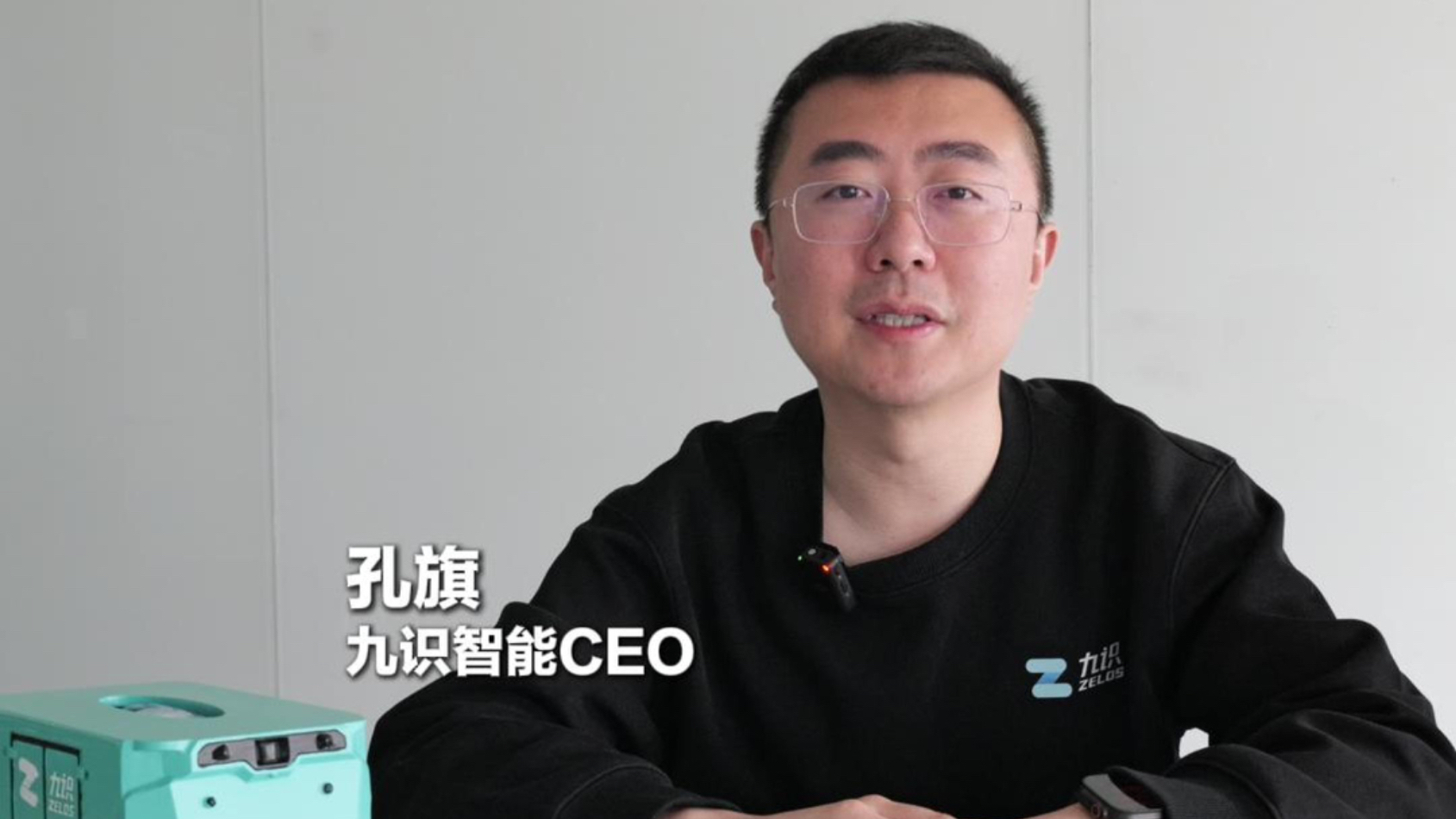
Jiushi Intelligent CEO Kong Qi: Jingguan has always adhered to its original intention with rationality and interpreted the future with depth
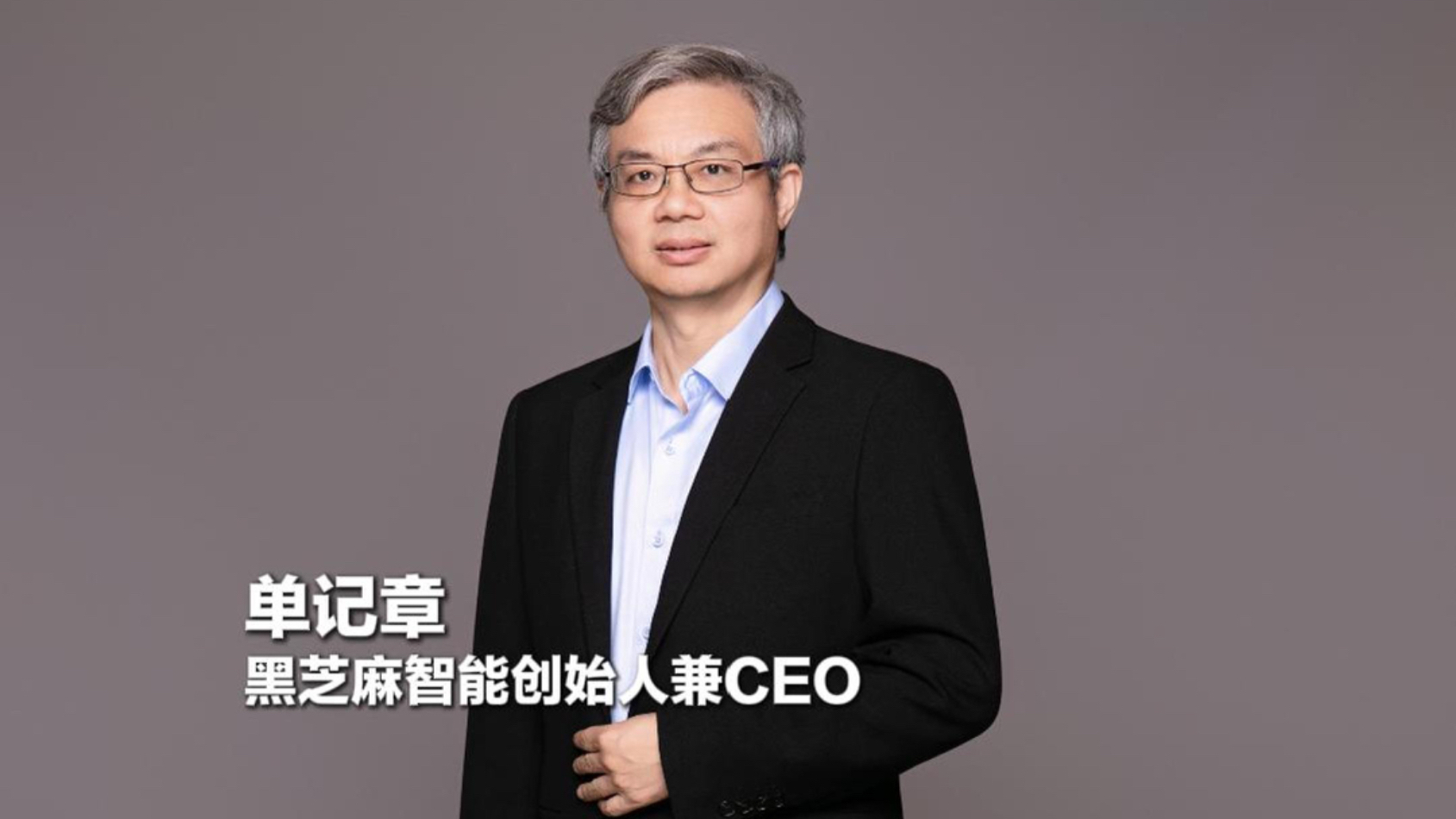
Founder and CEO of Black Sesame Intelligence: Witnessing the Growth and Transformation of China's Economy through Economic Observation
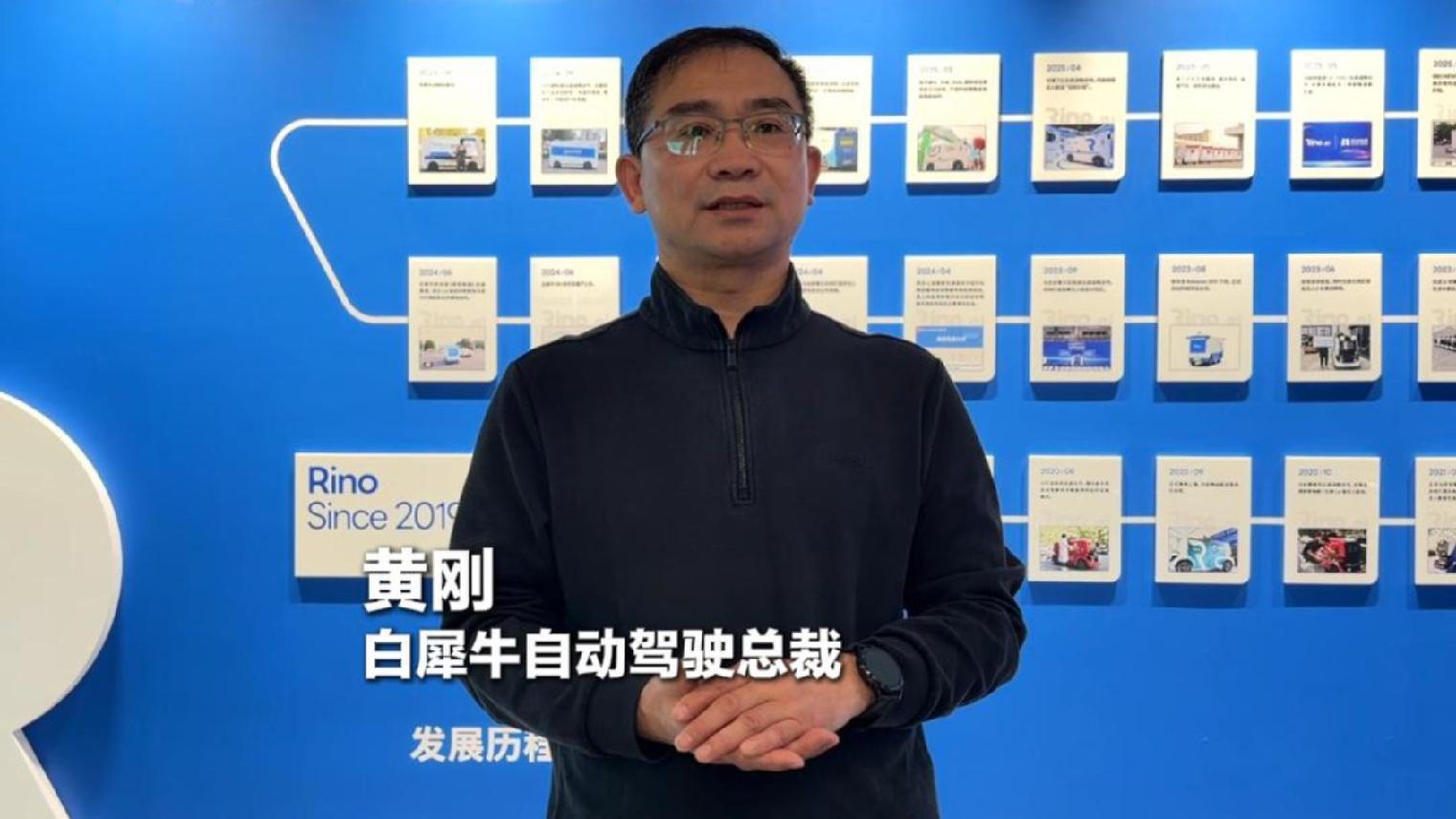
White Rhino Autonomous Driving CEO Huang Gang: Jingguan injects new imagination and vitality into the high-quality development of China's economy


 WeChat registration or login


 Subscribe
