

Economic Observer Follow
2026-04-05 09:50


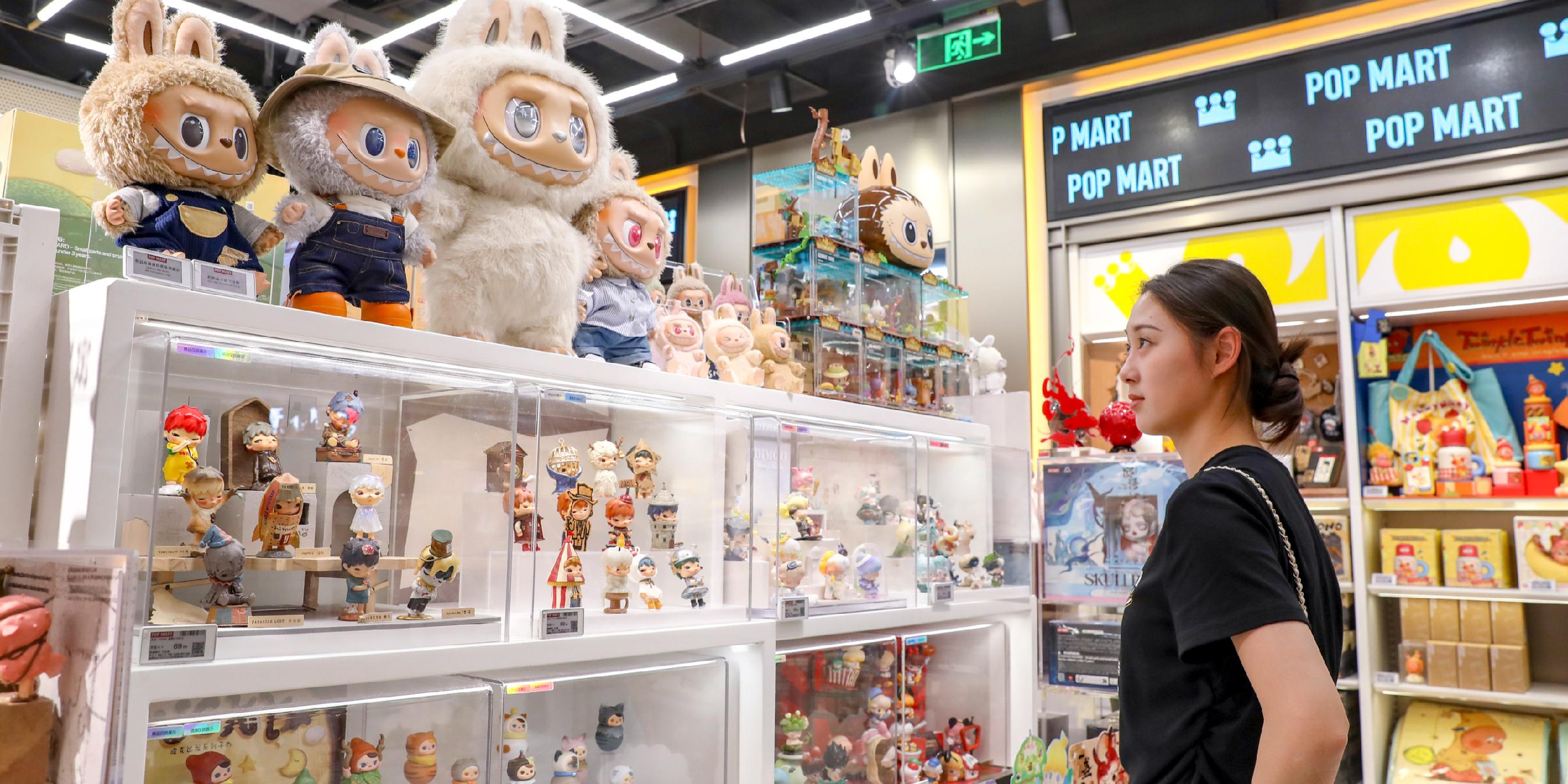
The performance surged, but investors' ran away '. This is the magical reality that Bubble Mart (09992. HK) is experiencing.
On April 2nd, on the last trading day of the Hong Kong stock market before the holiday, Bubble Mart closed with a cumulative repurchase of nearly HKD 1.4 billion. Within six trading days, it sold and repurchased 9.32 million shares in an attempt to stop the stock price from falling. But the market did not immediately buy in - as of the close of the day, its stock price had fallen 34.7% compared to the day before the financial report was released, and its market value had evaporated by nearly HKD 100 billion.
March 25th was the starting point of this earthquake. That day was also the day when Pop Mart announced its 2025 performance: in 2025, Pop Mart's revenue was 37.12 billion yuan, a year-on-year increase of 184.7%, and its profit for the year was 13.012 billion yuan, a year-on-year increase of 293.3%.
Bubble Mart achieved the best result in history. But on that day, the stock price of Bubble Mart fell 22.51% in a single day, breaking through the largest single day decline since its listing.
The management has proactively lowered the revenue growth rate for 2026 to 20%, compounded by multiple factors such as cross-border small appliances, overseas expansion pressure, and cyclical fluctuations in popular IPs, further exacerbating the market's divergent perception of this company. Bubble Mart, which was already difficult for many investors to understand, has become even more complex and difficult to distinguish.
Various parties are re examining the value of Bubble Mart: Goldman Sachs research report believes that although Bubble Mart's diversified IP portfolio and strong operational capabilities have laid a solid foundation for long-term growth, the company's short-term growth momentum has weakened; Famous investor Duan Yongping has changed his previous attitude of "not understanding" and publicly stated that he will pay new attention to Bubble Mart.
Seven days of oscillation
On the noon of March 25th, Bubble Mart's 2025 performance report had just been released online; At 13:00 sharp, the Hong Kong stock market opened; 15 minutes later, the company's stock price had rapidly fallen from HKD 219 to around HKD 200. At the same time, an online performance conference highly anticipated by investors is about to begin.
At 13:30, the management appeared in front of the screen, and this time Pop Mart moved the communication meeting online. At this point, the company's stock price has further fallen to HKD 190.
Yang Jingbing, Chief Financial Officer of Pop Mart, was the first to introduce the data for 2025: operating revenue was 37.12 billion yuan, a year-on-year increase of 184.7%; Adjusted net profit was 13.08 billion yuan, a year-on-year increase of 284.5%; The profit attributable to the company's owners was 12.776 billion yuan, a year-on-year increase of 308.8%.
For Pop Mart, this is the best result in history, but it did not boost the market.
On the other end of the screen, investor Abao didn't bother to eat lunch, listening to the performance report while keeping an eye on the market changes. At 13:56, the management's statement ended and the Q&A session began. Wang Ning, founder and CEO of Pop Mart, described the company's condition as "like an F1 car entering a pit stop for repairs," causing the stock price to drop to around HKD 185; Two minutes later, when he gave a growth guidance of no less than 20% for 2026, the stock price fell below HKD 180.
Meanwhile, another investor standing in front of the screen, Ye Yang, also observed that almost every time the management answered a question, the stock price would drop. This is completely opposite to her experience when she opened a position of about HKD 30 in 2023- that year, every time Wang Ning answered a question, the stock price rose by a few points. Abao and Ye Yang have been investors in Bubble Mart for nearly four years, both heavily investing in the stock and concentrating over 70% of their funds, excluding fixed assets, on the target.
On March 25th, Bubble Mart experienced a single day drop of 22.51%, breaking the largest single day drop since its listing, and its market value evaporated by over HKD 65 billion. It then fell into a turbulent week:
On March 26th, the stock price fell another 10.46%, and Bubble Mart announced after hours that it would repurchase 3.94 million shares for approximately HKD 600 million and cancel all of them;
On March 27th, Pop Mart repurchased approximately HKD 300 million worth of shares, and investment banks such as Goldman Sachs, Morgan Stanley, and UBS began to intensively lower their target prices;
On March 30th, renowned investor Duan Yongping changed his previous attitude of "not understanding Bubble Mart" and instead stated, "I have looked at Bubble Mart again in the past two days and decided to retract the other party's statement that I am not investing in Bubble Mart. Bubble Mart's stock price briefly rose during the trading session, but the decline narrowed to 1.7%. The company completed its third repurchase on the same day;
On March 31st, Bubble Mart's fourth repurchase resulted in a cumulative drop of approximately 34% in stock price within a week, with a market value evaporation of approximately HKD 98.7 billion;
On April 1st, Bubble Mart repurchased for the fifth time, and the stock price briefly rose during the trading session, fluctuating and rebounding by 1.18%;
On April 2nd, Bubble Mart completed its sixth repurchase, and this round of intensive market protection ended.
The share price of Bubble Mart hit a historical peak of HK $339.8 on August 26 last year, with the corresponding market value exceeding HK $450 billion. Together with Laopu Gold and Mixue Group in the same period, it was called the "three sisters of new consumption" of Hong Kong stocks. After this round of volatility, the company's market value has fallen to about HKD 190.2 billion, halving from its historical high.
This is not the first time Bubble Mart has encountered a valuation crisis. On February 17, 2021, its stock price hit HKD 107.6, with a market value of HKD 150 billion and a price to earnings ratio exceeding 179 times at one point; In March of the same year, the stock price continued to decline and fell to the bottom of HKD 9.8 by October 2022. In about a year and a half, the market value shrank by more than 90% to less than HKD 15 billion.
Expected Gap
Part of the emotion of escape stems from Bubble Mart's "sudden braking".
On the day of the performance conference, Wang Ning, founder of Pop Mart, provided guidance on the expected revenue growth rate of 20% for 2026. In fact, Bubble Mart's growth expectations have always been conservative: 30% in 2024 and 50% in 2025. The more conservative expectations for 2026 have suddenly cooled down the market enthusiasm and higher expectations ignited by the high growth in 2025.
Cheese Fund investment manager Pan Jun told Economic Observer that before the performance conference, the market had a more optimistic outlook on the growth rate of Bubble Mart, and its valuation was still considered to be within a reasonable range, so no adjustment was made. But the downward adjustment of the growth rate guidance and the significant fluctuations in stock prices after the press conference have triggered internal risk control stop losses, and the fund has also chosen to reduce its holdings.
The withdrawal of multiple foreign institutions has intensified the spread of this sentiment. According to data from the Hong Kong Stock Exchange, on the day of the performance conference, multiple foreign institutions sold off Bubble Mart, with Citibank, Standard Chartered Bank, BNP Paribas and other institutions being the main sellers. The short selling volume on that day reached HKD 4.63 billion, setting a new high since Bubble Mart's listing.
On March 26th, Bank of America Securities released a research report stating that Bubble Mart's performance in 2025 did not meet investors' expectations, and its revenue growth guidance for 2026 was 30% lower than market expectations. The institution believes that 2026 will be a transitional year for Pop Mart, as the LABUBU craze cools down and profit margin pressure increases, with the target price dropping from HKD 300 to HKD 170.
Bubble Mart did not provide details on how the number "20%" came about. But Wang Ning said at the performance conference that in the past year, Pop Mart has been more like a novice who was quickly pulled onto the F1 track, with extremely fast speed, but both the driver and the car are under tremendous pressure. In 2026, Pop Mart hopes to enter the maintenance station like F1, refueling, changing tires, making necessary adjustments and supplies.
This is an active deceleration by Bubble Mart. It is reported that in the past year, a phrase repeatedly mentioned by Wang Ning is, "When good news is flying everywhere, we should pay more attention to bad news.
A person close to Bubble Mart told the Economic Observer that the rapid expansion in the past year has placed extremely high demands on organizational capabilities. The total number of employees at Bubble Mart has increased from over 6000 at the end of 2024 to nearly 11000 at the beginning of 2026, including approximately 4000 foreign employees. In the process of rapid deployment of personnel, supply chain, and overseas operations, the management radius is rapidly stretched. "A straight track can run wildly, but when entering a bend, you must step on the brake.
Pao Pao Mart's Chief Operating Officer, Zheng De, also mentioned at the performance conference that 2025 is the second year of official operation in the North American market. The team has allocated a budget of 2 billion yuan to increase its revenue scale from 800 million yuan to 6.8 billion yuan. "In fact, the team has been under great pressure in terms of talent reserve system, warehousing and logistics, and the team has worked very hard.
Some institutions are also optimistic about the adjustment of Bubble Mart. Morgan Stanley research report believes that the lower sales target partially reflects the proactive management strategy of Bubble Mart, whose offline store driven growth model is still effective, and will focus on consolidating its operational foundation in 2026. Furui stated that although the sales growth target set by Pop Mart for 2026 is lower than market expectations, it is still at a steady level, and Pop Mart's continued investment in IP has built a defensive moat for its business.
Doubts about Small Home Appliances
Bubble Mart announced its entry into small appliances at the press conference, which unexpectedly became another focus - "Bubble Mart sells small appliances" rapidly fermented on the social platform. The number of readers of microblog topics exceeded 320 million within 24 hours, and the number of Tiktok related videos played exceeded 87 million.
Wang Ning mentioned on site that the group oriented approach with IP as the core is still an important strategic direction for Bubble Mart. Pop Mart has made many new business attempts, including dessert business, entertainment related movie business, and will soon release small home appliances.
Shortly after the performance conference, the preheating diagram of the Bubble Mart small refrigerator was released. This is a small refrigerator with a rounded shape, and the creamy white body is printed with hand drawn graffiti from the THEMONSTERS family. The door handle is embedded with a LABUBU three-dimensional doll shape, and the signature of designer Long Jiasheng is also painted in the lower right corner. Market rumors suggest that the refrigerator is priced at 4999 yuan per unit.
According to sources close to Bubble Mart, Wang Ning only briefly mentioned small household appliances and did not anticipate such a large-scale discussion internally.
The discussion quickly divided into several camps: optimists such as Duan Yongping believed that the core of Bubble Mart is to provide emotional value, and small appliances may not necessarily mean transforming into home appliances. It is more likely that users will continue to be exposed to IP in their daily lives, and the direction itself is not obvious, the key still lies in market feedback; Pessimists such as Han Guangbin, Chairman of Xinsi Zhe Investment, bluntly stated that cross-border small home appliances are "brainless behavior" that will damage brand image and value; Observers such as Pan Jun told the Economic Observer that Bubble Mart's layout of small home appliances is an attempt to expand its product category, and it is necessary to be cautious of dispersing the main business energy. The cross-border synergy effect still needs to be verified, and it will not be regarded as a core growth engine in the short term. Market feedback still needs to be observed.
Although Pop Mart has previously launched peripheral products such as night lights and mobile phone lanyards, and laid out businesses such as amusement parks, accessories, desserts, and big movies, they are still considered as "trendy toys" by the outside world. Entering the field of small household appliances truly challenges Wang Ning's view of "useless use" and crosses the boundaries that Bubble Mart should have in the minds of the public.
Wang Ning has emphasized in multiple public occasions that "useless" things are truly eternal, and as long as a product has functional attributes, it means a short lifecycle and inherent decay. Therefore, whether it is figurines, vinyl or plush, Bubble Mart mostly conveys IP value to consumers in the form of blind boxes and does not easily add practical functions.
Regarding the controversy surrounding small household appliances, Pop Mart did not provide an explanation. But according to sources close to Bubble Mart, the first question that Bubble Mart's small appliances need to answer is still whether they look good, rather than whether they are easy to use. From this perspective, small household appliances are still centered around IP, and their essence is still an extension of emotions and aesthetics.
It is worth mentioning that the official introduction of Bubble Mart refrigerators states: "Some refrigerators belong to the kitchen, and some refrigerators belong to you." Wang Ning also said at the performance meeting: "We are actively exploring more new categories, hoping to showcase our IP in more different forms and achieve more commercialization possibilities. ?
N interpretations of Bubble Mart
The huge contrast in business formats from figurines to home appliances poses a deeper question for Pop Mart: what kind of company is it? The answer may directly affect investors' judgments and choices.
Some investors believe that Pop Mart is an IP platform with the valuation potential of "China Disney", so its P/E ratio can reach 30-40 times; But others believe that Pop Mart is a trendy retailer driven by explosive products and strong cyclicality, so it can only offer a price to earnings ratio of 15-20 times. At the close of trading on April 2nd, the P/E ratio of Bubble Mart was 13.44 times.
Looking back at the prospectus submitted by Pop Mart in 2020, its positioning is "China's largest trendy toy brand" and its vision is to "become a leading global trendy cultural and entertainment company". Side once said that at that time, this sentence was only meant to be written on the prospectus, but now I think it's too powerful. We can't add or subtract one more word.
At this year's performance conference, Pop Mart introduced itself as "building a diversified business map around IP, and by extending IP to multiple fields such as consumer goods, services and experiences, digital entertainment, etc., committed to building Pop Mart into a trendy cultural and entertainment group with IP as its core.
According to sources close to Bubble Mart, consumer goods are currently the core business of Bubble Mart, covering figurines, vinyl, plush toys, accessories, desserts, and future small appliances; The service and experience business includes amusement parks, while digital entertainment includes movies. In an internal letter sent to all employees this year, Pao Pao Mart mentioned, 'We have a bigger dream: to achieve a 50% revenue share in the group's other businesses besides consumer goods.'.
Setting aside its grander dreams, is the current Bubble Mart worth investing in? Investors have their own decision-making dimensions.
When individual investor Abao opened his position, the stock price was only around HKD 20. After holding the position for many years, he believes that the growth potential of Bubble Mart's "derivative business" is still worth looking forward to. According to product classification, Bubble Mart's revenue comes from plush toys, figurines, MEGA, derivatives, and others. In 2025, the revenue from derivative businesses including keychains and mobile phone accessories will be 4.473 billion yuan, accounting for only 12%. Abao believes that this will be a growth engine worth paying attention to for Bubble Mart.
Ye Yang completed his position increase when the stock price was around HKD 180 and HKD 150. Especially after learning that Pop Mart was going to launch high priced small appliances, she was actually very happy. In Ye Yang's view, the transition from trendy entertainment to more consumer scenarios is a natural path for IP commercialization. Small household appliances simply add IP value to useful products, and as users age and demand changes, this extension has basic rationality. Moreover, high priced derivatives will increase the average order value and also contribute to the valuation of Bubble Mart.
After the performance conference of Bubble Mart, Deutsche Bank downgraded its stock rating to "sell". Sammi Xu, a consumer analyst at Deutsche Bank, stated that weak sales, high inventory, and continuously lowered profit expectations in Bubble Mart's overseas and Chinese markets are the main pressures the company will face in 2026.
Pan Jun stated that the market divergence regarding Bubble Mart is essentially a reassessment of its growth certainty and capability boundaries. The outside world is not questioning its growth itself, but questioning whether the high growth rate can be maintained to support the current valuation. Bubble Mart's performance base has increased, and the difficulty of overseas expansion has also increased. Its narrative logic has shifted from high-speed growth to steady growth. Therefore, investors are re pricing the risk return ratio and demanding a higher safety margin, rather than simply denying the company's value.
He believes that in the future, we can focus on the first quarter operational data. If the data exceeds expectations again and proves growth resilience, market sentiment will be somewhat restored, and we can also consider reconfiguring.
(At the request of the interviewee, Ye Yang is a pseudonym)

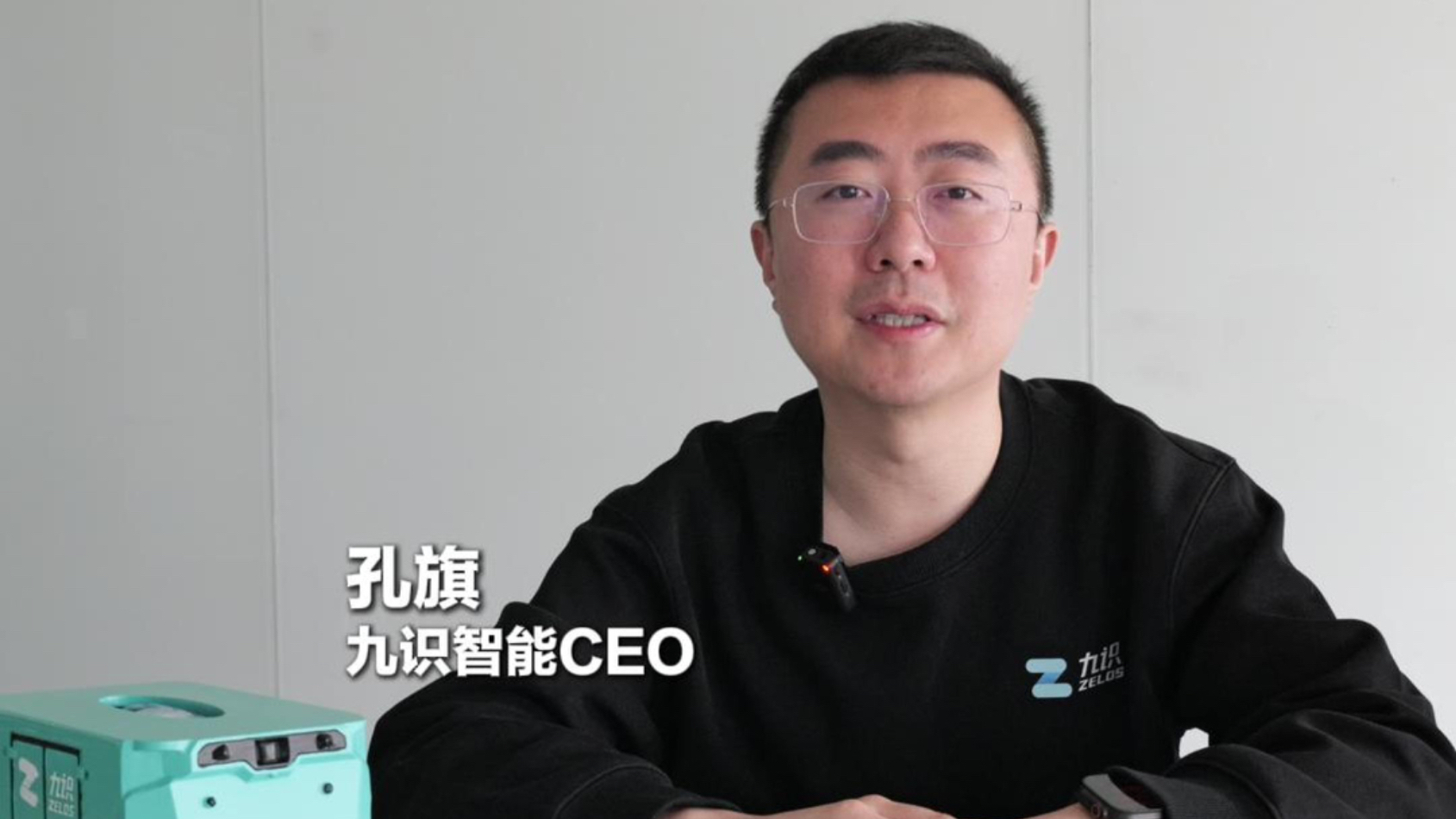
Jiushi Intelligent CEO Kong Qi: Jingguan has always adhered to its original intention with rationality and interpreted the future with depth
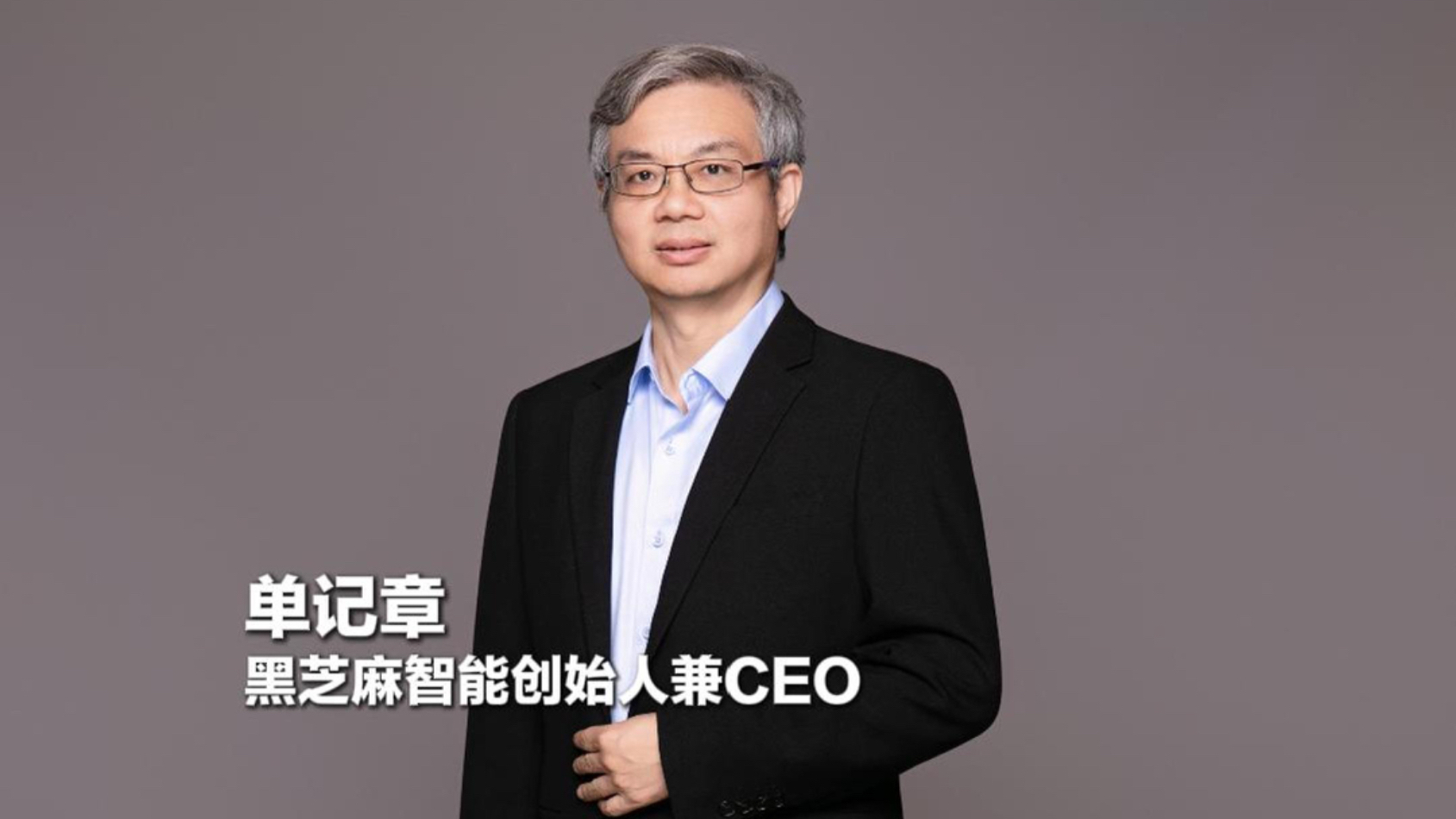
Founder and CEO of Black Sesame Intelligence: Witnessing the Growth and Transformation of China's Economy through Economic Observation
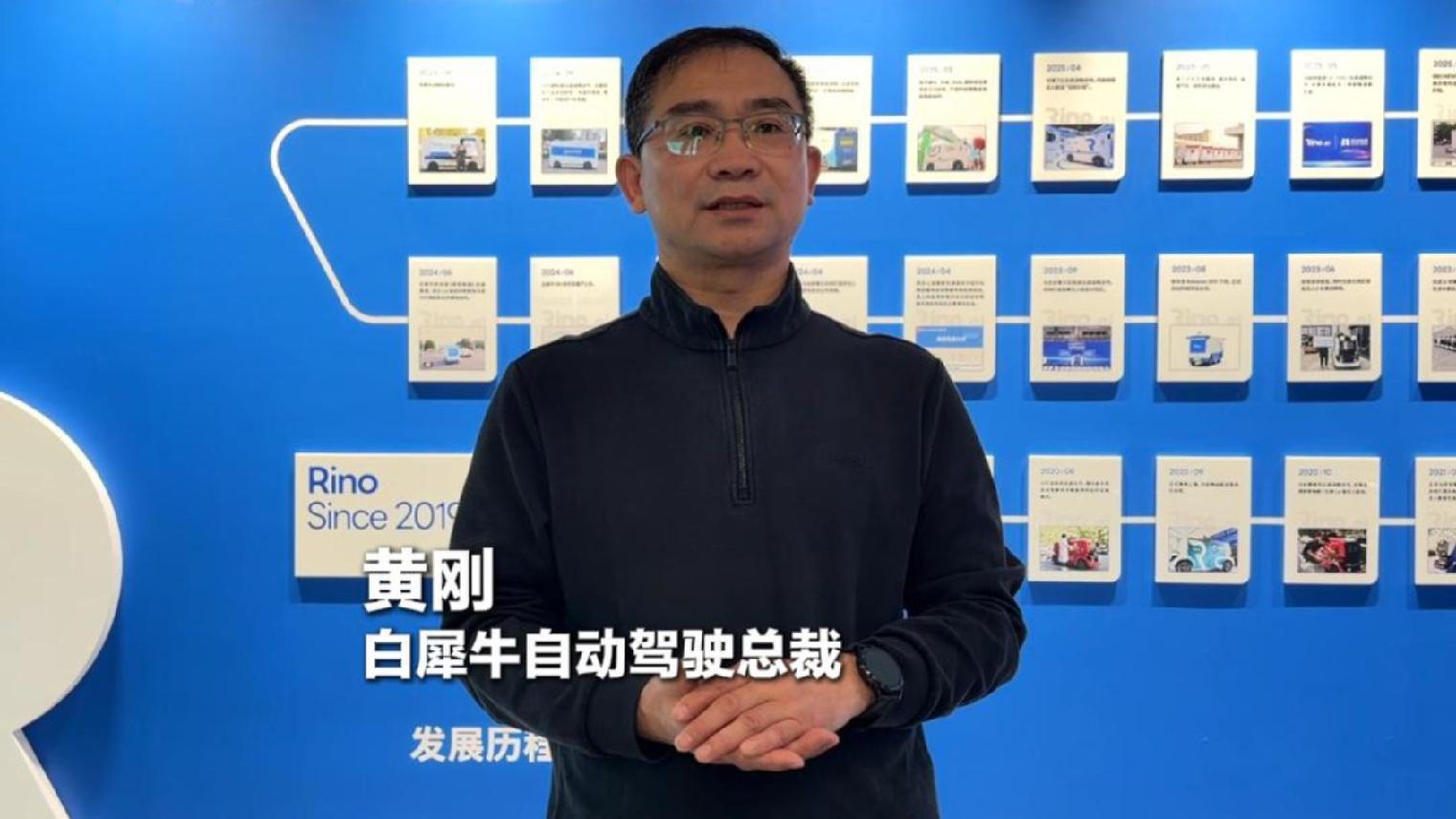
White Rhino Autonomous Driving CEO Huang Gang: Jingguan injects new imagination and vitality into the high-quality development of China's economy


 WeChat registration or login


 Subscribe
