2025-11-06 19:22


In an era where many people are shouting 'de intermediation', a company that has been established for a century in trade and supply chain services has not been eliminated by the tide of history, but is instead building a new core business.
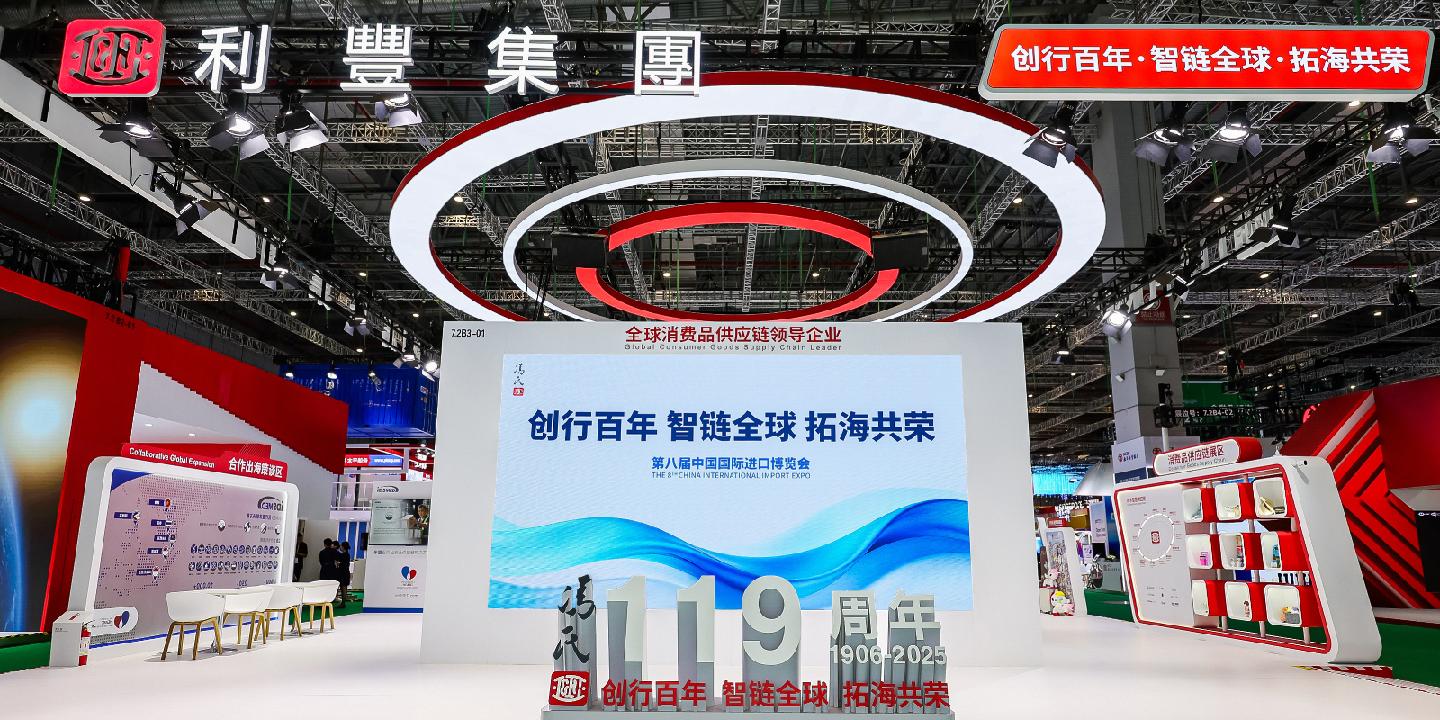
This company is the Feng Group, and this year marks its eighth consecutive year participating in the China International Import Expo (CIIE).
For many years, the more well-known role of the Fung Group has been to bring overseas brands into China. It operates multiple international brands in the Chinese mainland market, including Toys R Us, French children's clothing brand Petit Bateau, and Kenzo Kids.
It is like an experienced guide, familiar with every intersection of the Chinese market, helping outsiders land safely.
But at this year's CIIE, the story has a new chapter. Feng Group officially proposed at the CIIE the concept of "a century of entrepreneurship, global intelligent chain, and shared prosperity in expanding the sea"; The strategic vision of this company, which is most familiar with "two-way trade", means that it is beginning to provide systematic services for Chinese enterprises to "go global".
This brings up a business question worth exploring: in an era where Chinese companies are trying DTC (Direct to Consumer) to seek global breakthroughs, why can a "veteran" supply chain service provider become an indispensable leader in their overseas expansion?
The answer may lie in the real challenges of the globalization process of Chinese enterprises.
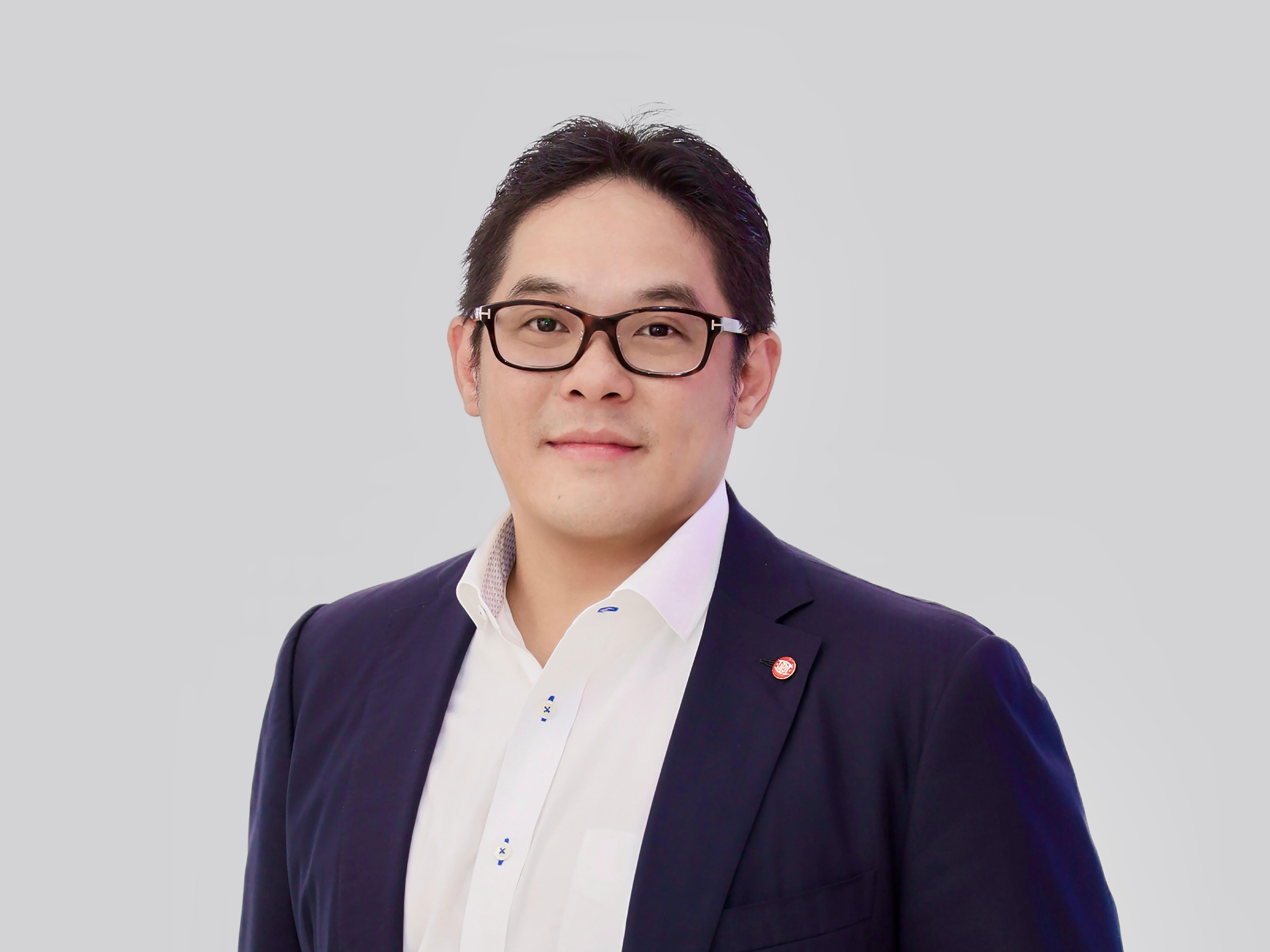
Feng Yujin, President of Fengshi Group China, said, "Chinese enterprises are facing unprecedented opportunities and many real and complex challenges in the process of globalization. Among them, the differences in compliance requirements, cultural conflicts, and different business practices, which are particularly prominent and have become key factors restricting the effectiveness of going global
It has been proven that Chinese enterprises are undergoing a crucial period of transformation as they go global. With the change of game rules, if in the past going global was about "product trade" and competing on price and production capacity, then today's going global is about "brand going global" and "ecological going global", and the dimensions of competition have expanded to global compliance, deep localization, and brand value.
What enterprises no longer need is simple logistics and customs clearance services, which also explains the current business focus of Fengshi Group: this century old enterprise is transforming its profound accumulation in global trade rules, cross-cultural integration, and supply chain management into a new service: helping Chinese enterprises understand the new global rules and integrate them safely and efficiently.
From "Sharing" to "Expanding the Sea": The Era Response of Centennial Enterprises
At this year's CIIE, Feng Group brought a brand new slogan.
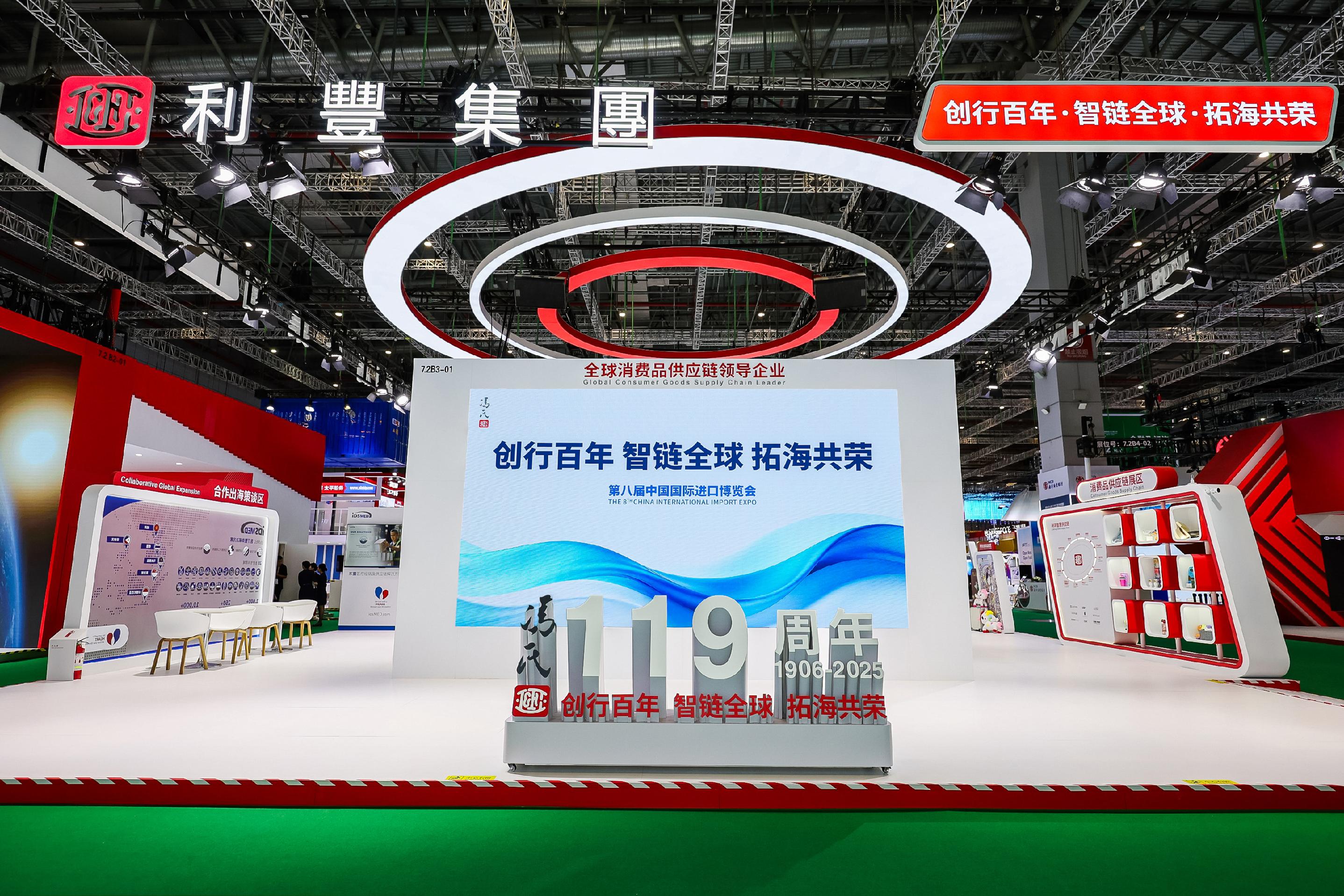
Upgraded from the first proposal of "100 years of entrepreneurship, global smart chain, shared prosperity" at the 2020 CIIE to "100 years of entrepreneurship, global smart chain, and shared prosperity". The difference in one word corresponds to the new changes in the global economic development pattern and the demands of Chinese enterprises over the past five years.
Feng Yujin explained the strategic considerations behind it: "Shared prosperity" emphasizes cooperation, win-win, and resource exchange, while "expanding the sea and achieving common prosperity" adds a new connotation of "exploring the sea and cooperating to go global" on this basis.
This transformation precisely responds to the era proposition of Chinese enterprises' "going global", and Feng Group has officially established "cooperation going global" as one of the strategic focus points for the group's future.
This is both going along with the trend and forward-looking layout. Feng Yujin said that the national level is continuing to promote the "the Belt and Road" initiative, the construction of free trade zones and the facilitation of overseas investment. At the same time, the internationalization process of Chinese brands has significantly accelerated in recent years.
The demand for enterprises to "go global" has shifted from a single export to global brand layout, channel construction, and ecological co construction.
In Feng Yujin's view, the three major structural challenges that companies commonly face when going global are:
Firstly, compliance and localization barriers: regulatory systems, certification standards, and cultural customs vary greatly in different markets, and independent exploration by enterprises faces high risks and trial and error costs.
Secondly, the bottleneck of supply chain resilience: Cross border operations have put forward unprecedented requirements for supply chain resilience, visibility, and risk resistance, which are the weaknesses of many enterprises.
Thirdly, there is insufficient ecological system construction: many enterprises still adhere to the old mindset of "product export", lacking global ecological capabilities in brand building, channel cultivation, localized services, and partner collaboration.
Simply put, the "game rules" for going global have been upgraded, and the path of relying solely on cost advantages is no longer sustainable.
This raises the core question: How can Feng Group help Chinese companies cope with these new challenges?
The answer is hidden in the nearly 120 year history of the Feng Group. The development history of this company is itself a practice and evolution history of global trade rules.
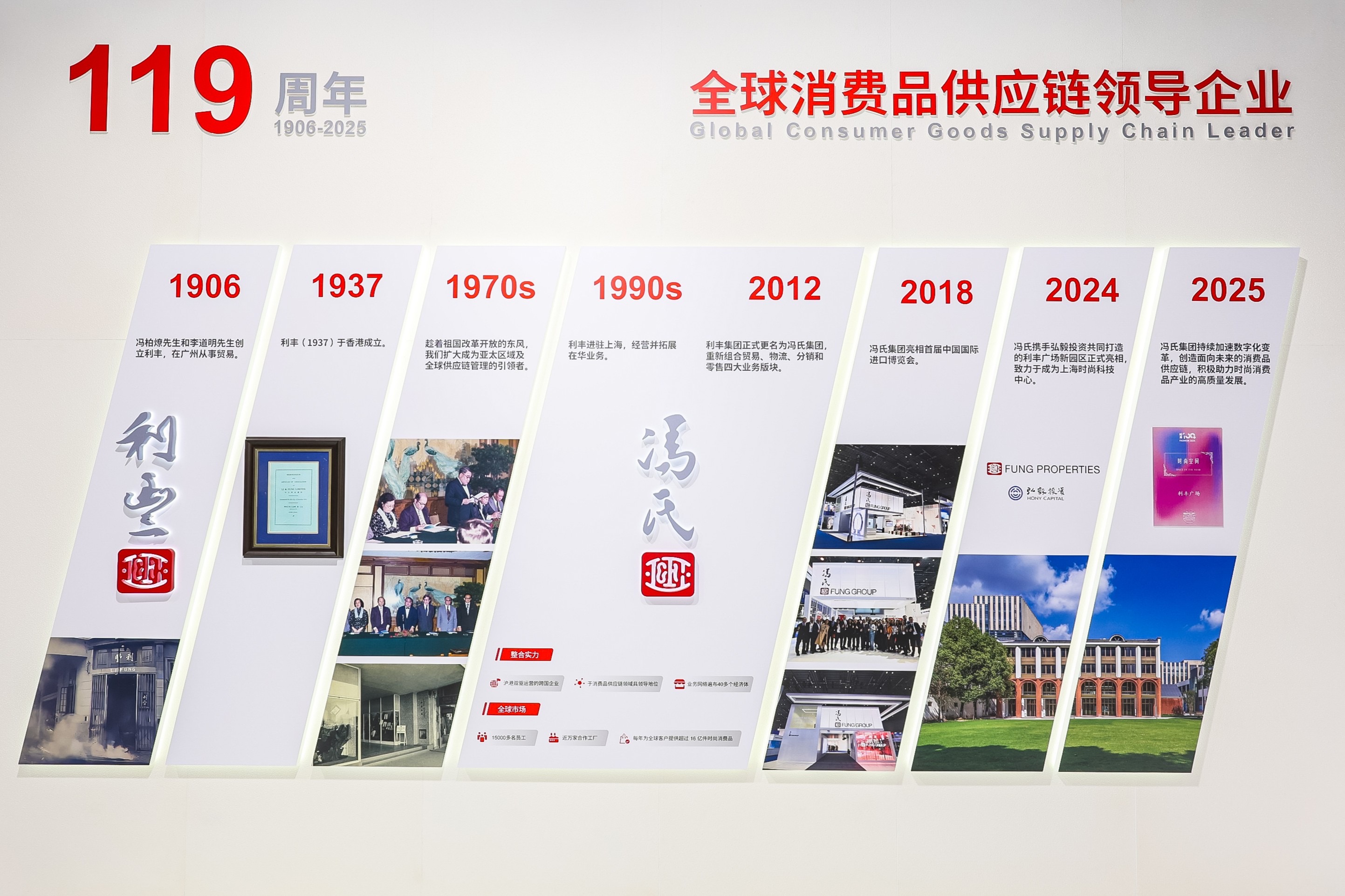
Fengshi Group's current business network covers more than 40 economies worldwide, with full chain capabilities from design, procurement, manufacturing, logistics to distribution. It also has professional strength and significant advantages in consumer goods such as shoes and clothing, beauty, furniture, etc.
When my great grandfather sold Chinese porcelain to Europe in the 20th century, he was well aware of the importance of 'doing as the Romans do' - not only to ensure quality, but also to understand local cultural rules in order to establish a foothold in the market. Feng Yujin believes that 'today, this' cross market, cross-cultural management ability' has become a compulsory course for Chinese brand internationalization. '
If the Feng Group has always played the role of a bridge connecting the East and the West over the past 100 years, then the function of this bridge is undergoing a significant evolution. Its core value has shifted from the previous global trade connection to providing comprehensive cooperative overseas solutions from market strategy planning to actual operation, to help Chinese enterprises overcome the challenges of "not adapting to the local environment" in overseas markets.
Lifeng Plaza's' Three Steps': Strategic Evolution of a Chinese Headquarters
To effectively implement global experience, a strategic pivot rooted in China is indispensable. For Feng Group, this pivot is precisely the location of its China headquarters: Li Feng Plaza. The Lifeng Plaza located in Minhang, Shanghai has continuously evolved over the past eight years, and its role has continued to upgrade with the release of the "spillover effect" of the China International Import Expo (CIIE). Feng Yujin once systematically sorted out the "evolution" path of this characteristic park, dividing it into three key stages.
The first step is to become the 'headquarters in China'. After the first CIIE in 2018, Fengshi Group officially established the China President's Office at Lifeng Plaza, establishing its important role as the group's China headquarters and strengthening localized management and collaborative functions.
The second step is to create a "Fashion Technology Center". In March 2024, Fengshi Group officially proposed to transform Lifeng Plaza into a "Shanghai Fashion Technology Center" and announced its development vision at the 7th CIIE. The new park aims to rely on the group's supply chain accumulation, conform to the trend of "artificial intelligence+fashion", and build a collaborative industrial ecosystem.
In the past year, the development blueprint of the Fashion Technology Center has gradually unfolded.
In terms of industry university research cooperation, Fung Group has signed strategic cooperation memorandums with universities such as the Hong Kong University of Science and Technology, the University of the Arts London, and the Hong Kong Polytechnic University, and Li Fung Plaza has become a social practice base for these schools.
Feng Shi also launched the "Feng Chao" Innovation Art Design Challenge. In this year's second competition, Feng Shi successfully collaborated with high-quality enterprises that have settled in the Fashion Technology Center, invited universities such as the Hong Kong Polytechnic University to participate, and promoted the mass production and listing of excellent student design works.
In August 2024, the first "Lifeng Sustainable Fashion Week" was held at Lifeng Plaza in terms of industrial ecology activities. The activities included themed summits, special seminars, science and technology exhibitions, and creative markets. In June 2025, as the "Green and Low Carbon Partner" of Shanghai Energy Conservation Promotion Week, Fengshi Group held the "Green Shanghai" themed event at Lifeng Plaza, actively promoting green and low-carbon production and lifestyle.
In terms of hardware, the upgrade and renovation project of Lifeng Plaza will be completed by the end of 2023, and the newly renovated park will officially open in March 2024. During the renovation process of the park, energy-saving and environmentally friendly building materials were widely used, and a smart operation system was introduced to reduce overall energy consumption. Building 5 of Lifeng Plaza has obtained authoritative zero carbon building certification. In November 2025, Lifeng Plaza was selected as one of the Shanghai Fashion 100+"Annual Fashion Spaces".
Feng Yujin summarized it as follows: Li Feng Plaza has driven the coordinated development of upstream and downstream enterprises in the supply chain during this stage, strengthening Feng's leading role in the consumer goods industry chain.
Step three, upgrade to a 'going global ecological platform'. This is the new positioning of Lifeng Plaza at the 8th CIIE this year, and also a positive practice of the group's strategic vision of "expanding the sea and achieving common prosperity".
Feng Yujin clearly pointed out that Lifeng Plaza is further upgrading towards "platformization" and "ecologicalization".
The specific approach is to radiate the entire Yangtze River Delta region through the Shanghai park, providing a "comprehensive cooperative overseas solution" for park resident enterprises interested in expanding overseas markets.
Feng Yujin also stated that Lifeng Plaza will regularly hold overseas themed activities in the future, providing strategic guidance and resource docking for Chinese enterprises to develop international markets in compliance and steadily.
From the establishment of the President's Office in China, to the creation of the "Fashion Technology Center", and now the "Overseas Ecological Platform", the physical space of Lifeng Plaza carries the iteration of the development strategy of Fengshi Group in China.
Feng Yujin summarized it as a localized innovation path: "in China, for China, and connecting with the world".
Two 'sea going' paths
For Chinese "players" who are interested in overseas markets, how can Fengshi Group specifically help them "avoid pitfalls"? At this year's CIIE, Feng Group showcased two paths.
The first path is prepared for the manufacturing industry.
It is not an easy task for Chinese factories to go global, as factory buildings, infrastructure, logistics, and compliance are all barriers to entry. Feng Group announced at the CIIE that it has reached a strategic cooperation with Shengke Urban Development.
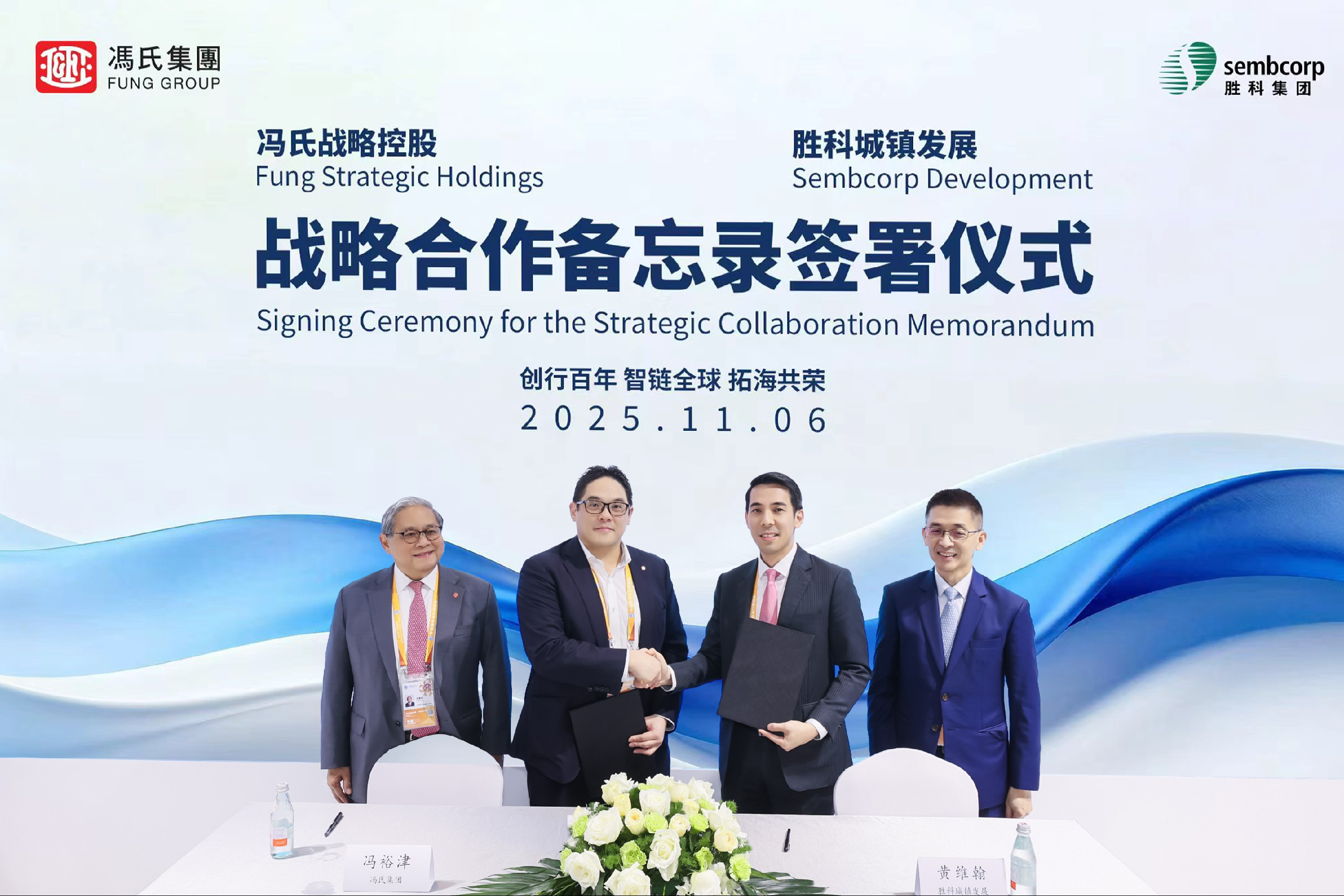
According to Feng Yujin's introduction, Shengke is a renewable energy enterprise and a mature provider of industrial and urban solutions.
The division of labor between the two parties is clear. Shengke is responsible for providing industrial park and infrastructure development and operation, while Fengshi Group provides its global supply chain capabilities in logistics, supplier financing, and compliance services.
They are packaged together to become a "plug and play modular manufacturing solution".
Feng Yujin also mentioned that this plan includes "AI driven supply chain finance services", and the goal of cooperation is to help manufacturing enterprises accelerate their international layout with higher efficiency, stronger resilience, and faster speed.
If the first path is to help "production capacity" go global, then the second path is to help "brands" go global.
This case comes from Feng's subsidiary, Lihe Medical idsMED (referred to as "idsMED"), which also made its debut at the CIIE.
Feng Yujin once mentioned a background in an interview: China's high-end medical equipment technology has advanced, such as surgical robots, and they are eager to "go global".
At the same time, emerging markets such as Southeast Asia urgently need to upgrade their medical systems, and the demand for cost-effective medical equipment is growing rapidly, becoming a new growth pole for China's medical equipment exports.
But this business is difficult to do, "Feng Yujin pointed out several pain points: complex qualification certification, asymmetric market information, and insufficient localized services.
Selling a surgical robot is not a one-time deal. The subsequent clinical training, biomedical services, and after-sales logistics all need to be done by someone.
The role of idsMED is to do these things.
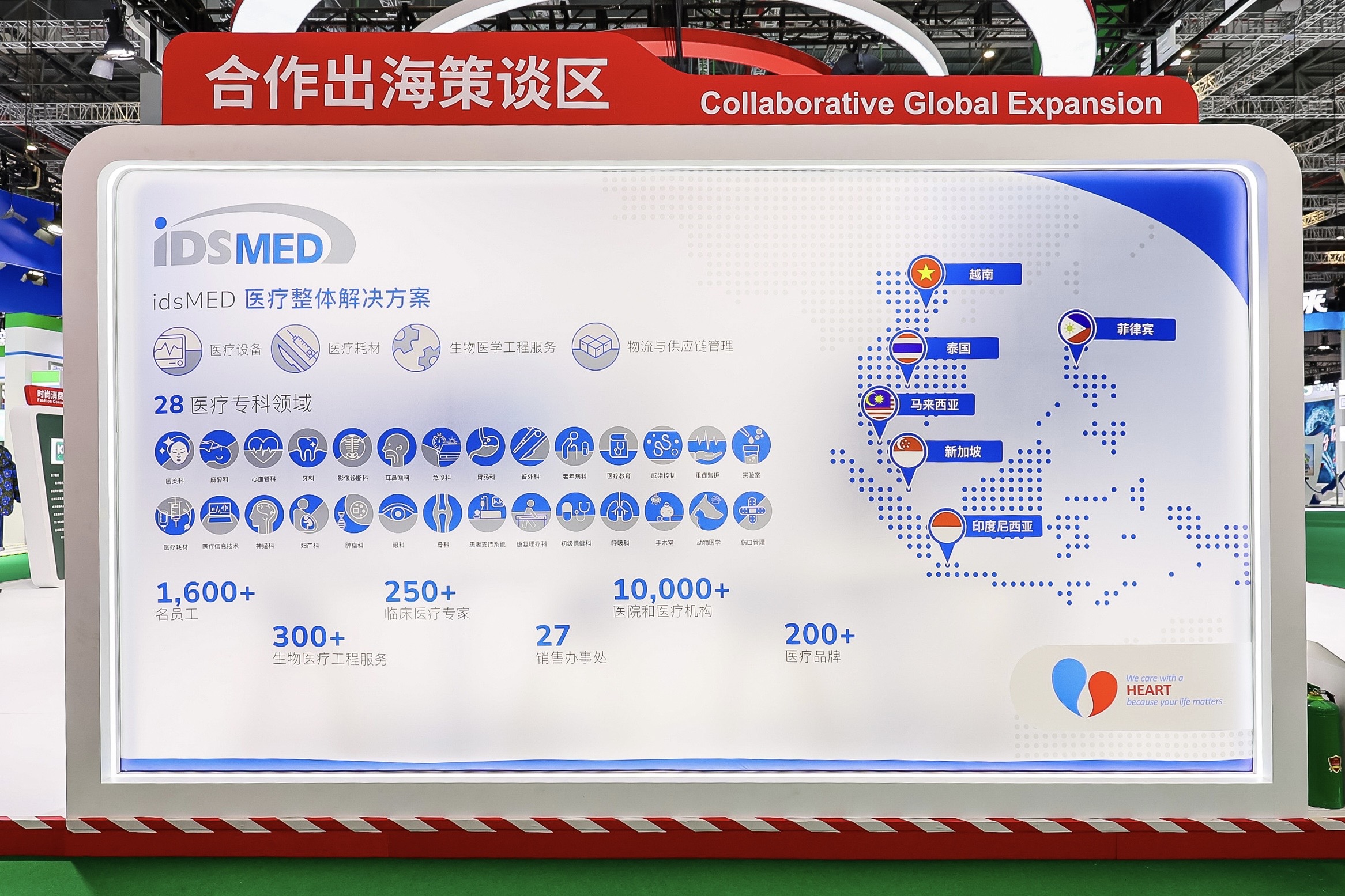
According to publicly available information, idsMED is a subsidiary of the Fung Group that focuses on the healthcare industry. Its business covers core markets in Southeast Asia such as Singapore, Malaysia, and Indonesia, serving over 10000 medical institutions, including government and private hospitals.
This vast network is the foundation for it to help Chinese brands land.
At this year's CIIE, idsMED signed contracts with two Chinese innovative companies - Jingfeng Medical and Senova.
Both companies specialize in surgical robots and minimally invasive technology. According to the agreement, idsMED will be responsible for the product implementation of these two companies in six Southeast Asian markets.
The specific job responsibilities include product registration, market strategy formulation, market promotion, and sales execution.
Not only that, idsMED also provides clinical training, biomedical services, and after-sales logistics.
This comprehensive solution, referred to by Feng Yujin as "full chain support," aims to "assist partners in accelerating the clinical application of surgical robots and minimally invasive technologies.
In other words, high-tech companies like Jingfeng Medical and Sainuowei can focus on research and development, while idsMED covers the physical labor of overseas market registration, promotion, sales, and after-sales service.
Feng Group's "cooperative overseas" business is extending from its most familiar consumer goods supply chain to new fields such as medical technology.
When asked about his expectations for the next 3 to 5 years, Feng Yujin expressed his hope that the "cooperative overseas" solution would not only become a highlight of Feng Group's second centenary journey, but also the first choice for Chinese brands to go global.
He said, "The era of the 15th Five Year Plan is about to begin, and the globalization of Chinese enterprises is shifting from 'opportunity to go global' to 'institutional to go global' and 'ecological to go global'. Feng Group hopes to use its century long supply chain experience, resources, and cross-cultural capabilities to help more Chinese brands integrate into the world in a more stable and sustainable way, becoming the underlying driving force for China's high-quality to go global in the new era

ST Qingyue fined 172 million yuan for suspected fraudulent issuance and illegal letter disclosure
Focusing on "Artificial Intelligence Empowering New Industrialization", the 2026 Artificial Intelligence Industry Conference opens in Jinan

Can Traveler 7 take care of both commuting on weekdays and mountain trips on weekends? This time, the all-new Jetour Traveler 7 will focus on its "Keyo" # Smart Beauty Travel Champion Box # Kecheng Keyo Keyo Travel # 7 Series Square Box New Benchmark # New Traveler 7 Renewal Surprise Price Starting from 125900 yuan