2026-11-26 19:45

During the APEC China Year, the three priority areas that have received much attention are still "openness, innovation, and cooperation". At the industrial level, it means breaking down barriers through openness, cultivating momentum through innovation, and amplifying advantages through cooperation. If in the past, the history of Chinese consumer brands going global was more about "product voyages" and "raw material procurement", then today, a deeper paradigm is emerging - reconstructing the industrial chain through category innovation and winning the future through industry symbiosis.
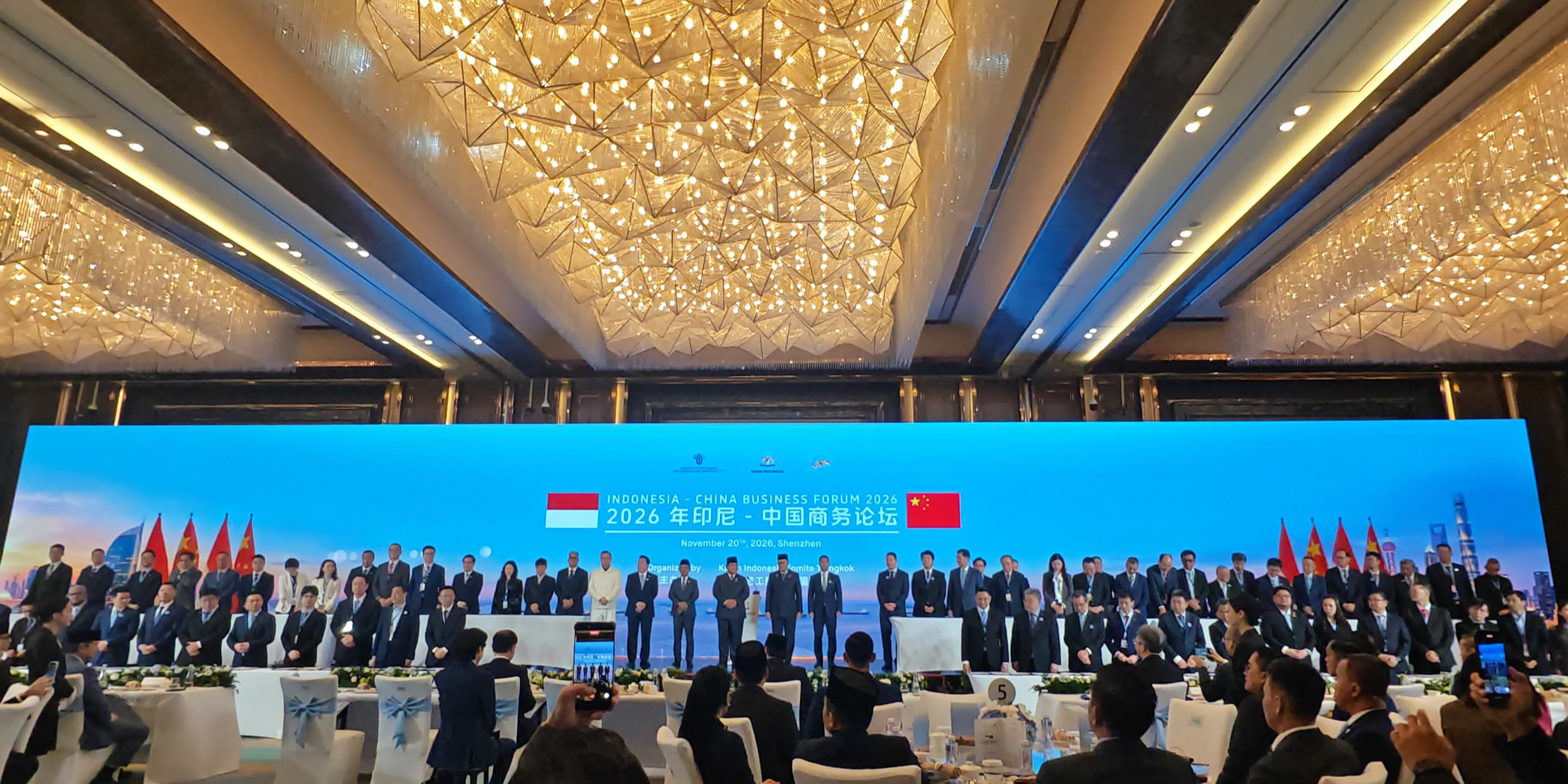
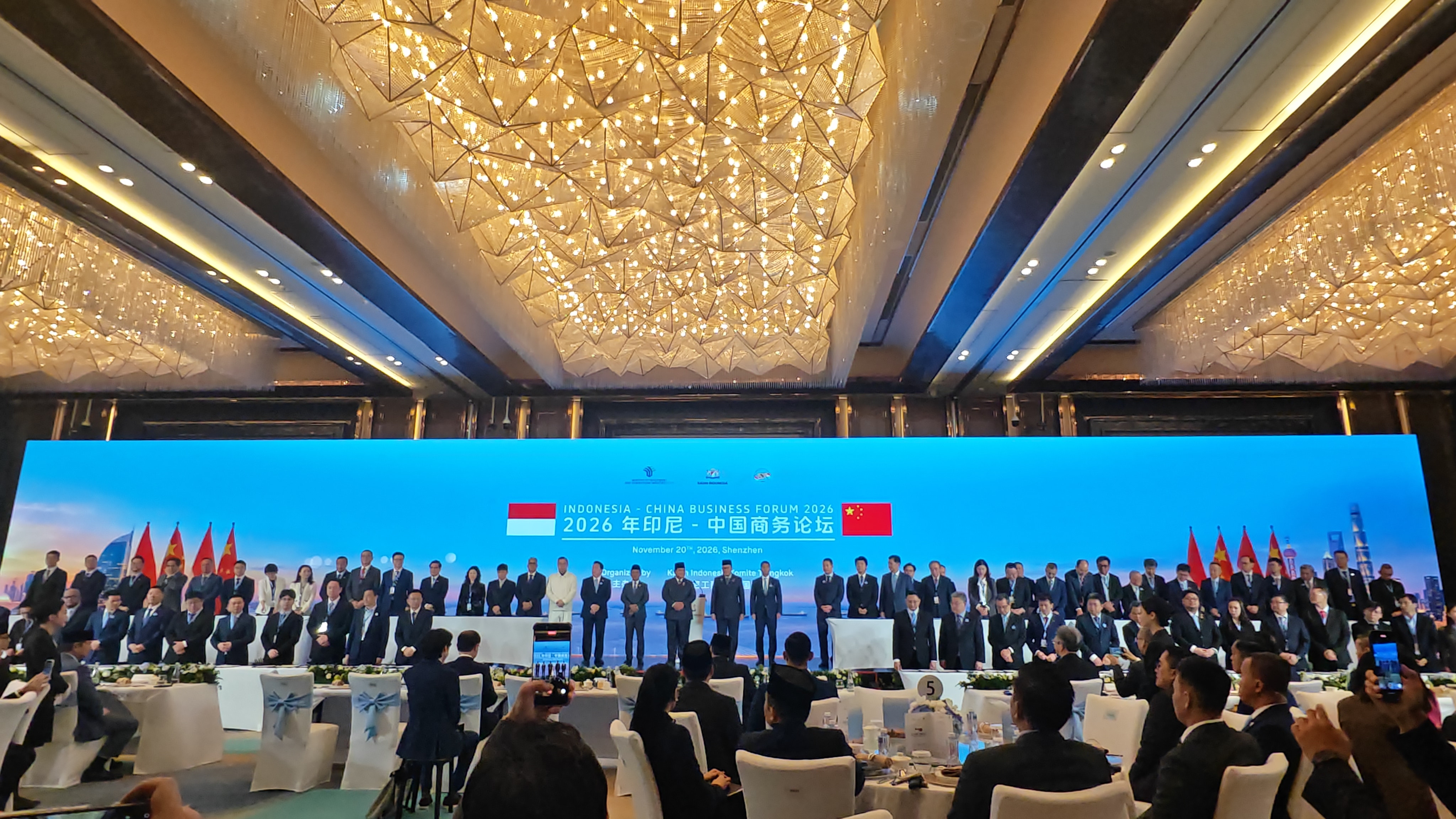
On November 20th, 2026, the Indonesia China Business Forum was held in Shenzhen. Both sides have reached cooperation in multiple strategic areas such as energy, industrial manufacturing, digital infrastructure, healthcare, and new energy industries. It is worth mentioning that Xiaoxianduo, along with leading companies such as Huawei, Qingshan Holdings, Changfei Fiber, and Zhongtian Technology, were invited to attend. As a representative of the bird's nest industry, Xiaoxian Stew has signed a memorandum of cooperation with Indonesia to jointly promote the export of high-quality bird's nest from Indonesia to China.
This cooperation in the field of livelihood consumption is an important component of China's stable position as Indonesia's largest trading partner for 13 consecutive years. Indonesia is the world's largest supplier of bird's nest, while China is the largest exporter of bird's nest from Indonesia, accounting for 80% of the market share. For many years, China and Indonesia have always adhered to the win-win concept of "you have me, I have you" in industrial chain cooperation.
The cooperation between Xiaoxian Stew and Indonesia this time is a higher level of interconnection in the cross-border bird's nest industry chain, which is a vivid portrayal of this concept.
In 2014, Xiaoxian Stew pioneered the fresh stewed bird's nest category, not only redefining the nourishing mode of the consumer end, but also reshaping the bird's nest industry chain. A small bowl of freshly stewed bird's nest is unleashing the spillover effects of China's consumption innovation, promoting the upgrading of the bird's nest industry chain, and becoming a vivid example of supply side reform driven by consumption upgrading and cross-border characteristic industry chain cooperation empowered by new quality productivity under the APEC framework.
Category Innovation: Refactoring the 'Quality Definition Right' of the Industry Chain
In the past, the external understanding of cross-border cooperation in bird's nest often stopped at the basic logic of "buying good raw materials". But when we re-examine this cross mountain industrial chain, we must see a fundamental iteration of its strategic logic: shifting from "resource acquisition" to "value definition". The pivot that drives this transformation is category innovation centered around consumer demand.
Bird's nest nourishing has a long history, but for a long time, the product form has been mainly dry bird's nest, which is a "high threshold" for modern consumers: bird's nest consumption generally has four major pain points: difficult to identify raw materials, not knowing how to stew, not knowing how to eat, and not having time to persist in eating, as well as a major difficulty in ensuring the nutritional retention of bird's nest through general stewing.
The supply side has been mainly focused on exporting raw materials for a long time, failing to catch up with the constantly growing demand changes.
In 2014, based on a profound understanding of consumer pain points, Xiaoxian Stew pioneered the category of fresh stewed bird's nest: after the user places an order, the factory freshly stewed the bird's nest with only ingredients such as bird's nest, rock sugar, and purified water, with a shelf life of 15 days and cold fresh delivery to the home every week. Innovative C2M model and cycle nourishing services help consumers achieve regular cycle nourishing in a simple and convenient manner. Innovative fresh stewing process, 95 ℃ fresh stewing, 360 ° rotation 180 times, restoring the ancient method of slow stewing over low heat, while ensuring a delicate and thick taste, the total content of the two key active proteins LOXL3 and MUC5AC in bird's nest is 3.09 times that of home stewing, locking in three times the active nutrients and achieving a nutritional efficiency of "eating one bottle of Xiaoxian stewed fresh bird's nest ≈ three bottles of home stewed bird's nest".

This is taking a whole set of tedious processes from the hands of consumers, and transforming a "bird's nest" into a "set of nourishing solutions", thus solving the four major pain points and one major difficulty of traditional bird's nest nourishing in one fell swoop.
The category innovation was quickly validated by the market, further raising the product ceiling of the bird's nest industry and pushing the industry into the "fresh stew era", which is regarded as a key milestone for the high-quality development of the bird's nest industry. As a pioneer in the category, Xiaoxian Stew has been leading the sales of fresh stewed bird's nest nationwide for nine consecutive years from 2017 to 2025.
But the real watershed is not at the end, but upstream. When a brand is not only considering selling products, but also what consumers need and how to make products fresher and more nutritious, the original supply chain model is no longer applicable, and there are higher requirements for the supply chain.
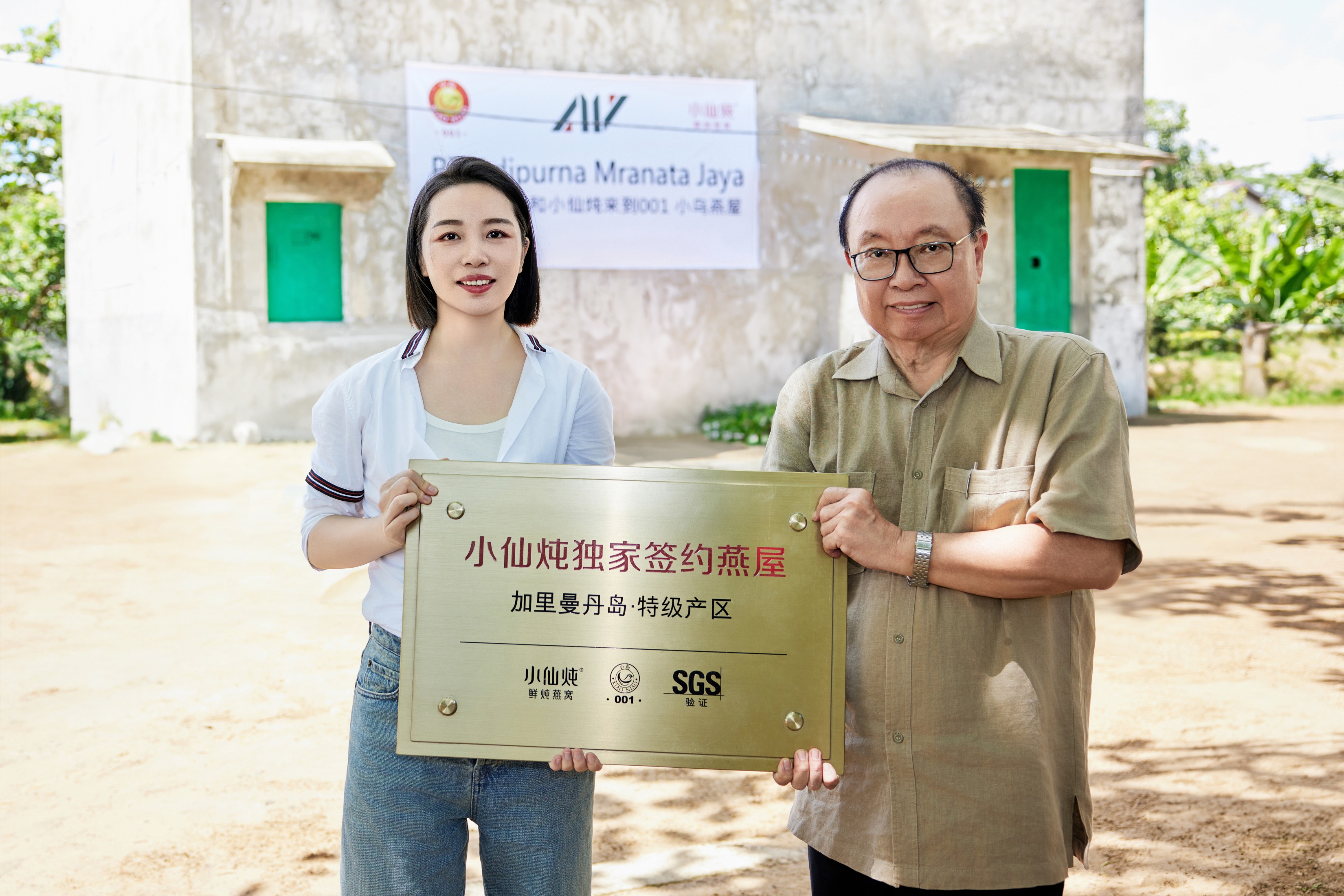
Xiaoxian Stew focuses on the demand of users for "fresh and nutritious" high-quality bird's nest to create products, and reshapes the supply chain based on this. On the raw material side, Xiaoxian Stew is the first in the industry to use traceable bird's nest. At the same time, Xiaoxian Stew has customized raw materials in reverse, with 30 screening and acceptance criteria for raw materials, and clear requirements for the color, length, and sialic acid content of bird's nest. In addition, Xiaoxian Stew has signed an exclusive Yanwu contract with a core production area in Indonesia, which adopts scientific and sustainable management, locks in high-quality raw materials from the source, cooperates with exclusive initial processing factories, and connects the direct link between Indonesian bird's nest and China. At present, Xiaoxian Stew has achieved full industry chain controllability from the source Yanwu, upstream initial processing to domestic production and processing, logistics distribution, and retail services.
This is the complete path for consumer innovation to propagate upstream: demand defines products, product defines standards, and standards reshape the supply chain.
When the accumulation of internal control in enterprises reaches a certain level, the problem shifts from "how do I do it" to "what should the industry do.
On May 13, 2024, led and jointly drafted by Xiaoxian Stew, relevant institutions from China, Indonesia, Malaysia, Thailand, and Vietnam jointly launched the globally leading "Classification of Bird's Nest Production Areas" standard, which was officially released by the Bird's Nest Market Professional Committee of the National Urban Agricultural Trade Center Federation. This standard gathers the experience and technology of the five core countries in the bird's nest industry, and is also the first consensus reached among the bird's nest industries of the five countries. It not only plays a positive role in promoting the development of producers and the entire industry, but also provides clear selection guidelines for consumers.
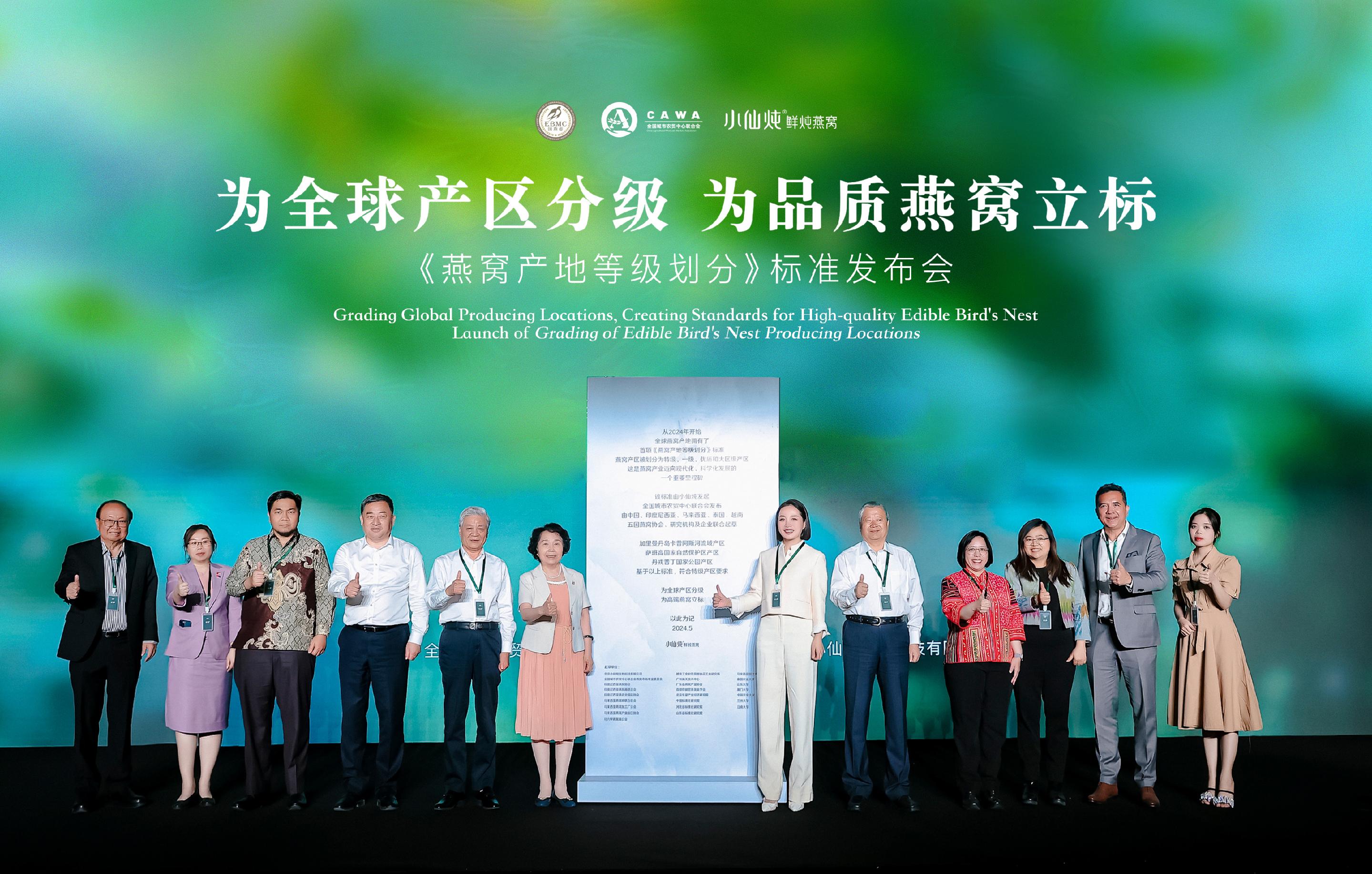
According to seven dimensions including climate, temperature, precipitation, water system, and forest coverage, the production areas of bird's nest are divided into special grade production areas, first grade production areas, high-quality production areas, and regional production areas. At the same time, the standard also includes Yan houses for the first time in the scope of consideration, dividing Yan houses into special grade, first grade, second grade, and third grade from four dimensions: site selection, construction, daily management, and harvesting.
This logic gives the bird's nest category a clearer expression of production areas, just like wine and whiskey. Just like Bordeaux and Burgundy in red wine, good whiskey also comes from good water sources, good malt, and good barrels. And good bird's nest must also come from good production areas, good rainforests, good ecology, and good swallow houses.
Prior to this, the value of high-quality rainforest production areas could not be recognized, and there was no price difference between good and ordinary raw materials. After classification, good production areas have a recognizable identity for the first time, and the upgrading of production areas has a clear direction. A quality language that recognizes raw materials, trade, and consumption together has been established, and Chinese enterprises have transformed from receivers of rules to writers of rules.
Moving the perspective to Indonesia, the weight of this industrial chain will be clearer. Indonesia is the world's largest supplier of bird's nest, with approximately 80% of the world's bird's nest produced in Indonesia; China is its largest export market - exporting 380.2 million US dollars to China in 2025, accounting for 80.15% of Indonesia's bird's nest exports. On one end is the production area, on the other end is the market, separated not only by the sea, but also by a whole set of industrial language. And what Xiaoxian Stew has established through category innovation is precisely the "grammar" of this language.
Industrial symbiosis: from "cross-border buying and selling" to "community of shared destiny"
The real industry chain going global is not about bringing orders over, but about keeping standards, management, and long-term principles. Standards can be written on paper, symbiosis must grow locally.
Lin Xiaoxian, the founder of Xiaoxian Stew, once mentioned that when they first entered the Indonesian production area, the local industry was accustomed to the logic of "selling dried bird's nest" and did not pay enough attention to key issues such as the nutritional indicators of raw materials. Practitioners lacked a clear understanding of "what Chinese consumers want". If we push the standard hard, we definitely won't be able to push it. The method of Xiaoxian Stew is to break down the core elements that affect quality into the smallest units, and teach local employees point-to-point - for example, there are clear standards for picking hair, and achieving them is the standard.
At the beginning, the Indonesian Chinese partners who were willing to cooperate with Xiao Xian were those who could understand Chinese philosophy; With the increase in orders and market recognition, more and more suppliers are actively adjusting according to the standards of Xiaoxian Stew. Dr. Bodi, a global expert in bird's nest, a PhD in biology from the University of Hamburg, and the president of the Indonesian Bird's Nest Association, publicly stated, "Xiaoxian Stew is always looking for the highest quality bird's nest raw materials, which coincides with our company's mission. Therefore, we will exclusively supply products from high-quality bird's nest houses in the best production areas for Xiaoxian Stew to use
Behind the transformation from 'I have to do according to standards' to' I have to do according to standards' is the long-term accumulation of orders, trust, and common growth - this is exactly what 'you have me, I have you' looks like on the front line of the industry.
Parallel to standards is a longer-term symbiotic path: sustainable development. Kalimantan Island was formed 140 million years ago and is the third largest island in the world. It has a forest coverage rate of over 80%, annual precipitation of over 2500 millimeters, and hundreds of rivers that nourish its pure ecology. It has the largest and deepest tropical peat swamp forest in Asia and is known as the "lung of the earth" and "carbon heart". It is also a habitat for swifts, orangutans, and hornbills. But this rainforest is also under pressure from deforestation, overfishing, and forest fires.
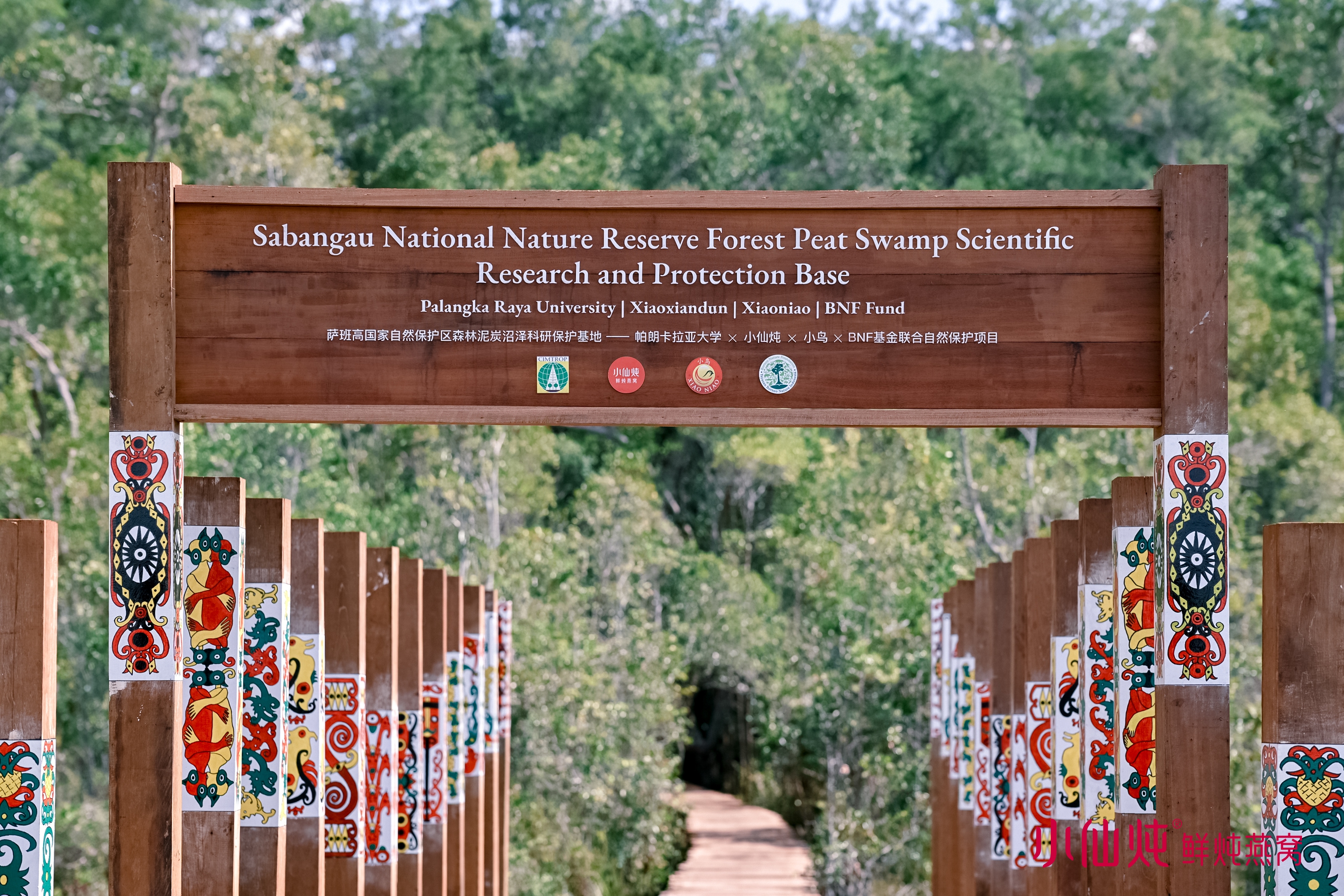
In April 2026, Xiaoxian Stew launched an environmental protection protection plan for bird's nest production areas in Sabagao, Kalimantan Island. It established a special fund for tropical rainforest protection with the local authoritative university, Palangkaraya University, and signed a 10-year environmental cooperation agreement with continuous investment every year. The initial funds will be used to repair the scientific research protection base, safety boardwalk, build a scientific research observation tower, and bird's nest science popularization museum; Carry out hydrological restoration of peat bogs and replant native tree species; Collaborate with local communities to carry out forest protection training and sustainable swallow harvesting science education, promote community joint management of rainforests, and protect local biodiversity.

The logic behind Xiaoxian Stew is straightforward: protecting the habitat of swiftlets is protecting the source of high-quality bird's nest. Only by investing in the ecological environment of the production area can the golden swiftlets continue to settle down; A good place of origin and a good bird's nest house are the key to good bird's nest ingredients. This cycle has made the entire bird's nest industry no longer only pursue output, but also value the long-term ecological value. The 'co' of industrial symbiosis is not only shared with the Chinese market, but also with local communities and local soil and water.
Returning to this signing, the premise is that the consumer side has already formed stable, clear, and sustainable high-quality demand - the demand is solid enough for the supply chain to have the motivation to cross mountains and seas and organize production according to the same set of standards. This is the true mechanism of consumer innovation spillover: it first changes a category, then changes a supply chain, and finally changes the industrial form of a production area.
The Chinese answer in a bowl of bird's nest
Redefine products with consumer demand, reorganize supply chains with product standards, and reshape the industrial form of an overseas production area with supply chain capabilities. This is actually the new quality productivity hidden in the traditional nourishing industry. The reason why this path is feasible is based on the huge market demand in China and the willingness of enterprises to bring standards and management upstream, rather than staying at the level of "buying good raw materials". As Lin Xiaoxian, the founder of Xiaoxian Stew, said, "Only when standards and management go global at the same time can we promote the reshaping of the value of the industrial chain
From the perspective of APEC's cooperation framework of "holding hands instead of letting go, extending chains instead of breaking them", the significance of this signing is essentially the outward transmission of China's industrial chain capabilities and industry consensus, and a pioneering exploration by enterprises in cross-border quality rule coordination.
For industrial cooperation between China and Indonesia, this sample proves that consumption upgrading can become an engine for cross-border industrial collaboration, and the innovative power of the Chinese market can work together with Asia Pacific partners to build a more standardized, sustainable, and resilient characteristic industrial chain.
A bowl of freshly stewed bird's nest may be small, but its validation path is not small.