Economic Observer Follow
2026-11-07 08:19

Economic Observer reporter Liu Xiaonuo
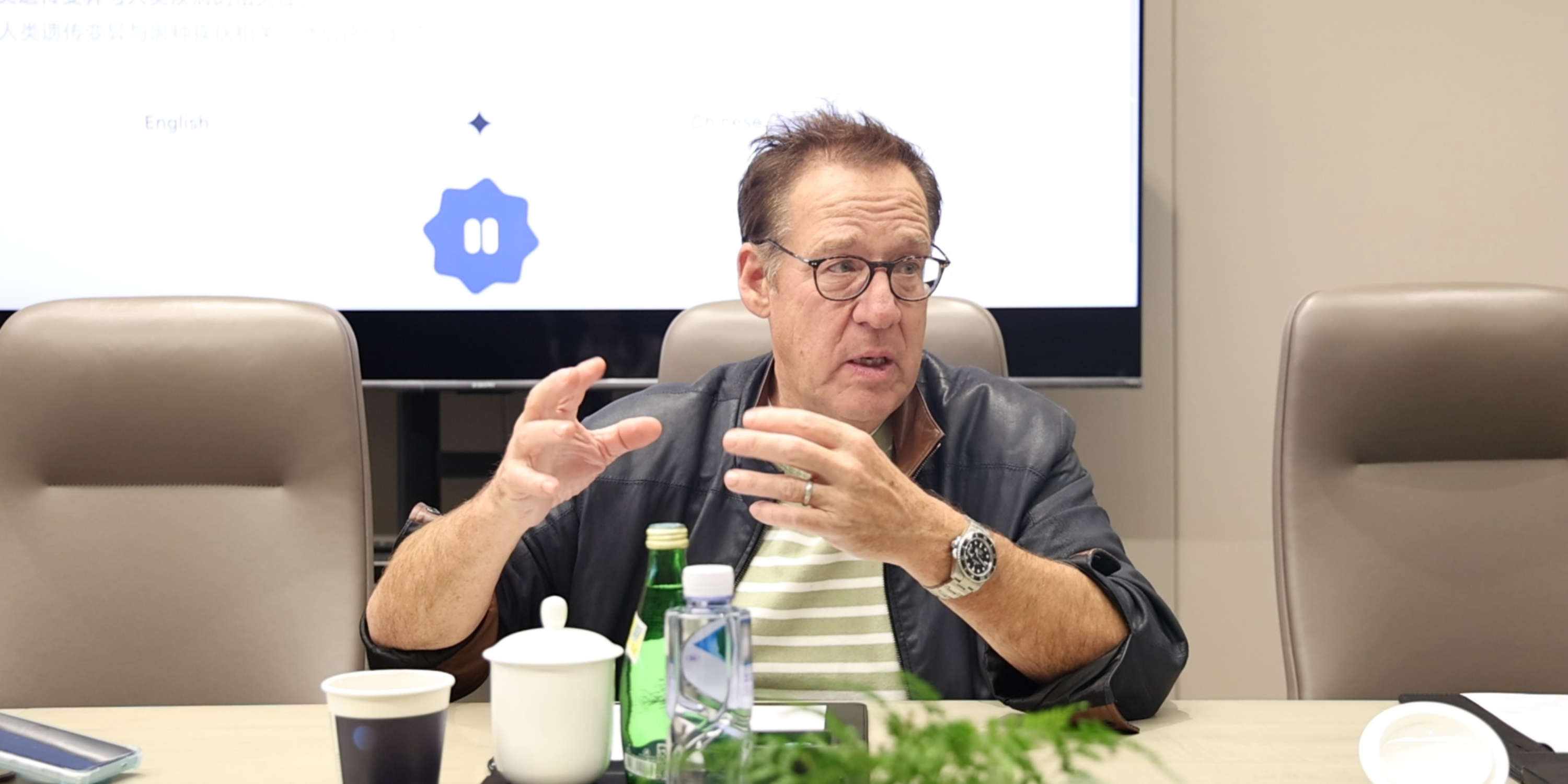
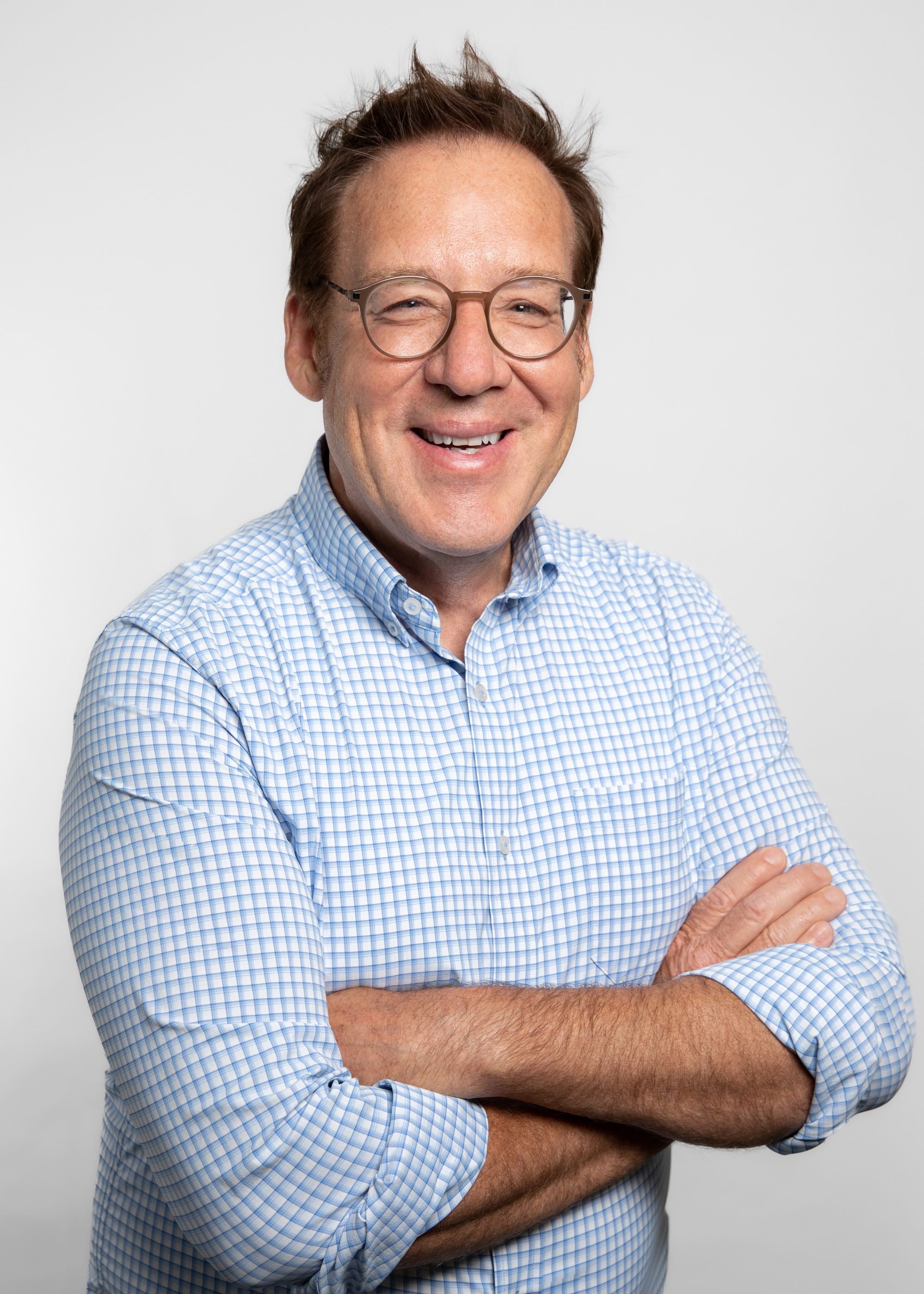
On the morning of October 23rd, a pharmaceutical industry conference in Zhangjiang, Shanghai welcomed an American wearing a casual jacket. He has a tall and robust figure, with a few strands of hair always curling up on his head, like a genius inventor in a comic book.
He is one of the pioneers in the field of chemical biology and an emeritus professor at Harvard University, Gregory Verdine. He said to hundreds of practitioners in the audience, 'ß - catenin, MYC, and RAS, these tumor driver genes should be nailed to the wall of shame.'. ”
Verdine was born in 1959 and was appointed as a tenured professor at Harvard University at the age of 35. He has founded over 10 biotechnology companies in a row, of which 7 have already gone public. He is also a partner of several well-known venture capital funds. The cumulative sales of the three drugs he led the research and development of have exceeded billions of dollars.
His core job is to tackle tumor targets that others cannot make into drugs, especially the members of the "shame wall" - ß - catenin, MYC, and RAS. These targets collectively involve over 75% of cancers, but they are the toughest nails in the pharmaceutical industry. For decades after their discovery, no targeted drugs were developed. People are gradually calling them "untreatable" targets.
Verdine cannot accept this situation. After decades of effort, one of these three major non drug targets has already received a drug on the market, while another drug is about to enter the registration clinical trial stage.
Almost every work of Verdine is a 'primitive innovation' that the Chinese pharmaceutical industry is concerned about. In late October, at the age of 67, he arrived in China after a 7-year absence and embarked on a three-day journey.
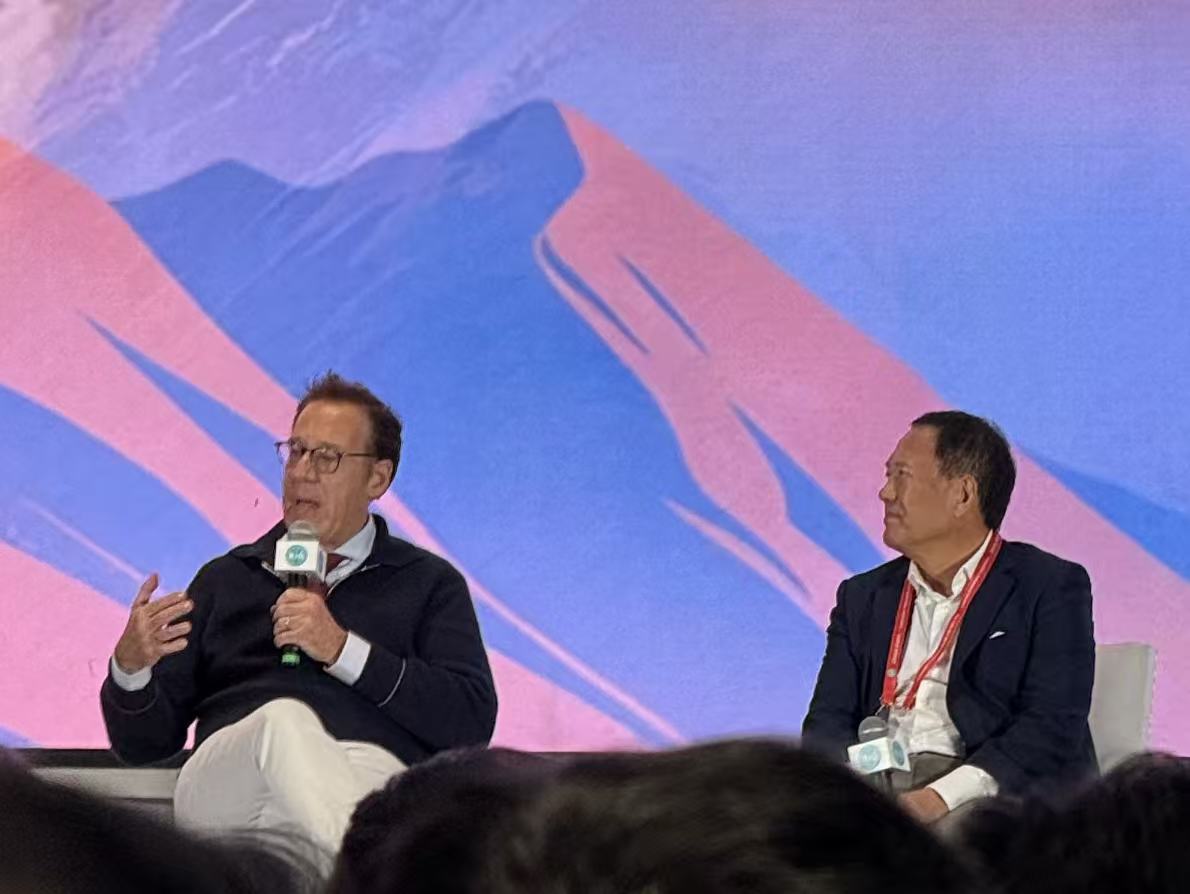
On October 22nd, he received the honor of Outstanding Visiting Professor from Tsinghua University in Beijing. On the 23rd, Verdine attended the conference in Zhangjiang, Shanghai and had a conversation with Wang Xiaodong, founder of Beijing Institute of Life Sciences and BeiGene (688235. SH/06160. HK/ONC).
In Shanghai, Verdine also met his friend Peter Kolchinsky, founder of RA Capital, a renowned American pharmaceutical venture capital firm. Verdine's favorite thing is to sail to Kolchinsky's vacation home and chat for a few hours. Verdine's visit to China was also thanks to his kind invitation.
On the early morning of the 23rd Beijing time, the US Treasury Department announced the implementation draft of the COINS Act, which intends to include biotechnology in the scope of foreign investment restrictions.
We believe that these geopolitical tensions should not really affect us. We just want to discover drugs that can save lives, which is legitimate and pure, and helpful for global health. Therefore, we will firmly defend the freedom to continue this work, "Verdine said.
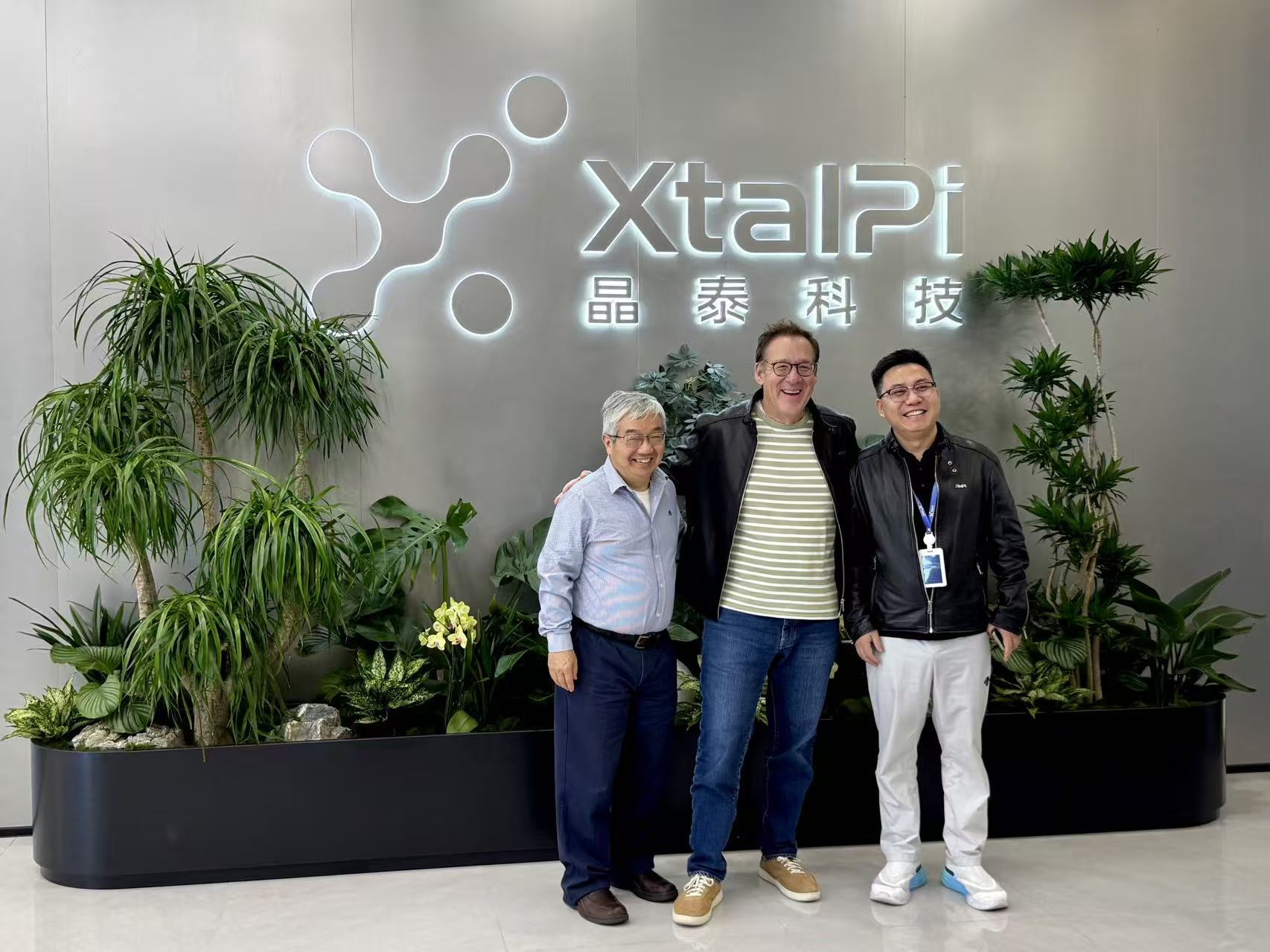
From the reality, cooperation between Chinese and American enterprises is still ongoing. On the 24th, Verdine made a special visit to Jingtai Holdings (02228. HK). In 2025, the two parties reached a major cooperation with a total transaction amount of 5.99 billion US dollars. Verdine told the Economic Observer that they are also pushing forward with some "unprecedented big projects" that, "if successful, could be Nobel Prize level.
In short, I am now full of ambition and more confident, wanting to take advantage of my energy to challenge the biggest problem within my capabilities in the field of drug discovery, "Verdine said.
Cannot be used as medicine? unacceptable
On October 23rd, Verdine played a video at the end of her speech. This is one of the most touching moments in the pharmaceutical industry in recent years: in June 2026, at the American Society of Clinical Oncology (ASCO) Annual Meeting President's Forum, more than 9000 doctors, scientists, and other people from all walks of life spontaneously stood up and applauded for several seconds, giving applause to the world's first pan RAS drug RMC-6236.
Pancreatic cancer is known as the "king of cancer". About 90% of pancreatic cancer patients have KRAS (a kind of RAS) gene mutations, but before that, there was a lack of effective targeted drugs, and treatment options were very limited. The phase III clinical trial data of RMC-6236 showed that the median total survival time of patients with metastatic pancreatic cancer who had received treatment in the past doubled to 13.2 months, and the risk of death was reduced by 60%.
RMC-6236 was developed by American pharmaceutical company Revolution, and this achievement originally originated from Warp Drive, a company founded by Verdine. The patient's survival period has been extended, and this is the reward for our persistence, "Verdine said.
After Verdine's speech, Wang Xiaodong said in a conversation with him, "Our research institute watched the video of the applause, and not many people's eyes were not moist. We all long for such moments
RAS genes were discovered between 1982 and 1983. They drive approximately 20% of human cancers. But over the next 40 years, people experienced countless failures and did not develop pan RAS drugs. In the 1980s, Verdine was a graduate student at Columbia University, engaged in cancer research, and naturally entered the forefront of non pharmacological target research.
In the mid-1990s, the issue of non drug targets in the field of cancer became very prominent. At that time, Verdine, who was already a professor at Harvard University, truly realized the seriousness of the problem while serving as a consultant for multinational pharmaceutical company Roche. Verdine remembers that Roche conducted large-scale compound screening on 32 targets, testing approximately 1.5 million compounds for each target, but ultimately did not find a single effective candidate hit compound. Subsequently, there gradually emerged a notion in the industry that targets cannot be used as drugs.
Around 2000, Verdine devoted herself to the exploration of "drugging the undruggable".
I propose this statement in the hope of making my own group of medicinal chemists feel a little ashamed and forcing everyone to solve the problem, "Verdine said." If 75% of cancer patients are affected by drug formulation issues, we cannot just spread our hands and say, 'Okay, they cannot be used as drugs.' I cannot accept this surrender
Among all non pharmacological targets, RAS is the largest prey. The difficulty in developing drugs is due to its structure: its surface is almost flat and lacks hydrophobic pockets that are easy to bind, making it difficult for small molecules to insert. Verdine needed a new type of medication, and nature inspired him.
There is a drug found in nature called molecular glue, such as cyclosporine, which is used to prevent organ transplant rejection. Cyclosporine can inhibit a target protein, but it cannot directly bind to that target protein; On the contrary, it will first bind to the abundant presence of cyclophilin (a protein) in the cell, forming a new composite surface, and then it can bind to the target protein, thereby blocking the relevant signaling pathway.
The Verdine team initially wanted to find molecular gels in nature that could act on RAS. They launched a large-scale screening, but to no avail. So they came up with a new idea: if the cyclophilin skeleton is retained and cyclosporine is replaced with an artificially designed small molecule, the new composite surface can bind to RAS, blocking the position where RAS interacts with downstream proteins and blocking the signal transmission that promotes tumor growth.
Ideas are just ideas. Verdine spent over four years searching for investors. In 2008, he first introduced this idea to donors at Harvard University, but in their eyes, Verdine seemed to be speaking an alien language. In 2009, Verdine became a venture partner at Third Rock, a well-known biopharmaceutical venture capital firm in the United States. He wanted Third Rock to invest, but the investment conditions were constantly raised. Verdine almost felt that this matter could never succeed.
Until 2011, he listened to the advice of Rick Klausner, former director of the National Cancer Institute in the United States, and flew to Paris to meet with Elias Zerhouni, then head of research and development at Sanofi, for an hour. He gained the support of both him and Sanofi's then CEO Chris Viehbacher - Sanofi was willing to invest, provided that Third Rock also contributed half.
In 2012, Verdine founded Warp Drive and raised $125 million in its first round, with investors including Sanofi and Third Rock. Based on previous research in Verdine's laboratory, Warp Drive has further developed a ternary complex drug discovery platform and conducted drug development targeting RAS.
In 2018, Warp Drive was acquired by Revolution, also incubated by Third Rock. After acquiring Warp Drive, Revolution conducted multiple rounds of drug chemistry optimization based on the technology and related achievements pioneered by Warp Drive, ultimately developing the RAS inhibitor RMC-6236.
In August 2026, RMC-6236 was approved for market in the United States, becoming the world's first pan RAS inhibitor.
Making medicine is like improvising
My mission on Earth is to bridge the gap between our understanding of human diseases and their causes, and our ability to take action to treat them, "Verdine told the media at Tsinghua University on October 22nd.
Verdine was born in New Jersey, USA in 1959 and grew up on the North Atlantic coast. This is an ordinary blue collar family, and no one in the family has attended university. At the age of 5, Verdine's father unfortunately became paralyzed, and he took on the task of caring for him, serving as his father's hands. At the age of 7, he attempted to modify wheelchairs and later built several ships under his father's guidance.
After graduating from high school, Verdine did not apply to college. But his teacher quietly filled out the application form for him and also found a sponsor. When Verdine received the admission letter from St. Joseph's University, she thought she had made a mistake. At first, he didn't know what he wanted to study, so he chose to major in English. But two and a half years later, Verdine could no longer bear the heavy writing task and turned to studying chemistry at the suggestion of her classmates, deeply attracted by the organic chemistry laboratory class.
Verdine discovered that organic chemistry requires improvisation everywhere. Verdine discovered the charm of improvisation while building a ship with her father. In the world of chemistry, Verdine also enjoys disassembling molecules and reassembling them for design.
Years later, Verdine realized that developing drugs for non pharmacological targets was largely an improvisation.
Verdine said that although the venture capital industry has a rule of "not taking on both a new target and a new type of risk at the same time," there are always some difficult targets that cannot be solved through existing methods, and new types of drugs must be invented.
So Verdine invented the famous new drug type - staphylpeptides - in her laboratory at Harvard University.
This invention originated from a series of reverse thinking: although it is difficult to find small molecules that can bind to proteins such as β - catenin, these proteins can actually bind to other proteins. If the protein is made into an extremely simplified version, allowing it to pass through the cell membrane like small molecules, it can bind to these intracellular targets. Since the vast majority of proteins and polypeptide chains that can pass through the cell membrane are alpha helix structures, this new drug should also exhibit an alpha helix structure.
The next question is, how can we make it?
Around 2000, Verdine's laboratory invented a set of techniques. They embedded a fully carbon hydrogen chain in one or two spiral sides, forcing the originally disordered peptide to form an alpha helix shape like a staple and maintain stability. In 2004, Verdine collaborated with other scientists to publish a paper in Science confirming that this peptide chain could enter cells and exhibit anti-tumor activity in a model.
After improving and iterating the stapled peptide technology, Verdine's team began studying ß - catenin targets that are more common than RAS - at least 20% of human cancers have Wnt/β - catenin signaling pathway dysregulation, and the actual proportion is even higher.
In 2015, Verdine founded FOG Pharma to develop stapled peptide drugs targeting β - catenin. In the early years, Verdine personally served as President and CEO until 2024 when she withdrew from the management and board of directors.
FOG stands for Friends of Greg. It is worth mentioning that from the beginning, some Chinese friends believed that this must be done, "Verdine said. Early investors in FOG Pharma included Boyu Capital, Li Ka shing's Victoria Harbour Investment, as well as venture capital funds and founder Li Ge from WuXi AppTec (603259. SH).
In 2024, FOG Pharma will be renamed Parabilis Medicines, meaning "beyond possibility" and "achievable". In June 2026, Parabilis went public on NASDAQ and ultimately raised approximately $770 million, making it the largest IPO in the history of the US biotechnology industry at the time.
In October 2026, at the annual meeting of the European Society of Oncology (ESMO), Parabilis released updated Phase I/II clinical data for zolucatetide in the treatment of fibroadenoma: among 18 patients who completed the 32nd week efficacy evaluation, the objective response rate was 72.2%; Among 46 evaluable patients within the same dosage range, the disease control rate reached 100%.
According to Verdine, the first patient to receive treatment with this drug is still on the medication, which means the drug response is long-lasting enough. Considering the drug's activity and tolerability, he believes that zolucateide is likely to eventually receive regulatory approval in the United States.
Now, only the most troublesome child - MYC - remains on the 'Wall of Shame'. ”Verdine said.
Exploring Nobel Prize level Issues in Collaboration with China
In 2025, Verdine invited Wen Shuhao, the chairman of Jingtai Holdings, to challenge an extremely difficult scientific problem together: "If successful, this will be a Nobel Prize level achievement
Wen Shuhao had just undergone a major surgery at that time. The day after the surgery, he held four meetings with Verdine for four consecutive days while inserting a tube and inhaling oxygen, discussing scientific and technological issues. Finally, they reached a complete consensus.
Jingtai Holdings is currently Verdine's most important partner in China. In June 2025, Jingtai Holdings and DoveTree, founded by Verdine, announced a potential cooperation with a total amount of $5.99 billion, which once broke the record for transaction size in AI drug discovery.
Verdine recalled that their collaboration began with his relationship with Wen Shuhao.
Six or seven years ago, an investor introduced Wen Shuhao to Verdine. They only reconnected about two and a half years ago. At this point, Verdine has been impressed by the development of Jingtai Holdings. "It has evolved from a relatively narrow niche direction in the early days to a unique fusion capability, combining physics based drug design and discovery, AI based drug design and discovery, and the accompanying automation.
In June 2025, Verdine founded DoveTree. Just like the connection he rekindled with Jingtai Holdings, DoveTree is a plant that was once thought to have disappeared but was rediscovered - it is called Pigeon Tree, originally from China, with white bracts resembling pigeon wings. Verdine believes that naming something beautiful and unusual after it is very appropriate.
This cooperation covers the fields of oncology, immune and inflammatory diseases, neurological diseases, metabolic disorders, and other diseases, involving multiple preclinical stage large molecule and small molecule innovative drug assets. Jingtai Holdings will also conduct new drug research and development for a series of targets designated by DoveTree, and DoveTree has exclusive rights to the global development and commercialization of these drugs. Jingtai Holdings can receive milestone payments and sales revenue sharing based on these projects.
We will start with the best projects in our class, develop them into platforms, and then move towards pioneering projects in our class, "Verdine said.
Their first drug is expected to enter clinical trials in 2027, and if our mission is successful, its financial value and impact on humanity will be at least as significant as achievements like Revolution. If this collaboration model is validated, we will have the opportunity to raise more funds to continue challenging the next major disease problem. ”Verdine said.
The most ambitious early project is still confidential. Verdine is cautiously optimistic about this project, stating, 'If we are highly focused, we may know in a few months that this path will work.'.
In the era of AI, learn biology
Do you think AI will ultimately make scientists engaged in drug discovery unemployed? ”On October 22nd, at Tsinghua University, someone asked Verdine this question.
Verdine believes that overall, AI will have a very positive impact on the field of biomedicine. Although mankind has mastered a lot of information about the causes of diseases, it is still far from solving the problems of diabetes, Alzheimer's disease, Parkinson's disease and so on. AI may accelerate the speed of new drug discovery.
People say to train AI with biological knowledge, but unknown things cannot be used for training. There may still be more unknown parts in biology than known. Think about the brain: Do we know how cognition is generated? We still have a lot to learn about human physiology, and there is still such a vast unknown field in the scientific field. ”He said.
If I were to give career advice to children, I would recommend that they study biology. In the coming decades, we will continue to discover new biological knowledge, and these jobs will not disappear, "Verdine said.
How to challenge the unknown and achieve original innovation from 0 to 1 is a recurring theme during Verdine's trip to China.
On October 22nd, Tsinghua University appointed Verdine as an outstanding visiting professor. Qian Feng, Dean of the School of Pharmacy at Tsinghua University, pointed out that Verdine has made fundamental contributions in the field of chemical biology. His cross-border experience provides a rare perspective for people to understand the transformation path from basic discoveries to original new drugs.
The School of Pharmacy at Tsinghua University stated in a post that Verdine embodies what "true innovation" means and demonstrates the exemplary power of daring to challenge and break through world-class scientific problems. "His experience will inspire Tsinghua teachers and students to bravely explore the research no man's land and explore truly transformative original innovations.
One of the reasons why Chinese people are very interested in me is that they really want to enter more ambitious and difficult research and development fields. They are really, really interested... "Verdine told the Economic Observer.
In Verdine's view, China is becoming a new force in the field of drug discovery, following Switzerland, Germany, France, Japan, and even the United States. Chinese drug research and development companies are very skilled in engineering, coupled with the support of AI, and the ability of Chinese pharmaceutical companies to scale manufacturing and drug screening, making China's drug discovery at the forefront of the world, especially injectable biopharmaceuticals.
He also pointed out that China's foreign authorization transactions have received widespread attention in recent years, and most of these transactions involve targets that have been discovered early on or even have drugs on the market. Chinese pharmaceutical companies can significantly improve the performance of these drugs. But in the future, opportunities for improved new drugs will become increasingly rare, as almost all easily achievable performance improvements have been completed.
The next step for China is to take on greater risks in target selection. This will drive companies into higher risk areas. Scientific capability is not a barrier, the key is whether the capital market can accommodate this risk, "Verdine said." Now Chinese companies are integrating, weaker companies are exiting, and stronger companies are becoming stronger - they should be able to develop higher risk products and gradually approach the risk model of excellent American biotechnology companies


 Subscribe