2026-04-06 14:15


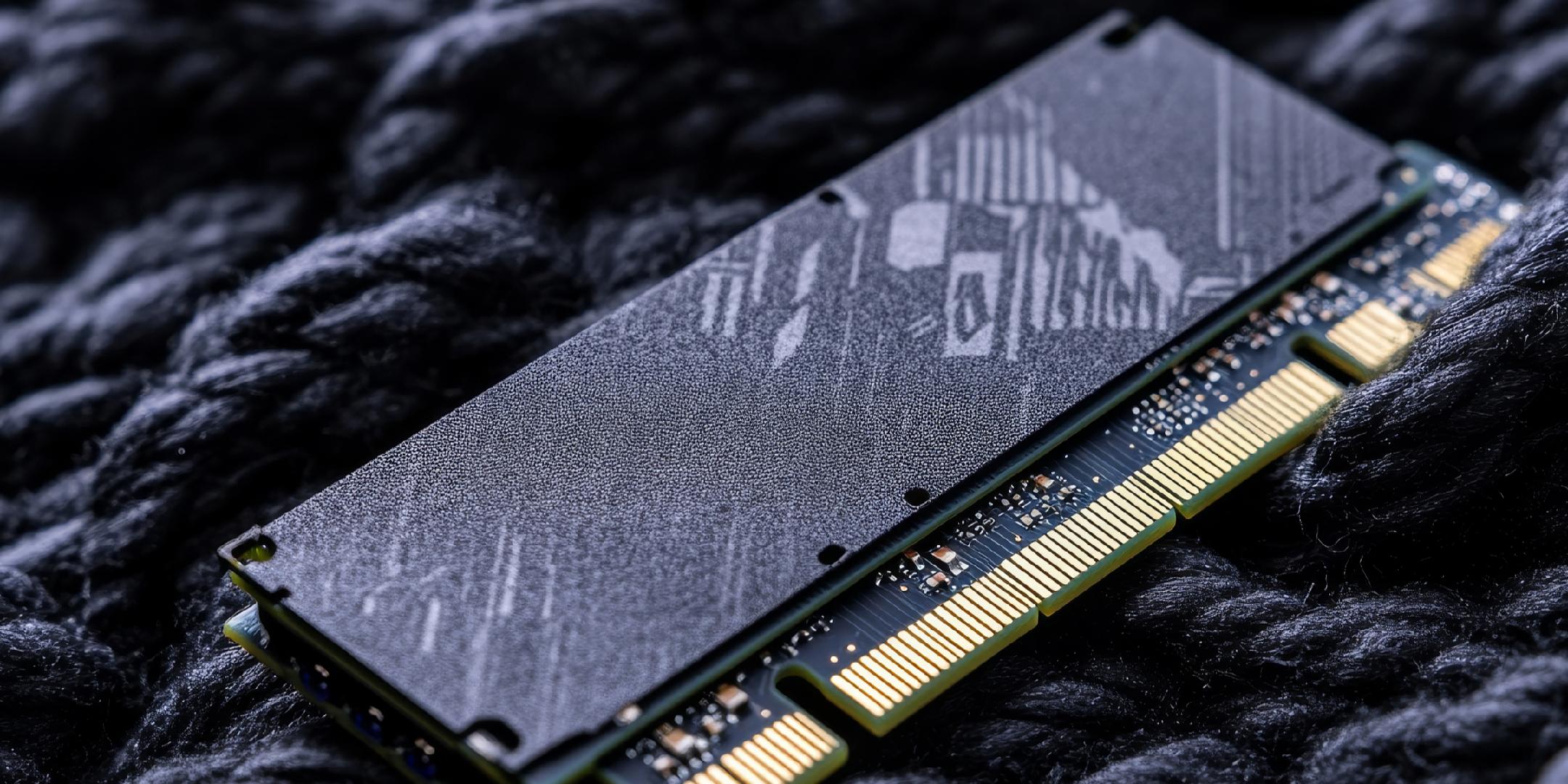
According to foreign reports cited by China News Network on April 6th, US President Trump stated in an interview on April 5th that the US is engaged in "deep negotiations" with Iran and is "very likely" to reach an agreement with it before the deadline of April 7th. The Japanese and Korean stock markets opened on Monday with volatile gains, highlighting investors' cautious and optimistic expectations for easing geopolitical risks.
Storage stocks in the South Korean and Japanese stock markets lead gains
On the morning of the 6th, the South Korean Composite Stock Index (KOSPI) opened at around 5420-5450 points, an increase of about 0.8% -1.5% from the previous trading day's closing of 5377.30 points on April 3rd. The increase then expanded to over 1.8% -2.0%, reaching a high of around 5480 points during the session, and maintaining a volatile pattern after opening high. On the afternoon of the 6th, it rose more than 2% during trading, reaching a peak of around 5505 points.
Samsung Electronics, as the most heavily weighted individual stock in KOSPI, quickly rose after opening in the morning, with an increase of 3% -4% at one point. The stock price remained stable at a high level, contributing the main driving force for the index's rise during the trading session. SK Hynix is also strong, with an early morning increase of 2% -3%. The strong performance of the two heavyweight stocks not only boosted the KOSPI index, but also boosted the activity of the entire electronic technology sector.
At the same time, the Nikkei 225 index opened at around 53165 points, slightly higher than the previous trading day's closing of 53123.49 points (April 3), and then the increase expanded to around 0.7% -0.9%. The highest point reached the range of about 53500-53600 points during the day, and remained around 53700-54001 points in the afternoon, with an increase of about 1.1% -1.65%. Overall, it showed a gentle upward trend after opening high. In the Japanese stock market, Kioxia Holdings, as the main manufacturer of NAND flash memory, rose about 1.9% in early trading and expanded its gains to 4.2% in the afternoon. It performed outstandingly in the electronic technology sector. The company had previously experienced fluctuations due to the impact of the Middle East conflict, and the progress of this negotiation signal may alleviate concerns about energy and logistics disruptions.
NH Investment&Securities and other local securities firms in South Korea pointed out that KOSPI was able to quickly rebound above 5400 points today, reflecting the market's positive response to the "short-term geopolitical risk premium decline". However, institutions generally remind that this round of rise is more of an "event driven emotional repair" rather than a trend reversal. The details of the negotiations are still uncertain, and if Iran's response is too tough or the agreement is delayed, the rebound in oil prices may once again suppress the index.
Looking back at the US Iran conflict, since the end of February 2026, the safety of shipping in the Strait of Hormuz has been threatened, the global energy supply chain has been under pressure, oil prices have surged in the short term, and the stock market has experienced severe fluctuations multiple times. From March to early April, market concerns about further escalation led to multiple stock market corrections in Japan and South Korea. Japan, as a major energy importing country, and South Korea, as a semiconductor export dependent economy, were both significantly affected.
Can A-share storage leaders resonate?
Based on recent market data, the stock prices of South Korean storage giants Samsung Electronics and SK Hynix have risen, forming emotional transmission and fundamental resonance for A-share storage sector leaders such as Zhaoyi Innovation (603986. SH), Jiangbolong (301308. SZ), and Baiwei Storage (688525. SH).
Since early April, the A-share storage sector has entered a period of high volatility and adjustment from its March high, with the index slightly falling and individual stock differentiation intensifying. The CSI Storage Chip Industry Index (980138) closed at 1871.83 points on April 3, a daily decline of 0.66%.
In terms of individual stocks, Zhaoyi Innovation rose 7.10% on April 1st, but fell 3.14% on April 2nd, and slightly rebounded 0.85% to 249.10 yuan on April 3rd. From the end of March to the beginning of April, Baiwei Storage was supported by the residual heat of previous performance exceeding expectations, but there was a pullback in early April, resulting in an overall decline from high levels. The trend of storage module stocks such as Jiangbolong is also quite similar, with stock prices entering a period of volatility after showing strong performance in March.
There is another 'interlude' in the current pullback of storage stocks. On March 24th, a Google Research paper proposed a new AI memory compression algorithm that can compress the key value cache (KV cache) in Large Language Model (LLM) inference to 1/6 of its original size. The market quickly interpreted this as a "significant decrease in AI memory demand," triggering panic selling of global storage chip boards. But afterwards, the institution clarified that the Turbo Quant technology mentioned in the paper mainly affects the inference stage KV cache, and has limited impact on the training HBM and NAND flash core requirements. In the long run, it actually benefits the overall storage demand.
Subsequently, multiple securities firms' research reports pointed out that the storage industry is currently in the middle and early stages of a super boom cycle, and product supply shortages will continue until at least 2027. Samsung, SK Hynix, and Kaixia Deng's performance guidance for Korean and Japanese companies exceeded expectations, coupled with the increase in NAND contract prices, directly verifying the high boom. A-share storage module leaders will directly benefit from global cycle transmission, leading to short-term performance explosions.
In the short term, if the US and Iran reach an agreement or make positive progress, it will lead to a rebound in market risk appetite. Conversely, the storage sector, as a high beta product, may once again come under pressure.


Where is the way out for small and medium-sized pig farmers to accelerate their exit when the price of live pigs drops to the lowest point in nearly 7 years?
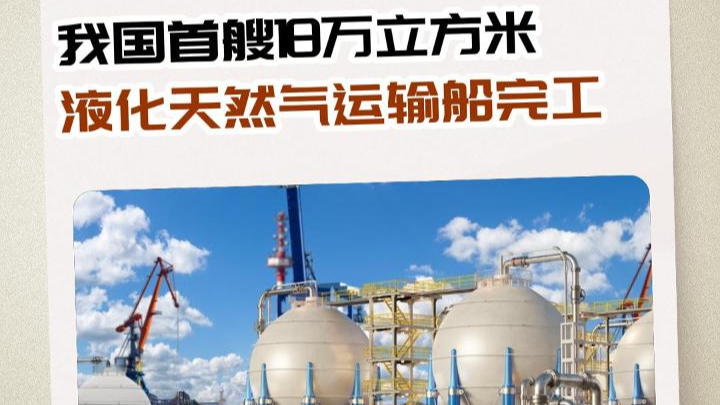
China's first 180000 cubic meter liquefied natural gas transport ship, independently designed and constructed, has been completed
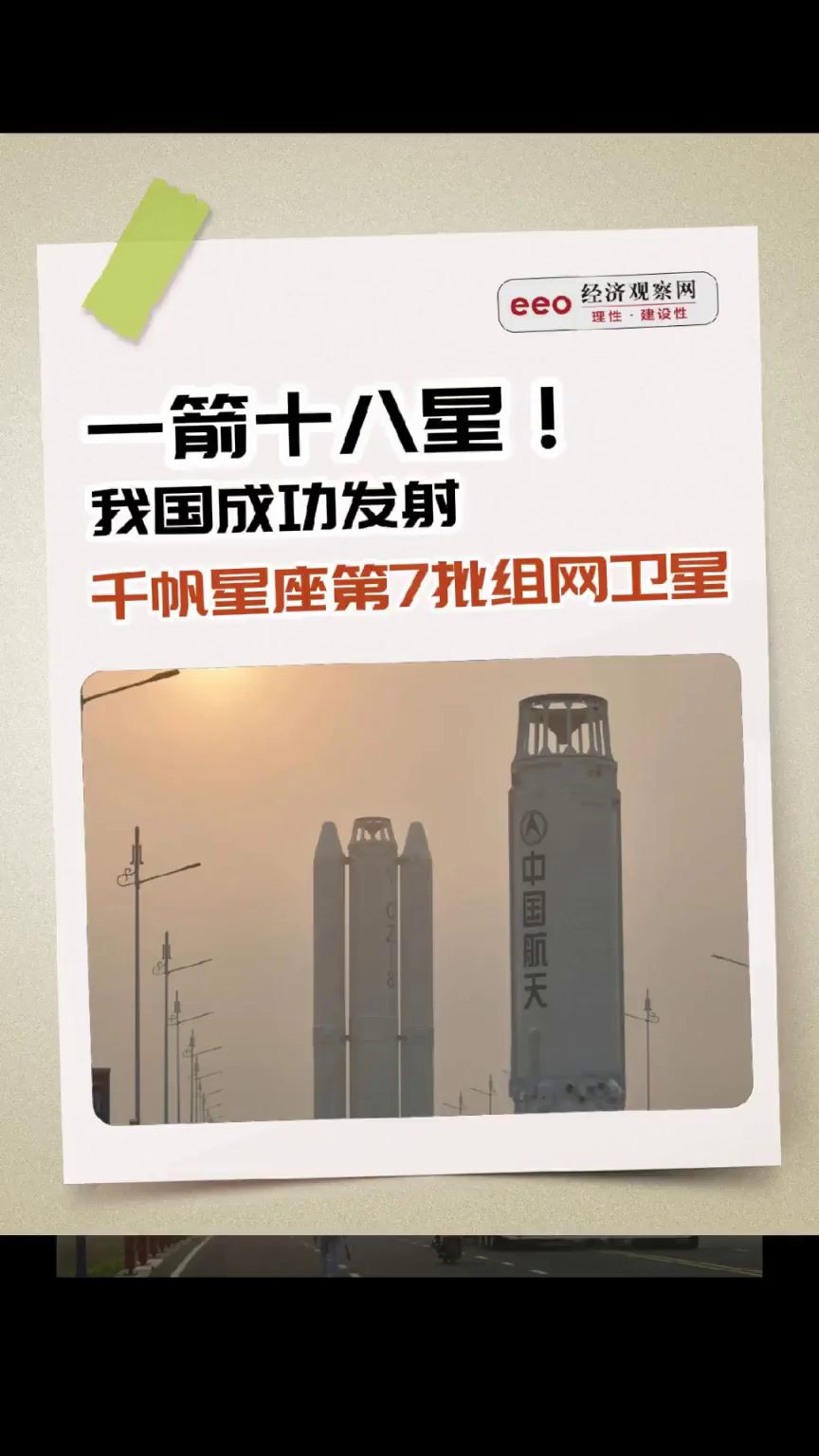
One arrow hits eighteen stars! China successfully launches the 7th batch of networked satellites for the Thousand Sail Constellation


 WeChat registration or login

 Subscribe