Economic Observer Follow
2026-04-03 18:57


Economic Observer reporter Liu Xiaonuo
The drug tariffs announced by US President Trump multiple times seem to be one step closer to implementation.
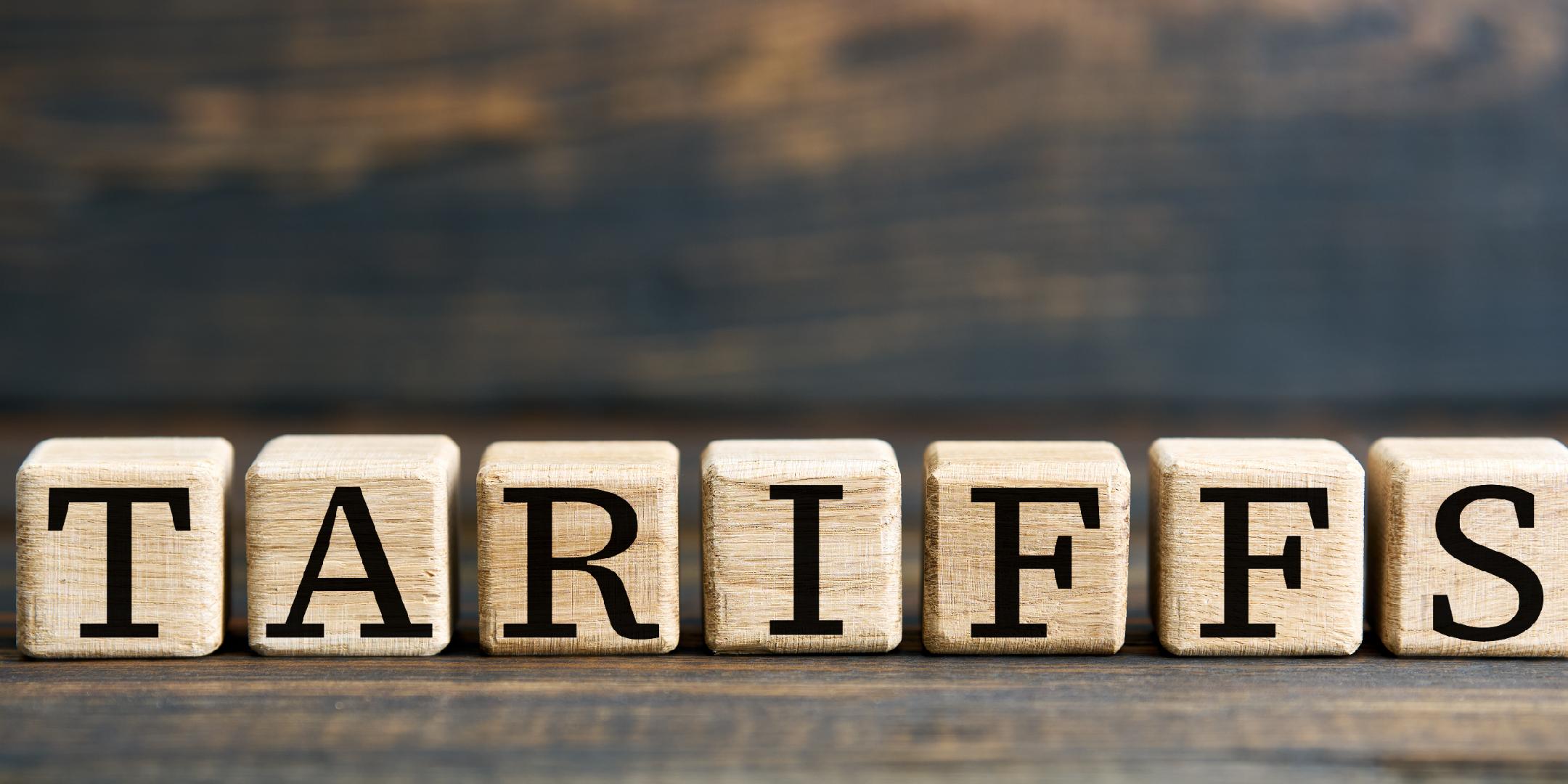
On April 2nd, the White House announced that President Trump had signed a document that, in accordance with Section 232 of the Trade Expansion Act of 1962, the United States would impose 100% tariffs on some imported patented drugs and their related active pharmaceutical ingredients (APIs).
However, the tariff policy is not immediately effective. The document released this time also provides a path for exemption or reduction of tariffs, with the core intention still being to reach an agreement between pharmaceutical companies and the White House on drug prices and industry return.
Trump stated that he will instruct the Secretary of Commerce and the Secretary of Health and Human Services to continue negotiations to address the threat to national security posed by imported patented drugs and related pharmaceutical ingredients. The document states that if the relevant agreement cannot be negotiated, executed, or becomes invalid within 180 days, the President may take additional actions to adjust imports.
The Trump administration claims that the United States' dependence on imported patented drugs and related drug ingredients has risen to a national security issue, which will affect the United States' access to life-saving drugs in the event of global supply chain disruptions caused by geopolitical or economic turmoil. According to data from the US Food and Drug Administration, by 2025, approximately 53% of domestically patented drugs in the United States will be produced abroad. The degree of import dependence is significant at the API level, with the US market accounting for only 15% of patented APIs.
It is worth noting that this tax does not apply to all drugs, but to patented drugs and related ingredients. In the document, Trump stated that he will not adjust the import of generic drugs and their related ingredients (including biosimilars), including purchasing generic drugs and ingredients for strategic raw material reserves.
The 100% tax rate is not immediately applicable to all imported drugs. According to the White House announcement, companies that have developed and approved localized production plans will be subject to a 20% ad valorem tariff on patented drugs and related drug ingredients produced and imported into the United States, which will increase to 100% after 4 years. For companies that have both localization plans and signed most favored nation (MFN) drug pricing agreements, no tariffs will be imposed.
For Chinese companies that export their patents through a license out model, the direct impact of this policy is limited, as their overseas partners are often large multinational pharmaceutical companies. But for Chinese companies that still want to go global and commercialize independently, if this policy continues to be effective, it will still pose significant challenges in the future.
Among Chinese pharmaceutical companies, BeiGene (688235. SH/06160. HK/ONC. NASDAQ) is a model of independent overseas expansion. In July 2024, BeiGene launched its flagship clinical research and development and biopharmaceutical production base in New Jersey, USA, and collaborated with global contract manufacturing service providers. By establishing its own factory and collaborating with CDMO (Medical Contract Research and Production Organization), BeiGene has avoided the scope of tariff policies. On April 2nd, BeiGene's US stock rose slightly by 0.76%.
Chen Zhu, Chief Analyst of the Medical and Health Industry at CITIC Securities, analyzed the Economic Observer that products that are still in the research and development stage are not affected by tariffs, only patented or branded drugs in the commercialization stage are affected. The proportion of revenue in the commercialization stage varies greatly among different Chinese companies.
He believes that the policy is expected to have a relatively small impact on domestic CXO (pharmaceutical outsourcing services) enterprises, and domestic CDMO suppliers mainly supply core intermediates rather than directly supplying APIs, so the overall impact ratio is limited. Even if a small number of domestic enterprises supply APIs, the proportion of APIs in the cost of patented drugs is very low, and it will not constitute a transmission impact on the supply chain.
Some top Chinese pharmaceutical executives also told the Economic Observer that this new tariff policy has little impact on the Chinese pharmaceutical industry.
Prior to this presidential announcement, Trump had repeatedly mentioned drug tariffs.
In February 2025, Trump stated that drugs and chips may face tariffs of "25% or higher". In April, the US government launched a "232 investigation" into semiconductors and drugs, including investigating the impact of imports of "drugs and drug ingredients, including drug products," on US national security.
In May 2025, the White House signed an executive order to lower prescription drug prices; In July and December, the White House continued to release updates on the "Most Favored Nation" drug pricing, promoting the signing of price agreements between businesses and governments.
In August 2025, he publicly announced that the United States would impose "small tariffs" on drugs, which would gradually increase and could even reach up to 250%. On September 26th, Trump posted on social media that "starting from October 1st, 2025, we will impose 100% tariffs on all branded and patented drugs, except for those companies that are building pharmaceutical factories in the United States.

The robot rental market has exploded, and by 2026, the scale of China's robot rental market will exceed 10 billion yuan
Ministry of Education: Compulsory education schools strictly prohibit the establishment of key classes, experimental classes, and fast/slow classes
The US electric vehicle market is experiencing a downturn. Car companies: The trend towards electrification will not change


 WeChat registration or login

 Subscribe