2026-04-03 13:23



On April 3rd, Xiaomi released an explanation on the suggested retail price adjustment for some Xiaomi and REDMI products, stating that due to the continued sharp rise in global prices of key components such as storage chips, after careful evaluation, the suggested retail prices for some products on sale will be adjusted starting from 00:00 on April 11th, 2026.
On the same day, Wei Siqi, General Manager of Xiaomi's China Marketing Department, posted on Weibo that although Xiaomi has been trying its best to curb the impact of rising memory prices on terminal prices, the current rise and magnitude of memory prices have far exceeded expectations. In order to ensure the normal supply and stable quality of products, Xiaomi has to adjust the suggested retail prices of some products on sale.
Xiaomi Group President Lu Weibing later forwarded Wei Siqi's Weibo and stated that the current increase in memory prices has indeed exceeded expectations, with prices for the same version of memory soaring nearly four times compared to the first quarter of last year. The price of 12+512 has increased by about 1500 yuan, and the price of 16+1T has risen even more outrageously. This has had a significant impact on REDMI, which has always priced at the best value for money. Therefore, some models have had to make slight increases in retail prices or restore their original prices.
This adjustment involves three models: starting from April 11th, REDMI K90 Pro Max will increase by 200 yuan per unit, Turbo 5 and Turbo 5 Max will cancel the Spring Festival special offer, and 512GB large memory will continue to be subsidized by 200 yuan. Wei Siqi said that she will try her best to control the impact of the increase in memory prices within the range of as few models as possible.
We can't bear it anymore, we will definitely talk about it. We hope that when we rise, consumers and users can have some understanding of us, "Lu Weibing said in the media at the performance meeting earlier. On March 6th, Lei Jun, the founder of Xiaomi Group, also admitted in response to the question of whether Xiaomi phones will increase in price: "The cost pressure of memory chips is high, so we should try our best to digest this cost pressure through internal efficiency improvement and minimize the difficulty for consumers to accept it
Several mobile phone brands have recently increased their prices. As early as February this year, when Samsung released the Galaxy S26 series, it had already increased its price by 1000 yuan compared to the previous generation. Following closely behind, OPPO and OnePlus announced price increases for some already available models; Although the Honor Magic V6 maintains its starting price of 8999 yuan, the 16GB high memory version has also increased by nearly a thousand yuan.
Afterwards, Vivo also announced that it will raise prices for some models, including its sub brand iQOO. The old models will generally increase by a few hundred yuan, and some flagship phone new products will increase by more than a thousand yuan. The overall increase is expected to be between 15% and 25%. In contrast, the increase of 200 yuan per unit for Xiaomi REDMI K90 Pro Max is not significant.
The core driving force behind this price adjustment is the sustained skyrocketing prices of memory and storage chips. Due to the tight supply of upstream core components, mobile phone manufacturers are unable to digest cost pressures through internal means and can only maintain normal business operations by raising terminal prices.
Countpoint, a third-party organization, previously released a research report stating that the continuously rising memory prices are changing the cost structure of smartphones' bill of materials. Entry level products are most severely impacted, as the significant increase in storage chip prices in the first quarter of 2026 will result in a month on month increase of over 20% in total Bill of Materials (BOM) costs.
The report states that a low-end phone priced at $200, with a typical 6GB LPDDR4X+128GB eMMC storage configuration, will drive a 25% month on month increase in total BOM (production material) costs for this price range in the first quarter of 2026. Storage devices will account for as much as 43% of the total bill of materials.
Specifically speaking of smartphones, in terms of the proportion of BOM (Bill of Materials) costs, low-end smartphones are more affected, while high-end smartphones are less affected.
On March 24th, Xiaomi released its full year and fourth quarter financial reports for 2025, which showed that Xiaomi's revenue reached RMB 116.92 billion in the fourth quarter of 2025, a year-on-year increase of 7.3%. Although mobile phones contributed 44.3 billion yuan in revenue, their overall momentum has begun to weaken, with both year-on-year and month on month declines, with a month on month decline of 3.5% and a year-on-year decline of 13.6%.
At that time, Lu Weibing admitted at the performance meeting that the price increase of memory was an extremely long cycle because its increase would be very large. But from the actual results of the increase, the speed and strength of the increase are even higher than we originally thought. I used to be a radical in predicting the increase in memory prices, but in reality, it is even more radical than my original radical judgment
Lu Weibing believes that although this round of storage price increases is a long cycle, there will always be an end, and the key is what will happen after the price increase cycle ends. According to his judgment, many product categories will undergo a reshaping of the industrial landscape, during which many companies may face extreme difficulties in operation or even struggle to survive. However, at the same time, the difficult external environment will force many innovations, and AI will bring many innovative opportunities to the intelligent terminal industry.
Analysis suggests that in the long run, although the wave of price increases caused by storage chips is fierce, it also forces the Chinese mobile phone industry to break free from pure price competition. Manufacturers are forced to slow down and rethink the core meaning of high-end products - hardcore product strength and differentiated user experience - in order to support higher price ranges. This can be seen as a long-term strategy for manufacturers to cope with supply chain price increases: if a phone can maintain a top-notch experience for three to four years, its initial pricing can actually highlight the long-term "cost-effectiveness" advantage.
Xiaomi's price adjustment is a key signal. With major top manufacturers adjusting prices one after another, the pricing logic of the mobile phone market is undergoing a fundamental transformation. Before the core costs can be adjusted, this industry wide general upward trend may continue for a long time, and high premiums may become the norm in the future mobile phone market.
According to a report released by market research firm IDC in early March, global smartphone shipments are expected to decline by 6.8% year-on-year in the first quarter of 2026. As storage prices continue to rise, some vendors, especially smaller enterprises, face challenges in ensuring supply or bearing costs. The organization predicts a 12.9% decrease in global smartphone shipments and a 0.5% decrease in revenue by 2026. It is expected to grow by 1.9% in 2027 and rebound to 5.2% in 2028.
IDC stated that the storage supply challenge will continue throughout 2026 and may extend into 2027. Although it is expected that the rate of increase in storage prices will slow down in the second half of this year, prices will continue to rise and remain high.
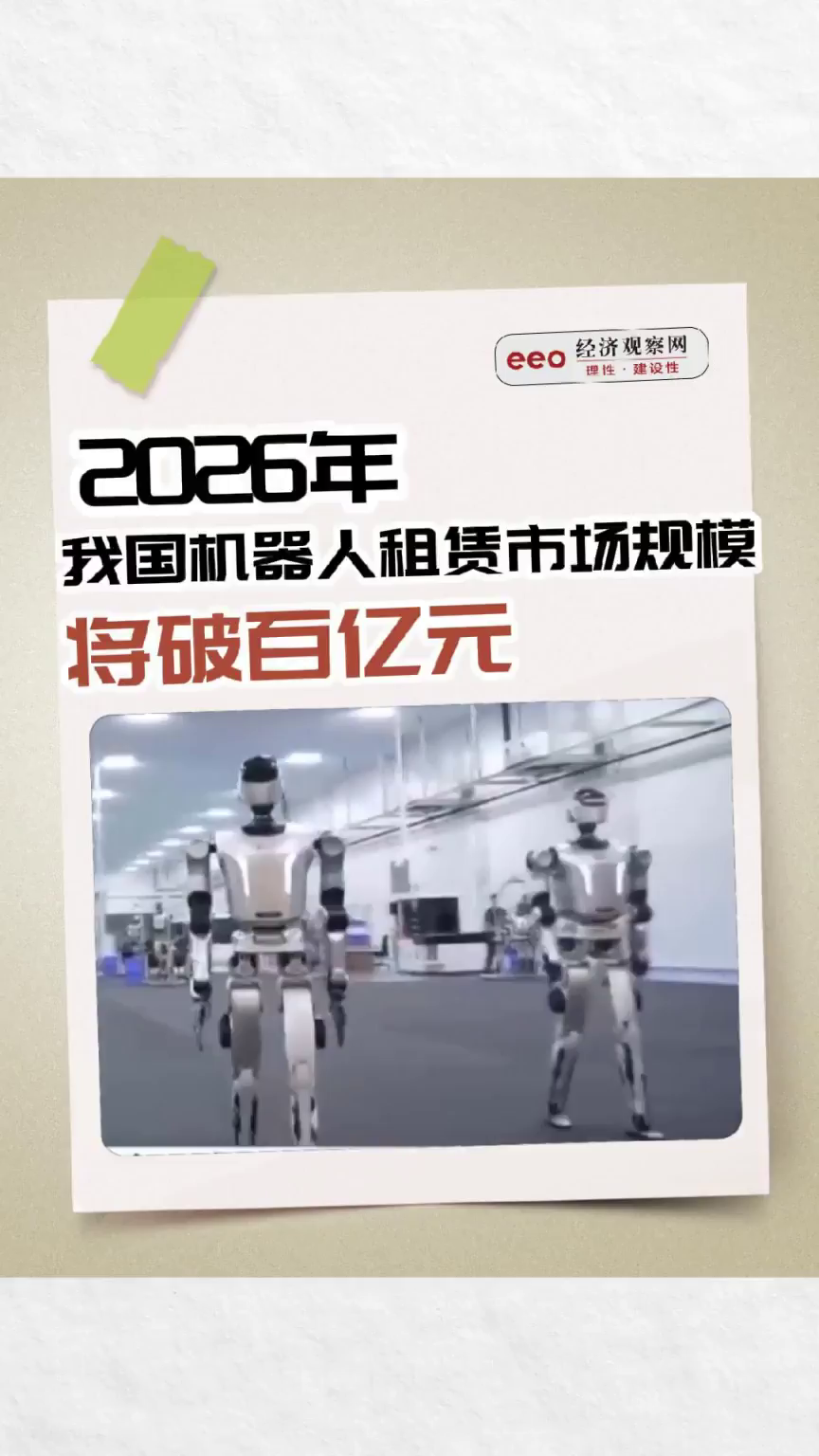
The robot rental market has exploded, and by 2026, the scale of China's robot rental market will exceed 10 billion yuan
Ministry of Education: Compulsory education schools strictly prohibit the establishment of key classes, experimental classes, and fast/slow classes
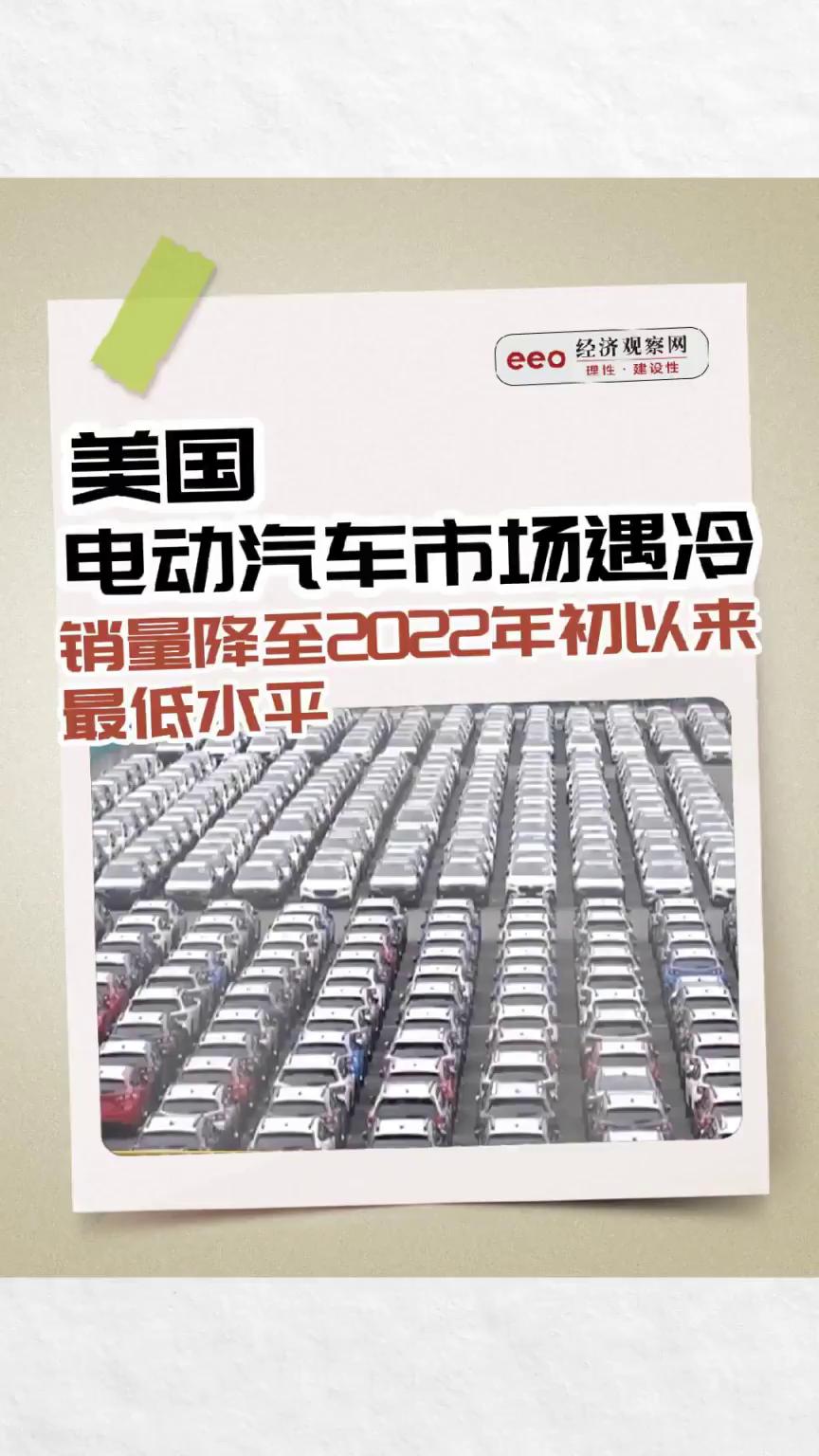
The US electric vehicle market is experiencing a downturn. Car companies: The trend towards electrification will not change


 WeChat registration or login


 Subscribe