


2026-01-13 10:01


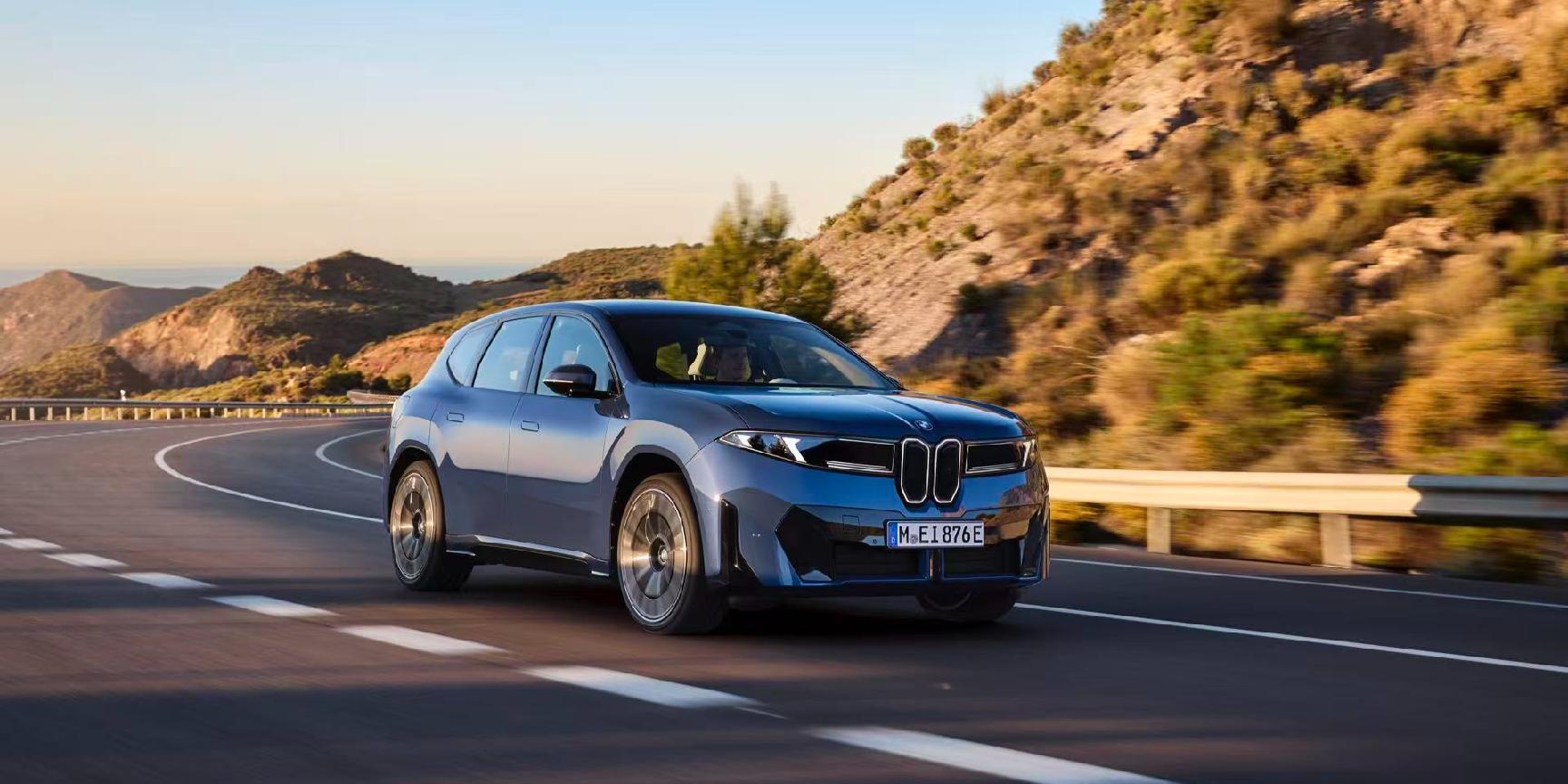
The current Chinese automotive industry is entering the "extreme Stan" defined by economist Nassim Taleb, where volatility and uncertainty have become the norm.
In 2025, the entire industry will face competition restructuring, with market adjustments spanning all categories and price ranges, and enterprises will generally enter a stage of deep reshuffle. According to data from the China Association of Automobile Manufacturers, the cumulative retail sales of passenger cars for the whole year of 2025 will be 23.744 million, a slight increase of only 3.8% year-on-year.
Since October last year, the market has been declining year-on-year for three consecutive months, with the decline expanding to 14% in December. Industry profits continue to be under pressure. At the same time, the penetration rate of new energy has exceeded the critical point of 50%, reaching 53.9%, and the market dominant logic has quietly switched. The industry as a whole is facing severe challenges of slight growth or even decline.
In an era full of uncertainty, the resilience of enterprises is facing unprecedented depth tests. At this point, simply pursuing sales growth is no longer a wise choice. The real challenge is: how to hold the bottom line of value in uncertainty and achieve successful transformation? How can we calmly deal with the fierce competition in front of us without damaging the long-term healthy development of the brand?
Taleb's theory of "anti fragile" systems has pointed us in the right direction. This theory emphasizes drawing nutrients from uncertainty and achieving self reinforcement through fluctuations and pressure. For car companies, facing the ever-changing market environment, building "anti fragility" resilience is no longer an option, but a necessary ability for survival.
BMW, on the other hand, is providing the industry with such an 'anti fragility' sample.
Persist: Build a solid foundation in turmoil
The luxury car market in China in 2025 is characterized by the strong rise of Chinese brands in the high-end field and fierce competition brought about by industry transformation. However, BMW has delivered a steady answer in this pattern.
Data shows that by 2025, BMW Group will deliver approximately 2.464 million vehicles worldwide, achieving positive growth. China remains the largest single market for BMW Group globally, delivering over 625000 BMW and MINI vehicles throughout the year. Despite fierce market competition, BMW's business remains robust and maintains a dominant position among luxury brands. Behind this report card, BMW has built a solid defensive position by continuously cultivating advantageous segmented markets.
It can be seen that despite the severe market environment, BMW's core products still demonstrate strong stability. The mainstream models 3 Series and 5 Series have continued to make efforts in the market fluctuations throughout the year, becoming the "ballast stone" for the brand's basic base. Among them, the BMW 3 Series family has ranked first in segmented market sales for 15 consecutive months, and high-end models have seen a significant increase in sales, accounting for over 50% of the 3 Series family's sales. The monthly average sales of the 5 Series exceeded 10000 units throughout the year, and the cumulative sales of the domestically produced long wheelbase BMW X5 since its launch in 2022 have exceeded 300000 units.This indicates that when the market shrinks, consumer demand does not disappear, but accelerates towards benchmark products in various segmented markets.
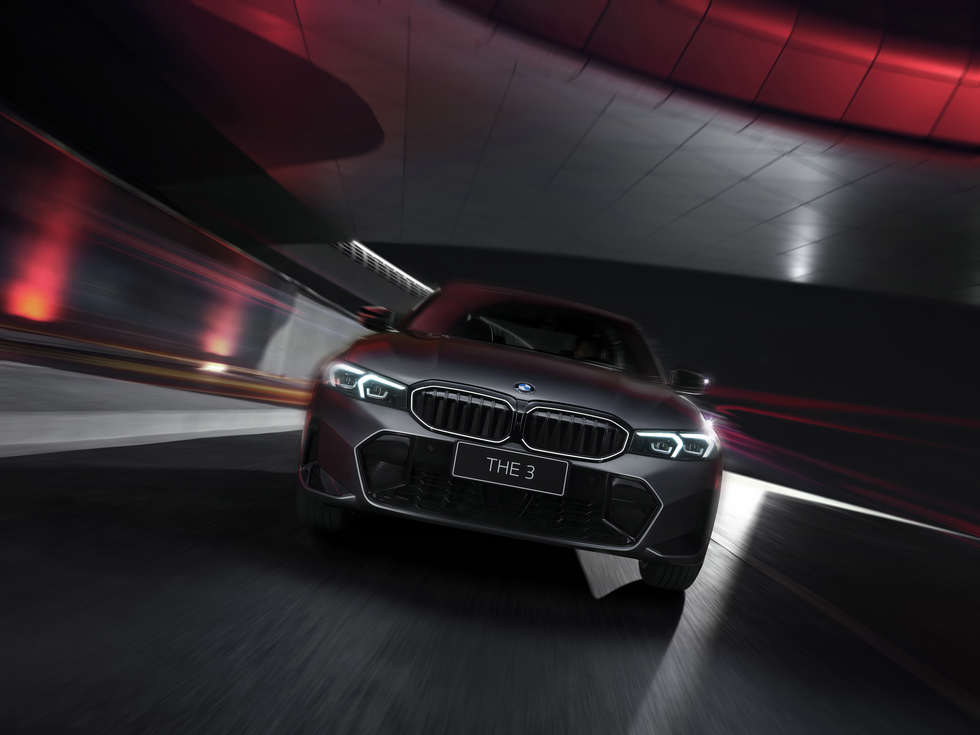
Performance and personality have become another sturdy 'moat' for BMW. The BMW M brand inherits the track genes and represents BMW's ultimate pursuit of precise handling. In 2025, BMW M family's sales in China will increase by 27.9% year-on-year, with annual sales exceeding 10000 units for the first time, continuing to lead the high-performance segment market. With the addition of the all-new M3 wagon and M2 CS models, the current product lineup of the M family in the Chinese market has increased to 25 models.
In addition, the MINI brand has gained widespread recognition in the market with its unique brand personality and design language. In 2025, MINI brand sales will increase by over 25% year-on-year. The counter trend growth of the M and MINI brands highlights BMW's strong appeal in terms of emotional value and driving passion. In the highly homogenized market competition, the distinct brand soul and loyal fan base have built an unbreakable defense line for BMW.
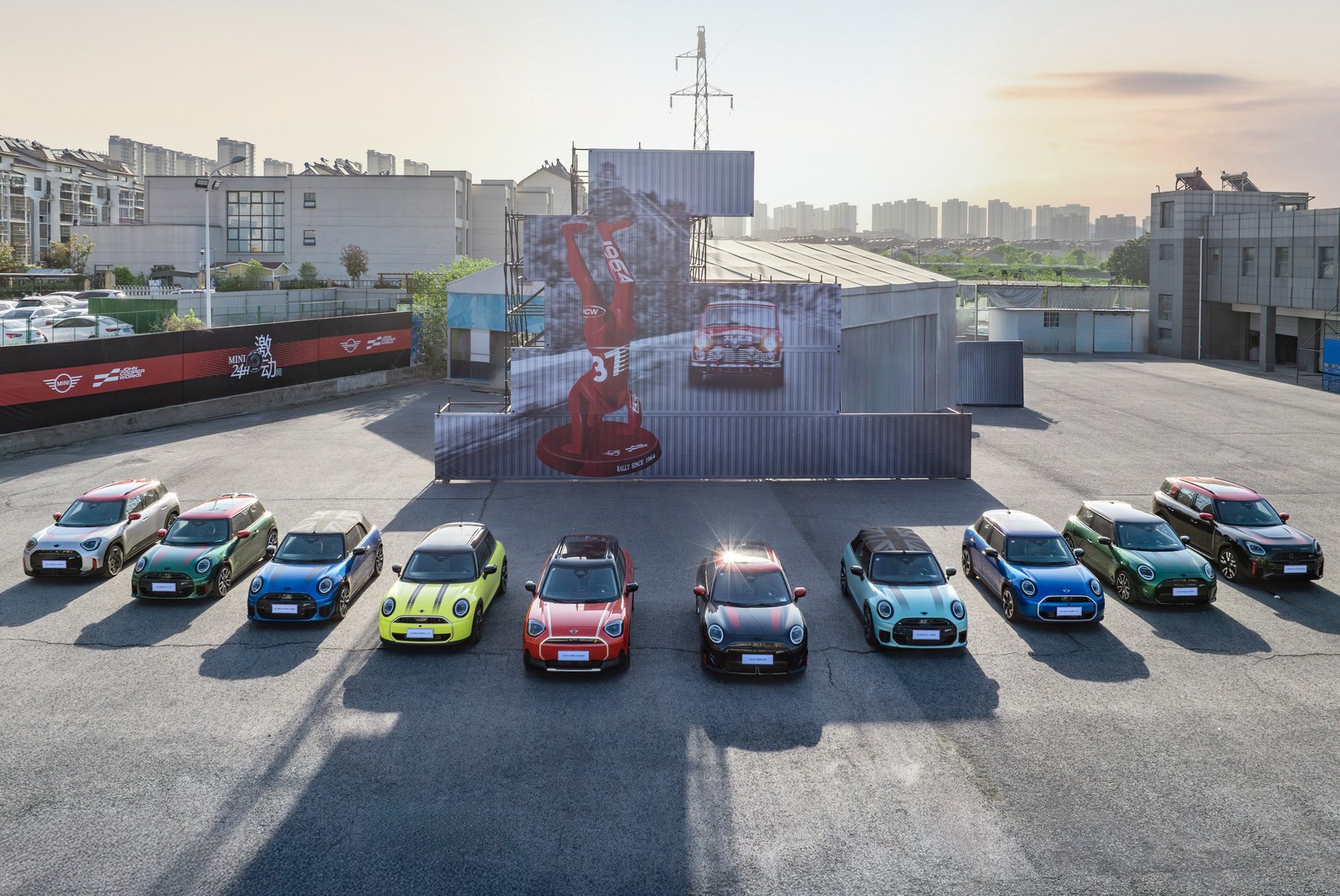
The stable operation of core models and personalized brands not only benefits from BMW's persistent adherence to handling and performance, but also relies on its keen insight and active response to consumer needs. In 2025, BMW's core product line will continuously introduce differentiated and personalized models, accurately responding to the needs of Chinese customers. For example, the BMW 3 Series has launched a limited edition model for its 50th anniversary, which has undergone comprehensive upgrades in both exterior and interior design; The 5 Series has added personalized features such as the Night Package and Gemstone Blue Car Paint, and the domestically produced X5 has once again been refreshed. MINI brand has launched over 10 special edition models in 2025 to fully meet the diverse needs of consumers.
The key to BMW's stable operation lies in placing system health above short-term sales. It is widely believed in the industry that the practice of "exchanging price for quantity" will ultimately lead to a situation of multi-party loss, damage to brand value, depletion of distributor profits, and consumer skepticism about product value, thereby eroding the healthy development of the entire industry chain. In this context, in 2025, while focusing on sales, BMW will invest more resources in "invisible" but crucial areas to build a competitive system and achieve truly high-quality development.
In terms of improving the health of dealers, BMW empowers dealers through multi-dimensional support measures, covering key links such as sales, after-sales, and personnel training, further enhancing the resilience of dealer network operations, and enabling dealer partners to focus more on improving customer service quality. In terms of the industrial chain, BMW drives the upgrading of the local supply chain through its own development, especially in the fields of batteries, battery cells, digital software, etc., to promote the formation of a sustainable industrial development ecosystem. In terms of user experience, BMW continues to invest in brand experience activities, charging network expansion, and digital services to enhance user stickiness throughout the entire lifecycle.
Secondly, the BMW brand has a century long technological accumulation, which will become a significant advantage compared to newly established car making forces. This comprehensive competition model, which has evolved from simple product competition to "product+system+ecology", is BMW's wise choice in an extremely competitive environment and the foundation for its stable operation in fierce competition. It may not guarantee that BMW wins every battle, but it can ensure that BMW has the ability to continue fighting and developing.
Towards the 'New Generation': Embracing Change
Currently, the automotive industry is accelerating its transformation towards electrification and intelligence. For traditional automotive companies, although existing products can help them stabilize their fundamentals, if they want to quickly break through in new tracks, they must make strategic adjustments in a timely manner in the new environment. The highly anticipated new generation model is one of the answers BMW has handed over.
The "New Generation" is the largest investment by BMW Group to date, carrying BMW's new interpretation and understanding of automobiles in the era of electric intelligence. Its core lies in not pursuing simple parameter stacking, but deeply integrating the mechanical and safety qualities accumulated over the past century with the cutting-edge digital demands of the Chinese market, achieving the combination of "long-term quality" and "instant intelligent response".
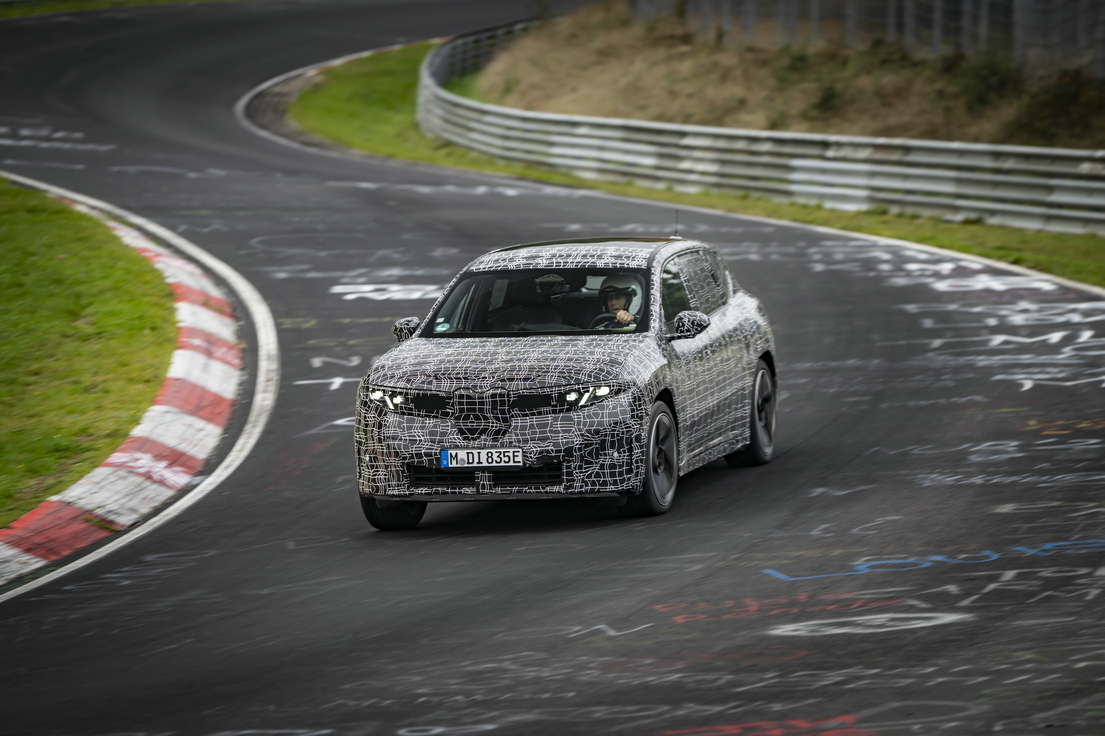
According to the latest news, the first domestically produced new generation model - the domestically produced long wheelbase version of the new generation iX3- will be launched in the first half of this year and in the second half of the year. This car is currently undergoing intensive testing in China.
Specifically, the significant breakthrough of the new generation BMW iX3 lies in its electronic and electrical architecture and three core technologies. The vehicle model built on the new generation architecture will have a 20 fold increase in architecture computing power and a significant enhancement in intelligent driving capabilities. At the same time, the new car will be equipped with BMW's first panoramic iDrive, bringing a relaxed and enjoyable cabin experience; BMW's unique "BMW Driving Control Super Brain" integrates functions such as power transmission, braking, energy recovery, and steering through highly integrated design; In addition, the car will also adopt large cylindrical batteries and BMW's new generation electric drive system.
In the current Chinese new energy vehicle market, domestic brands have taken the lead in the field of intelligent electric vehicles. What will BMW's new generation products stand out on?
As a foreign brand, BMW has always adhered to the development philosophy of "in China, for China, and advancing with China", continuously deepening local cooperation and open innovation. It is reported that the BMW China R&D team is deeply involved in the development of domestic new generation models, fully considering the aesthetic and functional needs of local consumers from the beginning of design, and customizing adjustments in intelligent cockpit, driving pleasure, driving assistance, and comfort, fully reflecting BMW's high attention to the Chinese market.
At present, BMW has established the largest research and development network outside of Germany in China, including four innovation bases and three software companies, in order to respond more accurately and quickly to the needs of Chinese consumers. BMW has also become one of the first car manufacturers to create its own AI intelligent agent platform in China and achieve large-scale deployment. Its self-developed AI intelligent agent platform "GAIA" has been deployed on a large scale in China, driving full chain upgrades.
In order to better meet the needs of Chinese consumers, BMW continues to deepen its cooperation with Chinese technology companies. Collaborating with Momenta to develop an intelligent driving system, partnering with Huawei and Alibaba to reshape the cabin experience, integrating DeepSeek artificial intelligence functions, CATL and EVE Energy supplying sixth generation battery cells, and jointly building a battery closed-loop recycling system with Huayou Recycling. These measures fully demonstrate BMW's deep integration into the Chinese market and close connection with the Chinese technology ecosystem.
In terms of products, by 2026, BMW Group will bring about 20 new BMW, MINI, and BMW motorcycle products to Chinese consumers, including domestic new generation models and personalized models with unique features. BMW stated that the technology cluster of the new generation models will be applied to all future BMW models.
Summary
Looking back at 2025, BMW's performance provides a valuable observation sample for the entire automotive industry, which is in a state of transition anxiety. It proves the value of strategic determination: in times of collective "frenzy" or "panic" in the industry, adhering to one's core values and pace, deeply cultivating advantageous segmented markets, can also build a solid defensive position.
In 2026, with the launch of domestically produced new generation models, BMW may further demonstrate its resilience in the face of pressure, achieving sustained and high-quality development.
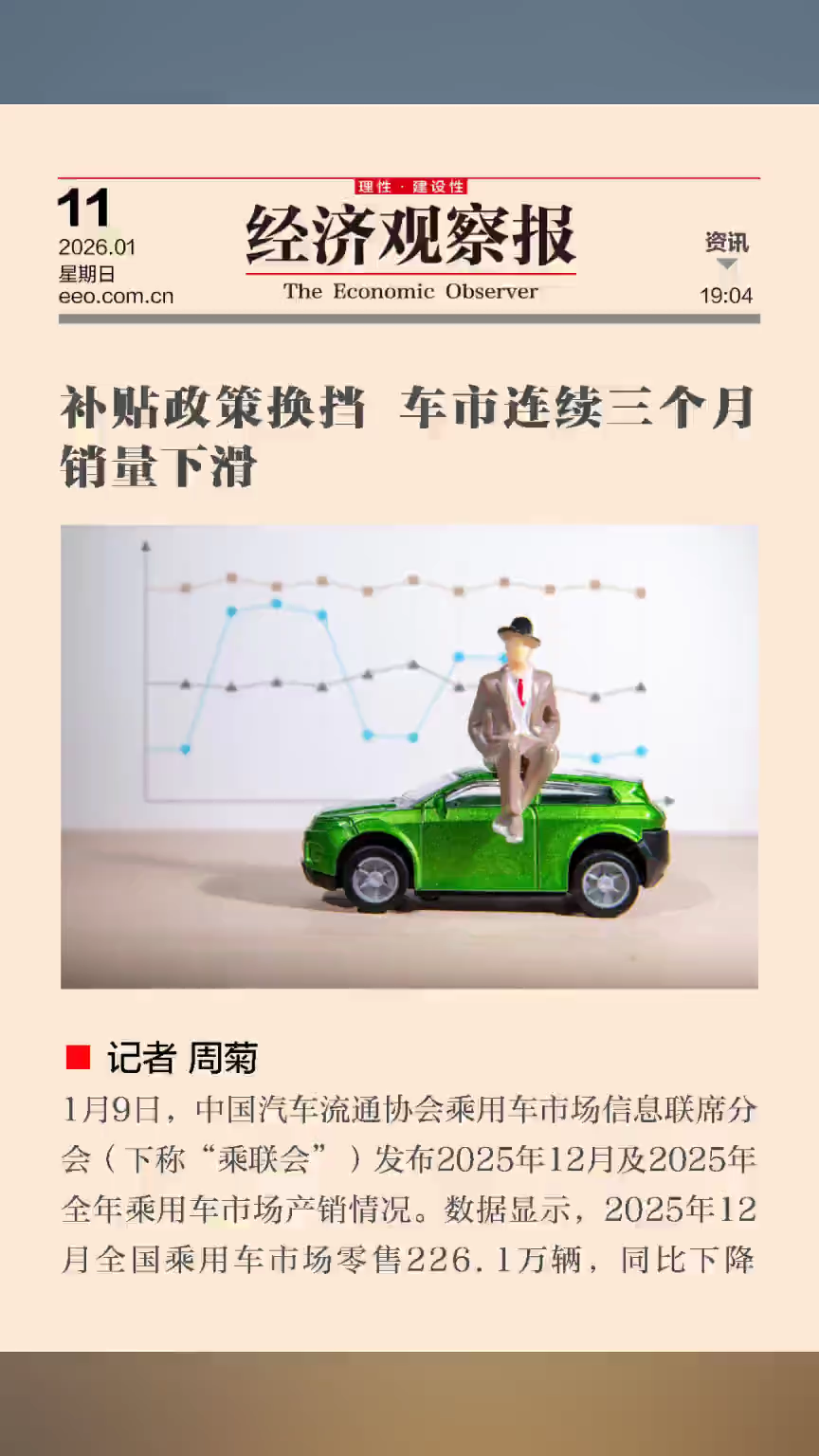
Subsidy policy shifts, car market sales decline for three consecutive months
HSBC reports that gold prices may hit the $5000 mark in the first half of the year, with market expectations that silver prices will continue to rise
How can Herm ? s in the mobile phone case industry make young people rush to buy it?


 WeChat registration or login


