


Economic Observer Follow
2026-01-10 19:11



On January 8th, the Ministry of Finance and the State Administration of Taxation issued the "Announcement on Adjusting the Export Tax Refund Policy for Photovoltaic and Other Products" (hereinafter referred to as the "Announcement"), announcing the cancellation of value-added tax export refunds for photovoltaic and other products from April 1st, 2026, and the reduction of the value-added tax export refund rate for battery products from 9% to 6% from April 1st, 2026 to December 31st, 2026; Starting from January 1, 2027, the export tax rebate for value-added tax on battery products will be cancelled. The announcement also includes 249 photovoltaic products and 22 battery products as appendices.
Export tax rebate refers to a system in international trade where the tax authorities return the value-added tax and consumption tax already collected during the production and circulation of products that have been declared for export to the exporting enterprise. The more exports a company receives, the more export tax refunds it receives.
At the end of 2024, the export tax rebate for photovoltaic products was once reduced. Starting from mid-2025, there have been rumors in the industry that the export tax rebate for photovoltaics will be completely cancelled, and the final decision will be made in 2026.
Industry insiders have told reporters that canceling export tax rebates will drive up the prices of photovoltaic products. In this regard, the comprehensive cancellation of export tax rebates can accelerate the survival of the fittest and the clearance of production capacity in the photovoltaic industry, and promote the upgrading of photovoltaic products towards higher value and more advanced technology; At the same time, it can significantly avoid the overflow of "internal competition" and effectively enhance the brand image of Chinese products.
Another industry insider told reporters that the current photovoltaic module industry generally implements the strategy of "selling at a price not lower than cost". At present, low prices caused by low raw material costs, low research and development costs, and export tax rebates are the core competitiveness of second - and third tier enterprises. Cancelling export tax rebates will significantly increase the costs of second - and third tier enterprises and weaken their competitiveness.
The China Photovoltaic Industry Association stated that since 2024, China's photovoltaic products have faced increasingly fierce vicious competition in overseas markets, with export prices continuing to decline, showing a trend of "increasing quantity and decreasing price". During the export process, some enterprises not only engage in low price competition, but also convert export tax refunds into bargaining space for external parties, resulting in the transfer of fiscal funds originally used to offset domestic value-added tax burdens to overseas purchasers in the bargaining process. This has essentially transformed the export tax rebate policy into subsidies for overseas terminal markets, not only causing profit loss for domestic enterprises, but also significantly increasing the risk of international trade frictions such as anti subsidy and anti-dumping in China's photovoltaic industry, which has had a negative impact on the overall interests and international image of China's photovoltaic industry.
The timely reduction or cancellation of export tax rebates for photovoltaic products this time will help promote the rational return of foreign market prices, reduce the risk of trade frictions faced by China, and effectively alleviate the national financial burden, promoting a more rational and efficient allocation of financial resources. Although adjusting export tax rebates is not the only way to fundamentally solve the problem of "internalization and externalization", in the long run, it is beneficial to curb the rapid decline of export prices and reduce the probability of trade frictions.
Zheng Tianhong, a photovoltaic industry analyst at Shanghai Nonferrous Network, analyzed in an article that the main impact of the cancellation of export tax rebates this time is to directly increase the cost of enterprises and weaken their price competitiveness; In the short term, enterprises will experience a phenomenon of "grabbing exports", and in the long run, the export volume of components is expected to decrease significantly by 5% to 10%.
The export structure of Chinese photovoltaic products is shifting from mainly exporting module products to mainly exporting upstream products.
Wang Bohua, Honorary Chairman of the China Photovoltaic Industry Association, stated at the 2025 China Photovoltaic Industry Association Annual Meeting that the export value of photovoltaic products has been declining year-on-year for two consecutive years, with a year-on-year decrease of 13.2% and a decrease of 24.42 billion US dollars from January to October 2025.
Wang Bohua said that overseas (especially India, Southeast Asia) and other countries' capacity expansion has changed the export structure.
From January to October 2025, the photovoltaic industry chain exported a total of 218GW of modules, 88GW of solar cells, and 58GW of silicon wafers. From January to October 2024, the exports were 206GW, 46GW, and 23GW, respectively,
In 2022, India will launch a production linkage incentive program to provide subsidies for the production of photovoltaic products domestically. According to data from the Indian Ministry of New and Renewable Energy, as of November 2025, the annual production capacity of photovoltaic modules included in the approved models and manufacturers list in India has reached approximately 144 GW.

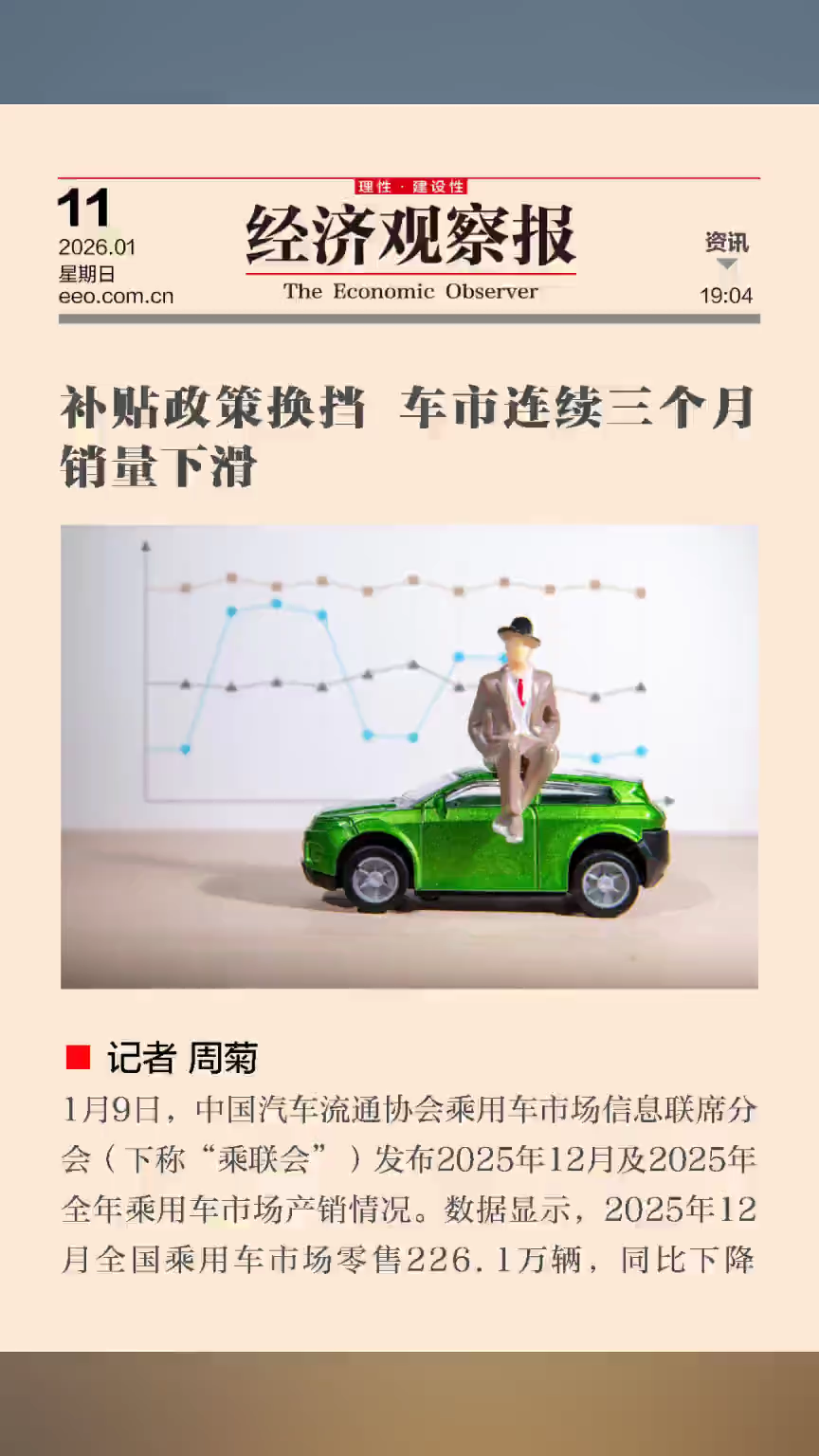
Subsidy policy shifts, car market sales decline for three consecutive months
HSBC reports that gold prices may hit the $5000 mark in the first half of the year, with market expectations that silver prices will continue to rise

How can Herm ? s in the mobile phone case industry make young people rush to buy it?


 WeChat registration or login

 Subscribe
