2026-01-07 18:15


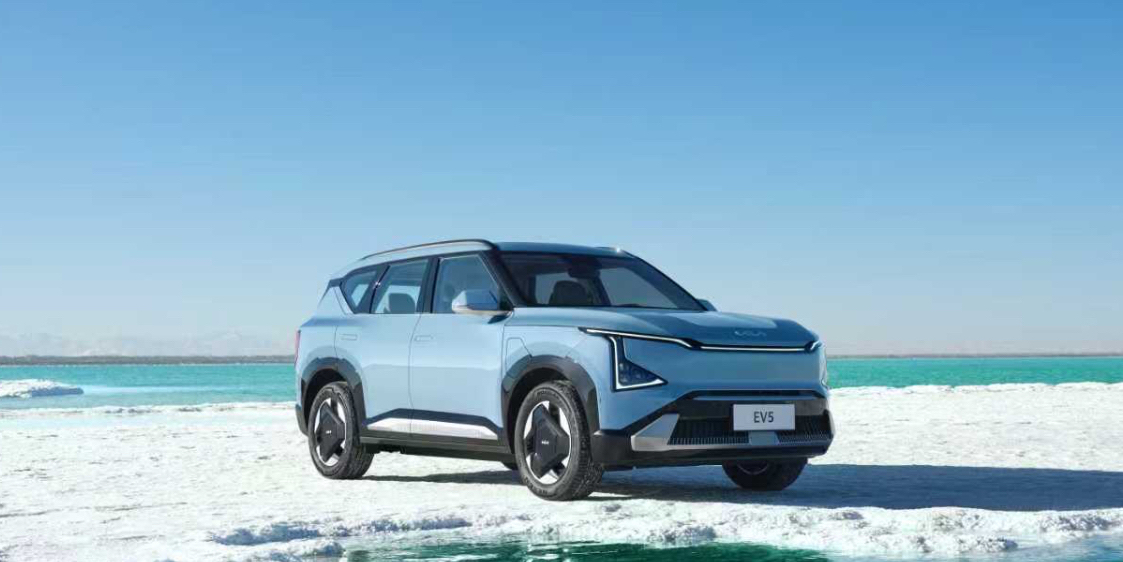
The Chinese automobile market in 2025 will be an arena full of structural contradictions. On the one hand, the penetration rate of new energy continues to rise, and intelligent innovation is constantly emerging, demonstrating tremendous vitality and potential in the market; On the other hand, the intense price competition and rapid pattern reshuffle have also put unprecedented pressure on many enterprises, especially some joint venture brands.
Against the backdrop of overall pressure in this industry, Yueda Kia has delivered a counter trend performance report, with cumulative sales of 253964 vehicles for the year, a year-on-year increase of 2.3%, and monthly sales exceeding 20000 vehicles for 10 consecutive months. The logic behind it is far more than just a single market strategy or product victory, but a deep practice of strategic resilience, system reconstruction, and value return.
Sales surged by 2.3% year-on-year: due to systematic resilience and strategic determination
The performance of Yueda Kia in 2025 can be seen as the concentrated release of its long-term systematic capabilities in complex environments. This growth is not the result of chance or short-term sprints, but is rooted in its clear strategic positioning and resilient systematic operation.
In the global market, Kia brand has ranked among the top three in global sales for four consecutive years. In 2025, Kia's global sales exceeded 3.135 million vehicles, setting a record for the highest sales volume since its establishment in 1944. This global foundation provides strong support for Yueda Kia's brand, technology, and management system.
In the Chinese market, facing fierce stock competition, Yueda Kia's strategy demonstrates rare strategic determination. Its core is not blindly pursuing short-term surges in sales volume, but committed to achieving healthy and sustainable steady growth. For 10 consecutive months, the monthly sales volume has exceeded 20000 vehicles, and the cumulative sales volume for the whole year has achieved a year-on-year growth of 2%. Especially, the profitability of over 60% of dealers and the inventory index are far better than the industry average. These key operational indicators are more convincing than pure sales figures. They reveal a fact: Yueda Kia is breaking away from its dependence on price incentives and instead driving growth through product value, brand services, and healthy channels, providing a strong counterargument to the industry discourse of "declining competitiveness of joint venture brands".
What is more strategic is its layout of global export business. Since the launch of large-scale exports in 2018, a total of over 520000 vehicles have been sold to 89 countries and regions worldwide, successfully establishing a dual engine model of "coordinated development of domestic and foreign sales". This not only effectively mitigates the cyclical risks in the domestic market, deeply integrates the Yancheng production base into Kia's global supply chain, but also verifies and enhances the quality and competitiveness of Kia products made in China on a global scale. This virtuous cycle of "promoting internal growth while supplementing external growth" is an important manifestation of the resilience of enterprise operations.
In the era of information overload and dispersed user attention, the core of brand building has shifted from being widely publicized to being deeply trusted. The series of measures taken by Yueda Kia in 2025 around the brand slogan "Kia, where you go, from the heart" marks a profound transformation in its brand communication logic.
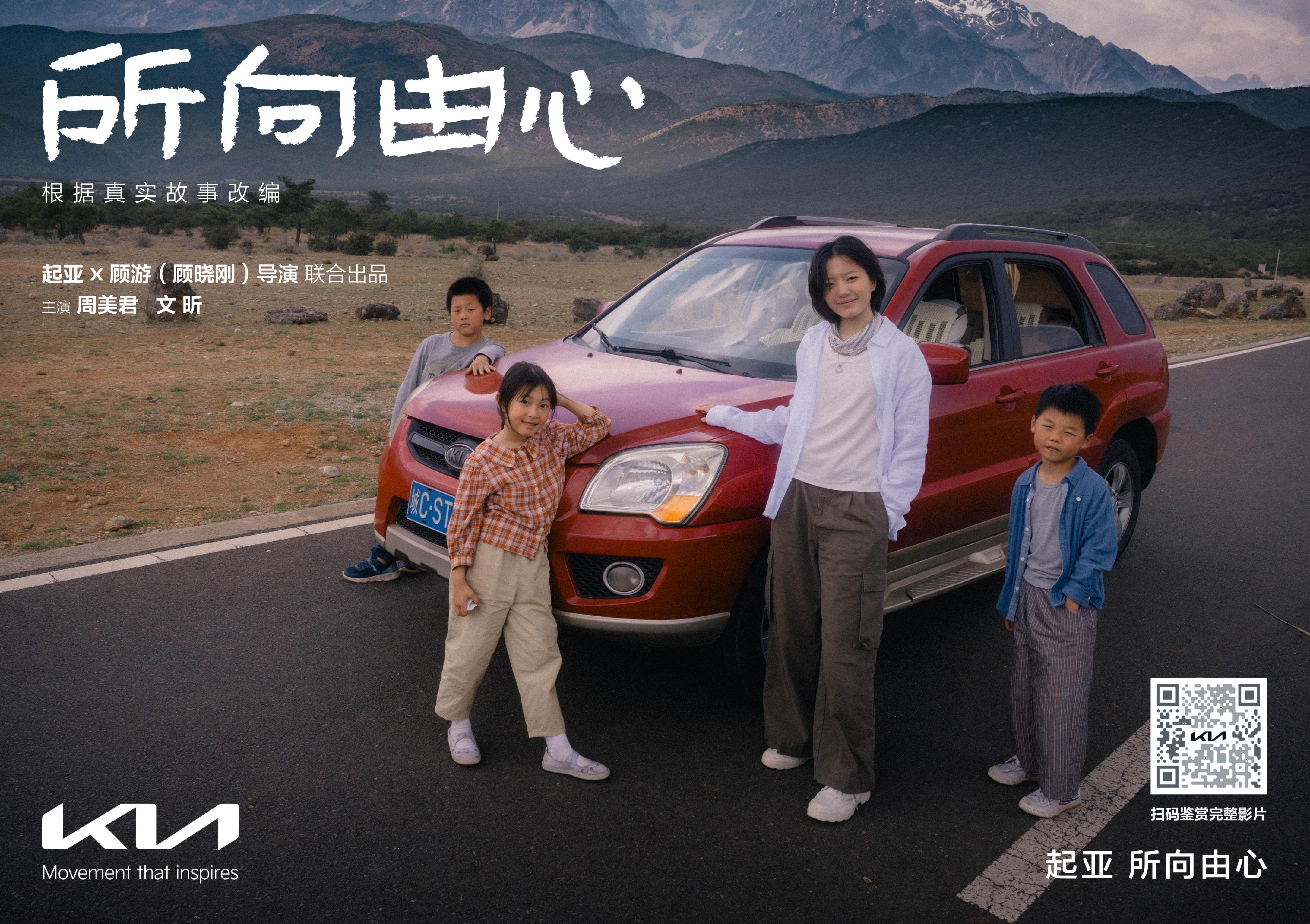
The release of the brand movie 'From the Heart' abandons traditional product function promotion and instead tells the true story of car owners. Its deep intention is to elevate the brand from a cold transportation manufacturer to a warm life companion. This responds to the growing emotional and spiritual needs of the Chinese automotive consumer market. The AED training in collaboration with the Blue Sky Rescue Team and the provision of viewing opportunities for special groups of children, as well as other public welfare activities, have transformed brand promises from slogans to concrete social value creation, establishing a "reliable and responsible" brand personality in the hearts of users.
In the field of sports marketing, Yueda Kia has demonstrated superb capabilities in localizing global resources. Whether it is sponsoring the Australian Open for 24 consecutive years and taking the opportunity to create a viewing experience for Chinese consumers, or sponsoring the "Su Chao" Yancheng team with a deep connection to urban culture, their strategy is to leverage the high potential of top global IP to achieve emotional landing and community integration in the Chinese market. This type of marketing not only increases brand exposure, but also establishes a deep sense of identity and belonging within specific circles.
In today's complex technological landscape, Yueda Kia's "parallel oil and electricity" strategy may seem conservative, but it is actually a pragmatic respect for the diversified consumer market levels in China. It avoids the huge risks associated with betting on a single technology route, ensuring that competitive products can be provided in segmented markets of different power types.
In 2025, the core logic of product iteration from the revitalization and upgrading of Lion Platinum, Saitu, Yipao, and Jiahua, to the global launch of EV5 Weekender, is "targeted enhancement" and "value enhancement". For example, the advanced intelligent driving assistance system of the 2025 Lion Platinum Tuojie, the strategy of adding the entry-level 720 Light model to the EV5 without increasing the price, and the high-end configurations such as ventilated seats in the 2026 Saitus to the 90000 level SUV range all accurately respond to the composite needs of Chinese consumers for intelligence, high quality price ratio, and comfort. Especially with an investment of 180 million yuan to upgrade the Yancheng factory's intelligence, it ensures a globally unified high-quality "deterministic" delivery from the manufacturing source, which is the cornerstone of product reputation.
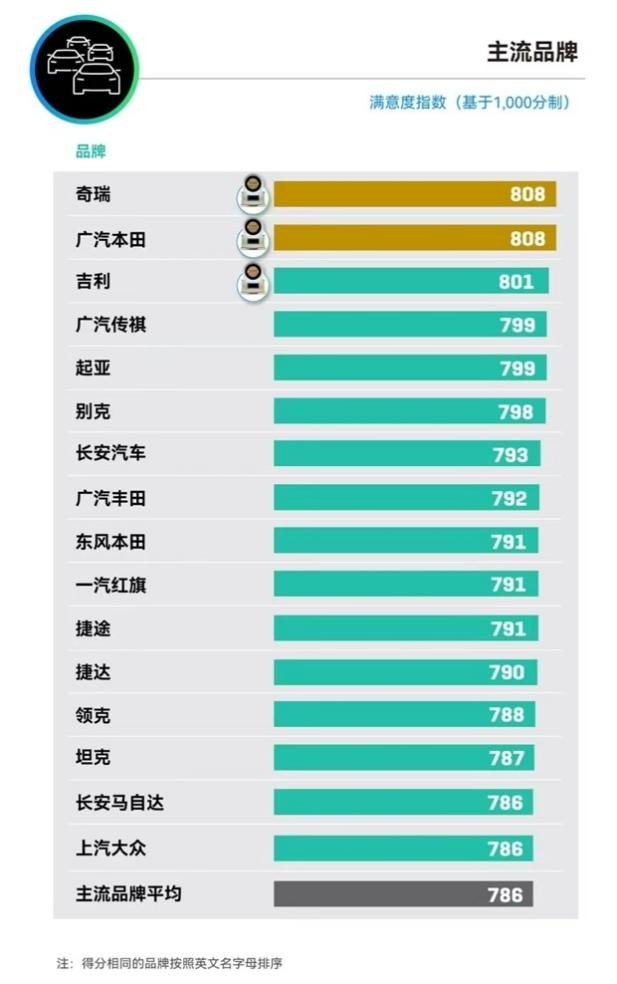
The construction of a service system is the guarantee of users' full life cycle experience. Against the backdrop of widespread channel pressure in the industry, the Yueda Kia dealer network has demonstrated a rare level of health. This stems from its deep cooperation with large dealer groups, as well as the continuous digitization and standardization optimization of its after-sales service management system. Continuously in J Ranked among the top in authoritative research such as Power, and repeatedly honored as a "benchmark brand for after-sales service", it proves that its service is not only a cost expenditure, but also a core asset driving customer satisfaction and brand loyalty, forming a solid brand moat.
Building Future Competitiveness: "Dual Circulation" Pattern and Continuously Increasing Commitment to "In China"
Looking ahead to 2026, the Chinese automotive industry will operate within a clearer policy framework and a more mature market environment. At the beginning of the year, discussions and adjustments around new energy vehicle infrastructure standards, intelligent connected vehicle data security, and the continuation and adjustment of vehicle purchase tax policies will set the tone and rules for the market throughout the year. In this macro context, Yueda Kia's strategic deployment has demonstrated a clear development path of "seeking progress while maintaining stability and deepening layout".
It can be foreseen that the policy environment in 2026 will place greater emphasis on the high-quality development of the new energy vehicle industry, the safety and reliability of technological innovation, and the independent and controllable nature of the industry chain. This places higher demands on all market participants.
Yueda Kia's response strategy shows foresight and systematicity. Firstly, its' parallel operation of oil and electricity 'is itself a choice for risk diversification and meeting the diverse compliance market demands. Secondly, in the field of intelligence, Kia's global L4 level autonomous driving technology has conducted localized road tests in Shanghai, indicating that the company is actively introducing advanced global technology into China and is committed to adapting it to China's complex road conditions and regulatory environment. Exploring cooperation with local technology companies is a practical measure to achieve rapid response and innovation in intelligent cockpits and localized application ecosystems, which is in line with the trend of industrial integration and development.

The strategic significance of export business will become more prominent in 2026. Against the backdrop of changes in the global trade landscape and domestic advocacy for "high-quality overseas", Yueda Kia's established mature export system, diversified overseas market layout, and product lineup covering multiple categories and powertrains will become an important growth pole and risk mitigation zone. This is not only a business expansion for the enterprise itself, but also provides a unique paradigm for joint venture brands to integrate the Chinese automotive industry into the global value chain.
In 2026, Yueda Kia's development focus is clearly anchored on further deepening its cultivation in the Chinese market. Kia Global's strategic decision to place the Chinese market at the core will be realized through more intensive resource investment.
The product offensive will be more targeted. The three global models planned to be launched within the year (including the new Lion Platinum Tuojie launched in the first quarter) will cover different power forms and segmented markets, continuously enriching consumers' choices. This rhythmic introduction of new products aims to constantly refresh the brand image and maintain market popularity.
Brand building will become more three-dimensional and immersive. Continuing to support local sports culture such as' Su Chao ', deepening the linkage with global IPs such as the Australian Open and FIFA World Cup, and innovating localized experiences (such as watching teams), the goal is to transcend simple advertising exposure, build scenes of deep interaction and shared passion with users, and thus enhance brand preferences at the emotional level.
User operation will enter the era of "intensive cultivation". Faced with a huge base of over 6.6 million car owners, Yueda Kia plans to systematically activate existing users through digital tools (brand apps, mini programs) and rich online and offline community activities. The core of this "customer retention marketing" lies in transforming one-time transaction relationships into long-term value symbiotic relationships, making old users the most reliable spokespersons and diffusion nodes for the brand. In the current high cost of traffic, this is undoubtedly the most efficient and trustworthy growth method.
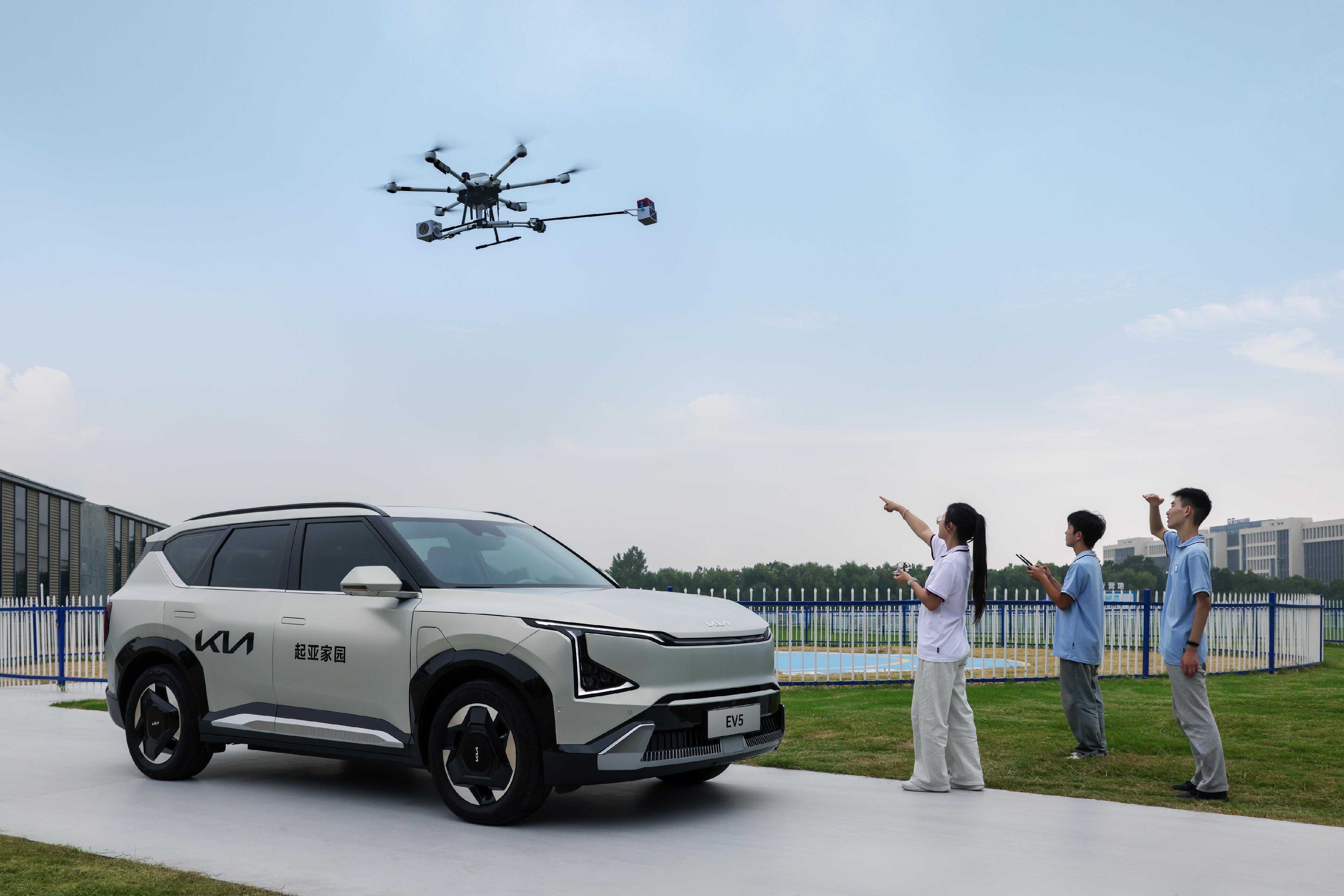
Ultimately, the resilience demonstrated by Yueda Kia in 2025 and its layout for 2026 deeply reflect a long-term business philosophy. In the face of intense industry fluctuations, it did not choose radical short-term games, but instead adhered to the principle of "strengthening the foundation": consolidating manufacturing quality, optimizing healthy channels, upgrading service systems, patiently shaping brands, and steadily expanding markets.
At the same time, it also demonstrates a determination to "sincerely seek change": changing the discourse system of brand communication, changing the response speed to the demands of the Chinese market (global debut), and changing the direction of public welfare investment to fit the issues of the times. The dialectical unity of "change" and "constancy" is the fundamental logic that enables it to transcend cycles and achieve steady growth.
Conclusion
Looking back at the starting point of 2026, the performance story of Yueda Kia in 2025 provides a typical case of achieving resilient growth in the deep waters of industry transformation. Its practice has shown that in the face of market fluctuations, true competitiveness comes from systematic system capabilities, continuous innovation based on user value, and strategic patience that adheres to long termism.
As the Chinese automotive market transitions from explosive growth to a mature stage of high-quality competition, the criteria for measuring a company's success are shifting from "speed and scale" to "health and sustainability". Yueda Kia adheres to the principle of steady and far-reaching development, and has established a comprehensive value system that includes a robust dual circulation business pattern, a brand image deeply connected by emotions, a solid and reliable product service experience, and a highly socially recognized corporate responsibility. This not only lays a solid foundation for its own future development, but also provides important insights for the entire automotive industry, especially joint venture brands in the transition period, on how to reposition and reshape their value in the new competitive environment. Its journey in 2026 is precisely on this path that has already yielded results, deepening and expanding towards higher quality and more sustainable goals.
Subsidy policy shifts, car market sales decline for three consecutive months
HSBC reports that gold prices may hit the $5000 mark in the first half of the year, with market expectations that silver prices will continue to rise
How can Herm ? s in the mobile phone case industry make young people rush to buy it?


 WeChat registration or login