


Economic Observer Follow
2026-01-04 16:57


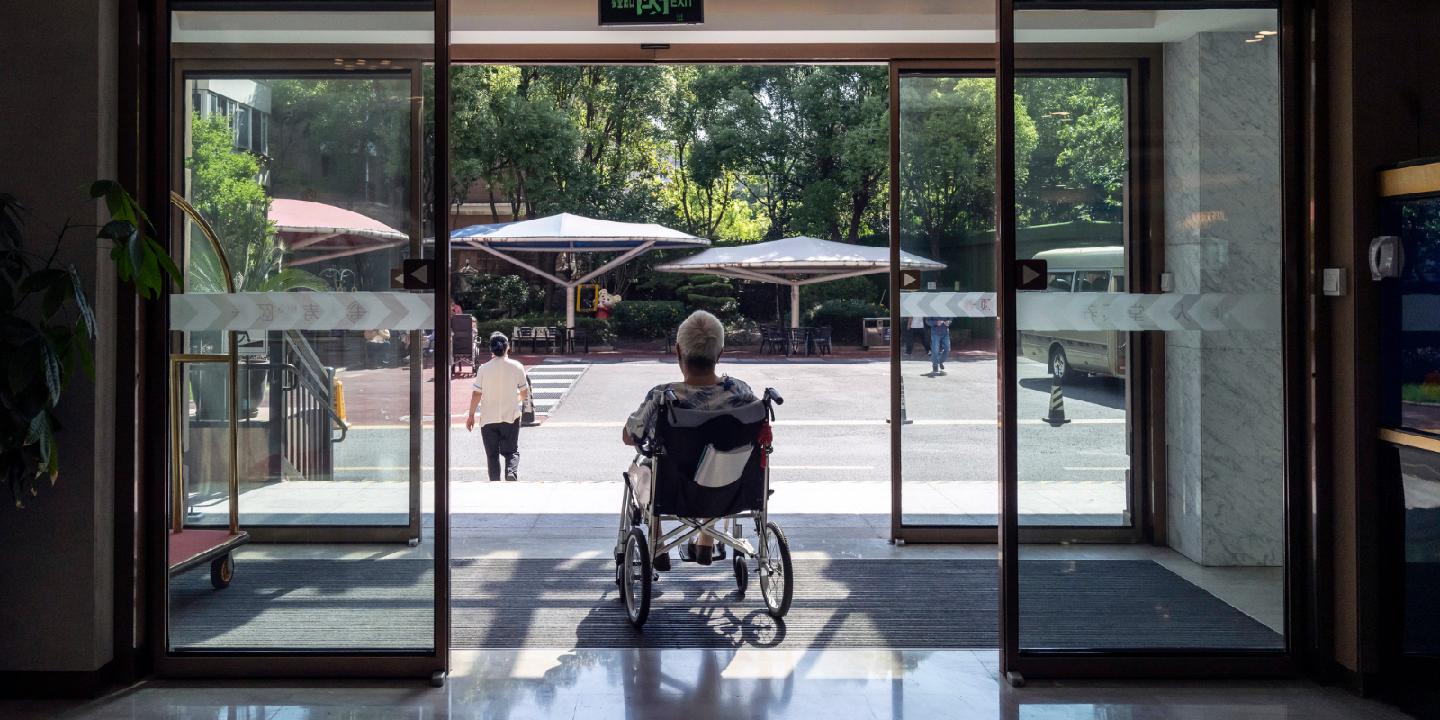
After borrowing from Japan's "group care" concept, a mid-range elderly care institution in China has encountered unexpected troubles.
The elderly care institution adopts a centripetal layout, with the living rooms of 18 elderly people arranged around a shared living room. The elderly living room only has basic nursing beds and storage space, with each room having an area of less than 10 square meters. There are three public restrooms and one public bathroom located near the public living room. This layout pattern is very popular in Japanese elderly care institutions.
The manager of the elderly care institution has visited Japan multiple times for investigation, and he believes that this model can create a family atmosphere of "shared living", making it easier for caregivers to pay attention to each elderly person, while avoiding the risk of moderate to severe disabilities and some elderly people with dementia going to the bathroom independently. The relevant hardware facilities of the institution also refer to the highest standards of Japanese elderly care institutions.
After the institution was put into operation, although it has generally practiced the above concepts well, there have also been some embarrassing phenomena - the elderly often have to queue up to go to the bathroom, and the rush hour of morning and evening washing may also cause interpersonal conflicts. According to feedback from nursing staff, although it is a public restroom, different elderly people will use one of the restrooms according to their habits. If an elderly person does not like cleanliness, other elderly people will remind them through language and behavior not to use their commonly used bathroom.
Some old people even directly roast: "The people living in the institution are messy, including those who feed by nose, food, legs and feet are inconvenient, and their heads are not clear. They all move in the hall and affect their mood. They want to rest in the room during the day, but the public hall is too close and noisy."
The above content is a true story discovered by Chen Yu during her research. In the past decade of research, Chen Yu found that there are many cases of elderly people or caregivers being dissatisfied with the construction of nursing homes. One of the root causes is the mismatch between supply and demand in the construction or renovation of nursing homes and the actual needs of the elderly, neglecting many details of demand.
Chen Yu is currently a researcher at the School of Architecture and Engineering, Zhejiang University, the Deputy Director General of the Standardization Committee of the Chinese Society of Gerontology and Geriatrics, and a part-time researcher at the Aging and Health Research Center, Zhejiang University. Since 2014, Chen Yu has been engaged in research on elderly care architecture under the guidance of Professor Zhou Yanmin from the School of Architecture at Tsinghua University. She has also participated in the detailed formulation of the national standard "Classification and Evaluation of Elderly Care Institutions" under the guidance of Professor Zhou Yanmin. Over the past five years, she has conducted research on 37 nursing homes, compiled over 300000 words of interview quotes, and recently published the book 'Post evaluation of Elderly Care Facilities'.
At the end of 2018, the national standard "Classification and Evaluation of Elderly Care Institutions" was released, aiming to promote the quality and development of elderly care institutions through objective, fair, and transparent evaluation. Since then, elderly care institutions across the country have entered the era of grading evaluation. Like hotel star ratings, the rating of elderly care institutions is divided into five levels, from low to high, ranging from level one to level five.
In many cities, the operating subsidies for nursing homes are also directly linked to the level of the institution, which is also an important reference indicator for elderly people to choose nursing homes.
Chen Yu said that in order to obtain a higher level, some elderly care institutions have made improvements based on evaluation standards, but the space after the improvement does not meet the actual needs of the elderly and has not been fully utilized, resulting in a waste of funds and resources. During the visit, many elderly residents roast that some of the space facilities looked luxurious, with tall hallways, expensive bathtubs, etc., but actually did not play a role.
Flashy but impractical facilities
During the research, a high-end senior apartment developed and operated by a foreign company made Chen Yu realize that luxurious facilities in elderly care institutions do not necessarily equate to high recognition from the residents.
The initial positioning of this senior apartment was to serve self-care and mildly disabled elderly people. The apartment is equipped with spacious and luxurious double rooms for elderly couples, and the public activity space is also very abundant. But after three or four years of operation, the occupancy rate has never increased. Later, after the domestic operator took over the elderly apartment, the survey found that the surrounding customers of this institution were mainly the disabled and semi disabled old people in need, and the original high-end leisure facilities of the apartment were seriously mismatched with the actual needs of the elderly.
Subsequently, the domestic operator renovated the apartment, including adding single rooms, nursing beds, and medical rehabilitation spaces. However, during the operation process, problems such as a large proportion of public activity space, low utilization rate, and high energy consumption were still found. The overall environment after renovation still cannot fully meet the real needs of the elderly, and the operation effect is still not ideal.
The gap between the "designer's ideal" and the "user's reality" is not an isolated case. As a researcher in the field of elderly care architecture, Chen Yu has encountered multiple high-end elderly care institutions that are full of contrasts during her research. The first impression given by these institutions is that they have spacious and modern facilities, but after in-depth visits, she found that the elderly are not convinced.
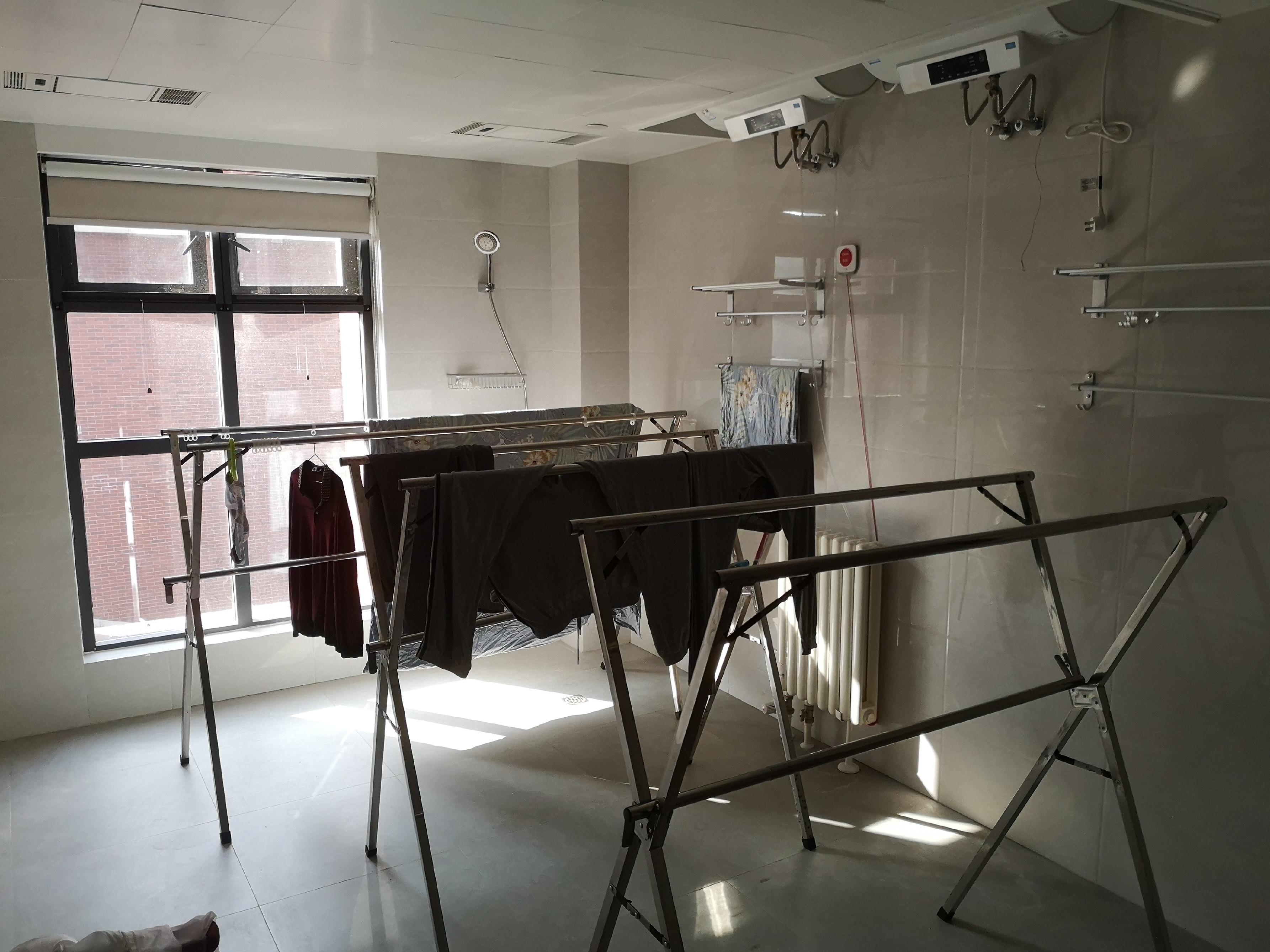
A typical example is a public bathroom. Chen Yu's research found that some high-end elderly care institutions targeting mildly disabled elderly have designed public bathrooms and purchased imported mechanical bathtubs, but the elderly prefer to bathe in their rooms. Public bathrooms are neglected due to lack of privacy, lack of handrails, poor drainage, and cold winters, and have become drying rooms or employee rest areas.
Secondly, there is the "face saving project" where symbolic meaning outweighs practical value. Chen Yu said that some nursing homes renovated from hotels have high lobbies, marble floors, and even spiral staircases, but lack practical furniture and facilities for the elderly, "empty and wasteful of space". Many elderly people have expressed their desire to add a private communication area for family visits near the entrance hall, comfortable seats for observing the street view by the window, and promotional activity announcements.
The "integration of medical care and elderly care" that has been advocated for many years also faces difficulties in implementation in many elderly care institutions. The research results show that most elderly care institutions have already equipped standard medical rooms, nursing stations, etc. at the beginning of their design. However, after the institutions are put into operation, these facilities are left vacant for a long time due to difficulties in applying for prescription rights, lack of access to medical insurance, or poor operating modes. Most institutions can only provide basic services such as physical health monitoring and drug management distribution for the elderly in terms of medical services, and cannot meet their medical needs for medication and examination.
In addition, some unreasonable space facilities also make the elderly roast frequently.
In the survey, an old man complained that the number of beds on each floor of the institution exceeded 100, but only one public restaurant was arranged. He had to walk 437 steps from the end room to the restaurant on the other side, which greatly increased the physical burden.
Chen Yu stated that elderly care institutions should not excessively pursue scale. If there are too many beds on each floor of the institution, it should be divided into multiple nursing units, and each unit should be equipped with complete functional spaces, including living rooms, public bathrooms, living rooms, nursing stations, etc., to create a small-scale home atmosphere.
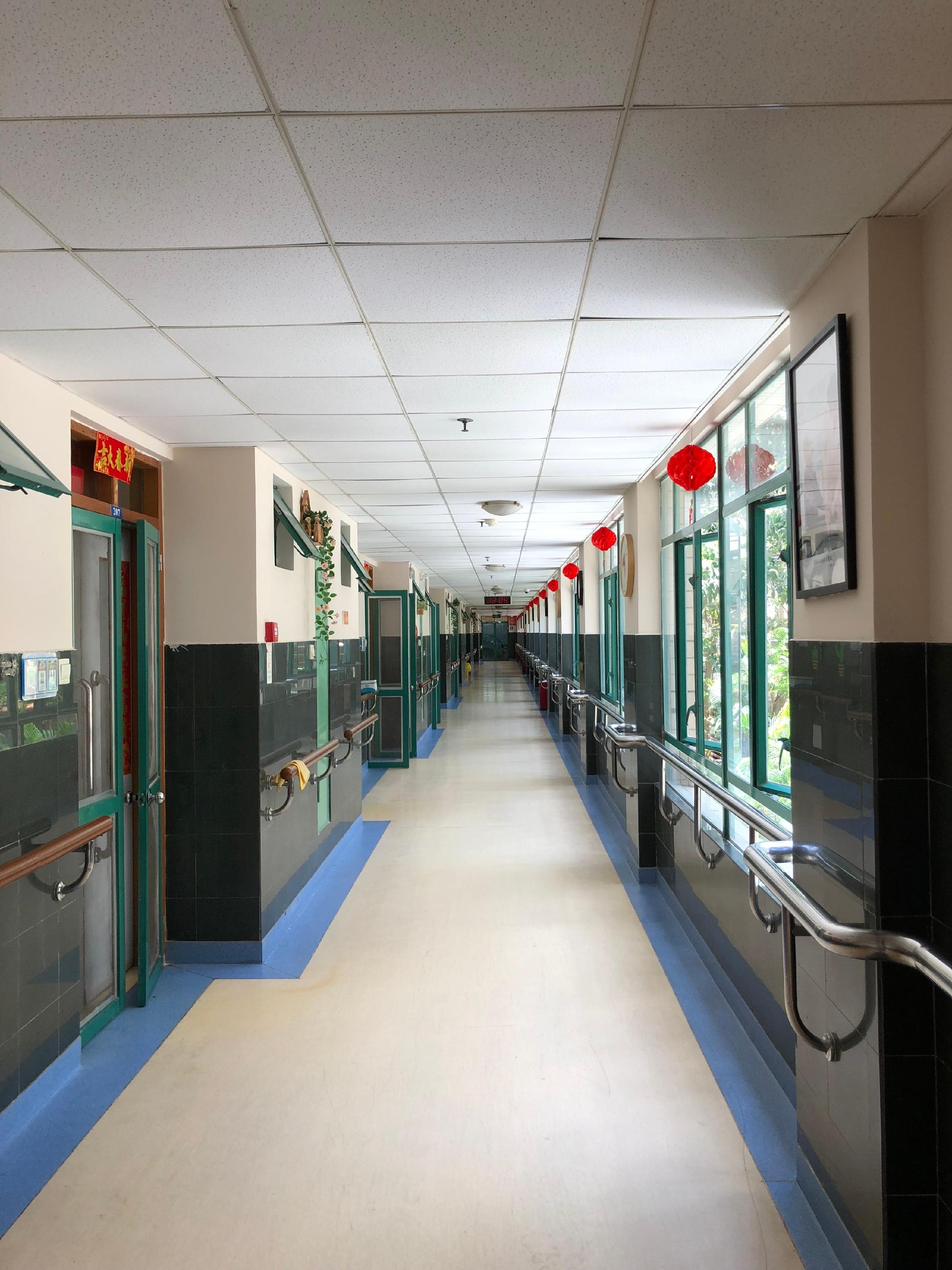
Overlooked Details
During his research in Guangzhou, Chen Yu was deeply impressed by a community-based nursing home that had been transformed from an old building. The building area of this elderly care institution is less than three basketball courts, and there are only 48 beds inside the institution. According to the current grading standards, it is difficult for institutions to meet the standards in terms of outdoor space, public restaurants, medical space, and average floor area per bed.
However, this seemingly "inconspicuous" elderly care institution has always maintained a fully occupied state, and there are even many elderly people waiting in line to move in. About 80% of the elderly residents are severely disabled or have cognitive impairment, and most of the time they need to stay in bed.
Chen Yu said that the most prominent advantage of this elderly care institution is its "service first" operating model. Elderly residents living in institutions do not have high requirements for spacious activity space and other hardware, but rather care more about whether the institution can provide meticulous and professional care services. And the elderly care institution is equipped with 21 staff members, which provides fundamental guarantee for the quality of care provided by the institution. Therefore, despite many shortcomings in the hard conditions of the institution, it has still won the trust of the elderly people around it.
This Guangzhou elderly care institution is just a microcosm of many elderly care institutions that have been forced to give up grading. During the research, Chen Yu found that a considerable number of nursing homes experienced a phenomenon of "market success but poor rating" due to inadequate hardware facilities.
For example, some elderly care institutions are converted from old buildings, and the net width of public corridors is below the standard of 1.8 meters; Some elderly care institutions are limited by their original land occupation and building structure, and do not meet fire related requirements such as fire water tanks and shelters. These rigid restrictions have forced some elderly care institutions to abandon grading and instead choose to improve service quality for word-of-mouth promotion.
In addition, some spatial details that are considered very important by the elderly are often overlooked in grading.
Many elderly people will rent or sell their original houses and move their personal belongings to nursing homes after moving in. However, elderly care institutions lack sufficient storage space, resulting in nowhere to store personal clothes, bedding, souvenirs, etc.
Many elderly people also complain that the living rooms in elderly care institutions are mostly two or multiple rooms. After moving into the institution, the elderly need to live with unfamiliar elderly people, which easily leads to friction between the two parties over daily matters such as lifestyle, washing order, and watching TV, seriously affecting the quality of life. Some caregivers even admitted to Chen Yu that adjusting the conflict between the two elderly people living in the same room took up a lot of work time.
After interviewing more than 100 elderly people, Chen Yu found that over 67% of the surveyed elderly clearly expressed a preference for living in a single room, even if it required paying higher bed fees.
The series of cases in the research prompted Chen Yu to reflect on what the goal of grade evaluation is. She said that improving the hardware and software level of institutions and enabling the elderly to enjoy higher quality services is the ultimate goal, but the way to achieve high-quality services is not the only one, and evaluation criteria should also be more flexible. The situation of Chinese elderly care institutions varies in terms of construction year, construction mode, service recipients, etc., and there are also differences in the specific problems they face. If a completely consistent high standard is used for evaluation, it may lack universality and fail to form a positive guidance
|Dialogue|
Economic Observer: Compared to countries such as Japan, Europe, and America, what is the current development status of elderly care institutions in China?
Chen Yu:In terms of hardware facilities, many elderly care institutions in China have reached or even surpassed those in countries such as Europe and America. But there is still room for improvement in terms of humanistic care, such as considerations for the elderly's right to choose and privacy, as well as the compatibility between hardware space and care models.
Many foreign elderly care projects emphasize creating a small-scale, life oriented family atmosphere, while there are still many "institutional" double corridor and hotel style nursing homes in China that lack sufficient consideration for the spiritual needs of the elderly. Elderly care institutions should not be seen as functionally specific "institutionalized" places, but rather as communal living spaces with a family atmosphere.
Of course, creating a "home like" living space cannot be achieved solely through hardware facilities, and requires the cooperation of service models. For example, the "Green House" model nursing home in the United States is different from the hierarchical and clearly divided staff system in traditional nursing homes. It uses "Shahbaz" versatile employees who need to undergo systematic training before they can take up their posts. These employees not only have to undertake basic nursing work, but also coordinate catering preparation, environmental maintenance, and activity organization, and establish a continuous emotional connection with the elderly through full process participation. Employees live and assist elderly people like family members, ensuring nursing efficiency and quality while allowing them to live more comfortably.
In addition, the "Green House" model emphasizes respecting the autonomy of the elderly, who can sleep in according to their own wishes, not participate in unified activities, have the right to speak on menus and activities, and participate in life decisions rather than passively accepting arrangements and management.
Economic Observer: Based on extensive research, what size of elderly care institutions do you think are more suitable for the lives of the elderly?
Chen Yu:Based on various opinions, we believe that the overall scale of elderly care institutions is more suitable between 200 to 300 beds. Among them, ordinary care units should have around 30 beds, while cognitive care units need to be smaller, with more than ten beds being better.
If the scale of elderly care institutions is large, the difficulty of management and operational pressure will suddenly increase, and the noisy environment can also easily cause anxiety for the elderly, especially those with dementia. Small scale care units help caregivers establish closer relationships with the elderly and provide more accurate services. In the survey, many nursing staff reported that due to the large scale of the care unit and the long nursing flow, their workload is heavier and they find it difficult to familiarize themselves with the habits of each elderly person. The deans have provided feedback that if there are too many beds in the institution, it will further prolong the initial investment return cycle and put forward higher requirements for the occupancy rate of the institution.
Economic Observer: In recent years, there have been multiple fire accidents in elderly care institutions. How should elderly care institutions respond to fire risks?
Chen Yu:The fire protection principle of elderly care institutions should be "appropriate isolation, not sparse". Once a fire occurs, it is very difficult to expect caregivers to quickly evacuate all elderly people, so establishing effective fire isolation spaces is even more crucial. For example, by designing independent nursing units and scientifically setting up fire doors and temporary shelters, elderly care institutions can achieve regional isolation in the event of a fire, which can buy time for subsequent rescue efforts.
Economic Observer: In the context of land scarcity in urban areas, which facilities should elderly care institutions in urban areas most not ignore?
Chen Yu:The construction of urban elderly care institutions is currently a major development trend. The land resources in the city center are often limited, and the design of elderly care institutions in the city center must be more intensive and precise. Therefore, the planning of these projects is more important than the design, requiring in-depth planning and research in the early stages to understand the customer base positioning of the surrounding elderly, existing medical and entertainment landscape resources, etc.
The bottom line for the construction of elderly care institutions in the city center is that basic functions need to be configured to ensure that even though a sparrow may be small, it is fully equipped with all five organs. But flexible space design or service models can be adopted, such as one room multi use, service outsourcing, etc., to cope with the problem of space shortage, or to flexibly borrow surrounding resources to provide shared services for the elderly residents.
It is worth mentioning that previously, the auxiliary service spaces of elderly care institutions were often overlooked, such as nursing stations, cleaning rooms, laundry rooms, etc., which directly affect the work experience and efficiency of nursing staff. In the current context of nursing staff shortage and serious talent loss, it has become more urgent and important to optimize the spatial environment to better support staff in providing services, improve service efficiency and quality.


Subsidy policy shifts, car market sales decline for three consecutive months

HSBC reports that gold prices may hit the $5000 mark in the first half of the year, with market expectations that silver prices will continue to rise

How can Herm ? s in the mobile phone case industry make young people rush to buy it?


 WeChat registration or login

 Subscribe
