2026-11-11 11:04

Not long after becoming the General Manager of Maida China in June this year, Mai Weijian came to Xuchang, Henan to see what the highly acclaimed supermarket internet celebrity Fat Donglai really looks like. What shocked him was that he couldn't even ask for directions and follow the crowd to find the Pangdonglai store. Even on weekdays, the entrance was filled with people queuing up.
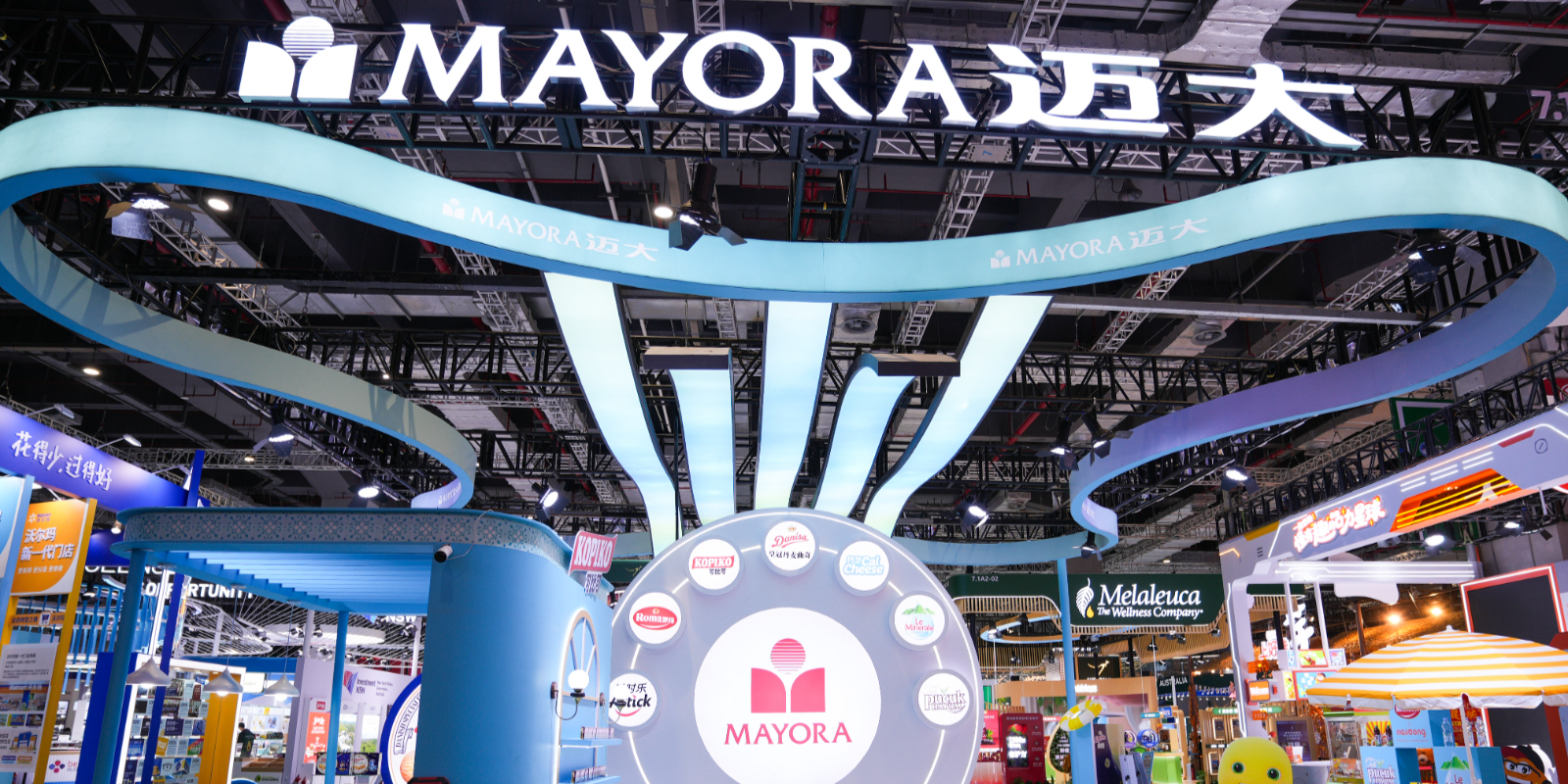
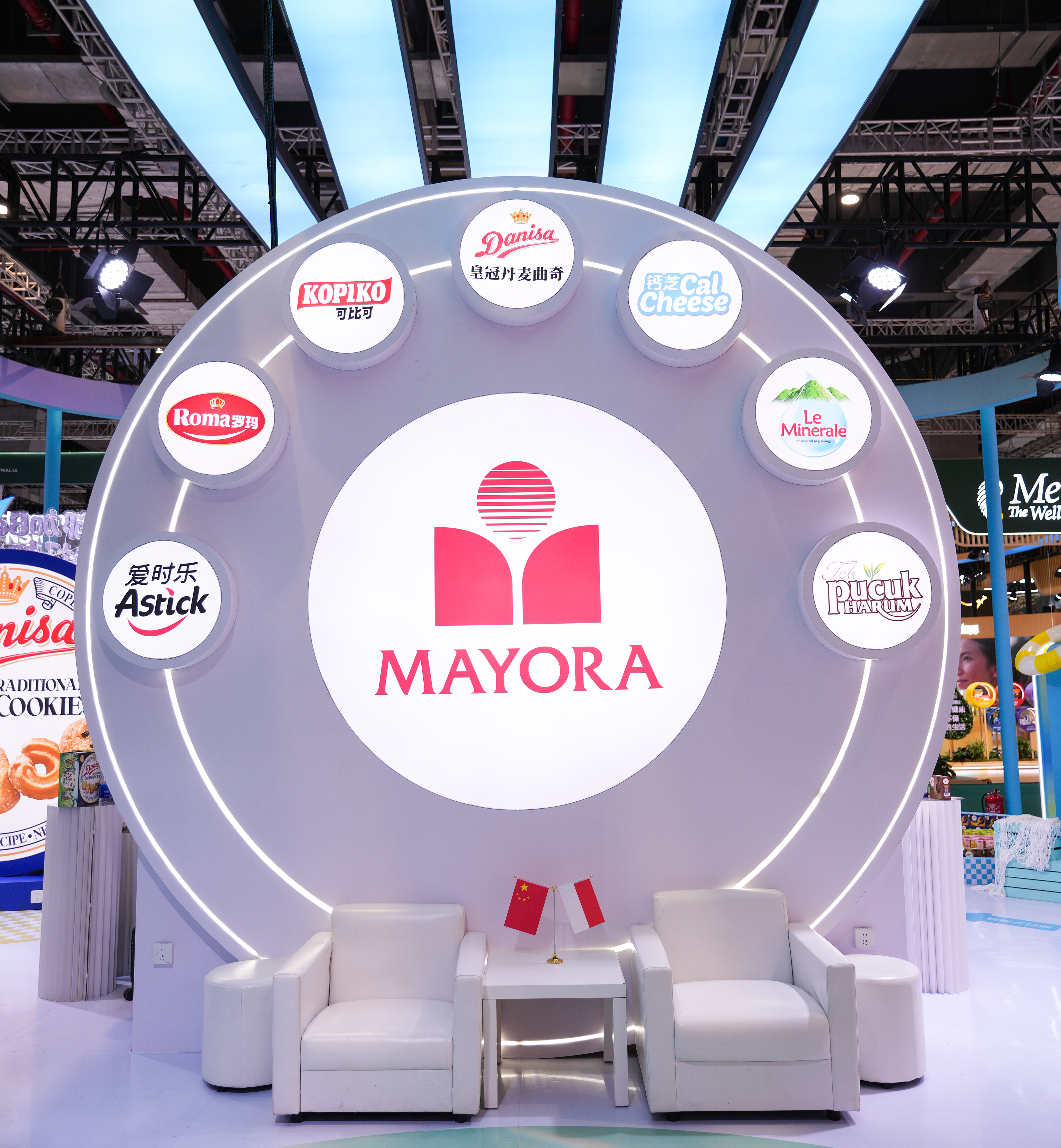
A few months later, at the 9th China International Import Expo (referred to as "CIIE"), Mayora Group, which had participated for nine consecutive years, moved all brands such as Crown Danish Cookies, Coca Cola Coffee, and Aisile Sandwich Bar into the booth. At the exhibition site, newly appointed Mai Weijian gave an exclusive interview to the Economic Observer, systematically elaborating for the first time on his discoveries since taking office, the conclusion of the "90 day observation period" promised in his new public letter, and the future plans of Maida China.
For most Chinese consumers, "Maida" may be a strange name, but its products are almost always "one you've seen before": the classic tin can Crown Danish cookies occupy the New Year gift box shelves all year round, and coffee has appeared in more than 20 Korean dramas. The parent company, Maida Group, was founded in Jakarta in 1977. Its net sales in 2025 amounted to 38.68 trillion Indonesian rupiahs, a year-on-year increase of 7.2%, with export sales accounting for 41%.
Mai Weijian was officially appointed as the General Manager of Maida China on June 17th this year, reporting directly to the Group's Board of Directors. He previously worked in the fast-moving consumer goods industry for over 20 years, serving as the President of Mars Arrow China, a venture capital consultant, and co CEO of a children's sportswear startup with approximately 150 stores.
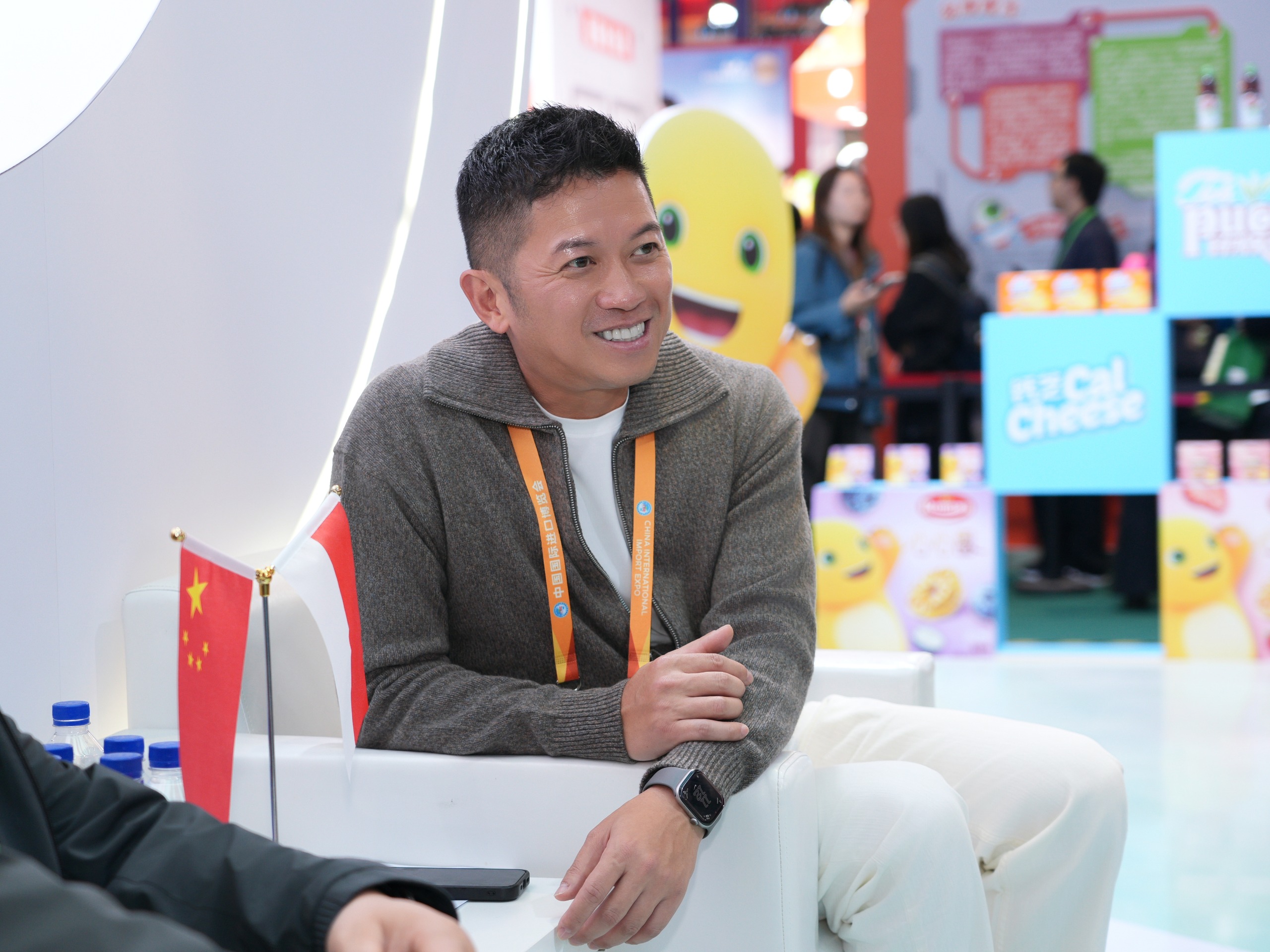
Having been immersed in the consumer industry for many years, the newly appointed General Manager of China has decided to take a trip to the forefront of retail. He wants to see how the flow of people from Pang Dong gathers, what is displayed on the shelves, and what consumers choose... In Mai Weijian's opinion, sitting in the office reading reports cannot understand the changes happening in Chinese retail; Only by understanding the channels can we understand the next steps of Maida China.
90 day judgment: Channel changes, snacks are not that difficult
Mai Weijian's visit to Pangdonglai and the "90 day observation period" came from an open letter he sent to employees on the day he took office.
On June 17th, Mai Weijian announced in a letter that he had officially joined the team at Maida China. At that time, he was attending onboarding training at the Jakarta headquarters. In the letter, he set a schedule for the first 90 days of his tenure: to gain a deeper understanding of Maida's values, history, culture, brand, team, as well as past and future strategic directions.
During this period, I will spend a lot of time listening and asking many questions. He plans to travel to various regions, meet with frontline sales, visit distributors, retailers, and business partners, and communicate with each functional department one by one, "to see potential opportunities and identify obstacles that need to be overcome together.
After listening, visiting, and communicating, Mai Weijian made the following basic judgments about the market. Firstly, he believes that although the economic environment is under pressure, the impact on the snack category is limited. Snacks themselves have a low unit price and can provide emotional value to consumers, so the category itself has resilience, but consumers' shopping frequency is slightly affected; Secondly, the tremendous changes in channels have brought challenges to the snack industry while also providing rare opportunities. Mai Weijian said that the membership store model has mature samples overseas, so it is only a matter of time before it can experience rapid development in China; Instant retail has turned "fast" into a hard indicator, and these changes and trends also require brand owners to study and cater to them; Thirdly, healthiness is a trend gradually settled in the market and has become a standard selling point in the snack industry.
What touched Ma Weijian the most was the rise of mass market snack channels. On the seventh day of his tenure, the first client he visited was a top tier bulk snack brand. Public data shows that the GMV (Gross Merchandise Volume) of this business model will increase by nearly 70% year-on-year in 2025, with tens of thousands of stores.
In the era when I was making candy at Mars, the rise of e-commerce gradually made impulse buying scenes disappear, and snacks became increasingly difficult to sell offline. A few years later, the script was completely reversed - mass market snack stores became the largest incremental market for snacks. At the same time, he noticed that the product strength of local brands was becoming stronger. "Competitors suddenly increased, but snacks are a highly substitutable category, which in turn means that this market has no ceiling.
Within the company, Mai Weijian also conducted a round of investigation. He asked his colleagues one by one, 'Where is the company doing well?' 'If you were me, what would you do?'. In his opinion, Maida needs to make immediate adjustments and changes in response to Chinese consumer demand and channel changes, but without understanding colleagues' mentality towards change, change cannot happen. "Every change needs to be achieved by people," said Mai Weijian.
From 'sell whatever you have' to 'what the market wants'
Over the course of 90 days, Mai Weijian repeatedly asked himself a question: How did Maida succeed in China, and can the next success come from the same thing. The conclusion points in the same direction - in the past, Maida moved validated products from overseas to China for sale, but now it needs to reorganize its products, supply chain, and team according to the needs of the Chinese market.
The first thing to pay attention to is Crown Danish Cookies. This brand is the most well-known product of Maida in China. According to Euromonitor International data, in terms of retail sales, Maida's business in China will rank among the top five in the sweet biscuit market in China by 2026. At festive gift giving occasions, the classic tin can crown Danish cookies are a familiar choice for consumers.
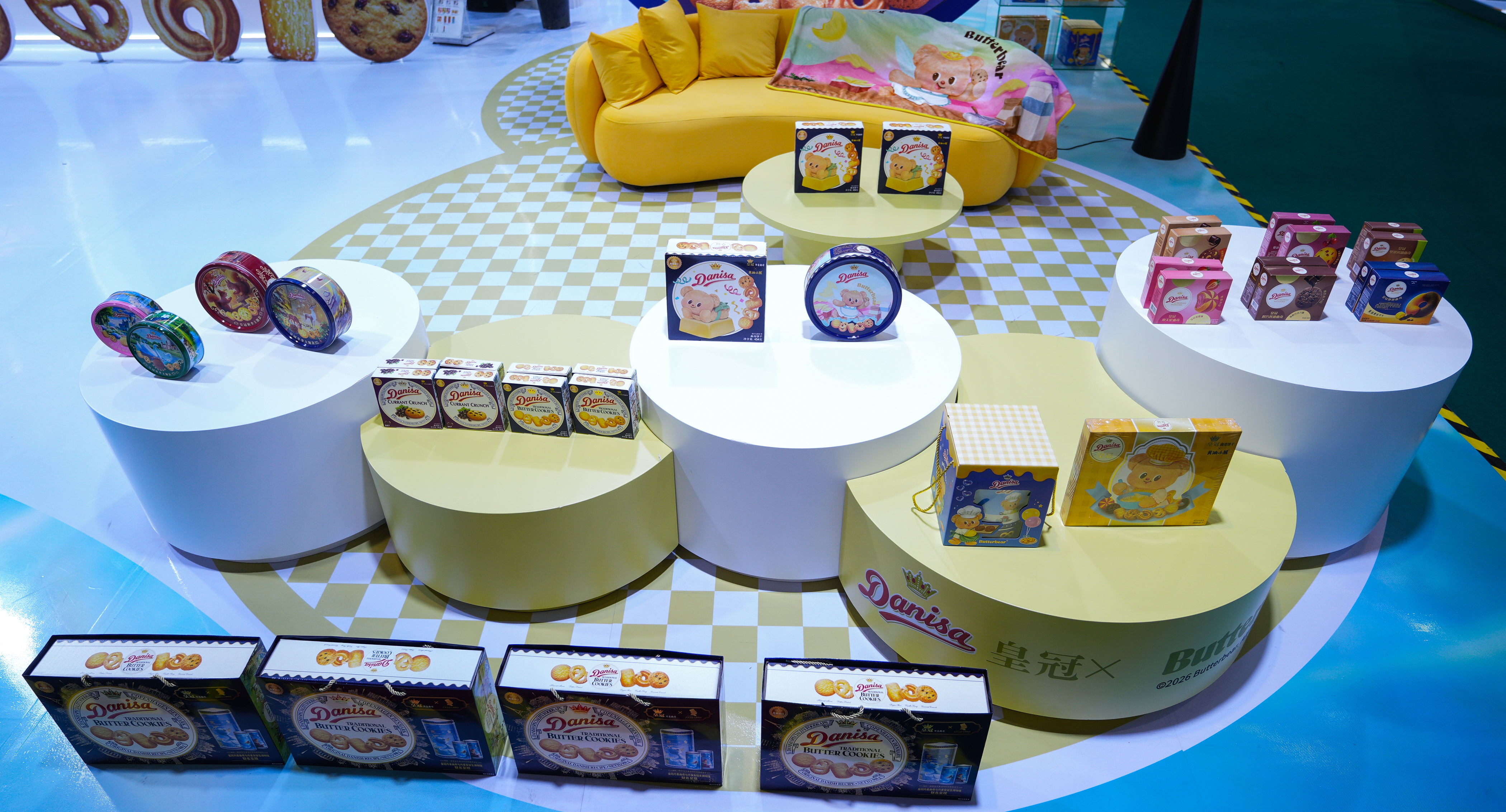
After Mai Weijian took office, he found that there was a saying circulating inside and outside the company: 'Maida Gift Market is doing well, but not doing well in other areas.'. What others hear is regret, but Mai Weijian has a different judgment. "Consumers will not choose products that they do not know or have poor quality as gifts. Well made gifts are themselves proof of brand power.
In Mai Weijian's view, the gift market is actually an advantage that Maida should leverage. So he made a special trip to Anhui, Fujian and other places to investigate wedding channels, which are natural gift giving scenes, but Crown Danish cookies were almost absent. He even studied whether it was the newlyweds or the parents who paid the bill at the wedding banquet. "The decision-making priorities of the two generations are different, and we need to analyze and understand the gift giving scene layer by layer." This is an innovation and extension of the original gift market advantages, pushing the verified fact of "suitable for gift giving" to more specific scenarios.
While maintaining the advantage of the basic market, we need to explore more incremental markets. Mai Weijian stated that cultivating second and third brands is also a key focus for Maida in the future, but this time it is necessary to change the original cultivation path. According to his investigation and understanding, the original logic of Maida's new products was "introduction thinking", which first introduced products from overseas markets and then searched for demand matching in the Chinese market. Under this path, there are repeated occurrences of brands developing rapidly for two or three years but being quickly replaced, which not only harms the brand but also affects the confidence of distributors. Therefore, Mai Weijian stated that in order to cultivate a brand through a new path, there are four criteria for selecting and evaluating: the size and growth rate of the category, the competitive landscape of the track, whether the brand has been validated in multiple markets, and whether Maida has the ability to win in this category.
Kebike coffee is an example he repeatedly cited. It is the brand under Maida that has landed in the most countries and verified the widest market. Mai Weijian's idea is "the answer is not to simply copy, but to figure out how it succeeded in other markets back then, and then see if the differentiation in the Chinese market today is still valid".
More fundamental than a brand is the supply chain. After taking office, Mai Weijian also spent a certain amount of time specifically visiting Fujian, where a large number of snack OEM factories are gathered, and due to the Indonesian Chinese heritage, many factories are not unfamiliar with Maida. According to Mai Weijian, Maida has decided to co create products with local factories and incorporate them into its own brand system, making the supply chain more flexible and closer to the market.
Transforming Maida China into a 'Snack Entrepreneurship Company'
Whether it is products, channels, or supply chains, a series of changes are waiting for Maida to gradually explore and implement. As stated by Mai Weijian in his open letter, 'Turn Maida China into a' snack startup company '.'.
For a snack company that will turn 50 next year, the positioning of a startup company appears to be extremely contrasting. Regarding this, Mai Weijian explained that Maida's scale in China is already not large, and snacks are one of the fastest changing tracks. Instead of following the rigorous and standardized processes of large companies, it is better to ask a question beforehand - does this create value? Mai Weijian said that this is to return to the original intention of entrepreneurship and re-examine the market and the company.
Mai Weijian revealed that there is a preliminary timetable for a series of changes at Maida: in the first half of next year, the second brand and customized products will be piloted in some channels first. In his view, the fragmentation of channels has brought unprecedented convenience to pilot projects. "Now we can try different brands through different channels without having to roll them out across all channels from the beginning, and the cost of trial and error is much lower than ten years ago.
Secondly, channels and sales organizations have begun to adjust. A month ago, the new sales director of Maida China took office; The cooperation with mass sales channels has entered its second year. Mai Weijian introduced that cooperation with emerging channels has forced the company to reflect on whether the supply model is the most efficient. He gave an example that in the past, imported goods were first stored in their own warehouses and then transported to channel warehouses, while snack channels proposed that they could directly enter their warehouses, making the chain more efficient and flexible.
The authorization given by the headquarters supports all these changes. Mai Weijian introduced that China is the only market in the world that reports directly to the board of directors without reporting to regional management. This has given Maida China sufficient autonomy in decision-making, but Mai Weijian emphasized that it cannot be disconnected from the headquarters because of this, and more importantly, it is necessary to regularly transfer the experience of other markets back to China.
The consensus among consumer goods companies is that the Chinese consumer goods market is changing too quickly. Regarding how to seize market opportunities, Mai Weijian told the Economic Observer that changes will not stop. For the next change, Maida China has the opportunity to become the first to grasp it. As long as we embrace change with an optimistic attitude, opportunities will always be there.
At the CIIE, the foot traffic at the Maida booth exceeded Mai Weijian's expectations, with both queuing consumers and distributors and factories looking for business opportunities. For a company that will celebrate its 50th anniversary next year and has just completed the transition from old to new, this may be the best footnote: the opportunity is still there, it depends on who runs out first.