2026-11-09 18:00

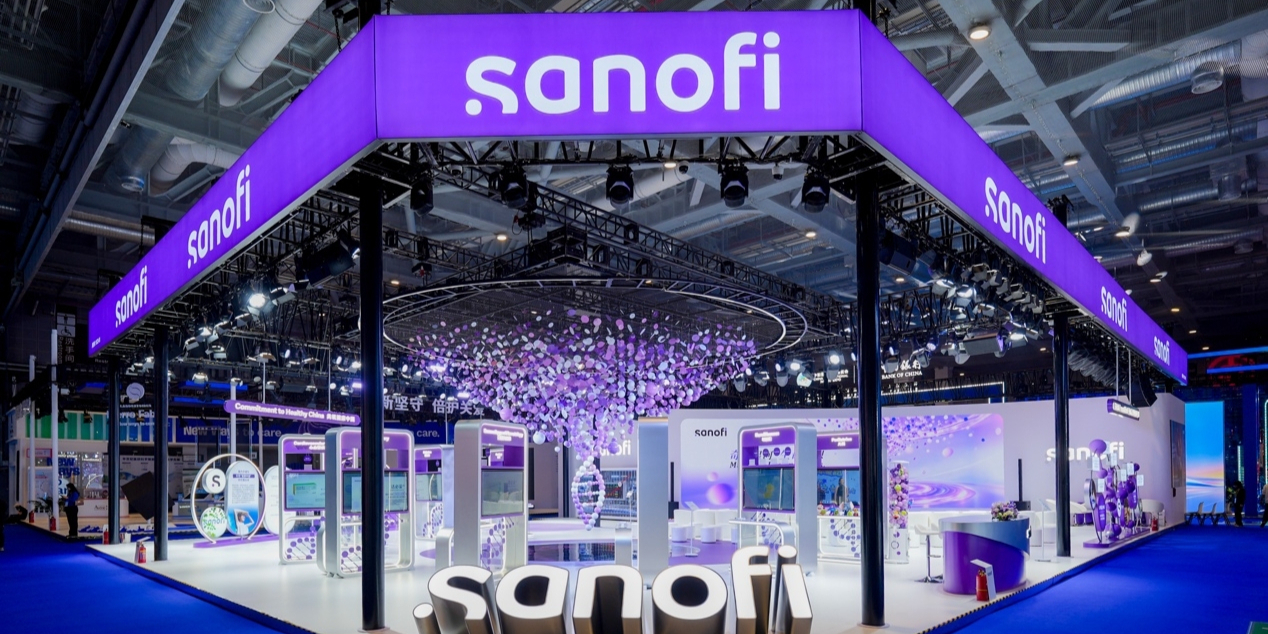
At the Sanofi booth of the 9th CIIE, the "global debut" position displayed a Chinese original research drug: Rovacitinib tablets, a JAK/ROCK dual target inhibitor independently developed by Zhengda Tianqing. In previous years, this position was mostly occupied by global new drugs that had just been approved in the United States or Europe and were waiting to enter China.
The change in this position is more direct than the slogans on the booth. Since the first CIIE in 2018, Sanofi has showcased over 150 innovative achievements here, and more than 90% have been approved for listing in China - this is a clear "introduction" curve. The path of Rovacitinib tablets is the opposite: it was approved in China in February 2026, and in March, Zhengda Tianqing granted global development, production, and commercialization rights to Sanofi. In May, it has been used in clinical trials in nearly ten provinces and cities across the country.
From taking on the global rights of new drugs in China to integrating the global rights of a Chinese original research molecule into its own pipeline, Sanofi's localization strategy in China has shifted its focus from "bringing global assets into China" to "bringing Chinese assets to the world" over the past 44 years.
Sanofi Greater China President Shi Wang summarized the significance of China to the company as "triple roles": contributing real and sustainable business value to the world's second-largest market; A globally leading innovation hub, redefining research and development efficiency with speed and cost advantages; The most rigorous competitive "training ground" in the world, continuously honing innovation capabilities and market adaptability.
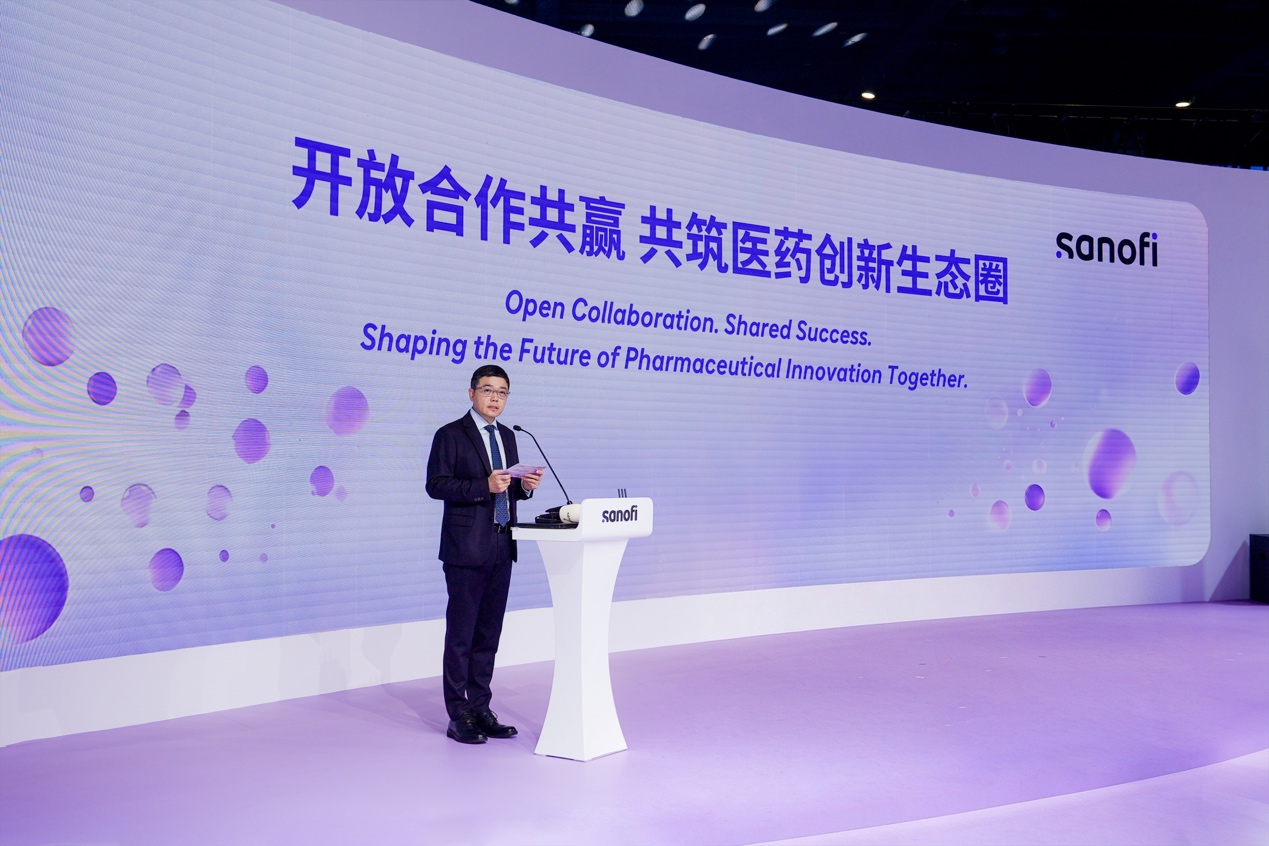
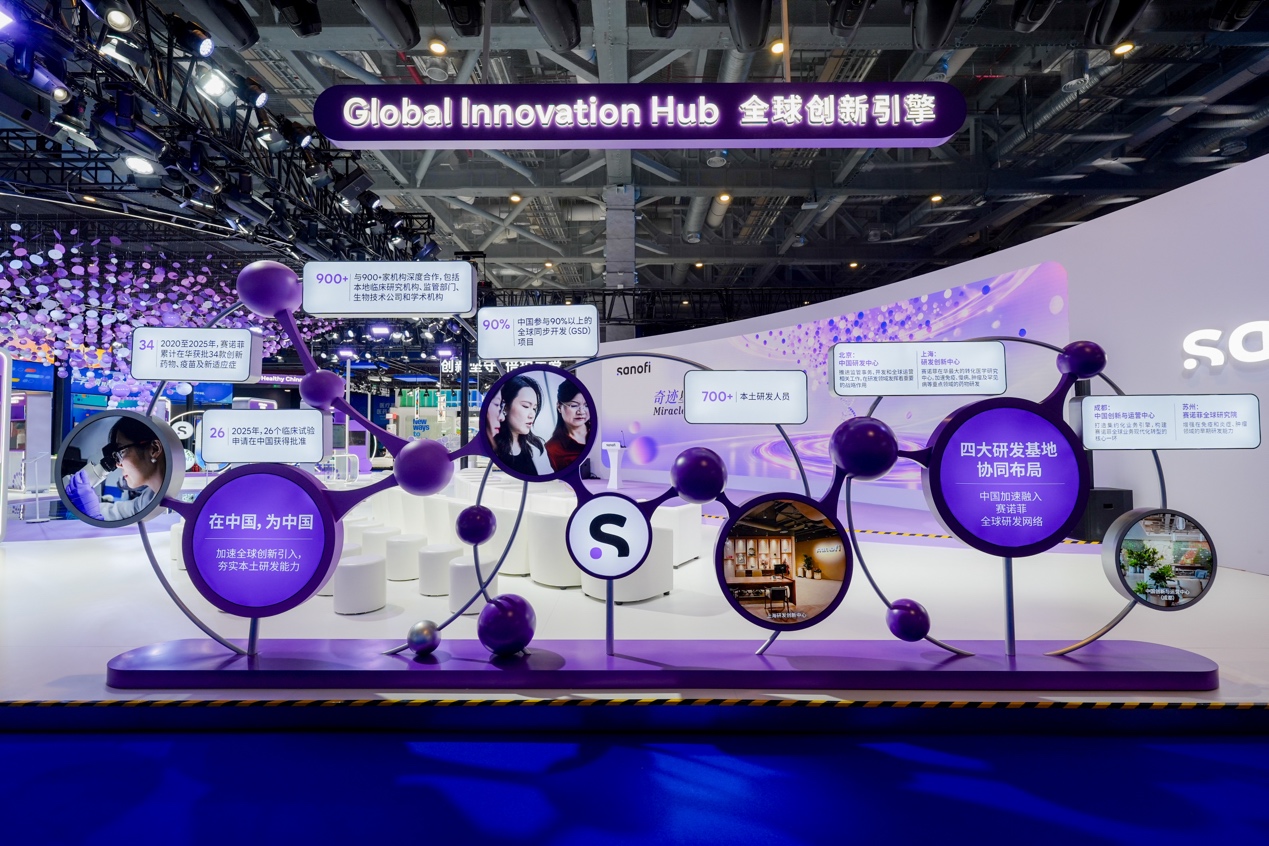
Behind these roles are actions that have already been implemented: this year, Sanofi's Shanghai R&D Innovation Center was upgraded and unveiled, creating its largest translational medicine research center in China, planning to carry out about one-third of the world's new research projects in China in the future, and China participating in more than 90% of global synchronous development projects. On the manufacturing side, the Beijing Insulin API Base with a total investment of approximately 1 billion euros has already started construction. On the cooperation side, Sanofi has established cooperation with more than 900 institutions in China, and has reached commercial cooperation with more than 10 local innovative enterprises since 2022.
Three heavyweight exhibits are all Chinese BD projects
The term 'local cooperation' has been circulating for several years and has gradually become a clich é. To determine its true weight, it still needs to ultimately fall on specific transactions. At this year's CIIE, the three heavyweight exhibits on the Sanofi booth are all BD projects in cooperation with Chinese pharmaceutical companies.
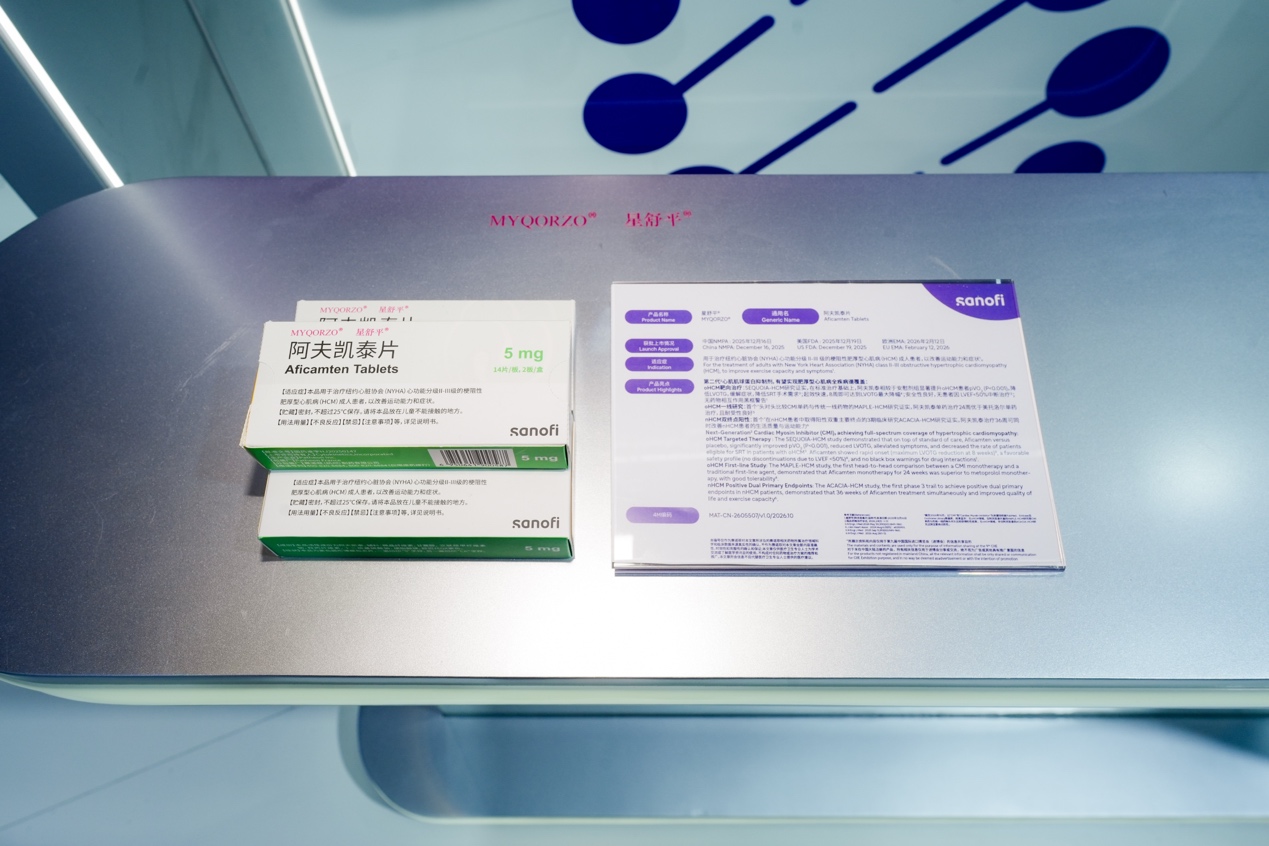
The first product, Xingshuping (Afkaitai tablets), is owned by Jixing Pharmaceutical. This is a second-generation cardiac myosin inhibitor approved in China on December 17, 2025, for use in patients with obstructive hypertrophic cardiomyopathy (HCM) classified as II-III by the New York Heart Association. This approval was granted earlier than the United States and the European Union, making it a "global debut". In December 2024, Sanofi signed an agreement with Jixing to acquire the latter's exclusive rights to develop and commercialize Afkeitai films in Greater China. At this year's CIIE, the third phase clinical study of the drug achieving dual endpoint positivity in the field of non obstructive hypertrophic cardiomyopathy was first exhibited here, which is the first and currently the only one in the world. For decades, there has been almost no medication available for non obstructive HCM patients.
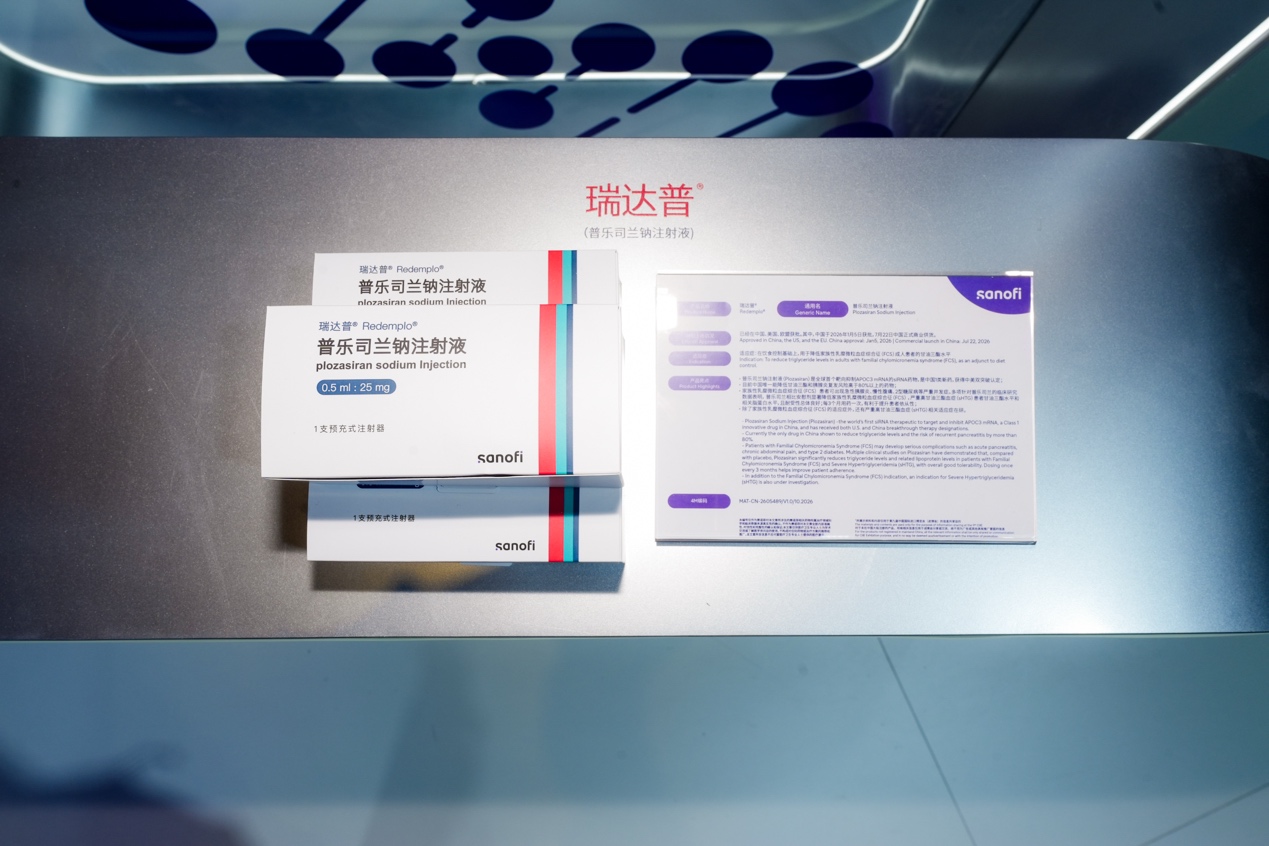
The second option, Ruidapu (Prezilan Sodium Injection), is owned by Weiyazhen. This is the world's first siRNA drug targeting APOC3 mRNA, which only needs to be administered four times a year. It was approved in China on January 6, 2026, for use in adult patients with familial chylomicron syndrome - a treatment dilemma that has plagued the medical community for a century. In August 2025, Sanofi reached a purchase agreement with Viyazhen, obtaining the development and commercialization rights of the drug in Greater China, with a prepayment of 130 million US dollars and a milestone payment of up to 265 million US dollars, totaling 395 million US dollars. Its Phase 3 data in the field of severe hypertriglyceridemia also made its debut at this year's CIIE. This shift points to another order of magnitude population: there are over 17 million severe hypertriglyceridemia patients in China, and the mortality rate of severe hypertriglyceridemia induced acute pancreatitis can reach 50%. A rare disease drug has been pushed towards the "minority to majority" major disease, relying not only on the molecule itself, but also on the inherent size of the Chinese market.
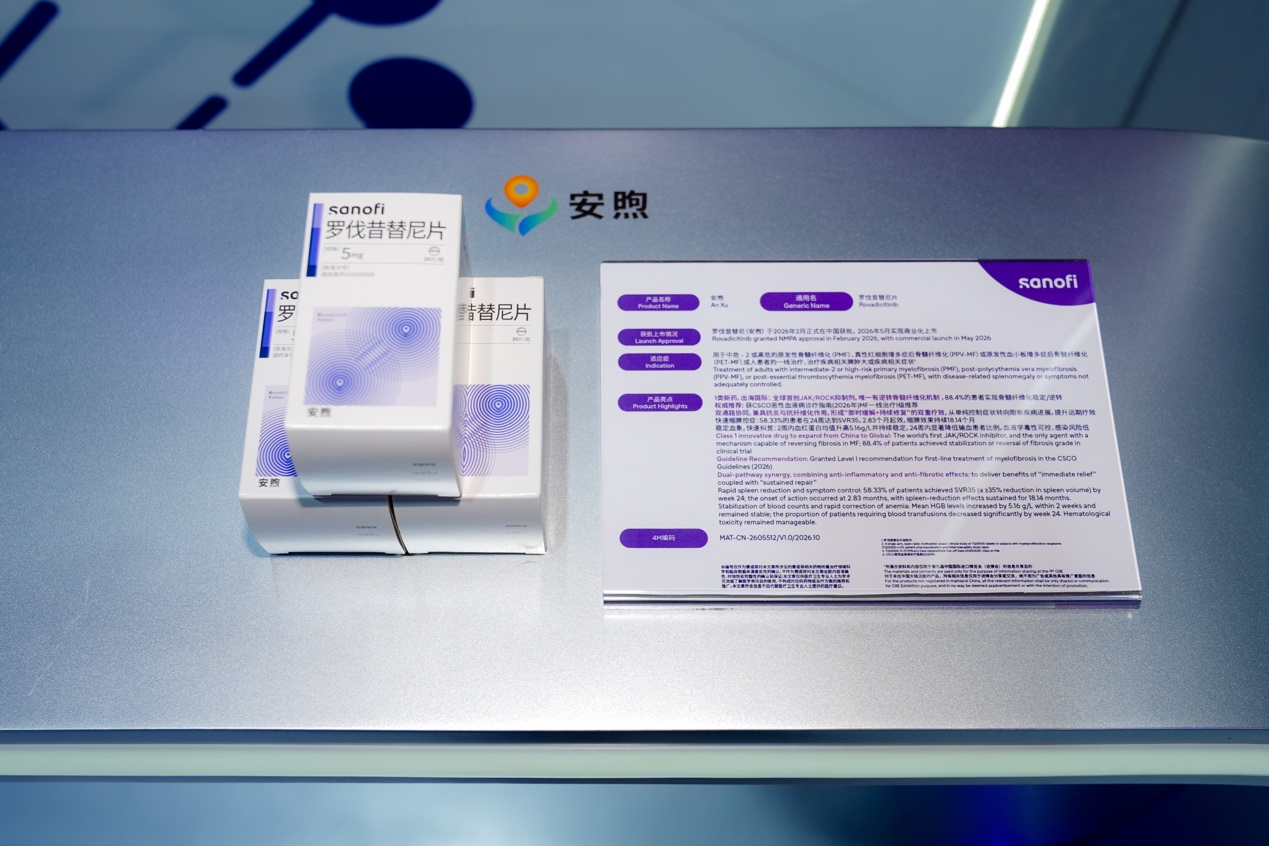
The third option, Anxu (rosuvastatin tablets), has the opposite path to the previous two. Not to introduce overseas elements into China, but to integrate Chinese elements into Sanofi's own global system. In March 2026, Zhengda Tianqing granted Sanofi the global development, production, and commercialization rights of rosuvastatin tablets, with a down payment of $135 million and a milestone payment of up to $1.395 billion, resulting in a total transaction amount of $1.53 billion. This is the world's first JAK/ROCK dual target inhibitor in the field of bone marrow fibrosis treatment. The purpose of dual targets is to parallel two pathways: one inhibits the JAK-STAT pathway for anti-inflammatory and splenic contraction, and the other acts on the ROCK pathway to directly intervene in fibrosis formation. It thus became the first first-line therapy in the field with the potential to reverse fibrosis.
The three transactions, 'Chinese content', are channel, clinical, and source in order. From taking over commercialization rights in Greater China, to taking over regional development rights, and then reverse integrating the rights of Chinese original researchers into the global system, this is an observable path. From the perspective of public trading structure, most multinational pharmaceutical companies' deep cooperation in China is still focused on commercialization and regional development, and the number of cases that can incorporate the global rights of Chinese original research molecules into their own pipelines is still limited.
Behind BD: Not just buyers
Looking through Sanofi's BD list in China in the past two years, it can be found that its coverage direction is wider than what the outside world imagines. Tianyan Pharmaceutical's CTLA-4 pre antibody and SAFEbody dual antibody platform, Huashen Zhiyao's TL1A/IL-23 dual antibody and TL1A/α 4 β 7 dual antibody, Yingsi Intelligent's AI drug discovery platform, Tianjing Biotechnology's CD73 antibody, and so on. Among these collaborations, there are both pipeline collaborations and long-term, wide-ranging technology platform level collaborations.
China is no longer just an important market for global innovation, but is increasingly becoming an important source of scientific research and innovation with global potential. What determines how far this industry can go is how solid, deep, and open our partnership is, "said Cui Kaize, Executive Vice President and Global Head of Vaccine Business at Sanofi
Regarding the uniqueness of China's innovation assets, Yang Ying, the head of strategy and business development for Sanofi Greater China, quoted the industry's statement at the roundtable forum of the CIIE that "in 3 to 4 months, at half the price, it's fast, cheap, and good." However, she also pointed out another fact: China has nearly 3000 to 4000 clinical trials, of which less than 100 are truly used for global registration. Chinese innovation companies still have room for improvement in cooperation with global pharmaceutical companies.
Yang Ying mentioned that Sanofi has launched nearly 30 Phase III clinical trials globally in the past three years, with one company accounting for a considerable share of all global clinical trials launched in China. Chinese companies also need to learn how to better adapt to foreign cultures and guide international teams. The financial pressure cannot be ignored, as a Phase III trial costs hundreds of millions of dollars, which in turn requires the company's risk tolerance. ”
This explains an easily overlooked aspect: Sanofi's role in China is not just that of a buyer. It is also a channel - to put Chinese assets into the global development system for verification, and to integrate China's clinical capabilities into the global registration standards.
R&D and Manufacturing: Moving Decisions in
The displacement of the research and development end is also very obvious. Currently, China is involved in over 90% of Sanofi's global synchronous development projects, and approximately one-third of Sanofi's future global new research projects will be conducted in China. In 2026, the Shanghai R&D Innovation Center will be upgraded to become the company's largest translational medicine research center in China, and signed a contract with Huashan Hospital affiliated with Fudan University to jointly build Sanofi's first and fourth excellent translational center in the Asia Pacific region and the world.
The signal from the manufacturing end is also clear. At the beginning of 2026, Sanofi's insulin raw material production base began construction in Yizhuang, Beijing. The total investment of 1 billion euros is the company's largest single investment in China to date, and it is also the first insulin raw material production base of a multinational pharmaceutical company in China. Located in the raw material pharmaceutical industry, it is closely related to cost and supply chain requirements. Upstream is placed in China, and a part of global supply is also placed in China.
In the same year, China's first innovation and operation center was established in Chengdu. Its scarcity lies in its function: not research and development outsourcing, but operational outsourcing. The relocation of research and development is about 'conducting experiments here', while the relocation of operations is about 'making decisions here'. The latter affects the processes of the headquarters.
From research and development to production, and then to operation, an end-to-end local capability chain is taking shape.
Ecological Components
Sanofi collaborates with over 900 institutions in China, covering local clinical research institutions, regulatory agencies, biotechnology companies, and academic institutions; Since 2022, it has reached commercial cooperation with more than 10 local innovative enterprises. This set of numbers is often cited as a report card, but it alone is not enough to indicate whether the ecology is really forming. The real difference lies in how capital enters.
Pipeline procurement and equity investment are two different types of relationships. The former is the licensing and limited sharing of rights around specific pipeline assets, while the latter is the binding of rights and interests at the subject level. In Sanofi's actions in China, two methods coexist.
Sanofi Kaihui Pharmaceutical Innovation Fund focuses on investing in innovative drug pipelines in China that have entered the clinical stage; Strategic equity investment of 30 million US dollars in GeBo Biotech to promote the development of molecular gel degradation agents for sickle cell disease; Sanofi Ventures jointly led a $85 million Series B investment in Quxin Biotechnology, supporting the best in class oral small molecule inhibitors STAT6 and IL-17. These belong to equity investments, which are not asset purchases in nature, but rather enter the governance and growth process of the invested enterprise as shareholders.
The construction of ecology is not limited to capital, but also includes drug accessibility cooperation and industry investigation and research.
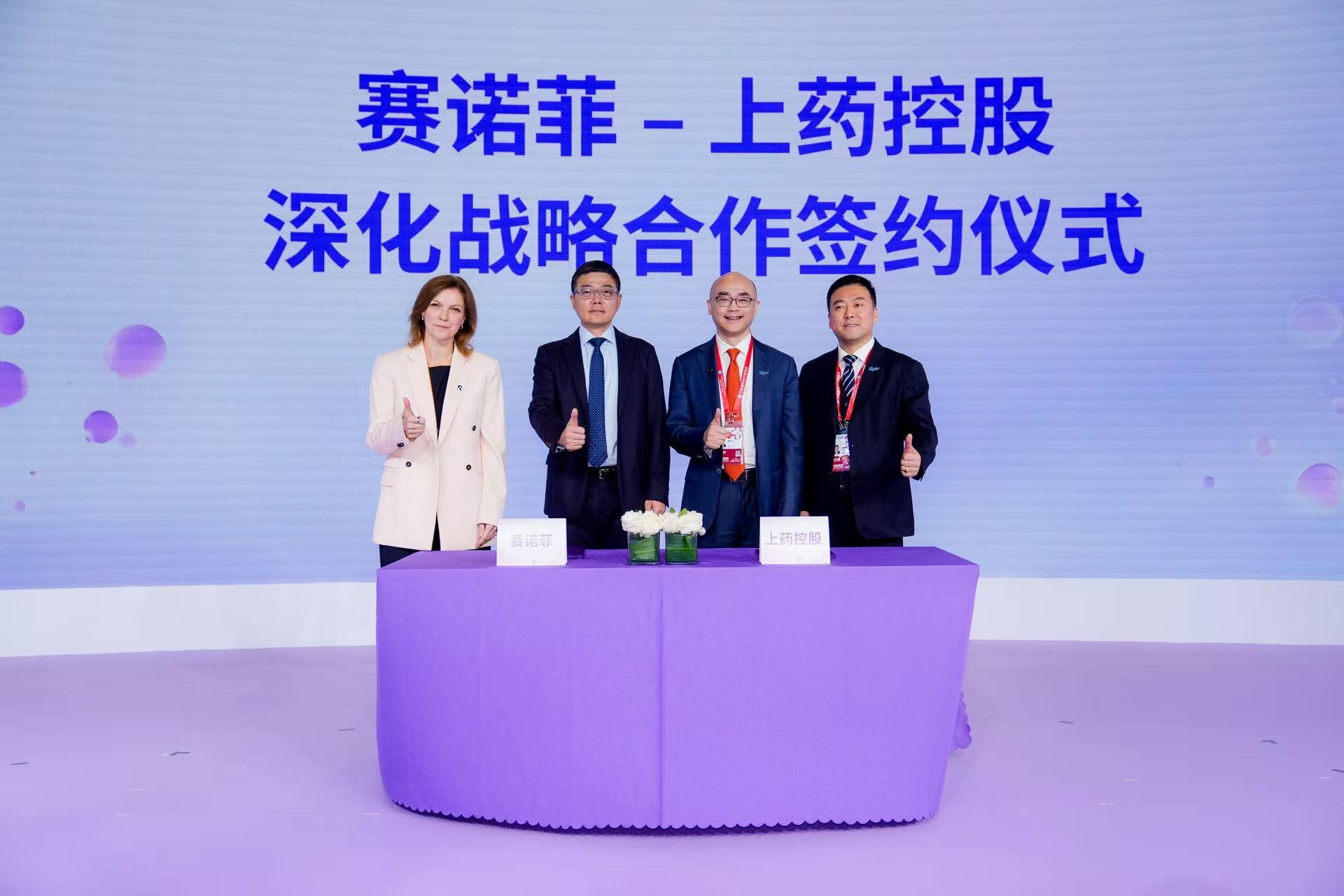
Signing another contract with Shangyao Holdings points to drug accessibility - whether a drug can reach patients after approval is another hurdle. The iAward Innovation Award and iDEA-TECH Data Exploration and Technology Innovation Award presented at the booth aim to motivate local researchers. Supporting Jianwen Consulting to conduct research on the "2026 China Innovative Drug BD Cooperation Insight Report" is closer to providing an industry public good - it does not directly generate commercial returns, but has reference value for the entire industry.
The moderator of the survey, Zhang Xiang, founder of Jianwen Consulting, shared three findings at a roundtable forum: the confidence and ability of Chinese biotechnology companies are increasing, and they are starting to select partners, focusing not only on funding but also on pipeline collaboration, project priority, and commercialization prospects; The real gap with the world exists mainly in the later stage of commercialization and full lifecycle management; The timing of China's innovative drugs moving towards internationalization is much earlier than their European and American counterparts, coinciding with the demand of multinational pharmaceutical companies to find pipelines in China. Among the three discoveries, the last one constitutes the background of Sanofi's layout in China.
Scale Of Time
The transaction structure, role positioning, and capital approach outline the spatial dimensions of Sanofi's layout in China. But there is another dimension to the depth of localization: time.
At this year's CIIE, Sanofi closely focused on the concerns of the whole society for children during the 15th Five Year Plan period, and presented for the first time the innovative practical achievements of safeguarding the health of Chinese children in a panoramic manner. Centering on the unmet needs of children, Sanofi continued to promote innovation in core areas such as immunization, prevention, breathing, diabetes, blood transplantation and rare diseases, and worked with government agencies, clinical experts, public welfare organizations and other parties. Pediatric medication has long been constrained by three factors - lack of dosage form, lack of evidence, and limited returns. A company known for its financial discipline is willing to lay out its system here, and what is being tested is not ability, but a sense of time. The China Children's Health Support Program has been in place for 16 years since 2010.
Parallel to the "slow line" of children's health is the curve that can be labeled point by point for dabigatran (Dupilumab injection). The first CIIE exhibition in 2018; In 2020, the indication for atopic dermatitis was approved and included in medical insurance in the same year; In 2024, its indication for chronic obstructive pulmonary disease was approved in China, ahead of the US FDA; Two days before the opening of this year's CIIE, the 11th indication was approved, becoming the first biological preparation in China to cover both adults and adolescents with chronic sinusitis and nasal polyps. Over the course of 8 years, from the first exhibition to 11 indications (and populations), covering three major areas: skin, respiration, and ear, nose, and throat.
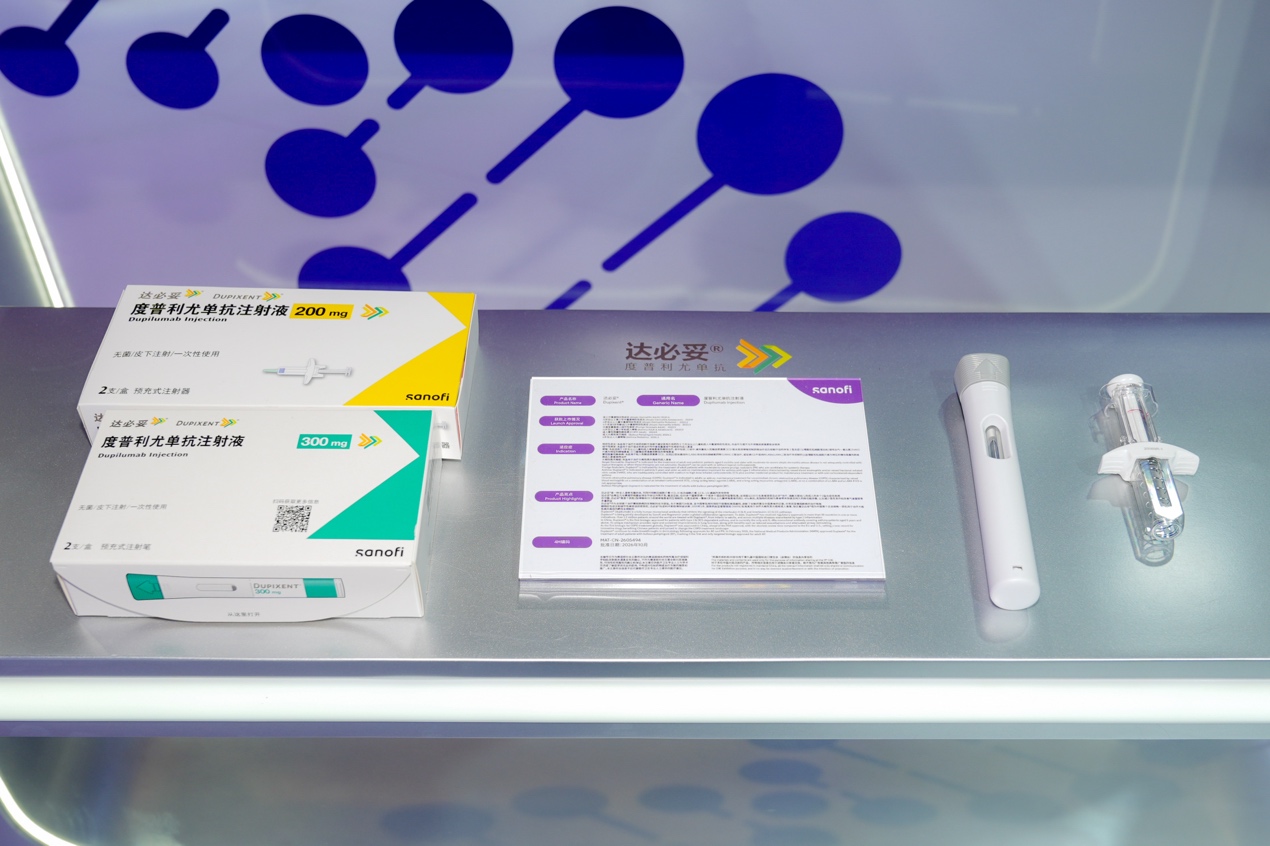
Two lines placed together point to two irreplaceable scales in localization. Dabitou measures efficiency - from exhibition booths to clinical trials, from single indications to 11 items, each step can find a landing point on the timeline, and the spillover effect of "exhibits turning into commodities" has a complete sample here. Children's health measures patience -16 years of investment, not measured by short-term returns. Whether a multinational pharmaceutical company truly takes root in China depends not only on how many new drugs it brings in, but also on whether it is willing to stay in fields with longer return cycles than patent periods.
Shi Wang said, "Looking towards the future, Sanofi will forge innovative hard power with a scientific spirit, stimulate innovation sources with China's clinical needs and scientific research advantages, consolidate innovation synergy through open cooperation, continue to deeply cultivate China, work together with local partners, and transform more scientific breakthroughs into prevention and treatment plans accessible to patients, so that innovation originating from China can benefit the world