2026-11-09 21:01

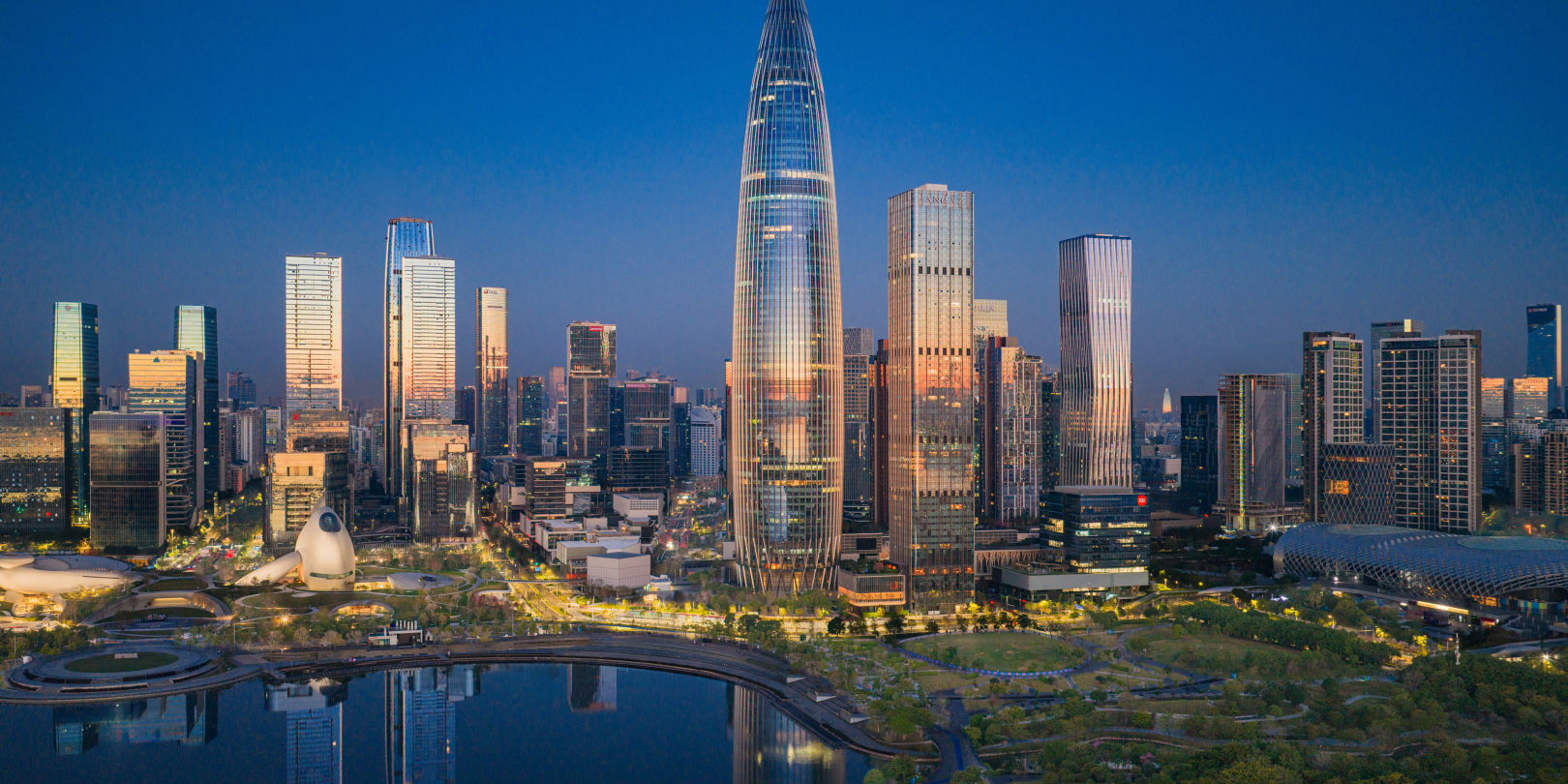
In August 1996, Tianhe City in Guangzhou opened for business. Department stores, supermarkets, restaurants, ice rinks, and entertainment centers are all housed in the same building.
In urban life at that time, this was a fresh combination. Going to department stores is to buy things; Going to Tianhe City, you can also eat, entertain, and kill half a day. A shopping mall is beginning to accommodate life beyond shopping.
That year, the housing system in most mainland cities had not yet bid farewell to unit allocation. The national sales revenue of commercial housing is only 142.7 billion yuan, and the residential area purchased by individuals accounts for about half of the residential sales area. Some real estate companies that later achieved sales of hundreds of billions of yuan are just starting out.
Almost simultaneously, in Hong Kong, companies from mainland China are trying another new thing, bringing mainland assets to overseas capital markets and raising development capital from investors. On November 8, 1996, China Resources Beijing Land was listed in Hong Kong. This company, later renamed as China Resources Land, had its main business still in Beijing at that time.
How ordinary families would live in their own houses, how urban residents would spend their money, and where a company could raise funds for construction, these issues became intertwined over the next thirty years. The housing reform, urbanization, and development of the capital market have pushed a limited industry to the forefront of the Chinese economy.
By 2021, the sales revenue of commercial housing in China will reach 18.19 trillion yuan. In the following years, sales decline, debt defaults, and guaranteed delivery of buildings successively entered the public eye, and the real estate industry began to recalculate the value of a building. The shopping malls, office buildings, and rental housing that have been on the books for a long time, as well as the operational capabilities formed around these assets, have gained greater weight in business operations.
On November 8, 2026, China Resources Land will celebrate its 30th anniversary of listing. From residential development to owning shopping malls, to operational services and asset management, this enterprise's business has gradually extended with the development of Chinese cities.
Standing at this node, China Resources Land has a clearer direction for its next journey. While continuing to construct and sell residential properties, we also manage assets accumulated over many years, recover funds through tools such as REITs, support new investments, and seek sustainable sources of business in urban renewal and residents' lives.
The house enters the family
In July 1998, the State Council issued a document on housing system reform, announcing the cessation of physical distribution of housing from the second half of that year.
For employees waiting for housing allocation, the path to obtaining housing has changed. For real estate companies, buyers have also changed. In the past, units could buy houses in batches and distribute them to employees; In the future, enterprises will have to face individual households, including the total price of the house, down payment, and monthly repayment amount, and begin to enter into long-term arrangements for households.
By 1999, the residential area purchased by individuals had accounted for about 80% of the residential sales area. Housing mortgage connects a family's future income with the current one, and the market for commercial housing expands accordingly.
Enterprises are also seeking their own sources of funding.
When China Resources Beijing Land went public, the housing market in mainland China had not yet fully opened up. The China Resources Group, which operates in Hong Kong for a long time, is shifting from trade to industry; Beijing Huayuan provides the asset and business foundation to enter the mainland real estate market. Capital from Hong Kong and projects from Beijing have been received through listed companies.
This combination later underwent a change. In 2001, China Resources further acquired the equity of Huayuan Real Estate, and Ren Zhiqiang resigned, separating the Huayuan brand from the original project. The following year, the listed company changed its name to China Resources Land Co., Ltd. and obtained the Dongjiadu old district renovation project in Shanghai, beginning to expand beyond Beijing.
At that time, another door was also opening in the real estate market. In 2002, the bidding, auction, and listing system for the sale of commercial land was established; In 2003, the State Council designated the real estate industry as a pillar industry of the national economy. The demand for housing has been released, land transactions are gradually standardized, bank loans and capital markets provide funds for development and construction, and an industrial chain from land acquisition to housing sales is accelerating.
The construction of a new residential area brings orders for construction, steel, cement, and decoration; After moving in, the family also needs to purchase furniture and household appliances. Outside of residential areas, roads, schools, and commercial facilities are gradually catching up. Real estate was involved in the most extensive population and lifestyle migration in China at that time.
In 1996, the urban population of China was about 370 million. By 2021, this number has exceeded 900 million. The newly added urban population needs to have a place to live, and existing residents also hope to move out of crowded old houses. These specific residential needs have supported the expansion of the commodity housing market for many years.
After the 2008 international financial crisis, the policy of expanding domestic demand promoted investment, and the real estate market heated up again. In 2010, Vanke's annual sales exceeded 100 billion yuan. After 2015, the monetization of destocking and shantytown renovation has driven a number of housing transactions in third - and fourth tier cities. By 2017, the top three real estate companies in terms of sales had all surpassed 500 billion yuan.
The list of real estate companies worth billions is getting longer and longer.
Developers are familiar with this operating method: borrowing money to acquire land, starting construction, obtaining pre-sale qualifications, selling houses, and then investing the recovered funds into the next piece of land. With faster turnover, the same amount of capital can support more projects. The scale growth in turn helps enterprises obtain financing and land, which in turn drives the next round of expansion.
China Resources Land has also expanded its residential business in this round of growth, with contract sales exceeding 100 billion yuan for the first time in 2016. Looking at its commercial layout today, it is easy to overlook the business scale and profits that residential development once provided. The two businesses have grown in the same company for many years, but for a long time, the voice of selling residential properties has been louder.
Rapid growth has also changed the attitude of enterprises towards time. When land and housing prices rise, buying a piece of land in advance often means locking in profits in advance; Sell the house as early as possible, and the funds can enter the next project as soon as possible. The accounts of the shopping mall need to be calculated annually, and after opening, it is also necessary to support merchants, adjust brands, and attract customers. Placed in a report that pursues turnover speed, these assets appear heavy.
But the needs of urban residents are also changing. After moving into their new homes, people began to search for nearby supermarkets, cinemas, and restaurants. After the completion of the housing transaction, the business around these families has just begun.
The shopping mall that stayed behind
At the turn of the century, developers began to experiment with commercial real estate. Wanda decided to walk on two legs, residential and commercial, in 2000 and built the first Wanda Plaza in Changchun; Hang Lung has established long-term commercial properties on Nanjing West Road in Shanghai. Some people hope to use their flagship stores to drive sales, while others are preparing to keep the property in their hands and gradually collect rent.
The choice made by China Resources in Luohu, Shenzhen was later explained by Ning Gaoning using two accounts.
In his recollection during a media interview, Vanke proposed that the sale of the building was expected to earn 600 million yuan. What he wants to try is to keep the project and get returns every year. Vanke did not participate, and China Resources continued to push forward.
This is the Shenzhen China Resources Center, which later became known as the Wanda Plaza. The total investment of the project exceeds 4 billion Hong Kong dollars. It started construction in 2002 and opened in December 2004. For China Resources Group at that time, this was a large-scale single investment.
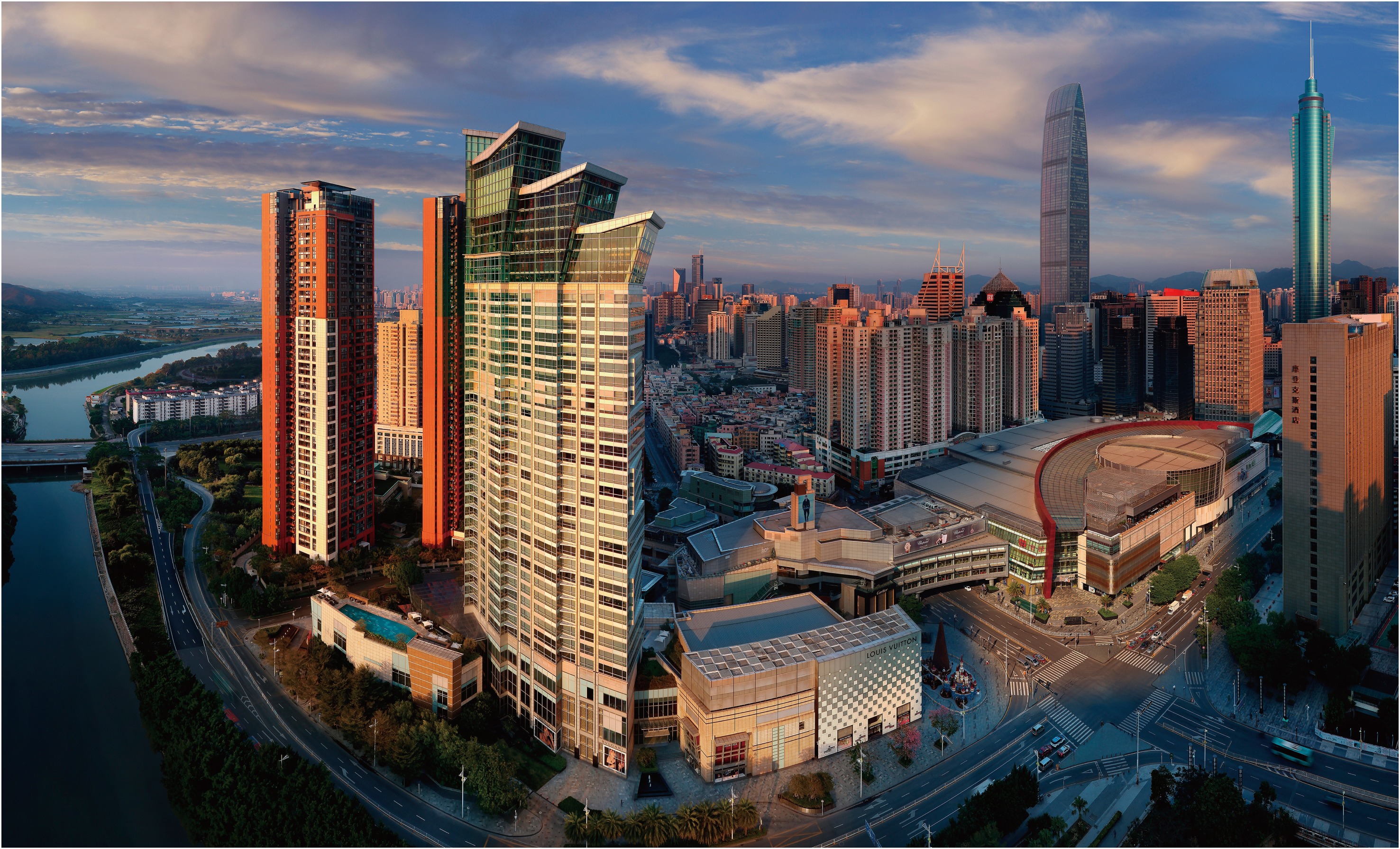
The practice of holding property is not unfamiliar in Hong Kong. Companies such as Taikoo and Henderson Land have been operating shopping malls and office buildings for a long time. China Resources has been based in Hong Kong for a long time and can gain exposure to these experiences, as well as see how shopping, dining, and entertainment are integrated in European and American shopping centers. The urbanization and growth of residents' consumption in mainland China have provided an experimental market for this business model.
Experience cannot be simply transferred. Ning Gaoning recalled that in the early days of the Wanda Plaza, there were door guests wearing top hats and tailcoats, but many customers were accustomed to wearing slippers when shopping. This overly formal reception made people uncomfortable, and later adjustments were made. He also admitted that the project once brought significant financial pressure, and the team had considered selling the adjacent Shenzhen China Resources Building.
From building a building to managing a shopping mall, there are many such adjustments in between.
In department stores, customers usually walk around the products. Shopping centers need to make people willing to stay longer and also allow family members who come with them to go elsewhere. Shenzhen MixC has introduced real ice rinks into shopping malls, and besides shopping, ice skating has become an activity that attracts people to visit. Cinemas and restaurants have extended the consumption time and made the operation of a building no longer solely dependent on the goods on the shelves.
This business test is the ability to continuously organize merchants and customers. Whether the store is suitable, whether the moving line is smooth, and how to configure catering and retail should be adjusted after opening. The same rental area but different tenant combinations may result in completely different business outcomes for the mall. The first answer submitted by the developer is construction, and they will continue to operate it year after year.
Allowing companies time to complete these adjustments requires real money and silver.
The Shenzhen China Resources Center was initially developed by China Resources Group. In 2005, the group injected a batch of assets including Shenzhen China Resources Center, Beijing China Resources Building, and Shanghai China Resources Times Square into China Resources Land for a transaction consideration of HKD 3.195 billion. The group undertakes project cultivation in the early stage, and the listed company subsequently undertakes assets. This "incubation" approach has become an important support for the development of China Resources Land.
Subsequent asset injections were not entirely paid in cash, but a significant portion was completed through issuing shares to the group. The listed company also utilizes the Hong Kong market for placement and financing. The capital support of the parent company and the financing capability of the listed platform complement each other, providing a more suitable arrangement for the long-term occupation of funds by commercial properties.
How long a company can wait depends not only on the choice of management, but also on the duration and source of funds. In the business story of China Resources Land, the group's support runs through project cultivation, asset injection, and subsequent expansion. Some of the waiting costs for the shopping malls that remain on the books will be borne by the larger group system.
Even so, Wanda Plaza did not quickly expand nationwide. More than five years after the opening of Shenzhen Wanda Plaza, Hangzhou Wanda Plaza only opened in April 2010. Ice rinks, cinemas, and supermarkets have been brought to Qianjiang New City, where commercial, residential, and office functions are combined in the same area. Subsequently, Wanda Plaza entered cities such as Shenyang.
Shopping centers have gradually become a familiar destination for urban residents. Lunch on weekdays, a movie on weekends, and a skating class for children can all take place in the same building. For shopping malls, repeated visits from customers are more valuable than a lively opening.
There are dividends of urban development and long-term accumulated experience in operation here. Population gathering, income growth, and improved transportation bring customers to shopping malls, which in turn attract consumption through the introduction of brands and services. National expansion allows operating companies to collaborate with more brands, and the experience of attracting investment and adjusting existing projects has been applied to later projects.
China Resources Land has thus formed a parallel business of residential sales and commercial holdings. The former follows urban expansion to provide housing, while the latter continues to do business in the built urban areas. When the residential market grew rapidly, the contribution of commercial properties was not as prominent, but shopping malls and their operating teams gradually stayed behind.
New business in the building
In 2021, the sales of commercial housing in China reached a high point of 18.19 trillion yuan. Four years later, the annual sales of newly-built commercial housing fell back to 8.39 trillion yuan.
In this round of adjustment, the real estate industry has experienced debt defaults, project shutdowns, and asset sales. In the past, funds that could be continued through the next sale are often unavailable now. In 2022, "ensuring the delivery of buildings and stabilizing people's livelihoods" will be deployed at the Central Political Bureau meeting, and families who have already paid but have not been able to move in will become the target of policy response.
The balance sheets of real estate companies are beginning to undergo another type of testing. How much land a company has and how many houses it can sell are still important; It has become more urgent to determine how much income existing assets can bring and whether they can cover ongoing expenses.
By 2025, the core net profit of China Resources Land's recurring business will exceed half for the first time, reaching 51.8%. These businesses include operating real estate leasing and light asset management fees, contributing a total of 15.4% of the operating income. Residential sales still provide the main source of income, while rental and management services bear a greater proportion of profit contribution.
This change has been accumulated over twenty years. The property initially left on the company's account gradually generates income; The team established to manage these properties has started providing services to other homeowners. In 2020, CR Vanguard Life was listed in Hong Kong, with independent listing platforms for commercial operations and property management. China Resources Land holds assets and operates enterprises to provide services, both of which can be priced separately in the capital market.
The upcoming changes will provide an opportunity for a mature shopping mall to enter the public market.
The pilot of public REITs for infrastructure in mainland China was launched in 2020, initially covering assets such as industrial parks, warehousing and logistics, highways, etc., and later expanded to affordable rental housing. In December 2022, China Resources Youchao REIT went public, and rental income from rental housing became the source of fund income.
In 2023, consumer infrastructure such as shopping centers and department stores will be included in the pilot scope of public REITs. In March of the following year, Huaxia CR Commercial REIT went public on the Shenzhen Stock Exchange, raising 6.902 billion yuan, with the underlying asset being Qingdao Wanda Plaza, which opened in 2015.
This mall has been operating for nine years from its opening to entering the public REITs market. It has gone through investment attraction and operation, accumulating rent, occupancy rate, and operating records that investors can observe. New investors participate in the future profit distribution of this mall by holding fund shares.
For the original holders, withdrawing part of the asset equity can recover the previously invested funds and use them again for project construction and investment that meet the requirements; For shopping malls, operations still need to continue, and tenants still need to do business. The arrangement of property rights and capital has changed, and the daily opening of the mall to welcome customers has not ended.
In 1996, the company brought its real estate business from Beijing to Hong Kong to raise construction funds. Nearly thirty years later, a Qingdao shopping mall that has been in operation for many years has become an investment target in the domestic open market. The connection between the capital market and real estate has extended from supporting enterprise development to providing long-term funding and exit channels for mature assets.
This has also changed the way companies calculate project revenue. Investment is required during the construction period, and cultivation is needed after opening. After maturity, it can continue to be held or partially recovered through REITs. Long term holding in the early years provided an additional option.
By the end of 2025, the urbanization rate of China's permanent population will reach 67.89%. This year, 1.21 million units (rooms) of allocated affordable housing, affordable rental housing, and public rental housing were constructed and raised nationwide, and 27000 old urban communities were renovated, benefiting 4.99 million households. A large number of residential buildings have been built in the city, and the task of improving living conditions falls on more specific areas: allowing new residents to rent suitable houses, filling in facilities in old communities, and allowing existing buildings to continue to adapt to new lifestyles.
Outside of commerce, sports venues, cultural facilities, and public spaces also require long-term operation. China Resources Land started with the construction of Shenzhen Bay Sports Center and extended its business to the operation of cultural and sports venues. According to its 2025 Sustainable Development Report, its cultural and sports venue operation business has entered 10 cities, with a managed area of approximately 4.5 million square meters. After the completion of the construction, how to arrange events, performances, and daily activities is another ongoing task.
A sports center, a shopping mall, and surrounding neighborhoods may serve the same group of residents. Performances bring in foot traffic, catering takes over post show consumption, and public spaces accommodate daily leisure. When discussing urban development, it is equally important to pay attention to how these facilities collaborate with each other and the sales of individual projects.
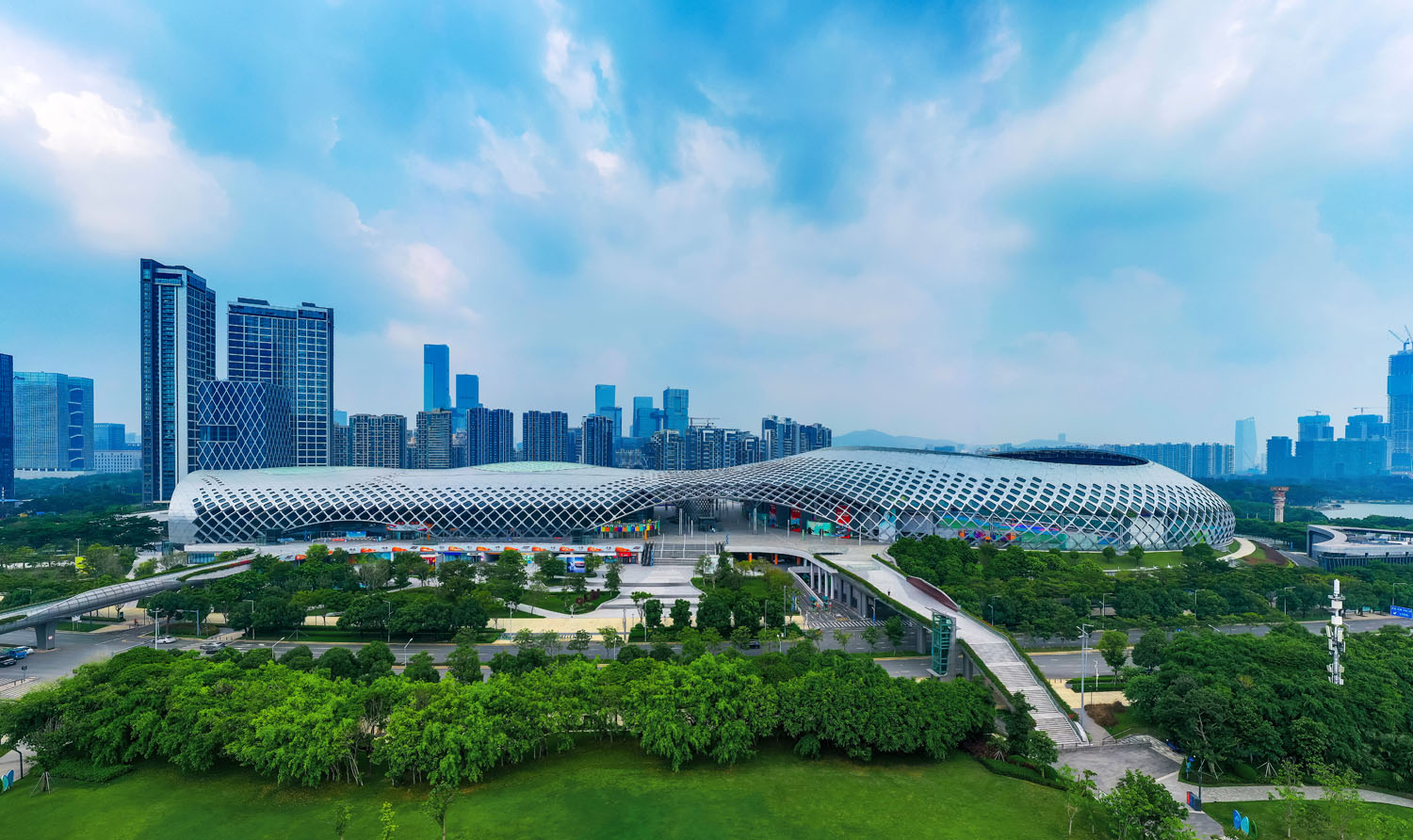
Thirty years ago, when China Resources Land went public in Hong Kong, the mainland housing market had not yet fully opened up. Subsequently, the reform of the housing system, urbanization, and the growth of household consumption provided space for the development of this enterprise. From residential projects in Beijing, to Wanda Plaza in various places, to rental housing and urban public facilities, the business of enterprises gradually expands with the changing needs of cities and residents.
On the 30th anniversary of its listing, the shopping mall that China Resources Land chose to keep in its early years has become an important source of profit; The operational capabilities accumulated around these assets have developed into services that can be provided to other homeowners; The funds that have long been deposited in the construction industry have also gained opportunities for reinvestment through REITs. The incubation support of the group, financing channels in the capital market, and years of continuous construction and operation have jointly supported this process.
The accumulation of these thirty years provides a sample for observing the next stage of real estate. The residential buildings, shopping malls, and public facilities left behind by large-scale construction will still serve the city for decades. Continuously adapting these buildings to meet human needs and ensuring long-term returns on the capital invested in them is a question that China Resources Land will continue to answer as it moves towards the next stage, and it will also become an increasingly important task in the real estate industry.