2026-07-15 16:31



On June 30th, the 2026th (22nd) China Advertising Forum · Urban Cultural Tourism Brand Forum, hosted by the China Advertising Association, was successfully held in Luohu District, Shenzhen. The forum focuses on the two core directions of brand building and digital economy development, and conducts in-depth discussions on topics such as city image building, digital advertising innovation, and the integration of cultural and tourism industries. Together, we explore new models of advertising in the era of artificial intelligence to support high-quality urban development, and continuously empower the transformation and innovation of the advertising industry and the upgrading of urban brand value.
On the forum, the "People's Account" knowledge-based network Red Hat Moer participated in a roundtable dialogue with the theme of "City Rediscover". As a creator who has traveled to multiple cities and filmed many intangible cultural heritage stories, her biggest feeling is that we are experiencing a "rediscovery" of cities. In the past, people talked about a city and focused on popular landmarks and must visit attractions, but nowadays tourists are more concerned about what they can experience. She believes that this is essentially a shift in tourists' expectations of the city - from "what to see" to "what to feel", from sightseeing to experience.
She admitted that her biggest feeling in recent years is that cities are becoming easier to "see" but harder to "remember". After many cities became popular, tourists flocked to take photos and cards before leaving. Even after the flow receded, the city remained stagnant. But she also shared a positive case - Rongjiang, Guizhou. After the popularity of "village supermarkets" on the internet in 2023, the local area did not rush to build commercial streets or charge admission fees. Instead, they took advantage of the situation and left the vacant land next to the stadium for villagers to set up stalls selling glutinous rice and pickled products. During halftime, there was also a grand display of ethnic costumes. Football is still the same football, but tourists stay in the village to experience the local customs and intangible cultural heritage skills due to a game. She concluded that urban marketing is shifting from a "traffic mindset" to a "retention mindset". The problem is not how to attract people, but how to make them stay and even want to come back.
In terms of high-quality content creation, Hat Moer believes that the role of creators is not to "shoot the city", but to "translate the city". She shared two stories she had filmed. The first story takes place in Taiyuan. This year's Spring Festival, she was invited by Shanxi Culture and Tourism to shoot an intangible cultural heritage technique called "San San San", which is not well-known but has been passed down for a hundred years. She was moved by the dedication of the inheritors and recorded the stories of the older generation before sending them out. She thought the response was mediocre, but many locals left messages saying, 'You actually took pictures of something we know but nobody cares about.'. After the video was released, many people actively contacted intangible cultural heritage teachers to learn this skill. Another story takes place in Xi'an, where she co filmed with a Japanese netizen who shared their feelings about Xi'an culture, receiving a lot of praise because the perspectives of outsiders and locals complement each other.She put forward the viewpoint that urban promotional videos solve the problem of "being seen", while the stories of ordinary people solve the problem of "being understood" and "being remembered". There are as many creators in a city as there are new perspectives for rediscovery, and the creative potential is infinite.
Hat Hat Moer finally stated that the city has always been there, in the past it was just not really seen. Rediscovering "is not about discovering something new, but about looking at the overlooked daily, forgotten corners, and unnoticed stories from a different perspective and perspective. The mission of creators is not to 'sell' the city to tourists, but to help them rediscover the city and better understand and explore it.
The following is a conversation between Modern Advertising and the knowledge-based website Red Hat Moer of People's Account:
Q: As a content creator, how do you think to create high-quality content that combines high dissemination heat and can carry the core values of the city and brand?
A: I think there may seem to be a conflict between traffic dissemination and brand city value, but in fact they complement each other. When creating content, I will first explore the core explosive points that are attractive to the content and build a basic framework for the content; On top of this, delving deeper into the unique and deeply ingrained niche features of the city is also the longest and most difficult part of the entire creative process. The current audience has already developed aesthetic fatigue towards content that is purely eye-catching, and is more willing to explore quiet and unique content such as niche attractions and cultural heritage. In the past two years, I have been deeply cultivating the creation of intangible cultural heritage themes. It takes a lot of time and energy to search for niche intangible cultural heritage sites and connect with inheritors, which is difficult to achieve overnight. It is recommended that creators combine their own strengths in creative direction, deeply integrate traffic hotspots with urban culture and brand characteristics, and balance the two to reduce the difficulty of creation and produce high-quality content that combines dissemination and value.
Q: When the phenomenon of homogenization of travel content is prominent in the following text, combined with the deep exploration of unique cultural cores that you just mentioned, may I ask how creators can deeply explore the content after receiving the topic, and create high-quality works that are recognizable, easy to spread, and memorable?
A: It is indeed difficult for cultural and tourism creation to break free from homogenization. Most creators prioritize identifying landmarks and popular photo spots when shooting a city, and simply copy existing templates. However, this approach makes it difficult to create outstanding and impactful content. The charm of a city may not necessarily be hidden in popular check-in spots. A short story of an ordinary person or the life of a local ordinary person can become the core explosive point that moves the audience. Creators need to break free from standardized templates and deeply experience the local culture and culture in order to break away from uniform templates and create differentiated content with exclusive memory points.

Want to buy a smart car with a budget of over 100000 yuan? Cannot bypass the Aion N60

Why can the repeatedly banned borderline marketing always get out of the circle smoothly?
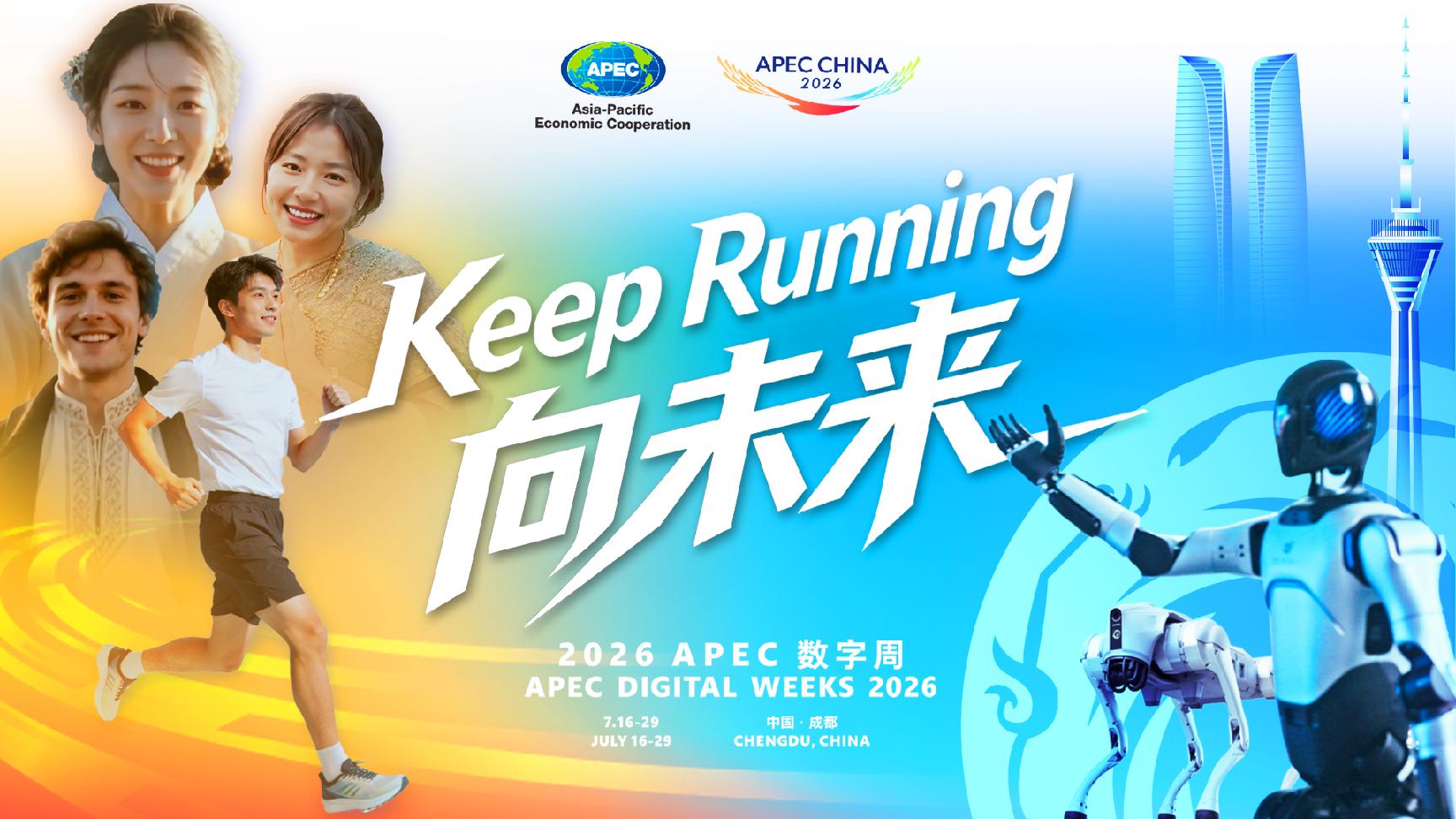
The APEC Digital Week city promotion video is officially launched, and Chengdu, the city of innovation and creation, will keep running with the world!


 WeChat registration or login