2026-07-15 11:45


Mr. Wang is no stranger to the National Convention Center. He comes here at least four times a year to attend corporate and industry conferences. Many times, we attend meetings in the morning, have a quick lunch with our team at noon, and then rush to the next meeting or visit clients in the afternoon.
This year, he had a new experience: he had a steaming hot authentic Sichuan flavor at the venue.
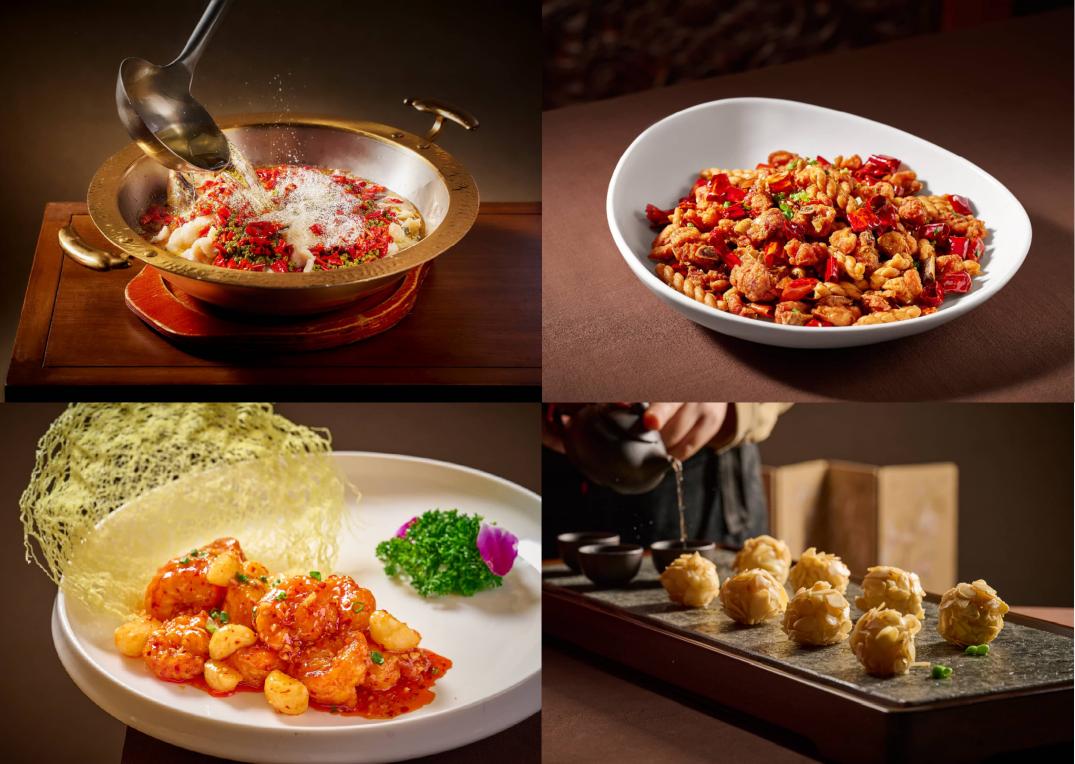
In March 2026, the Sichuan Hotel Beichen Congress Branch, located on the first floor of the National Convention Center, officially opened to the anticipation of diners. On the menu, there are not only hot and delicious "Shancheng Maoxuewang", but also hot "Mapo tofu", crisp and fragrant "Sichuan Zhangcha duck" and other signature dishes, while innovative dishes such as "Longjing Stewed Lion Head" and "Wine flavored Matsutake Crispy Intestine Head" inject unexpected elegance into the hot and spicy food. That's just too convenient. It's a bit hard to catch up, but now you can directly invite clients here or invite the team to have dinner here, "Mr. Wang said.
Sichuan Hotel was born in 1959 and was personally named by Premier Zhou Enlai, with the name written by Guo Moruo. It is one of the time-honored brands under Quanjude Group and a representative catering brand in the memory of Beijing Sichuan cuisine.
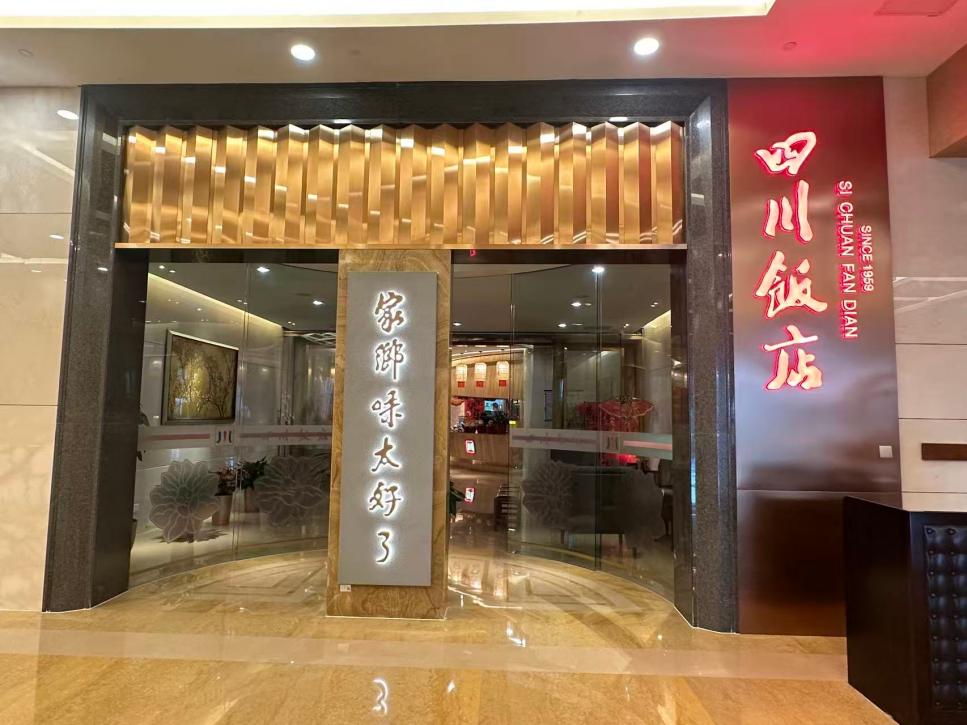
But taking the initiative to drive the Sichuan Hotel into the conference venue is not an easy choice.
The characteristics of exhibition passenger flow are very distinct, and the most important one is "rushing time". This old brand team, which originally served banquets, emphasized rhythm and meticulous service, has put forward new requirements.
Not only that, Sichuan restaurants specialize in Sichuan cuisine, but the business guests at the national exhibition come from all over the world. If the dish is too spicy, it may deter some customers; If the spiciness is completely reduced to cater to the public taste, it will be considered "not authentic enough" by customers who like Sichuan cuisine.
The difficulty of the challenge is not small, but the parent company behind it, Quanjude Group, does not want to just be an "exhibitor canteen", but is determined to take root here and establish the brand of an old brand. As a testing ground for Quanjude Group's "one product, one strategy" strategy, the value of this Sichuan restaurant is no longer just about "opening an additional store for the group".
Zhou Yanlong, Secretary of the Party Committee, Director, and General Manager of China Quanjude Group, stated in an interview that as consumer demand shifts from a single focus on "eating to eat" to a comprehensive demand for "eating experience," a cross-border integration of "+catering" is breaking through spatial, temporal, and industrial boundaries, constructing a new ecology of deep integration between "food" and "culture, commerce, tourism, sports, exhibition, and agriculture," creating new consumption scenarios.
Why did the Sichuan Hotel in the exhibition make business people repeat customers?
The National Convention Center is a super busy venue. Public data shows that by 2025, the first and second phases of the National Convention Center will hold 55 conferences with over a thousand attendees and 60 exhibitions with an area of over 10000 square meters; From the first phase of investment in 2009 to May 2025, the cumulative number of people received through the two phases of linkage has exceeded 40 million, driving the surrounding economy to over 55 billion yuan.
In such a crowded environment, catering is a necessity. After the exhibition ended, the passenger flow was quickly released in a short period of time. The afternoon meeting, negotiation, and signing of contracts are not waiting for anyone, and lunch can only take advantage of the opportunity. At this time, catering is no longer just about satisfying hunger. It is the window for exhibitors to receive customers and the most direct business card that a city can offer to out of town merchants.
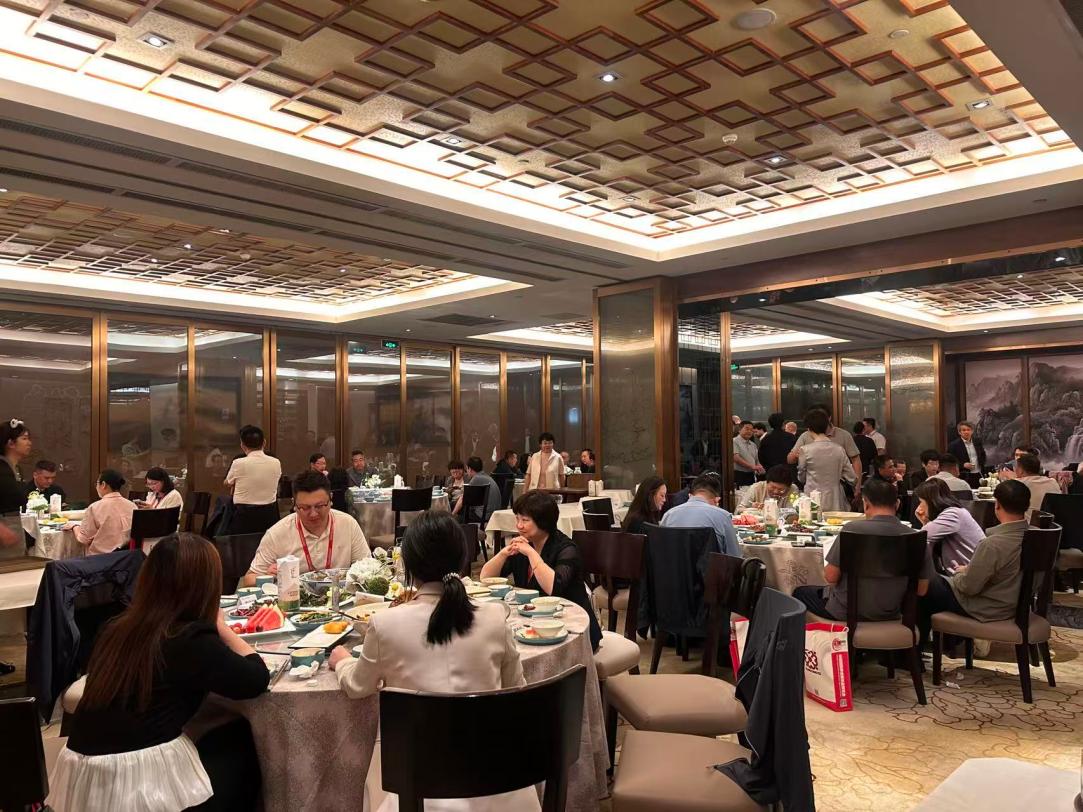
The origin of Sichuan Hotel is undoubtedly the most eye-catching, but when it enters the exhibition scene, these historical honors must undergo a new test. The business in the exhibition hall is not about seniority, only about hard work. To establish a firm foothold here, the first step is to achieve extreme speed and stability.
Faced with the concentrated business customer flow, the store needs to make adjustments in terms of serving efficiency, service organization, and dish stability.
In terms of dishes, Sichuan Restaurant uses a combination of "classic yet delicious" punches. Mapo tofu, Zhangcha duck, Mao Xuewang and other famous Sichuan flavors are the foundation of establishing a shop, and must be kept as they are, and must be stable - dozens of meals are served at the noon market peak, which should be spicy, spicy, fresh and fragrant. However, in the face of the diversified taste needs of the exhibition guests, the menu has set aside a "buffer zone": the proportion of "non spicy" dishes has reached 40%, from fresh chicken tofu pudding to the three delicious dishes of pot and rice, so that business guests who are not good at eating spicy food can also sit down calmly. This proportion adjustment essentially builds a bridge between "authentic Sichuan cuisine" and "business palatability", allowing people with different tastes to sit down and eat comfortably.
In terms of service, the hurdle for Sichuan restaurants is to switch from "banquet rhythm" to "exhibition rhythm". Traditional banquets can be gradually presented, but exhibitors and guests should not be "fully explained", but "done in a timely manner". They value waiting time, serving speed, and whether the service during the banquet is concise and effective. For this reason, the store carefully designs the flow line, focusing on response speed and product connection. Fast and orderly, fast and orderly, is the impression that Sichuan Hotel really wants to leave at the exhibition.
Zhou Yanlong mentioned that Quanjude Group has been contemplating the question of 'who to serve' in the past. He summarized the group's business strategy last year as "hardening per capita and activating customer sources".
In his view, catering revenue is formed by both per capita consumption and customer flow. Sichuan Hotel and Quanjude have their own brand tone and are not suitable for attracting customers through low price competition; But at the same time, it is also necessary to reorganize the customer source structure, serving both local customer groups and preparing to welcome out of town and mobile customer groups.
He believes that "+catering" is not a simple combination of catering and other business formats, but a new growth model of "catering as the foundation, scene value-added, cultural empowerment, and data-driven". For example, "Exhibition+Catering" can leverage platform radiation to make exhibitions a "springboard" for catering brands to go national and global.
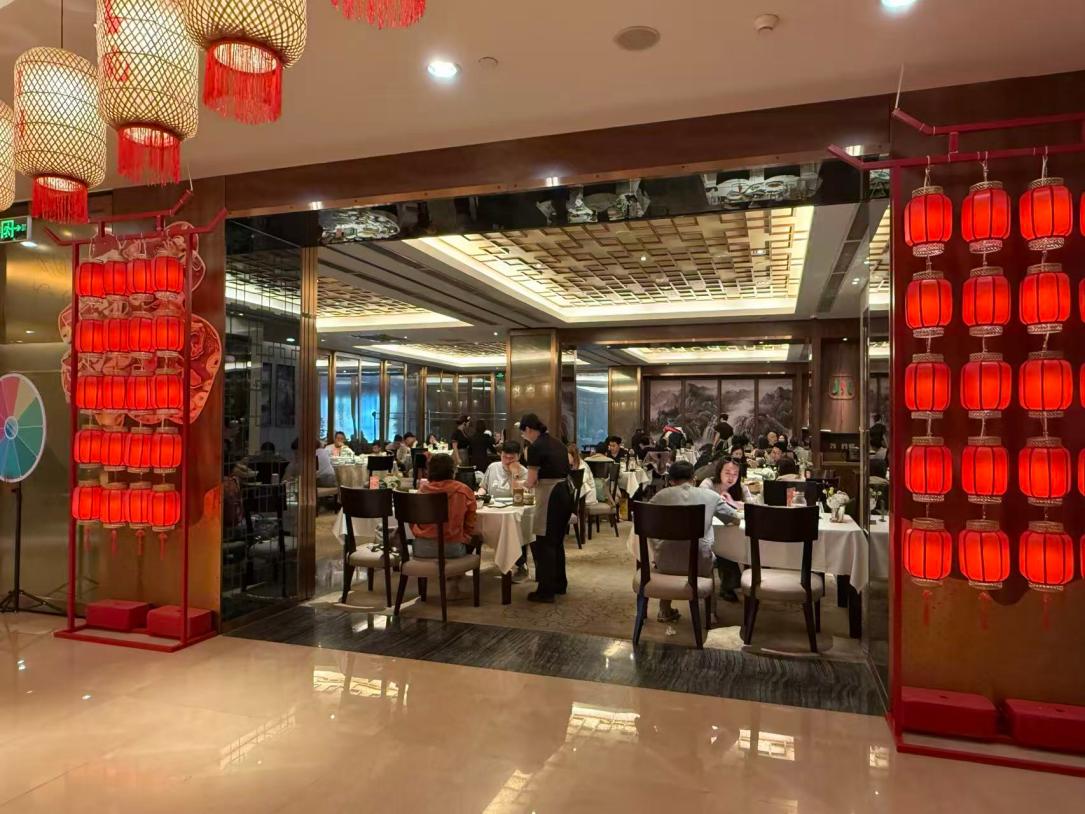
The consumer group in the exhibition scene is seen and serviced again under this logic. Sichuan hotels have also unlocked their new abilities in serving millions of mobile business people.
Covering travel hubs, old brands and mobile populations re recognize
The changes of Quanjude Group are not only happening in Sichuan hotels. From airports to high-speed railway stations, from in-flight meals to coastal tourist cities, Quanjude Group is putting its brands into more "people on the road" consumption scenarios.
Quanjude in the airport is another typical example. For passengers, the airport is a place where time is compressed to the extreme: some have just finished their business trips, some are preparing to leave Beijing, and some only have a short period of time before boarding. In such a scenario, consumers may not be willing to fully enjoy a meal, but they still need a meal to fill their stomachs and calm their minds. At this point, the three words' Quanjude 'themselves are a trustworthy and consistently high-quality choice.
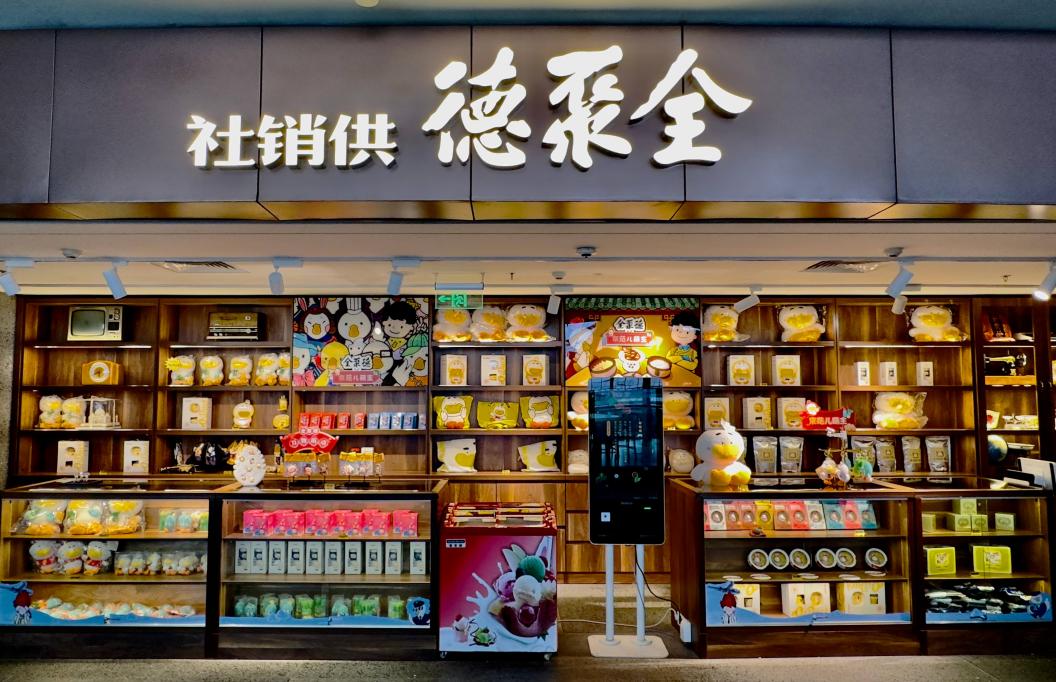
Quanjude Daxing International Airport store is located on the fifth floor of the terminal building on a floating island, outside the security check area, and can be accessed directly without a flight ticket. It is precisely this characteristic of "direct access for non air passengers" that has led Quanjude to make a new attempt: to dismantle and reorganize the entire space, and create a "one store, multiple forms" composite catering venue: the three major areas of Jude Noodle House, Xiaoquanjude, and Quanjude Supply and Marketing Cooperative, working together to weave a network that considers efficiency, experience, and culture.
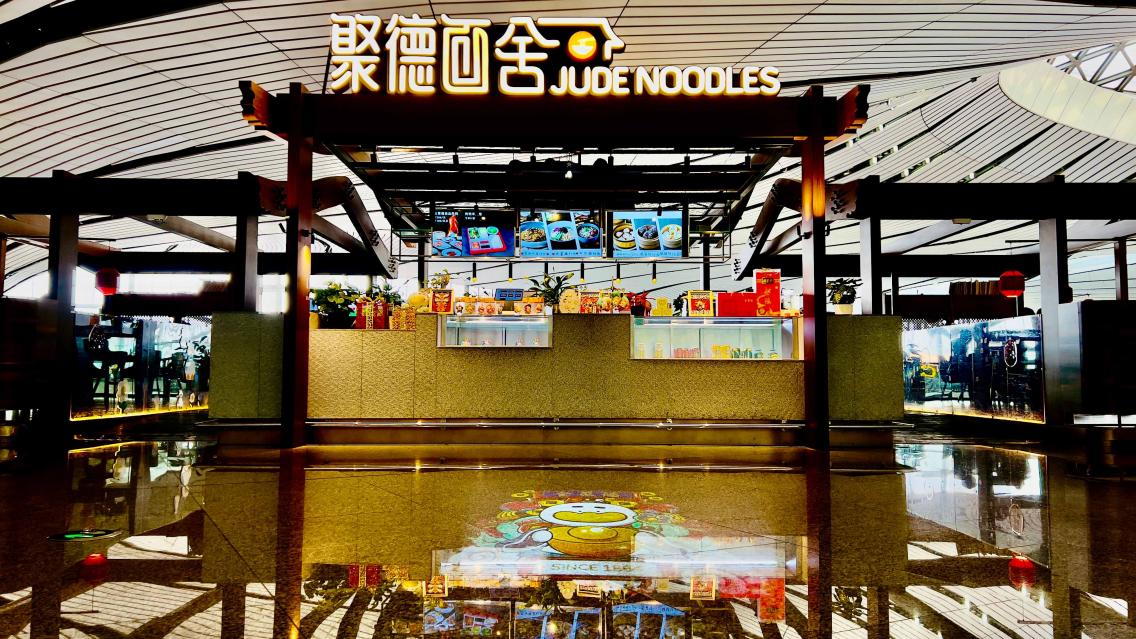
The Jude Noodle House follows a simple Beijing style route, with red lantern chandeliers casting warm light, blue tile partitions and green plants complementing each other, creating a quiet "courtyard" amidst the hustle and bustle of the airport. The scenic dining area along the glass wall overlooks the bustling departure hall; The distance between the tables has been deliberately widened, leaving just enough space for luggage. This subtle detail makes the dusty traveler feel cared for. Xiaoquanjude is known for its hollowed out exterior walls and exquisite furnishings, with light filtering through the hollowed out patterns. The space is compact and comfortable, able to keep up with the rhythm of "rushing time" and also retain a moment of calm brought by the Beijing flavor.
And what really pushed this store to the center of the conversation is Quanjude Supply and Marketing Cooperative - based on intangible cultural heritage food elements, it displays trendy cultural and creative products such as the "Good Duck" series plush toys and souvenirs, and also has an official customized seal from Daxing Airport, which is stamped for free and has become a popular check-in spot on social platforms.
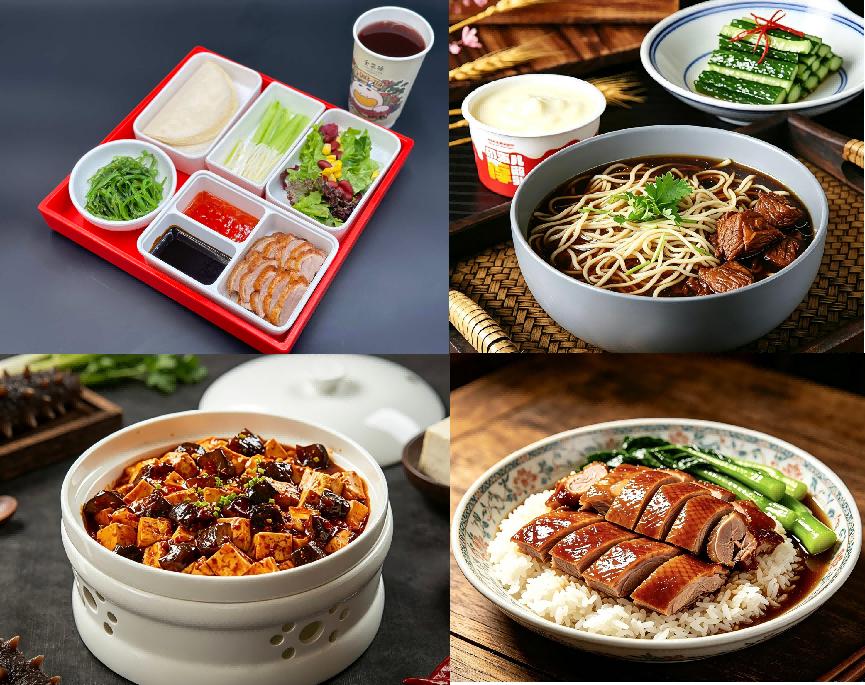
The menu has also been rearranged according to the scene. Exclusive roasted duck single meal at the airport, breaking down heavy banquet dishes into lightweight "one person meals", with a roll of lotus leaf cakes, giving a sense of ceremony in a hurry; Classic dishes such as roasted duck heart and salted duck liver are still on the list; Mapo tofu is filled with diced sea cucumbers, which makes it a bit more elastic and fresh and sweet; The final dessert is a thick buttermilk with a cold and smooth finish. After a meal, the century old brand's efforts fell steadily on the tip of the tongue.
For travelers in a hurry, this is a resting place to enjoy a meal of intangible cultural heritage cuisine and bring a souvenir; For young people waiting for their flight, taking photos and collecting a badge also adds a little bit of fun before departure. Quanjude Daxing Airport Store is no longer just waiting for customers to come, but creating a store for the scene, allowing every passing passenger to take away a memory of Beijing that belongs to this airport.
Meeting a time-honored brand at an altitude of tens of thousands of meters is an unexpected surprise on the journey. In 2022, Air China and Quanjude jointly launched in-flight meals, offering Quanjude dishes starting from flights departing from Beijing, and later introducing Sichuan cuisine from Quanjude Group's Sichuan restaurants. When the familiar aroma of sauce and spiciness wafts in the cabin, it is no longer just about satisfying hunger, but a cloud memory that can be taken away and savored. The comfort brought by a mouthful of authentic flavor is far greater than a thousand words on the ground.
Zhou Yanlong mentioned in an interview that in terms of spatial dimension, "+Catering" breaks the geographical limitations of traditional stores. Through integration and penetration, it not only extends the service content, but also creates a synergistic effect of "1+1>2". In terms of time dimension, "+catering" breaks through the rigid constraints of business hours and breaks the operating time point of three meals a day, enabling catering to serve different consumer groups throughout the day. At a deeper level of value creation, "+catering" is no longer simply a combination of business formats, but a chemical reaction generated through element recombination.
In the scenario based services of transportation hubs, Quanjude has embarked on a new path. Time honored brands can either not be the check-in destinations for travelers, or they can be a stopover for travelers heading towards their destinations.
Weaving a denser web, time-honored brands are not just memories, but also life
If Guozhan, airport, and Beijing station are catering to the mobile population traveling to and from Beijing, then Hainan stores point to another scenario: customers from outside Beijing.
Sanya is a special city. It is an international tourism consumption center city, attracting millions of domestic and foreign tourists every year; At the same time, it also has a large population of permanent residents and a constant influx of "New Southerners". Quanjude Sanya Central Coast Store attempts to balance inheritance and innovation, creating an experiential space for dual customer groups of cultural tourism and local consumption to taste the new Beijing flavor and experience the new Beijing style.
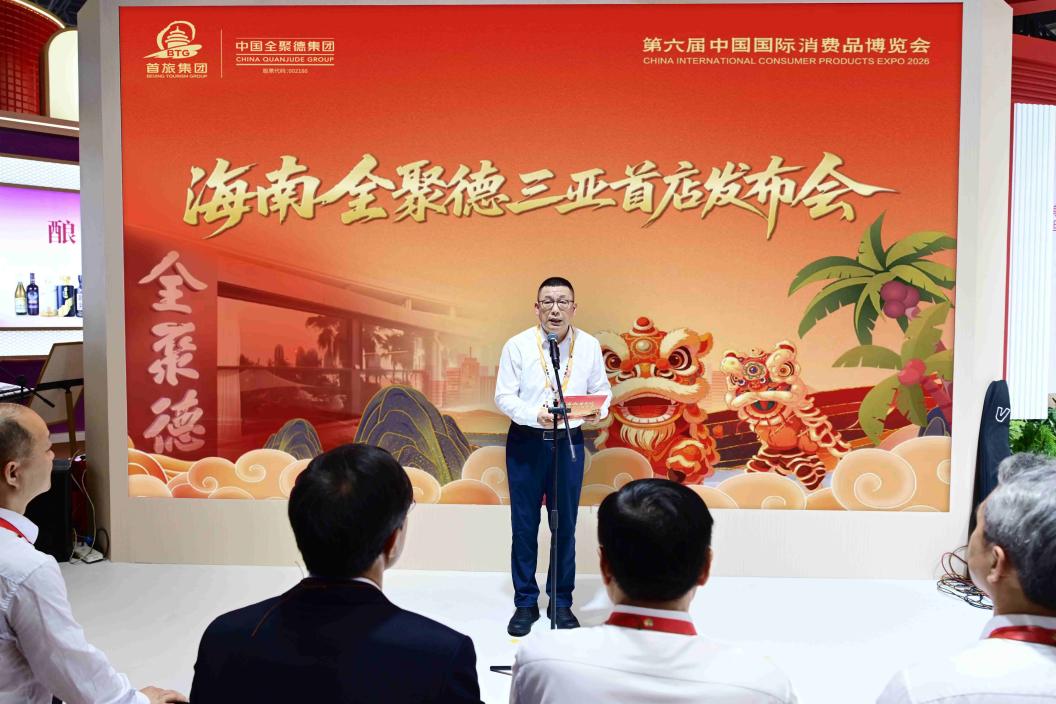
In terms of dishes, the Sanya store did not simply copy the menu of the Beijing store. The flagship of the store is still the "authentic" dish that has been passed down for 162 years - hanging roasted duck, but when you open the menu, the delicacy of Cantonese cuisine, the ultimate taste of seafood, and the local cuisine of Sanya have been cleverly integrated. When national level intangible cultural heritage techniques are injected into the kitchens of Sanya, the Beijing style cuisine begins to incorporate island style elements, with authentic Beijing flavors and tropical flavors intricately intertwined on the dining table. For tourists, this is a wonderful collision of "Beijing flavor" and "tropical island"; For local diners, this is more like a choice of taste that combines the quality of a time-honored brand with a true understanding of "following local customs when in Rome".
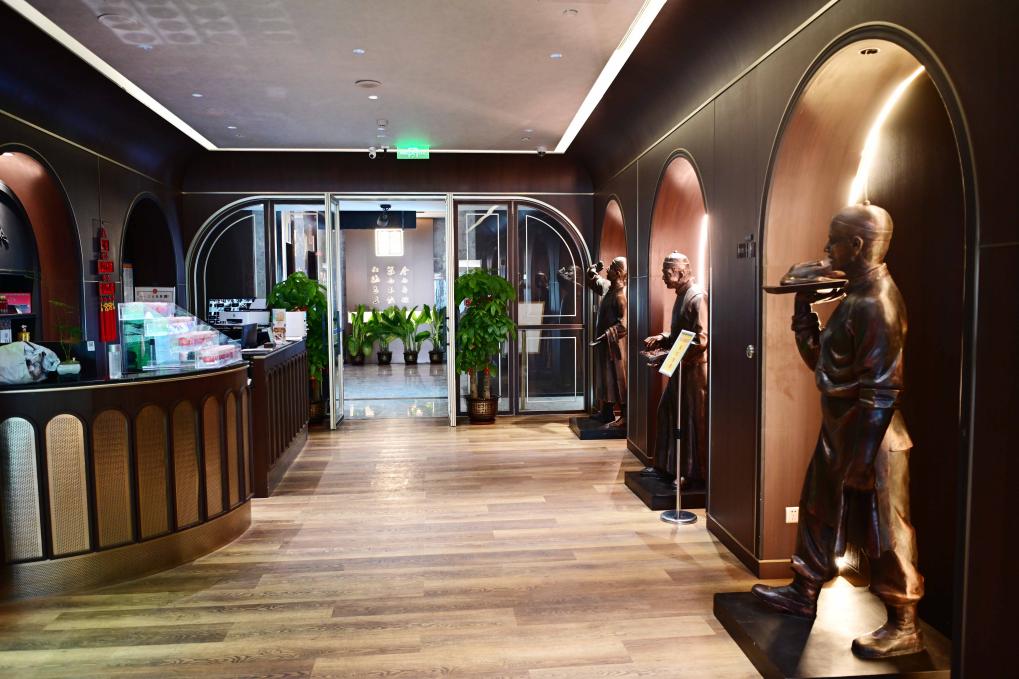
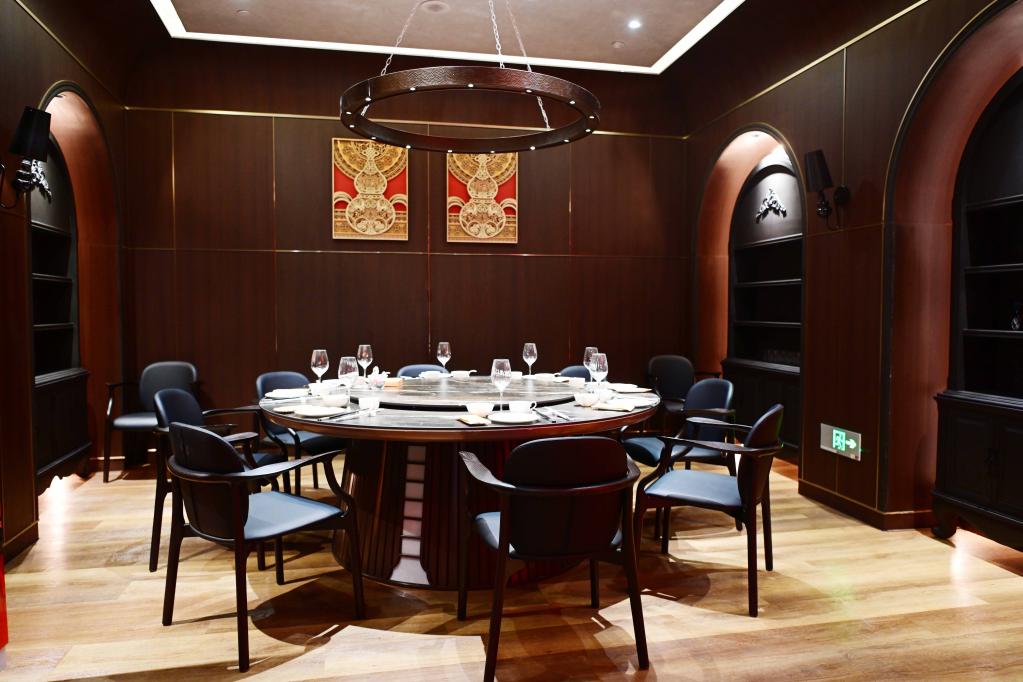
In terms of scenery, the Sanya store adopts the concept of "New Beijing Style Aesthetics", blending elements of Beijing charm, traditional palace patterns, natural wood texture, and coastal vacation elements together, creating a grand and elegant atmosphere with a unique breath of vacation. Four sea view private rooms and one senior banquet hall, with a large area of french window, offer a panoramic view of coconut forest, Phoenix Island and Sanya Bay not far away. Guests enjoy the intangible cultural heritage of hanging roasted duck and innovative Beijing cuisine while gazing out the window at the rosy glow soaking the sea surface. As chopsticks rise and fall, it is the taste of a time-honored brand and the slow pace of Sanya.
Sanya Central Coast Store is Quanjude's second directly operated store in Hainan, with the first one located in Haikou. Within a year, good things come in pairs. Quanjude Group has completed the dual core layout of "provincial capital+international tourism window" in Hainan, becoming a new landmark of local Beijing cuisine. And Hainan's twin cities are just a corner of this web.
According to public information, as of the end of June 2026, Quanjude Group has opened nearly 100 stores nationwide and overseas, covering regions such as East China, Central China, Sichuan Chongqing, Northwest China, South China, as well as countries such as Canada, the United States, France, and Japan. Zhou Yanlong said in an interview that these newly opened scenario based stores are like a network, giving Quanjude more "tentacles" to serve different customer groups in different scenarios.
Beijing stores have a clear tourism peak season and holiday rhythm, while stores outside of Beijing, transportation hubs, and exhibition scenes may contribute to passenger flow at different times, "said Zhou Yanlong." Catering operations cannot only focus on holidays and summer peaks. If our medium-sized store layout is reasonable, the overall catering revenue of the group also has the opportunity to become more balanced
He believes that small and medium-sized stores represent the current foundation and future direction of Quanjude. Old brands entering new scenarios cannot rely solely on simple door copying, but should put themselves in the shoes of the customers in the scenario and re understand the consumption actions in the scenario.
This net is still being woven tightly. According to Zhou Yanlong's vision, in the future, small and medium-sized stores will achieve further balanced layout and universal profitability nationwide, allowing stores to "open and survive".
From the convention center to the terminal building, from Beihai Park to the edge of Sanya Bay, Quanjude Group's stores are embedded in every corner of the city with a lighter posture. Not only has it entered more scenarios, but it has also expanded beyond Beijing, serving a wider and more diverse range of people. Time honored brands are no longer the destinations that need to be specially visited in memory, but are becoming a natural choice for more people in their daily lives.
This increasingly dense "service network" has enabled Quanjude to weave more capabilities and bring more vitality to Quanjude.

Want to buy a smart car with a budget of over 100000 yuan? Cannot bypass the Aion N60

Why can the repeatedly banned borderline marketing always get out of the circle smoothly?

The APEC Digital Week city promotion video is officially launched, and Chengdu, the city of innovation and creation, will keep running with the world!


 WeChat registration or login