2026-11-10 09:44

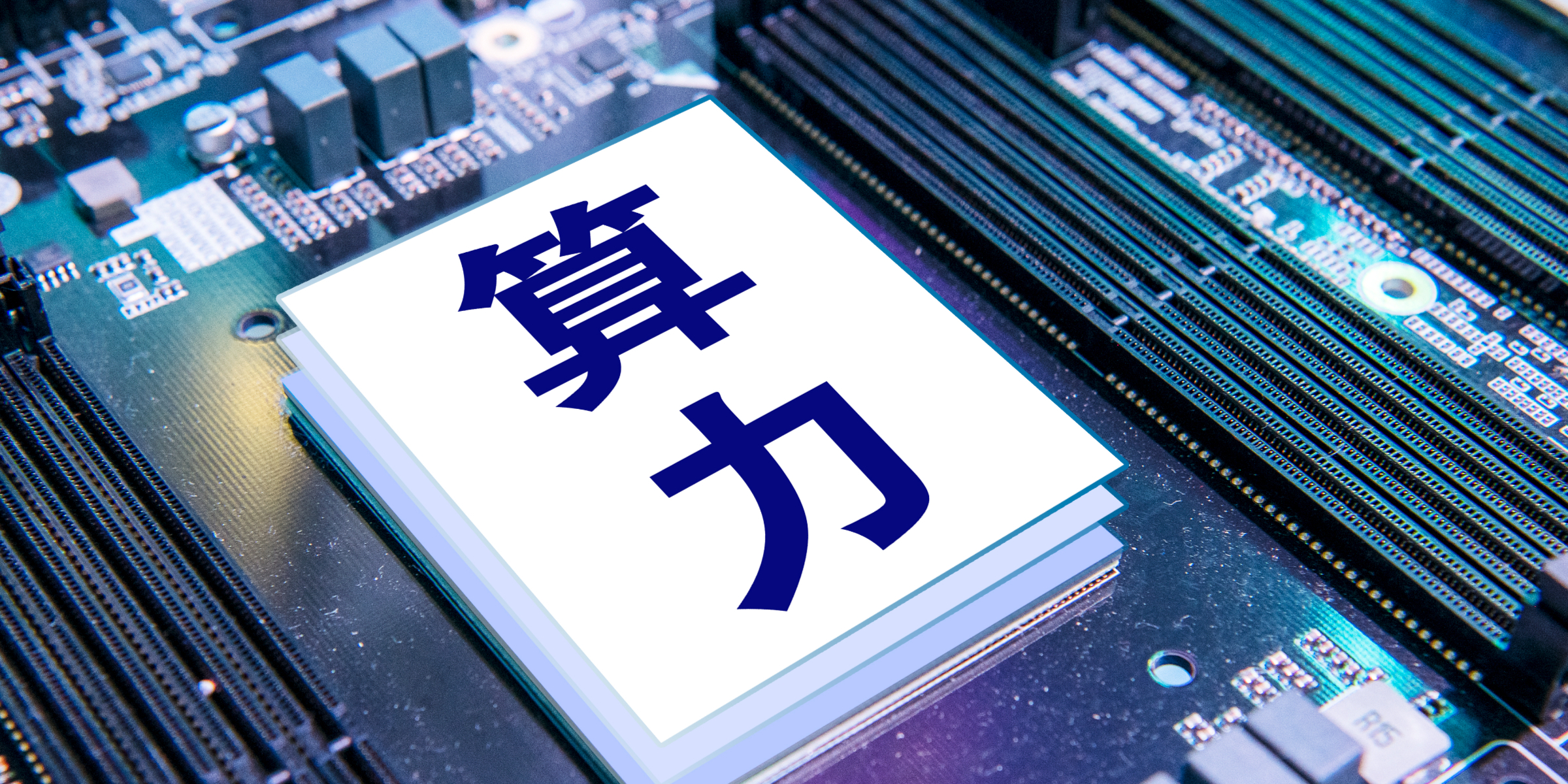
This year's Singles' Day, Token (a word element, the smallest unit of information processing in AI models, and also the billing unit of computing power, similar to the "degree" of electricity consumption) was listed as an independent category on e-commerce shelves for the first time. Li Jiaqi's live broadcast room sold about 2 trillion Token in half an hour. Previously, most of these computing power quotas were sold through the manufacturer's official website channels. Now, this intangible service has added an e-commerce platform as a purchasing channel.
Starting from September, top e-commerce platforms such as Tmall and JD.com have successively launched "AI Space Stations" and "AI Software Recharge Centers", integrating subscription services from mainstream domestic model manufacturers such as Qianwen, Zhipu, MiniMax, DeepSeek, etc. Users can purchase computing power quotas with just one click, just like paying for water, electricity, and coal.
Why are big model manufacturers flocking to e-commerce?
Traffic acquisition and potential risks
As user growth gradually slows down, many large model manufacturers have limited space to rely on their own clients and official website channels to attract new customers. Payment conversion has encountered practical bottlenecks, and manufacturers have begun to actively try to enter e-commerce platforms to tap into paying users in the market.
In the specific promotion process, large model manufacturers have begun to try to use scenario based demonstrations in e-commerce live streaming rooms to showcase the practical applications of AI to the public and expand new customer acquisition channels. On November 2nd, in Li Jiaqi's live broadcast room, professional technicians demonstrated using AI to handle trivial matters, generate business reports with just one click, and launched an AI membership monthly card with a one cent purchase limit, transforming abstract technology into visible life scenarios.
Unlike the impression that e-commerce platforms often offer more favorable prices to consumers, the computing power products commonly sold on e-commerce platforms do not follow the traditional discount impulse route, and most official products maintain the same prices as the official website. As of now, the sales of most conventional products have remained at around 100 units. Zhongqing.com stated that based on the current promotional efforts and sales performance, the symbolic significance of Token's appearance on the "Double Eleven" shelves this year is greater than its actual sales volume.
In the trading of computing power products, in addition to official channels of sales, there are also some "Token Transfer Stations" in the market that sell at low prices. According to a survey by China Business News, such services often provide computing power through illegal subletting of other people's accounts or splitting overseas monthly subscription accounts.
This unauthorized resale model carries certain business and compliance risks. For users, the claimed "unlimited limit" often comes with problems such as reduced computing power, response lag, and sudden account suspension. Information security is also worth paying attention to, as user inquiries and data must first pass through the servers of the "intermediary station", making it difficult for ordinary users to confirm whether these information are privately retained. For operators, if it involves illegal interface forwarding, building account pools, and other situations, they will also face corresponding regulatory and legal risks.
The consumption of computing power still needs to be gradually cultivated
Zhuang Shuai, founder of Bailian Consulting and an expert in the retail e-commerce industry, analyzed that the core purpose of large model manufacturers participating in the "Double Eleven" promotion is not short-term volume growth, but to rely on e-commerce traffic and platform credit, lower the threshold for user registration, purchase, and renewal, and steadily expand brand exposure. For e-commerce platforms, listing tokens is a layout to seize the entrance of AI new products, aiming to cultivate the consumption habits of the public's computing power and promote token consumption into daily life.
However, from the current purchasing motivation, most users purchase tokens for their own work and creative needs, with a high proportion of practitioners who have stable usage needs and rational consumption decisions. The computing power service itself is consumed on demand, and users often estimate the usage based on project progress and creative plans over a period of time, and then decide on the procurement amount. The procurement cycle and usage rhythm are closely linked. E-commerce shelves are more suitable for individual scattered and light usage needs, while enterprises rely on specialized supporting solutions for large-scale use of computing power.
As a virtual commodity that charges by volume, the rules for computing power in the transaction process also need to be clarified. At present, the entry of Token computing power into e-commerce shelves does not mean that the relevant transaction rules have fully matured. China News Service mentioned that there is still a lack of unified measurement and labeling standards in the current industry, and the statistical caliber of token consumption varies among different companies. There are different measurement methods for input, output, context caching, and image parsing. Key information such as the validity period of the credit limit, the scope of credit deduction, automatic renewal rules, and refund/change restrictions are often scattered and hidden in the agreement details, resulting in insufficient transparency of information and requiring continuous governance in the platform operation process.
Through the window of Double 11 this time, computing power has stepped onto the e-commerce shelves. When the computing power originally hidden in the technological background becomes a production tool within the reach of ordinary people, the circulation boundary of digital production factors is quietly expanding outward. The landing of technology must ultimately return to pragmatism, supported by clear trading rules and reliable security guarantees, in order for the consumption of computing power to be stable and sustainable.
(The author is a researcher at the Jingguan Research Institute)