2026-08-31 11:27


Economic Observation Network According to CCTV News App, on the evening of August 29th, the National Museum of Zoology issued a statement strongly condemning uncivilized visiting behavior.
On August 28th, in the endangered animal exhibition hall on the first floor of the National Zoological Museum, two children were playing and frolicking in front of the Zhoushan cobra specimen and the Mangshan Yuantou pit viper specimen,Continuously grabbing and kicking specimens with hands and feet. The accompanying father not only did not stop, but also picked up the two specimens, handed them to the children, and played with them. During this period, the specimen of the Mangshan Yuantou pit viper was damagedOther tourists present promptly informed the museum to prevent more serious consequences.
It is reported that the damaged specimen is Agkistrodon mangshanensis, formerly known as Mangshan Tietietou, an endemic species in China, which is only known to be distributed in some areas covered by Mangshan National Nature Reserve in Hunan Province and the Nanling Mountain National Nature Reserve in Guangdong Province,National first-class protected wild animals, wild populations on the brink of extinction。
This specimen also has a special origin: it was donated by Mr. Chen Yuanhui. In order to study and protect this endangered species,Chen Yuanhui has been bitten by snakes nine times and his middle finger has been permanently disabled。
The National Museum of Zoology strongly condemns:This is a typical and malicious act of uncivilized visiting - adults not only fail to guide children to cherish the exhibits, but also take the lead in participating and allowing destruction.
At present, the damaged specimens have been processed and repaired by professional personnel, and the monitoring room has fully preserved the uninterrupted surveillance video of the entire incident.The National Museum of Zoology reserves the right to pursue legal responsibilities of the parties involved in accordance with the law.
Specimen tongue fracture, abdominal cracking
We will seek professional specimen technicians to repair it in the future
Zhang Jinshuo, the director of the National Museum of Zoology, said in a media interview that there are patrol security guards in every exhibition hall inside the museum,There is also a "Do Not Touch" prompt on the signAt the time of the incident, the surveillance cameras immediately detected and notified the security personnel to negotiate, but the parents initially did not admit to touching the specimen. When the security personnel reminded them to "wash their hands quickly after touching the specimen," the parents only went to the bathroom to wash for two minutes.
It is reported that two precious specimens were destroyed this time. Among them, the specimen of the Mangshan Original Spearhead Viper was severely damaged, as parents picked it up to play with their children,Resulting in a broken tongue and a cracked abdomen in the specimen.
Another specimen of Zhoushan cobra showed cracks on both sides of its abdomen due to the child taking off their shoes and patting it.
Why are the exhibits directly exposed and placed? Zhang Jinshuo explained that this is very common in nature museums for better viewing and experience.If glass is added, the reflection will affect observation, and the exhibition area is not large, so installing glass on both sides will cause mutual reflection
Zhang Jinshuo stated that the extent of damage to the specimens is still being evaluated, and professional specimen technicians will be sought for repair in the future.After the repair is completed, it may be considered to completely seal the specimen in a glass cover.

From resistance to embrace, takeaway has become a rare highlight in the catering industry in the first half of the year

You can get a license anywhere, but young people don't get married because it's inconvenient
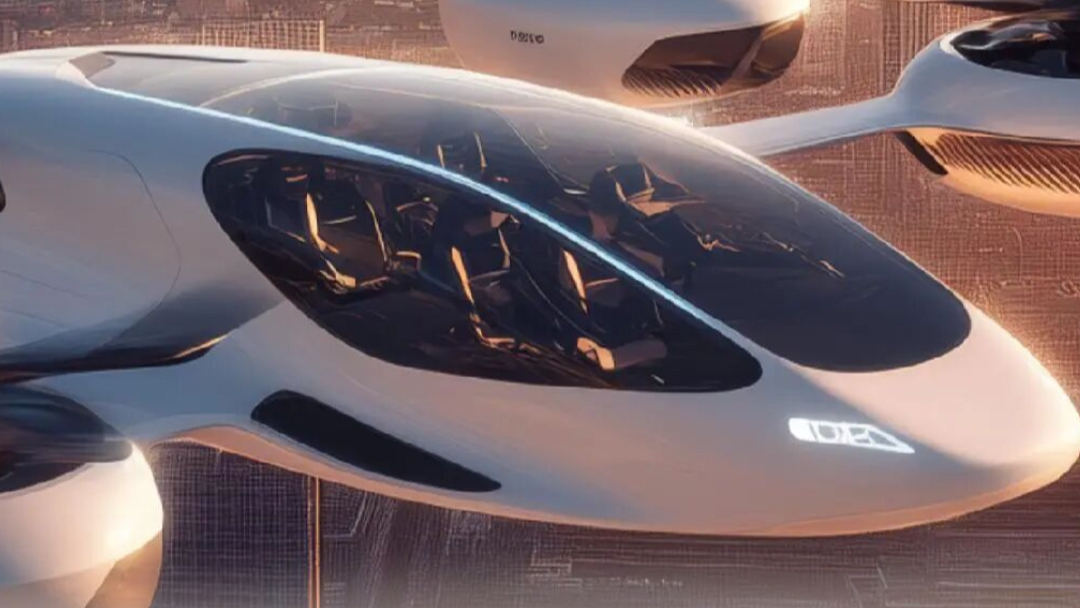
Low altitude track differentiation: rapid development of industrial drones, temporary slowdown in commercialization of eVTOL