2026-08-31 09:00



After a travel company achieves a revenue of billions, the most important question for the next step is often not whether it can maintain a doubled growth rate, but whether the same business network can achieve higher efficiency.
Cao Cao's mid-term performance in 2026 shows that larger scale and better operational quality are emerging simultaneously.
In the first half of the year, the company achieved a total revenue of 10.34 billion yuan, a year-on-year increase of 9.0%, with significant growth in average monthly active users and average monthly active drivers. At the same time, the company's gross profit margin increased from 8.7% after restructuring to 9.0%.
In June, Cao Cao Chuxing released the RoboX strategy and announced a comprehensive transformation towards AI. Under the new value mainline, the multi billion yuan scale ride hailing business will provide cash flow and scenarios, the customized car system will reduce the full lifecycle cost of vehicles, and the operating network covering 215 cities will become the most difficult base for RoboX strategy to be replicated.
Basic plate continues to generate blood
Intelligent transportation requires a fundamental foundation that can sustain its growth.
In the first half of 2026, Caocao Travel achieved a total revenue of 10.34 billion yuan, a year-on-year increase of 9.0%; Among them, the revenue from travel services reached 9.792 billion yuan, a year-on-year increase of 13.9%; The total transaction volume of the platform reached 12.445 billion yuan, a year-on-year increase of 13.6%.
Profitability is also continuously improving. In the first half of the year, the gross profit margin of Cao Cao's travel increased from 8.7% after restructuring to 9.0%; The loss during the period narrowed from 460 million yuan to 380 million yuan, a year-on-year decrease of 17.5%; The adjusted net loss decreased from 322 million yuan to 307 million yuan, and the adjusted loss ratio improved from 3.4% to 3.0%.
Adjusted EBITDA increased from RMB 144 million to RMB 160 million, and operating cash flow continued to maintain a net inflow. The core business of Cao Cao Travel has a relatively clear ability to generate revenue, which can provide support for the long-term investment direction of Robotaxi.
As of the end of June, the company's business covers 215 cities, with 20 new cities added in the first half of the year; The average monthly active users reached 44.6 million, a year-on-year increase of 17.1%; The average monthly active drivers reached 758000, a year-on-year increase of 36.8%. The simultaneous expansion of users, drivers, and transaction scale forms the demand entry and transportation network that RoboX can directly inherit.
The customized car strategy further amplifies the value of the base plate.
As of the end of June 2026, Cao Cao Travel has over 42000 customized cars. Compared with ordinary passenger cars, customized cars are designed around high-frequency operations from the beginning, and have greater cost optimization space in vehicle procurement, energy replenishment, maintenance, insurance, and residual value management.
Relying on the Geely ecosystem's battery swapping network, Cao Cao's customized cars can complete battery swapping within 60 seconds at the fastest; Geely's authorized after-sales system helps to compress vehicle maintenance time and costs. According to Frost&Sullivan data previously cited by the company, the average lifecycle cost of its customized cars is about 36.4% lower than that of typical pure electric vehicles in shared mobility scenarios.
This mode allows Cao Cao's travel profit space not only to look for the deduction and subsidy, but also to be released through the industrial chain links such as vehicle design, energy supply, maintenance and asset management.
This capability is reflected as a cost advantage during the manned driving phase, and will also be transformed into an operational advantage for unmanned fleets in the Robotaxi era.
Trinity moat connects the entire operation chain
The core of Robotaxi commercialization is not to manufacture a prototype vehicle that can drive autonomously, but to manage a fleet of unmanned vehicles that can operate 24/7.
As the fleet size increases from a hundred to ten thousand vehicles, the complexity of the operational system will also rapidly increase. Autonomous driving solves the problem of "how to drive a car", while operation solves the problem of "how to continuously make money from a car".
This is precisely the core advantage of Cao Cao's travel compared to a single technology company.
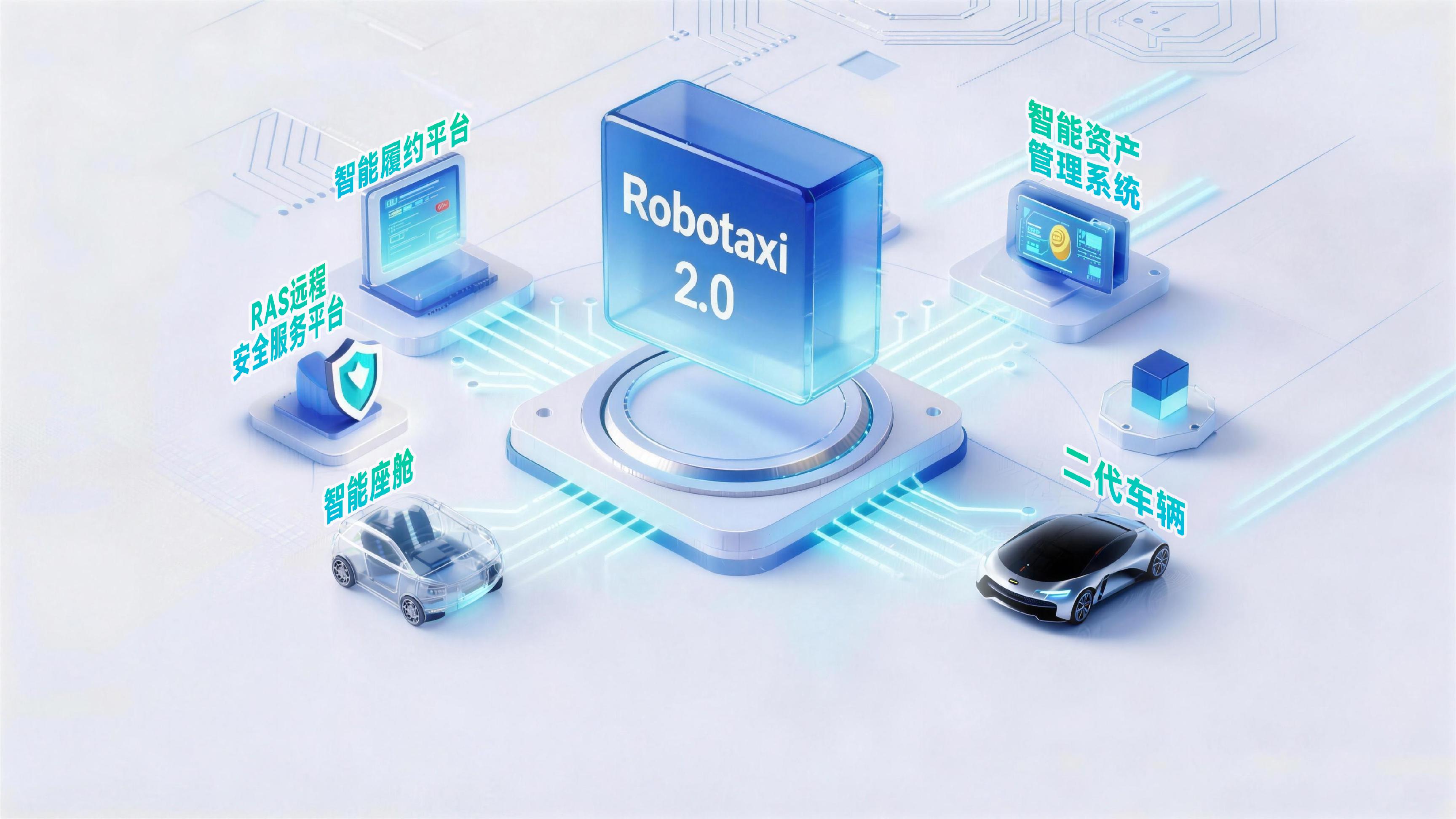
Cao Cao summarized the path of RoboX as a trinity of "intelligent customized car, intelligent driving technology, and intelligent operation". Customized cars provide standardized hardware platforms, autonomous driving technology enables vehicles to have autonomous driving capabilities, and intelligent operation organizes vehicles into a continuously deployable transportation network.
Cao Cao's operational experience in 215 cities and management foundation of over 42000 customized cars constitute the real source of this ability. Over the past 11 years, the company has established a complete chain from vehicle deployment and driver management to user service, asset management, and security assurance.
Robotaxi has changed the driving subject, but has not eliminated operational issues. The larger the vehicle scale, the higher the requirements for the operation system.
In order to support the operation of unmanned vehicle fleets, Cao Cao Chuxing has put into operation the world's first green intelligent traffic island in Hangzhou, integrating functions such as automatic battery swapping, automatic cleaning, vehicle maintenance, and intelligent scheduling. There are over 3600 virtual boarding and alighting points in the local area, covering core roads, office buildings, and entrances and exits of commercial and residential areas.
These seemingly trivial infrastructures directly determine whether Robotaxi can move from technical demonstrations to high-frequency operations. Only when energy replenishment, cleaning, scheduling, and safety assurance are synchronized to achieve automation, can the driver costs saved by autonomous driving truly be transformed into commercial value.
The RAS remote security service platform undertakes another key function. This platform can provide full monitoring, emergency response, remote assistance, and abnormal situation handling for Robotaxi, which is equivalent to transferring the in car safety officer to the cloud. As the fleet size expands, how many vehicles a single remote safety officer can manage will become an important indicator affecting the Robotaxi cost model.
The third-generation Robotaxi model Eva Cab, in which Cao Cao is deeply involved in product definition and research and development, is scheduled for mass production in 2027. As a native developed Robotaxi, Eva Cab has been designed around unmanned operation since its inception, with integrated cockpit, sensors, redundant systems, energy replenishment methods, and cleaning and maintenance.
The combination of native vehicle models, intelligent access island, RAS platform, and virtual boarding and alighting points has formed not just an unmanned vehicle, but a set of unmanned fleet operation solutions.
The integration capability is steadily being replicated in the international market
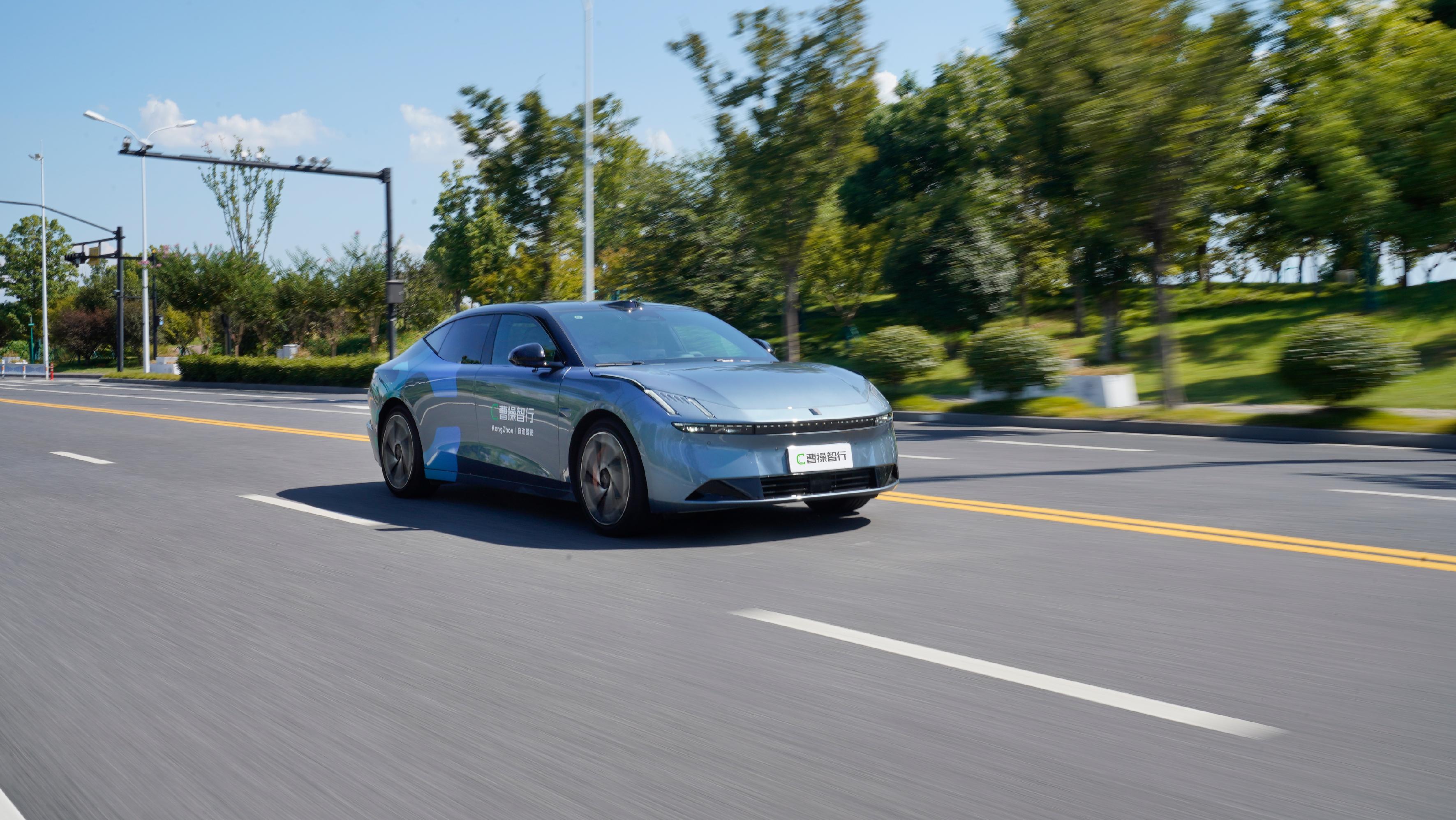
The result of a mature operational system is inevitably spillover and replication overseas. Currently, Cao Cao Travel is simultaneously promoting in three markets: Hong Kong, the United Arab Emirates, and Europe. But their respective logics are different.
Hong Kong is a testing ground for the right-hand drive market. Mature regulations, high urban density, and geographical proximity to mainland China not only reduce the trial and error costs of overseas landing, but also provide conditions for verifying Robotaxi's compliant operation and business model in real urban environments.
On August 28th, the Hong Kong Transport Department began accepting applications for ride hailing platform licenses, and Cao Cao Chuxing and Octopus card holders are expected to obtain the licenses.
More importantly, Hong Kong Connect is not just a business. If Robotaxi's compliant operation and charging model can be implemented in Hong Kong, this experience can be directly replicated in right-hand drive markets such as the UK, Singapore, and Australia.
The value of the joint venture with Octopus lies in its long-term coverage of Hong Kong's public transportation payment scenarios. If Robotaxi can further integrate with the public transportation payment system in the future, Caocao Travel will not only gain an overseas market entry point, but also a set of "Robotaxi+public transportation" integration scenarios that have not been fully verified in China.
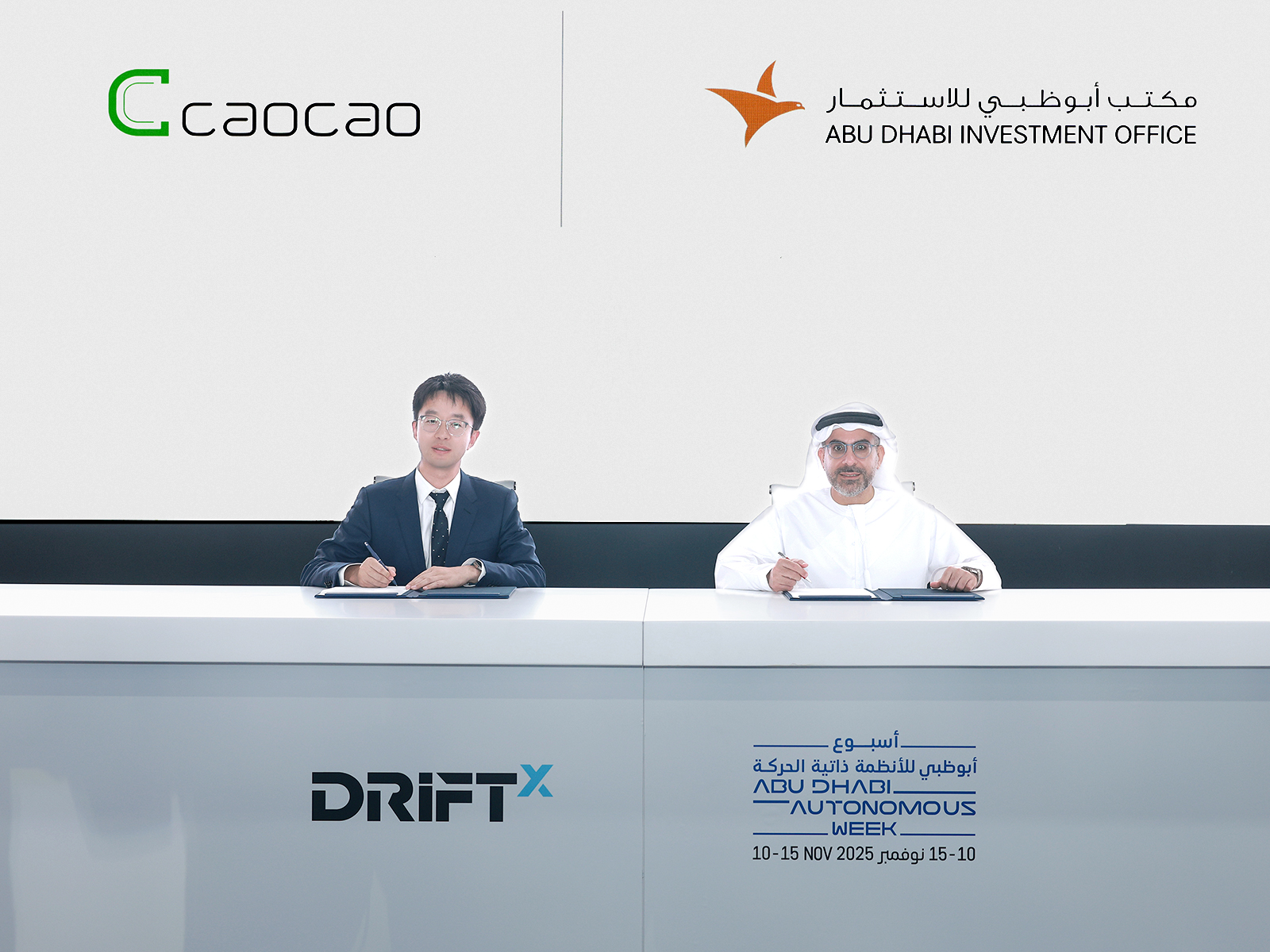
The United Arab Emirates is the gateway to the Middle East market. At the end of 2025, an MOU was signed with the Abu Dhabi Investment Office, and in June 2026, a strategic agreement was signed with local partner K2 to initiate local testing and launch the first batch of vehicles within the year. The strategic investment in intelligent travel in the Middle East market is clear, providing clear commercialization conditions for Cao Cao's Robotaxi.
In Europe, it cooperates with May Mobility to adopt the mode of "Cao Cao's travel out of the operation platform+May Mobility out of the auto drive system". Europe is a highland of global travel technology innovation, with a well-established regulatory system. Robotaxi's bicycle economy model has the best conditions globally, with the highest driver costs and the greatest cost savings from replacing drivers in the region.
The collaborative value of Cao Cao's business travel is also worthy of attention. In the first half of 2026, Cao Cao Travel will merge Geely Business (providing exhibition, accommodation booking, and transportation ticketing services), while Yao Travel's overseas network has covered 12 international cities including Paris, Tokyo, and Seoul.
When Robotaxi enters an overseas city, it may have had corporate clients' travel needs as a source of orders from the beginning. Compared to pure C-end customer acquisition, B-end travel demand is more fixed, routes are more controllable, and operating costs and risks are lower.
At present, Cao Cao's overseas layout is still being improved, but the value of internationalization lies not in short-term income, but in verifying the output capability of China's Robotaxi operation plan. If Caocao Mobility can operate in three completely different markets, its valuation logic will no longer be "China's travel platform", but "a global unmanned transportation operator".
AI capabilities continue to enhance business efficiency
The AI transformation of Cao Cao's travel ultimately needs to focus on improving operational efficiency.
In specific business processes, the trading engine "Cao Cao Brain" continuously optimizes supply and demand matching, driver scheduling, and subsidy allocation, which affects user waiting time, vehicle vacancy rate, and average order fulfillment cost. In the first half of the year, Cao Cao's travel gross profit margin increased by 3%, bringing in a gross profit of 30 million yuan. The company also listed "Cao Cao's brain" as one of the contributing factors to the improvement of gross profit margin and the narrowing of losses.
On the product side, the AI ride hailing service jointly developed by Cao Cao Chuxing and Dou Bao will enter gray level testing in June 2026, attempting to allow users to express their needs through natural language and have AI agents call on real transportation capacity.
The longer-term layout is CaoCao Robo OS. After the large-scale operation of Robotaxi, the capacity requirements of the dispatching system will be upgraded from matching the current capacity to forecasting the future demand. When and where there will be intensive orders, these dynamic demand decisions cannot be completed manually and must be calculated in real-time by AI.
The CaoCao Robo OS system integrates requirement understanding, supply-demand matching, and fulfillment services into a unified scheduling framework, and supports AI agent integration. In the future, the orders faced by the platform may no longer all come from users actively opening ride hailing apps, but may also come from various life service intelligent agents.
For Cao Cao's transportation, the value of AI is to enable fewer people to manage more vehicles, allowing each vehicle to achieve higher operating hours, lower empty driving rates, and faster abnormal response speeds, forming a set of methods suitable for managing large-scale unmanned transportation assets.
At present, Cao Cao's travel is still tilting resources towards this aspect. In the first half of the year, Cao Cao's general and administrative expenses for travel decreased by 36.8% from 463 million yuan to 292 million yuan. During the same period, excluding stock based compensation, actual R&D expenses increased by 8.1% from 89.2 million yuan to 96.5 million yuan, which the company attributed to an increase in the number of employees supporting Robotaxi and AI projects. Between one drop and one rise, technological capabilities such as AI continue to be consolidated.
Recently, the revised draft of the Road Traffic Law was released, setting the tone for the autonomous driving industry to move from wild growth to standardized development. In the future, the industry will compete more for system safety and responsibility, and players from the entire ecosystem represented by Cao Cao's behavior will become beneficiaries of this round of upgrades.
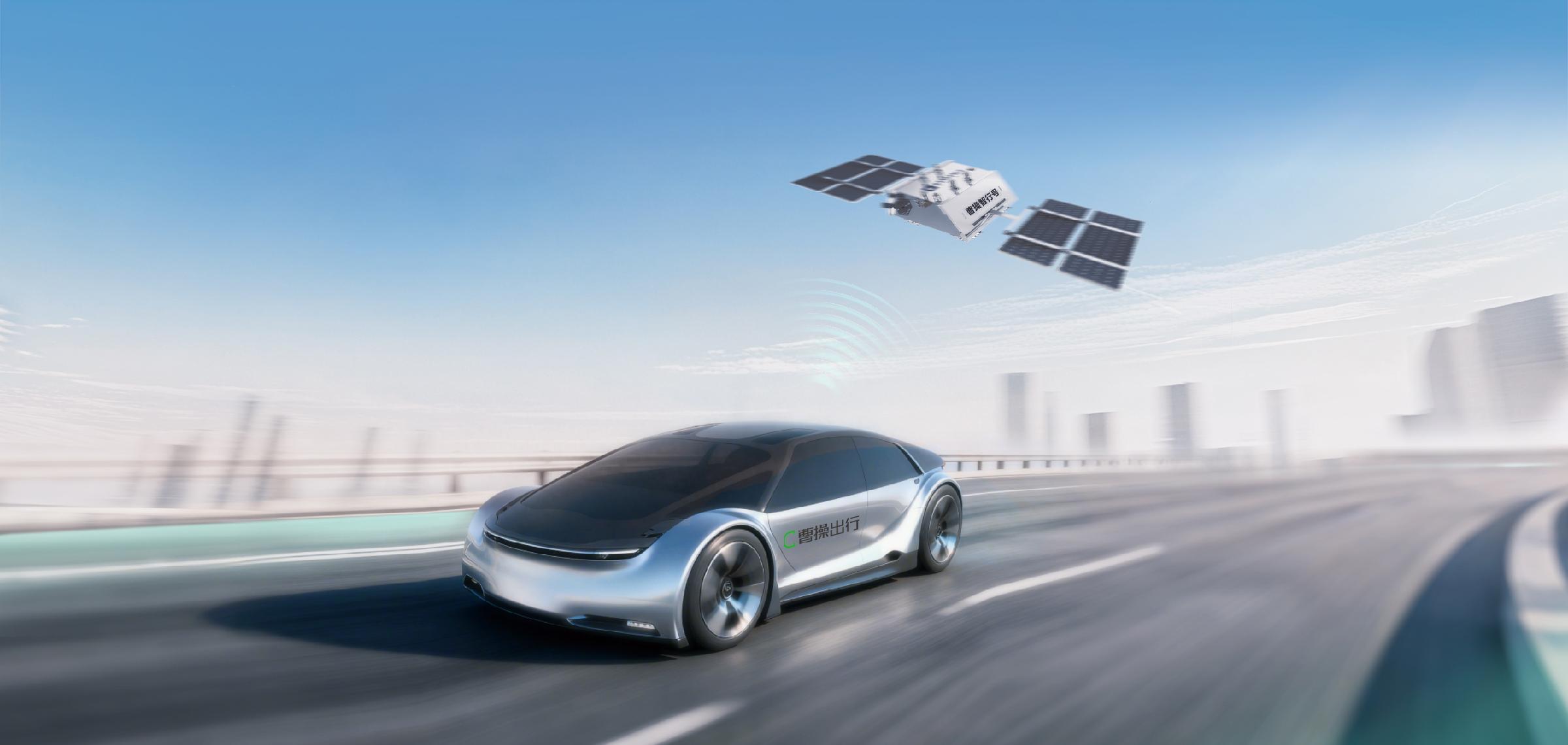
Conclusion
The core signal released by Cao Cao's travel report is that the connection between old and new driving forces has begun. The ride hailing business with a revenue of billions is still growing, with a continuous improvement in gross profit margin and a steady increase in adjusted EBITDA, continuing to provide scenarios and funding for RoboX.
140 Robotaxis have entered testing operation, and Robovan has begun commercial landing; AI enters the core stages of scheduling, security, and user interaction. Cao Cao's 11 years of experience in transportation are helping him build the operational foundation for the era of autonomous driving.
By combining international layout and heavy investment, Cao Cao Chuxing's identity is transforming into a technology platform capable of operating unmanned transportation networks on a global scale. The transition of this identity may be the true story that Cao Cao's journey is about to tell.

From resistance to embrace, takeaway has become a rare highlight in the catering industry in the first half of the year

You can get a license anywhere, but young people don't get married because it's inconvenient
Low altitude track differentiation: rapid development of industrial drones, temporary slowdown in commercialization of eVTOL