2026-08-28 17:16


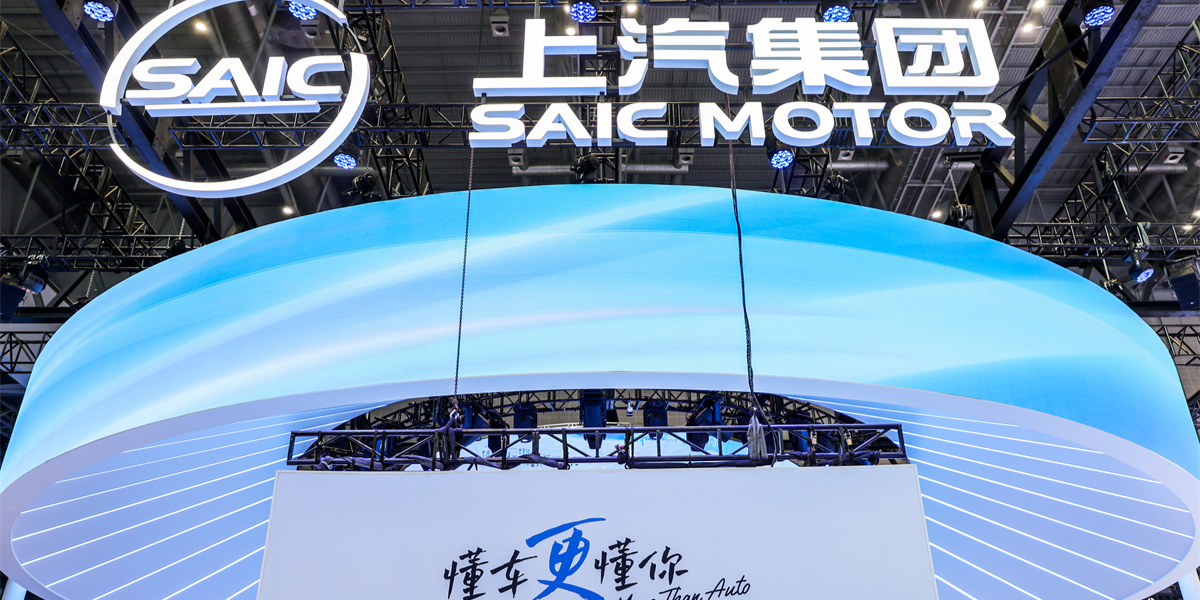
In the competition of intelligent electric vehicles, the core problem faced by large automotive groups is often how to bundle the resources scattered in the brand, research and development, supply chain, and joint venture system into a rope. SAIC Group's 2026 interim report provides a phased answer.
On August 28th, SAIC Group released its semi annual performance for 2026. In the first half of the year, the company achieved a total consolidated operating revenue of 298.65 billion yuan, with a net profit attributable to shareholders of the listed company of 5.15 billion yuan; After excluding the impact of foreign exchange and impairment, the core attributable net profit reached 7.87 billion yuan, a year-on-year increase of 72%.
Compared to the revenue scale, the quality of profits and cash flow better reflect the changes in this semi annual report. In the first half of the year, SAIC Group's gross profit margin reached 12.6%, an increase of 3 percentage points compared to the same period last year; The net cash flow generated from operating activities reached 54.3 billion yuan, a year-on-year increase of 158%.
This means that the adjustments made by SAIC in the past two years around organization, products, and technology have begun to be transmitted from the sales end to the profit and loss statement.
The effectiveness of the profit and loss statement mapping reform
This is a semi annual report on achieving improvement in business quality while maintaining stable sales.
In the first half of the year, SAIC Group sold a total of 2.045 million vehicles, with a growth rate that outperformed the market by nearly 4 percentage points, making it a rare domestic automotive group to exceed 2 million vehicles in sales. During the same period, the company's total operating revenue remained basically the same as last year, but the gross profit margin increased from about 9.6% to 12.6%.
Sales have maintained their scale and profit margins have significantly improved, indicating that SAIC's operational improvement in the first half of the year mainly came from structure and efficiency.
From the perspective of profit structure, SAIC's net profit attributable to the parent company was 5.15 billion yuan, while the core net profit attributable to the parent company after excluding the impact of foreign exchange and impairment was 7.87 billion yuan, with a difference of 2.72 billion yuan between the two. Exchange rate and impairment have a phased impact on the formation of financial statements, while core profit more directly reflects the degree of recovery of the main automotive business.
Cash flow sends out stronger signals. In the first half of 2025, SAIC's net cash flow generated from operating activities was 21.04 billion yuan; In the first half of this year, this number increased to 54.3 billion yuan, which is 2.58 times that of the same period last year. For automotive groups that are still in the intensive product and technology investment cycle, ample operating cash flow means that the enterprise has more resources for research and development, channel construction, and overseas expansion.
The changes in business quality are related to SAIC's internal reforms in recent years.
Previously, SAIC promoted the integrated management of autonomous passenger vehicles and commercial vehicles, connecting product definition, research and development, supply chain, production, and marketing links. The resources that were previously scattered among passenger car companies, R&D institutes, Zero Beam Technology, SAIC International and other sectors have gradually been incorporated into a unified system.
This adjustment will first manifest as a rebound in sales in 2025. Entering 2026, the reform effect will further reflect in product structure, gross profit margin, and cash flow. Among them, independent brands have become the mainstay of SAIC. In the first half of the year, SAIC's domestic brands sold a total of 1.469 million vehicles, a year-on-year increase of 12.6%, accounting for 71.8% of the group's total sales, an increase of 8.3 percentage points compared to the same period last year. This means that for every ten cars sold by SAIC, more than seven of them come from domestic brands. The pattern of joint ventures bearing the main scale and profits for a long time is shifting towards independent and joint venture support.
The proportion of new energy and overseas business is also increasing synchronously. In the first half of the year, SAIC sold 796000 new energy vehicles, a year-on-year increase of 23.1%; Sales in overseas markets reached 735000 units, a year-on-year increase of 48.7%.
There is statistical overlap among the three data points of independent, new energy, and overseas, but they all point to one change: SAIC's sales base is being restructured.
The brand begins to resonate with the same frequency
SAIC owns Roewe MG、 Zhiji, Shangjie, Wuling, Baojun, Datong, as well as multiple brands such as Volkswagen, Audi, Buick, Cadillac, etc. The number of brands brings the ability to cover different markets and also requires a higher level of group collaboration.
From the performance in the first half of the year, multiple brands of SAIC have entered a relatively clear division of labor.
SAIC passenger cars are the main source of growth for the autonomous sector. Accumulated sales of 549000 vehicles in the first half of the year, a year-on-year increase of 49.4%; Among them, 239000 new energy vehicles were sold, a year-on-year increase of 218.1%.
In this sector, Roewe continues to target the mainstream home market. The all-new Roewe i6 brings intelligent chips and large model capabilities into entry-level family sedans, while the Jiayue series attempts to further extend AI capabilities from the intelligent cockpit to the overall vehicle architecture.
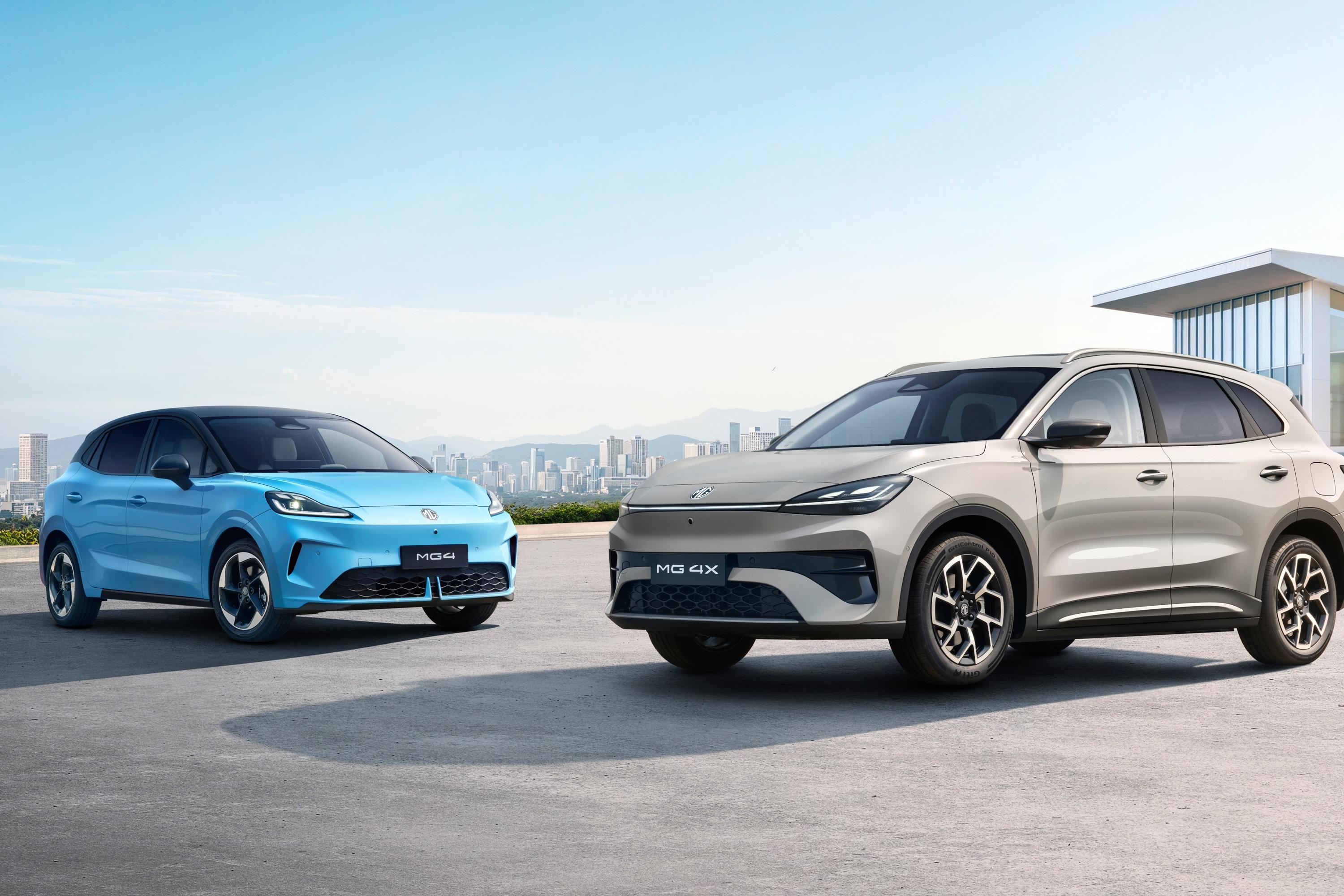
MG is responsible for both domestic breakthroughs in new energy and global market expansion. The MG4 family has sold over 10000 units for several consecutive months and has applied the second-generation semi-solid state battery to mainstream price models; The MG 4X further brings semi-solid state batteries, rear wheel drive, and five link independent suspension into the 90000 yuan pure electric SUV market.
Shangjie represents SAIC's ecological cooperation route. The Shangjie Z7 and Z7T are equipped with Huawei intelligent driving, HarmonyOS cockpit, and high-voltage battery platform. After being launched, they quickly delivered over 10000 vehicles in a single month. SAIC's vehicle research and development, manufacturing, and supply chain capabilities, combined with Huawei's intelligence and channel capabilities, make Shangjie an incremental force for SAIC to enter the mainstream intelligent automotive market.
Zhiji continues to undertake the tasks of brand promotion and technology launch. In the first half of the year, Zhiji Motors sold about 40000 vehicles, a year-on-year increase of 107%. The Zhiji LS8 and LS9 Hyper are equipped with Star Super Range extender, Lingsaurus digital chassis, wire controlled steering, rear wheel steering, and high computing intelligent driving platform, becoming important exports for SAIC's cutting-edge technology entering the high-end market.
SAIC GM Wuling will continue to provide scale. In the first half of the year, the company sold 681000 vehicles, including 343000 new energy vehicles. Wuling Binguo and other models consolidate the small new energy vehicle market, while Huajing S extends its product line to large six seater family SUVs.
The Huajing S also introduced Huawei Qiankun Intelligent Driving, Hongmeng Cockpit, and Qiankun Car Cloud. Compared to Shangjie, Huajing emphasizes more on family space and mass market. The two cooperation routes jointly indicate that SAIC has begun to leverage external ecological capabilities based on different brand positioning.
In the field of commercial vehicles, SAIC Maxus sold 138000 vehicles in the first half of the year, a year-on-year increase of 29.1%; Sales of new energy vehicles reached 46000 units, a year-on-year increase of 67.3%. Dana Super Range, pure electric light passenger vehicles, and new energy pickup trucks continue to enter operational scenarios such as logistics, commuting, and business travel, providing SAIC with growth depth beyond passenger cars.
The joint venture sector is also seeking new rhythms.
SAIC Volkswagen and SAIC General Motors sold nearly 570000 vehicles in the first half of the year, which remains an important scale foundation for the group. The product focus of the two joint ventures has clearly shifted towards local research and development and new energy.
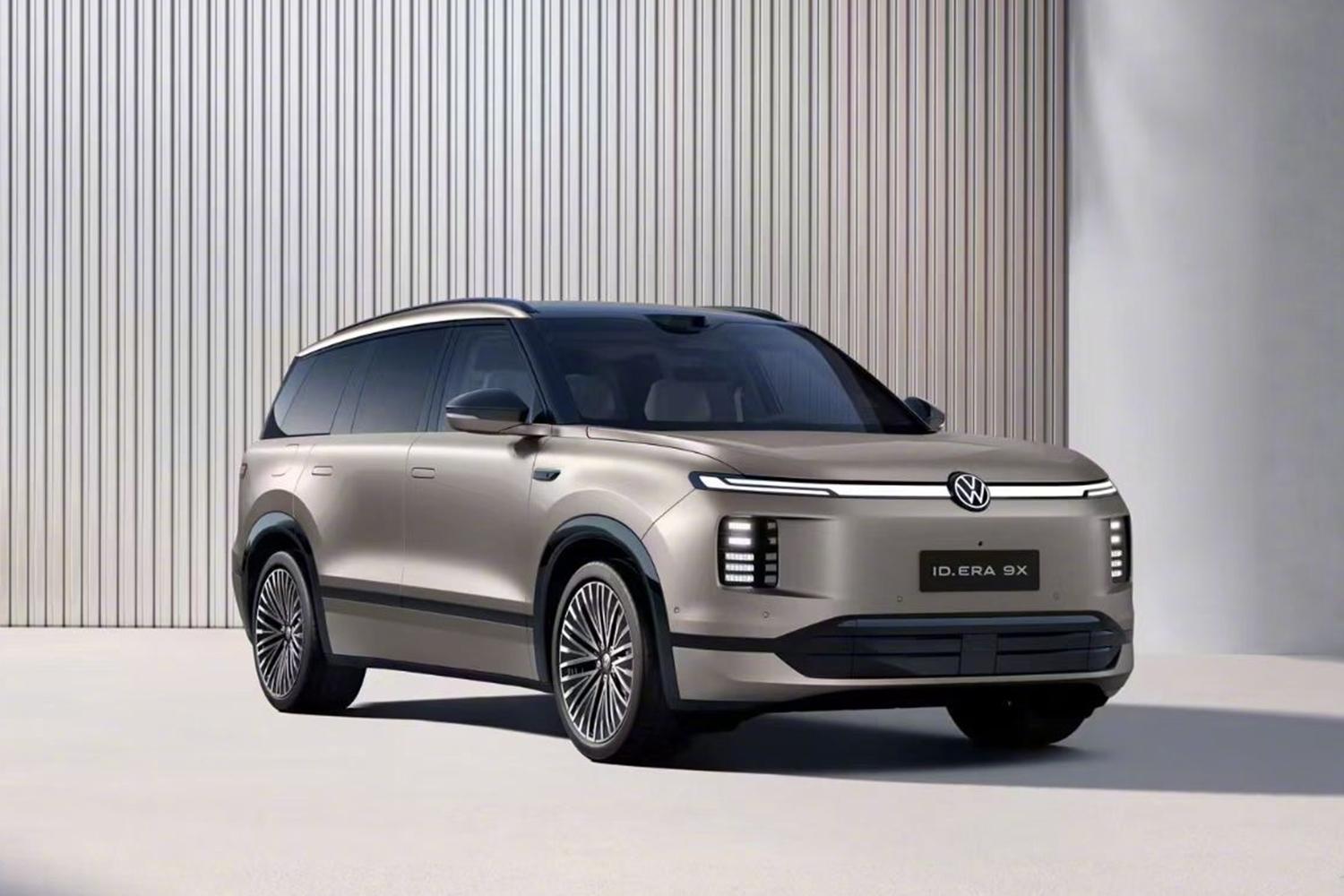
SAIC Volkswagen launches IDERA 9X, And through products such as the Tiguan L ePro and Passat ePro, it covers three technical routes: range extender, plug-in hybrid, and pure electric. Within two months of its launch, the ERA 9X has delivered over 10000 vehicles, marking the establishment of a new energy product line for SAIC Volkswagen.
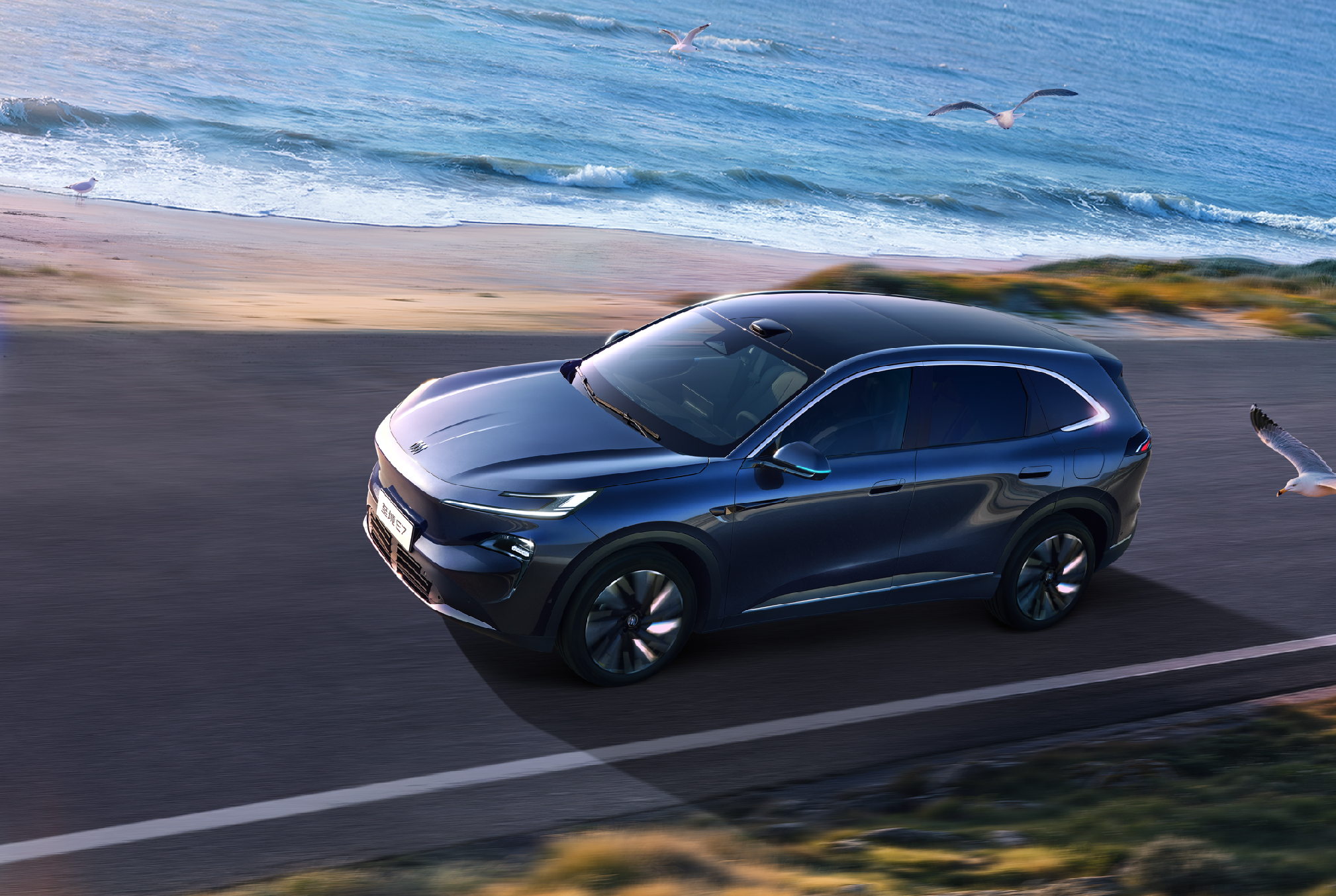
SAIC General Motors sold nearly 50000 new energy vehicles in the first half of the year, a year-on-year increase of over 80%. In the first month of its launch, Buick Zhijing E7 delivered over 10000 units, and the Zhijing brand has already covered the SUV, sedan, and MPV markets. Based on the "Xiaoyao" super fusion architecture, SAIC General Motors is forming a new energy system defined by a Chinese team, developed for the Chinese market, and equipped with overseas export capabilities.
The Audi E7X brings this collaboration into the luxury market. The new car integrates Audi's chassis, four-wheel drive, and design capabilities, as well as SAIC and Momenta's accumulation in the field of intelligent driving. SAIC and Audi also announced the establishment of the Audi Innovation Technology Center in Shanghai to jointly develop new car models for the Chinese market.
The previous joint venture model emphasized more on technology introduction and local manufacturing, but now "Joint Venture 2.0" is shifting towards common definition, joint research and development, and technology output. For SAIC, joint venture brands remain important assets, and their role is evolving from a contributor to scale to a co developer of intelligent electric technology.
The simultaneous promotion of multiple brands relies on the sharing of the underlying capabilities of the group.
Semi solid state batteries were the first to enter MG, while wire controlled steering and digital chassis were mass-produced in Zhiji. Momenta's intelligent driving capabilities covered Zhiji, Volkswagen, and Audi, while Huawei technology entered Shangjie and Huajing. The Big Bean Bag model was applied to Roewe and Buick. SAIC is forming a technology system of "independent technology base+open ecological cooperation", where different brands can call up corresponding capabilities based on price, users, and scenarios.
In addition to the entire vehicle, SAIC's parts, transportation, and industrial investment sectors are also joining this system.
In the first half of the year, SAIC Chassis Innovation Center was established, Bosch Huayu Line Controlled Steering System entered mass production, and Huayu Intelligent Chassis EMB production line completed the first piece offline. Xiangdao Robotaxi continues to promote commercial operation, and humanoid robots have also entered the Buick Zhijing E7 battery production line to undertake cell grabbing and loading work.
Overseas, SAIC sold 735000 vehicles in the first half of the year, a year-on-year increase of 48.7%. Among them, MG sold over 190000 vehicles in the European market, a year-on-year increase of over 20%. At the same time, SAIC continues to improve its overseas localized production, parts base, regional service center, financial services, and ocean logistics system.
This has gradually expanded SAIC's overseas business beyond the scope of vehicle exports. Brands, products, research and development, manufacturing, logistics, channels, and finance have begun to jointly enter overseas markets, and the group's full industry chain capabilities have extended from domestic to global.
In May 2026, SAIC Group's cumulative production and sales exceeded 100 million vehicles, becoming China's first "billion level car enterprise". One hundred million vehicles represent the scale, manufacturing capabilities, and user base accumulated over the past 70 years. The new changes reflected in the 2026 semi annual report are that these traditional advantages are being reorganized.
The proportion of independent brands has exceeded 70%, the gross profit margin has increased by 3 percentage points, and the operating cash flow has exceeded 50 billion yuan. These three data outline the same path: SAIC is transforming its scale advantage into system efficiency.
Standing behind 100 million vehicles, the value of SAIC's next journey will depend on how much of each 10000 vehicles sold come from domestic brands, new energy, and overseas markets, as well as how much profit and cash flow can be accumulated.
From this semi annual report, it can be seen that this' big system 'has already begun to be implemented.
From resistance to embrace, takeaway has become a rare highlight in the catering industry in the first half of the year

You can get a license anywhere, but young people don't get married because it's inconvenient
Low altitude track differentiation: rapid development of industrial drones, temporary slowdown in commercialization of eVTOL