2026-08-17 10:02


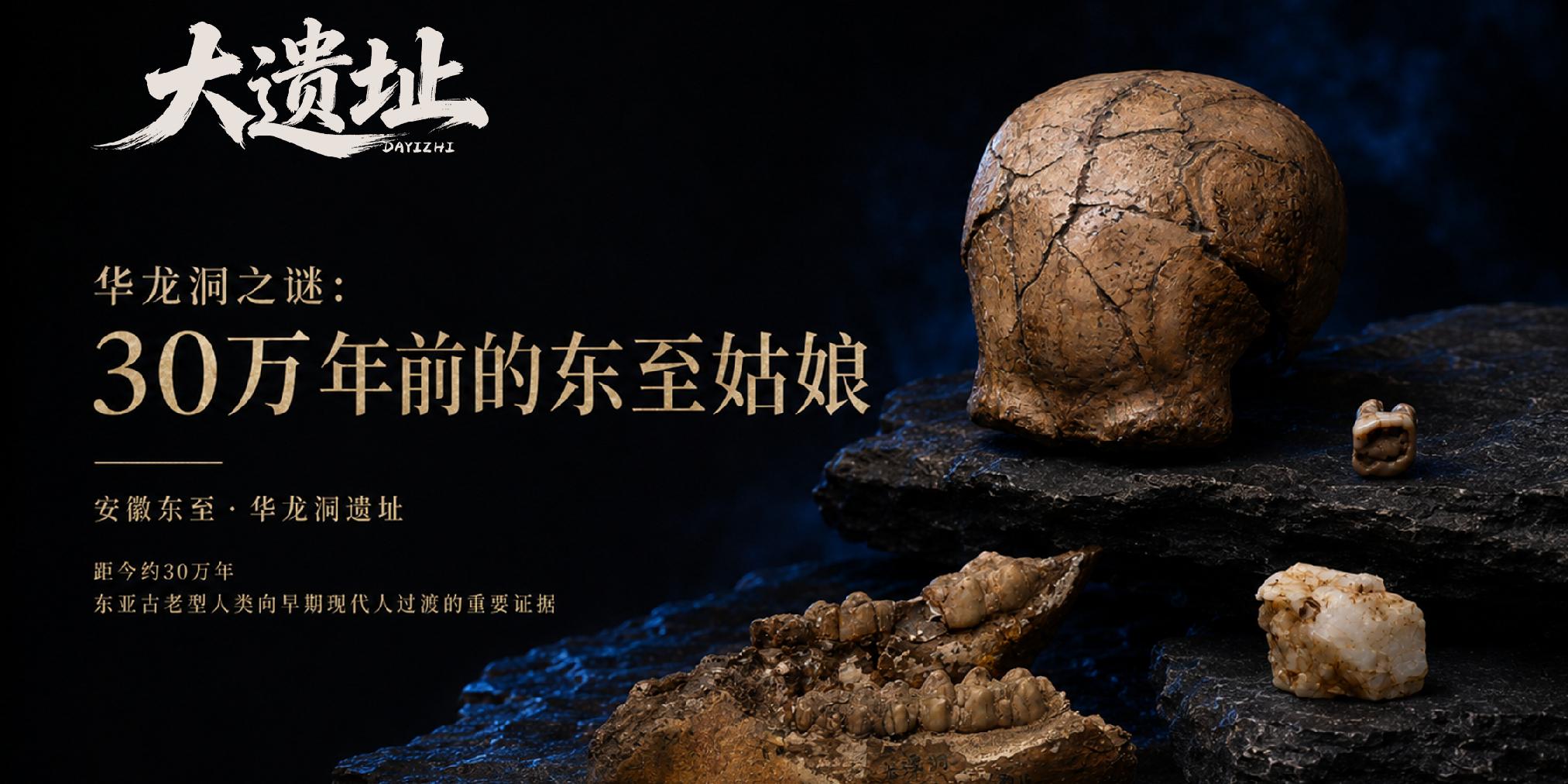
Author Wu Xiaoqian of Wenbo Time and Space In the long process of human evolution, the Hualongdong people located in Dongzhi County, Anhui Province, about 300000 years ago, were a key turning point - marking the transition from ancient humans to early modern humans. What does this mean?
In fact, what most people don't know is that Hualong Cave was not originally a true "cave".
The Hualong Cave site we saw today has a plain and unremarkable surface, with no visible appearance of the cave. Based on the surrounding rock layers and accumulation, researchers speculate that this should have been an ancient cave that had already collapsed, so they named it "Hualong Cave". "Hua" symbolizes China, and "Long" symbolizes ancestors. Archaeologists hope to find traces of ancient human beings and uncover the mystery of human evolution here.
The 'time capsule' of ancient human life and evolution 300000 years ago
The story begins in the 1980s.
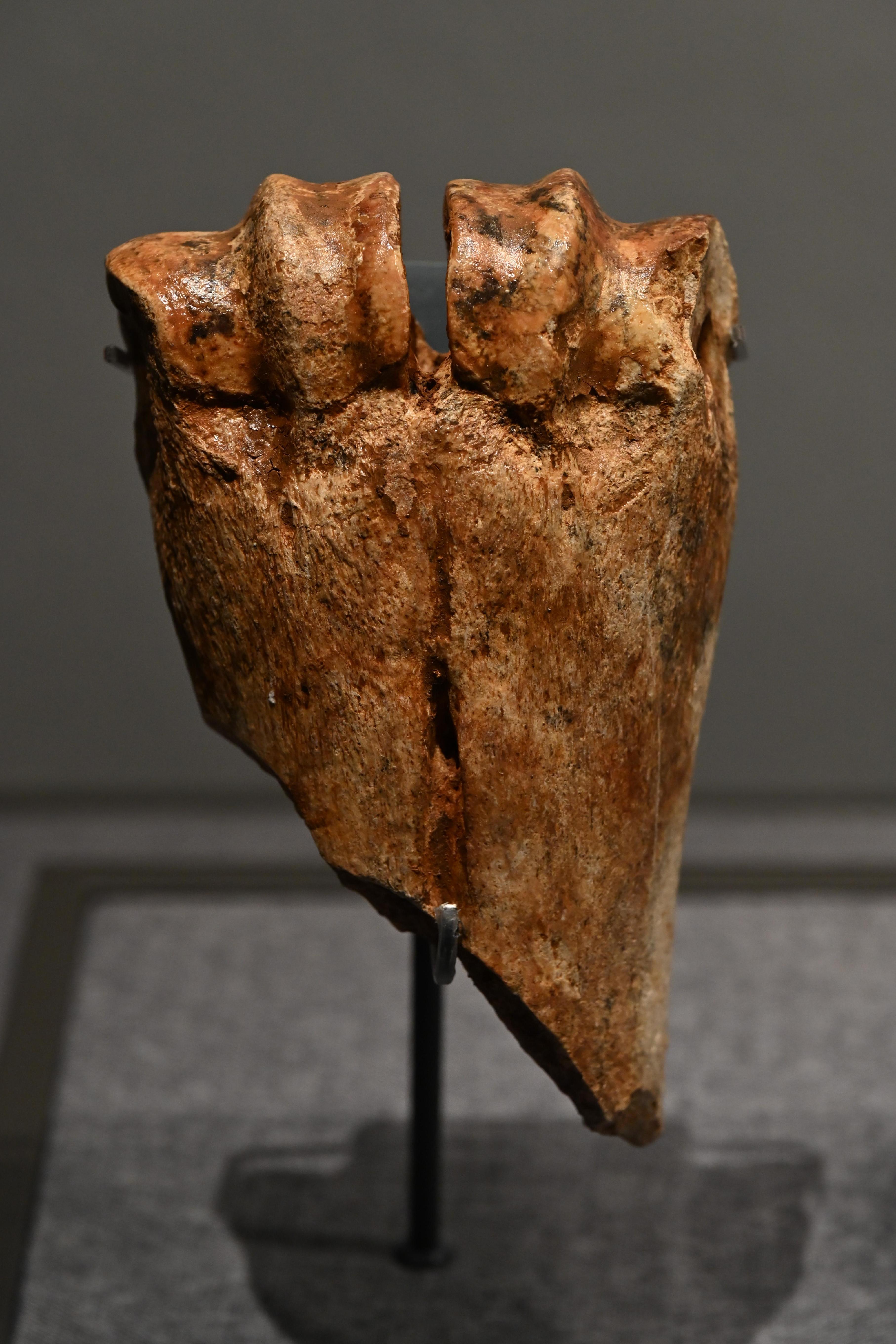
At that time, a villager at the foot of Meiyuan Mountain in Pangwang Village, Dongzhi County, discovered many things commonly known as "dragon bones" on the hillside while building a sheep shed. The so-called 'dragon bones' are actually animal fossils. In the past, people often ground it into powder as traditional Chinese medicine, so these fossils were gradually sold to local hospitals, but no one realized their true value.
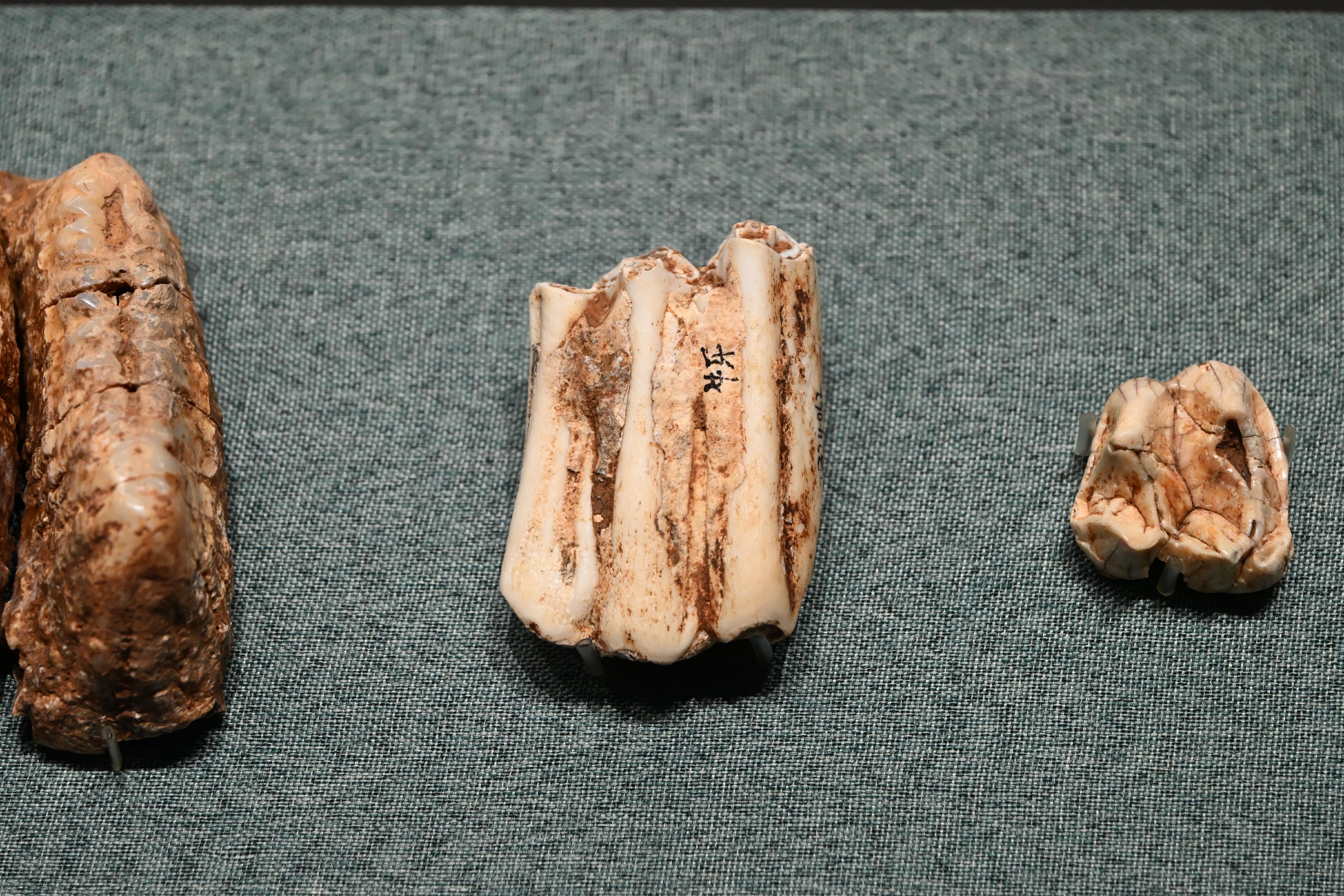
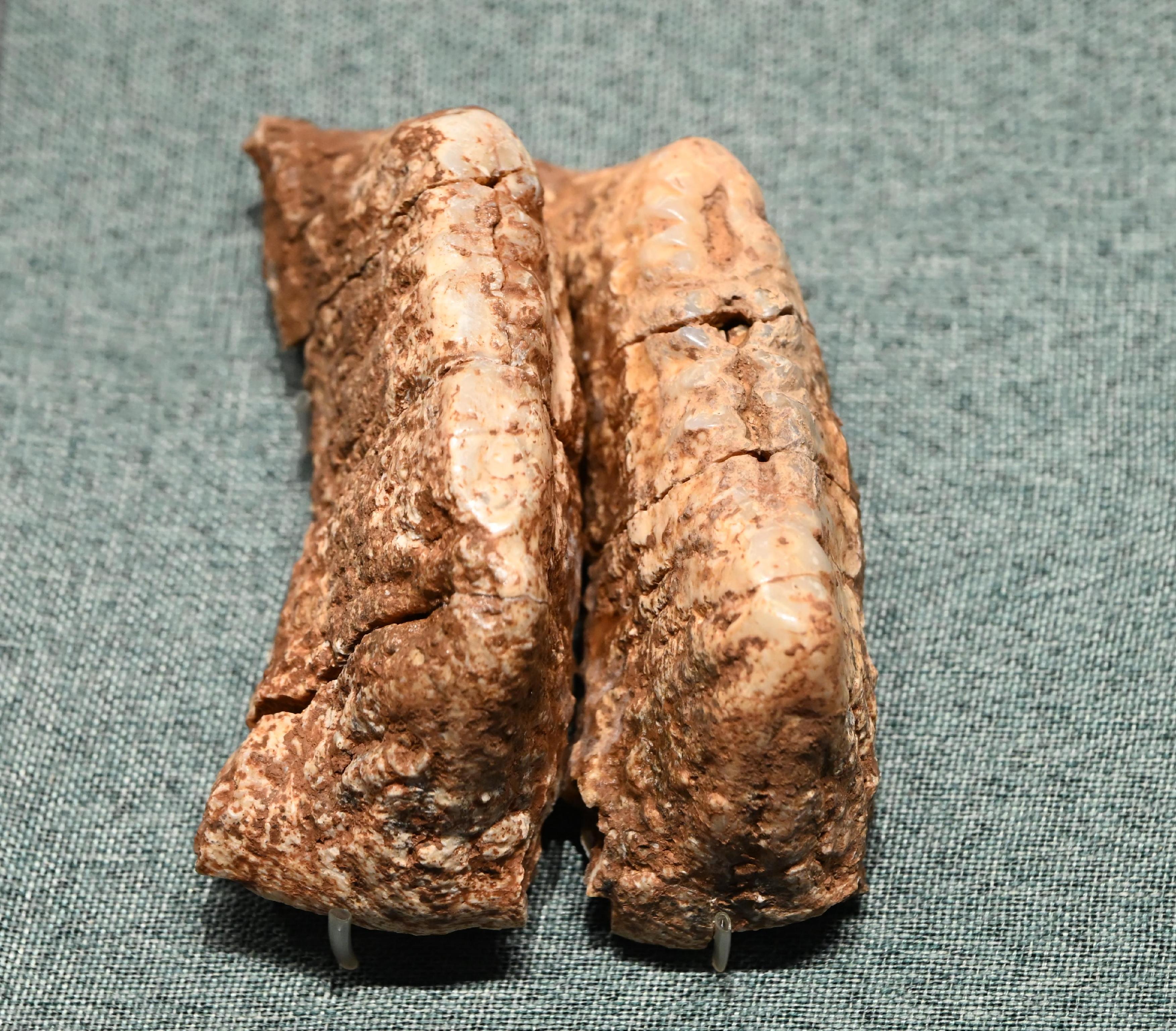
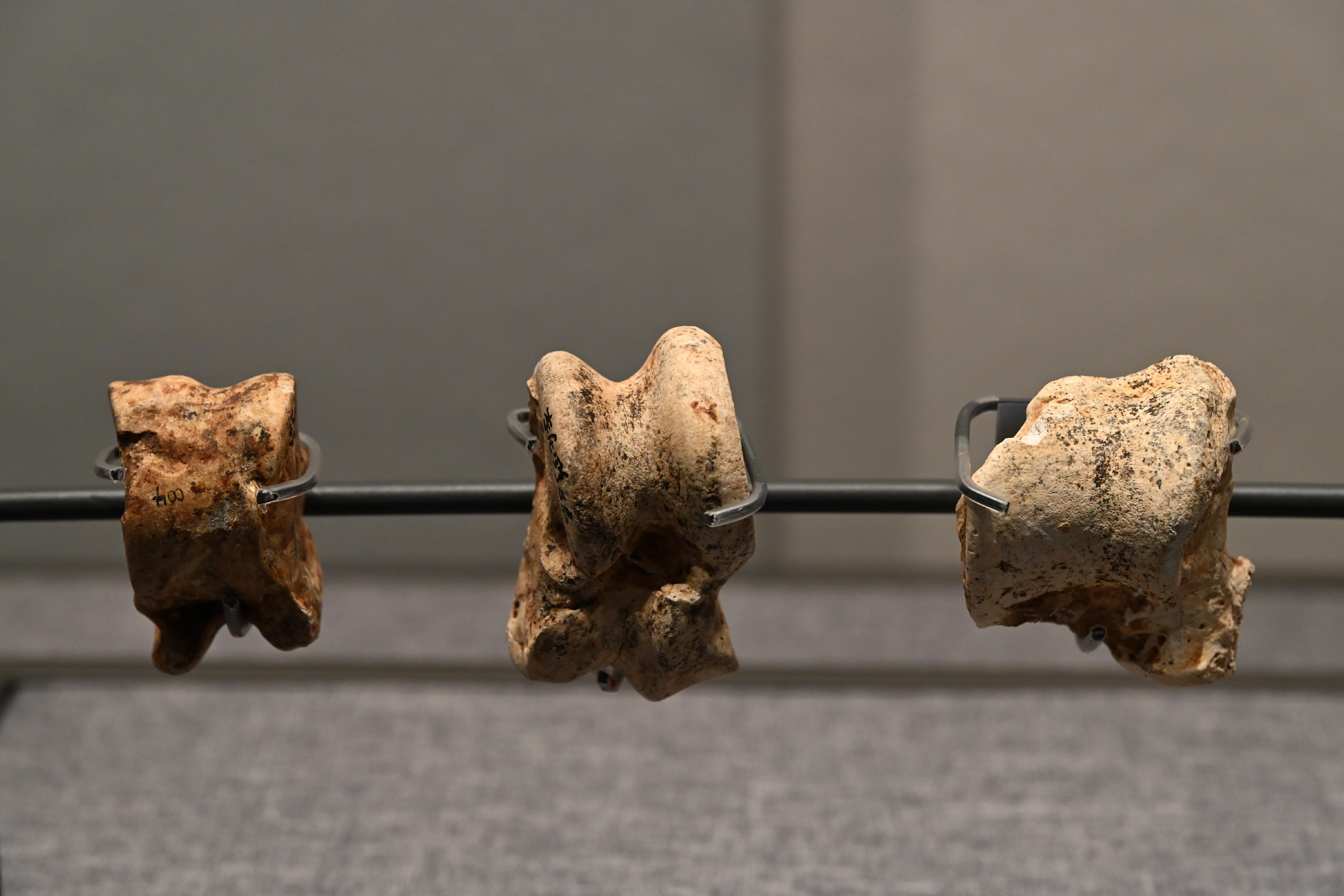
Until 2004, Qian Ji, the director of the Dongzhi County Cultural Management Office, heard that a large number of "dragon bones" had been discovered here and immediately rushed to the scene for investigation. The Hualong Cave, which had been dormant for hundreds of thousands of years, finally entered people's sight.
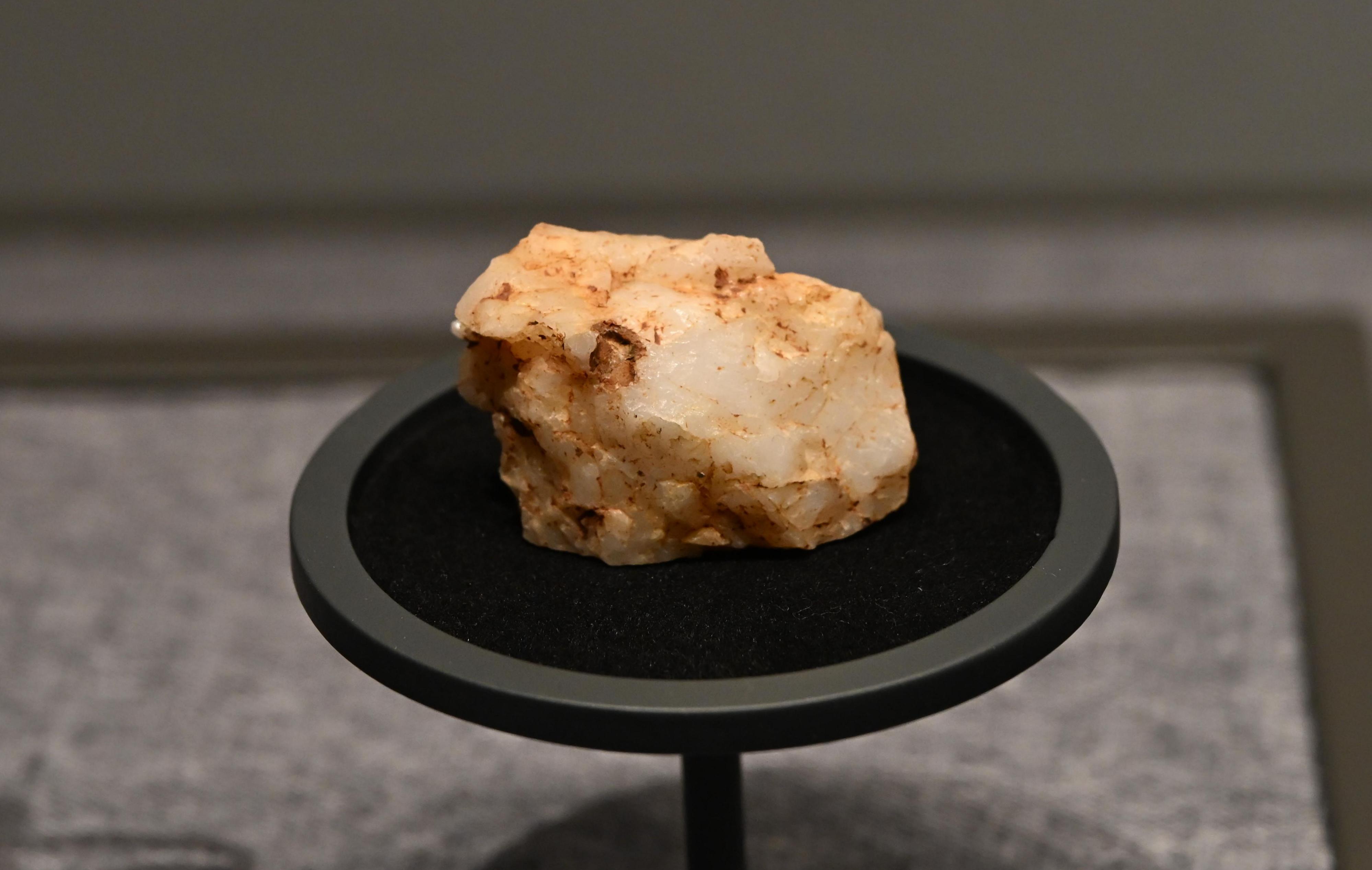
In 2006, Professor Han Ligang from Anhui Provincial Institute of Cultural Relics and Archaeology led a team to carry out the first official excavation. As layers of soil were gently uncovered, a large number of animal fossils first came into view, and what excited the staff even more was that stone tools with obvious artificial traces were also unearthed one after another. They are mostly made of stone materials such as quartzite and siliceous rock, including stone flakes and simple but practical tools such as scrapers and pointed tools; At the same time, processed and utilized bone tools, as well as animal bones with cutting and chopping marks preserved on the surface, were also discovered within the site.
These inconspicuous stones and bones, like scattered puzzle pieces, gradually pieced together the life scene of the Hualong Cave people 300000 years ago: they would search for suitable stone materials to make tools, use sharp stone pieces to divide prey, process animal skins, and also make full use of animal bones to make tools. This is not only a site of animal fossil accumulation, but also a true site of long-term human activity.
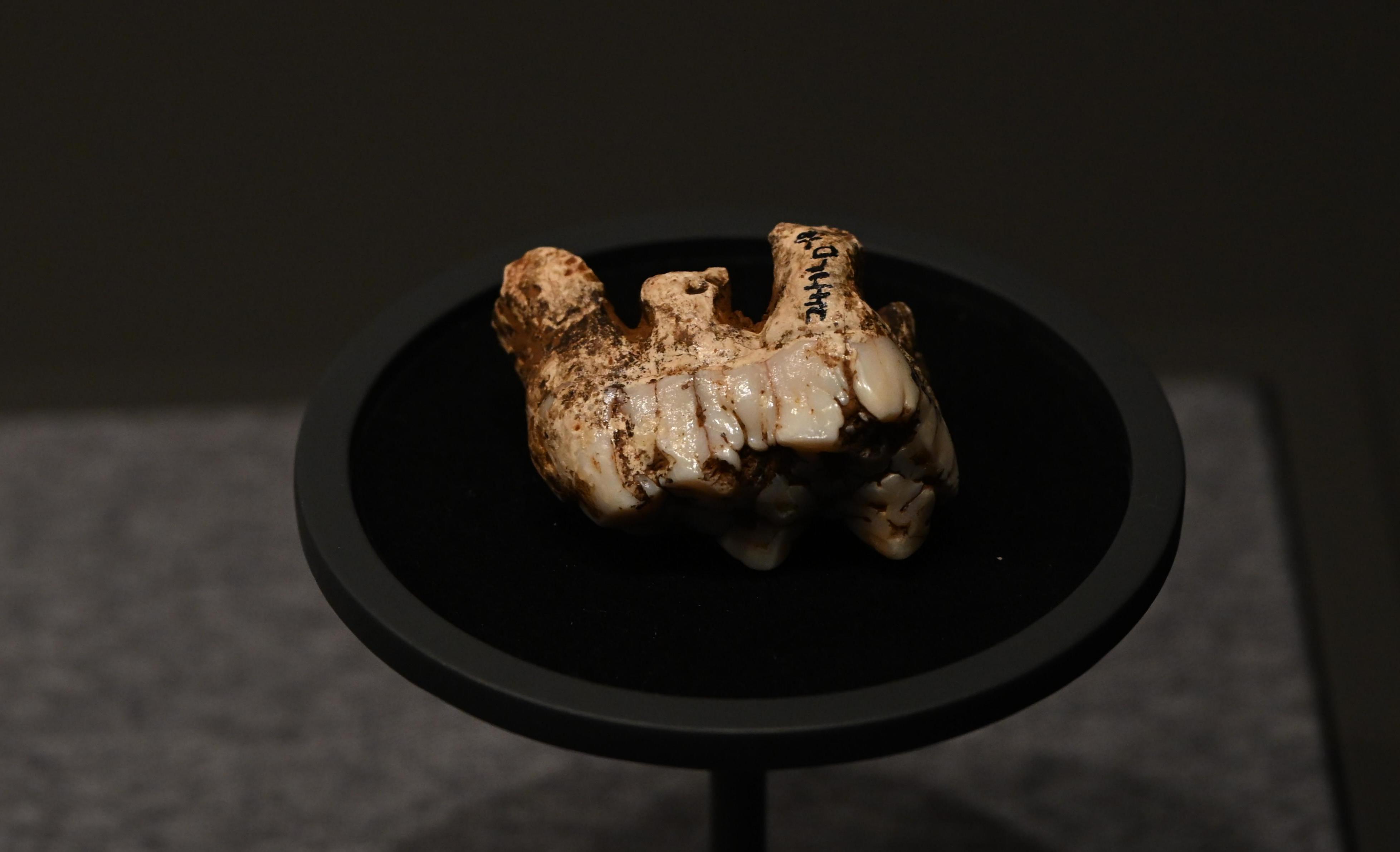
Just as everyone was still immersed in the joy of discovering stone tools, a bigger surprise emerged - the archaeological team discovered a fragment of human frontal bone and a fossilized tooth. Although the quantity is not large, it is sufficient to prove that not only did ancient humans live here, but there may also be more and more complete human remains buried underground.
However, after the first excavation, Hualong Cave remained silent for a full eight years.
In 2014, the archaeological team returned to Meiyuan Mountain. When the staff blasted open a huge rock covering the site, a narrow natural hole was actually exposed to sunlight! Researcher Wu Xiujie and others who participated in the excavation were very excited. A few years ago, researchers only speculated based on the topography that there used to be caves here, hence the name "Hualong Cave"; I didn't expect that today, a real cave entrance appeared before everyone's eyes, and that name, which used to have a slightly imaginative color, actually became a reality.
The appearance of the cave entrance may indicate that deeper accumulations are likely to be preserved more intact.
Sure enough, starting from 2015 and ending in 2024, Hualong Cave has witnessed one major discovery after another: well preserved ancient human fossils such as skulls, mandibles, maxillas, and teeth have been unearthed one after another, and it has been confirmed that they come from at least 20 ancient human individuals; At the same time, more than 400 stone specimens, abundant animal fossils, and a large number of bones with artificial cutting and chopping marks were also discovered at the site. These discoveries not only make Hualong Cave one of the most well preserved mid Pleistocene ancient human sites in China, but also give Anhui the first important "time capsule" that can systematically display the life and evolution of ancient humans 300000 years ago.
13-year-old Dongzhi girl with modern facial features
How important is the skull discovered in 2015? From the Beijing people of Zhoukoudian in Beijing and the Nanjing people of Tangshan in Nanjing, to the people of He County and Hualongdong in Anhui, there are only a few ancient human sites in China that can preserve relatively complete skulls. This Hualong Cave No. 6 skull comes from a 13-year-old girl, affectionately referred to by researchers as the 'Dongzhi Girl'. With the help of CT scanning, 3D reconstruction, and facial reconstruction techniques, researchers gradually reconstructed her appearance 300000 years ago. Surprisingly, this' Dongzhi girl 'is neither the' primitive person 'with high eyebrows and a flat forehead that we remember, nor the modern person in today's sense, but somewhere in between.
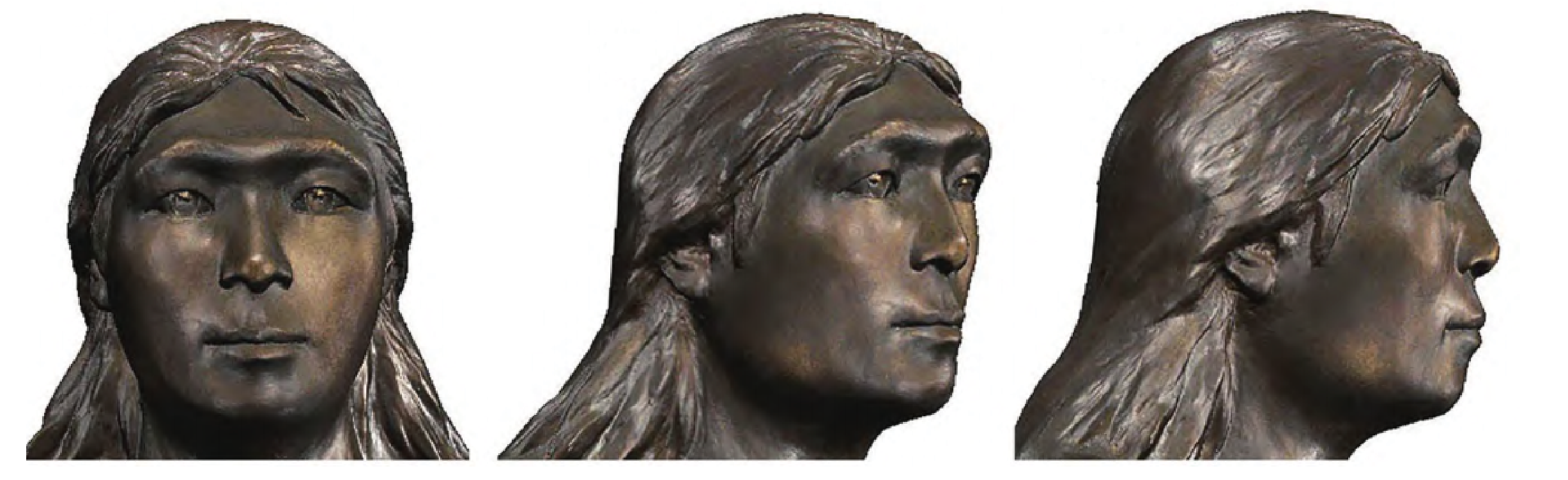
She retains some characteristics of ancient humans, such as thicker eyebrows and slightly flattened skulls; At the same time, her face has undergone significant changes - it has become flatter, her eye sockets are positioned higher, and especially the front of her lower jaw has developed a modern jawline. It should be noted that the chin is almost one of the most representative anatomical features of modern humans, and it is very rare in most of the previously discovered East Asian ancient human fossils.
In the past, many scholars believed that humans in East Asia 300000 years ago were still relatively "ancient", and some key characteristics of modern humans may have emerged later. The discovery of Hualong Cave changed this understanding. It indicates that at least 300000 years ago in East Asia, some modern facial features had already appeared. Therefore, Hualong Cave is not only one of the most important ancient human sites in Anhui, but also one of the most crucial evidence for studying the evolution of ancient East Asian humans into Homo sapiens.
The ancient wisdom left by Anhui Paleolithic to future generations
About ten thousand years ago, with the end of the ice age and the warming of the climate, humans ushered in the Neolithic Age. Grinding stone tools, pottery, and settled settlements began to appear on the land of Anhui; Over 5000 years ago, the Lingjiatan culture reached its peak, with exquisite jade artifacts, magnificent altars, and complex social organizations emerging one after another. Anhui also entered a new stage of prehistoric civilization development.
However, this does not mean that the Paleolithic era disappeared into the dust of history, let alone simply say that 'the people of Renzi Cave developed into the people of Lingjiatan', or 'the people of Hualong Cave created the later Yangtze River culture'. The period between the Paleolithic and Neolithic eras spans tens of thousands of years, during which there have been multiple climate changes, population migrations, and cultural exchanges. There is no simple "straight line inheritance" between the two.
But the Paleolithic era did lay the deepest foundation for the development of Anhui culture in the future.
Firstly, it enabled humanity to first recognize this land. The Yangtze River, Huai River, Chaohu Lake, and Shuiyang River are not only rivers on today's maps, but also important channels for ancient humans to obtain water, forage, migrate, and search for stones hundreds of thousands of years ago. The pattern of mountains, rivers, and streams in Anhui has been shaping the relationship between humans and nature since then.
Secondly, it has formed the cultural background of Anhui's north-south intersection. The successive emergence of the southern gravel industry and the northern small stone industry, as well as the migration and exchange of people from different regions, have constantly collided and integrated on this land of Anhui. It is precisely because this place has long been an important corridor for north-south transportation that prehistoric cultures such as Shuangdun Culture, Lingjiatan Culture, and Weichi Temple Culture were able to complement each other here and jointly write a new chapter of Anhui civilization.
More importantly, the Paleolithic era left behind a survival wisdom that continues to this day. At that time, people did not have pottery, rice paddies, or city walls, but they knew how to adapt to local conditions and use local materials; They follow the changes of the seasons, adapt to different environments, use stones, bones, and wood to create tools, and accumulate experience through repeated interactions with nature.
From the first stone tool in Renzi Cave striking the prologue of Anhui's history, to the smile of the girl in Hualong Cave crossing 300000 years, and to the shining civilization dawn of Lingjiatan jade artifacts, the human story of Anhui has never stopped. The scattered stone fragments, bones, and fossils in the soil are not only the research objects of archaeologists, but also the earliest memories of this land. They tell us that the first page of Anhui civilization was not carved on bronze ware or written on bamboo slips, but began to be written on ordinary stones over 2 million years ago.
Knowledge Supply Station
How can a skull become a face?
The first step is for scientists to perform a "high-definition physical examination" on the skull. Obtain internal and external structures through CT scanning, and then establish a three-dimensional model in the computer to reset the compressed, fractured, or missing bone blocks like a puzzle. Modern digital methods can also utilize a large amount of "skull face" scanning data to calculate the distance between the bone surface and the skin, and generate several more reasonable restoration plans.
Next, we need to give flesh to the bare bones. Researchers first reconstructed the temporal and masseter muscles responsible for chewing based on the muscle attachment traces on the temporal bone, cheekbones, and upper and lower jaws; The facial muscles around the eyes, nose, and mouth are added layer by layer according to the anatomical location of the human body. However, the real cheek is not just muscle, but also fat, glands, and connective tissue, so we cannot fill every depression with muscle.
In order to determine how thick the meat should be, scientists will insert virtual "depth gauges" at standard positions such as the eyebrows, cheekbones, and chin. These data are obtained from CT or cone beam CT measurements of different ages, genders, and populations, and then spread with fat and skin to ensure that the facial contours just reach the marked points.
Finally, the skull also reveals clues about the facial features: the eye sockets define the approximate position of the eyeball, the nasal bones and nostril edges help to infer the nasal bridge and nostrils, and the lower jaw and teeth affect the width and protrusion of the lips. However, skin color, hairstyle, ear details, and facial expressions cannot be accurately determined by the skull, so the restoration of the skull appearance cannot be 100% of the original appearance of the skull owner.
【 Travel Guide 】
·Location:Hualong Cave Site Exhibition Hall
·Address:530 National Highway, Dongzhi County, Chizhou City, Anhui Province
·Travel route:Walk 970 meters from Dongzhi Station to the intersection of the railway station and take the Jinta Line. Pass 4 stations to the county bus station, transfer to the Xiangkou Line, pass 8 stations to Niantang Station, get off and ride a shared bike or walk 1.9 kilometers to the Hualong Cave Site Exhibition Hall; Taking a taxi from Dongzhi Station is about 11.8 kilometers and takes about 16 minutes.
·Key points of visit:Hualong Cave human fossils (models), animal fossils, and stone tools made by Hualong Cave humans.
References:
Han LigangRelationship between Anhui Paleolithic Cultural Evolution and Environmental Climate Change [C]//Institute of Vertebrate Paleontology and Paleoanthropology, Chinese Academy of Sciences, Fujian Provincial Department of Culture, Sanming Municipal People's GovernmentProceedings of the 10th Annual Conference on Vertebrate Paleontology in ChinaChina Ocean Press, 2006:162-169
Zheng Longting, Xu FanAnhui Paleolithic [C]//Institute of Vertebrate Paleontology and Paleoanthropology, Chinese Academy of Sciences, Shenzhen Xianhu Botanical GardenProceedings of the 8th Annual Conference on Vertebrate Paleontology in ChinaChina Ocean Press, 2001:264-271
Xia YingAnhui in the Paleolithic Era [J]Journal of Xianning University, 2011, 31 (8) 48-50
Yang LixinCentury Review and Reflection on Archaeology in Anhui Province [J]Archaeology, 2002, (2)3-13+2.
Wu Rukang, Dong XingrenPreliminary Study on Ape Man Fossils in He County, Anhui Province [J]Anthropological Journal, 1982, (1)2-13+101-102.
Huang Peihua, Liang Renyou, Zheng Lizhen, etcResearch on the Age of Ape Humans in He County [J]Anthropological Journal, 1995, (3)262-265.
Pei Shuwen, Dong Zhe, Geng Shuaijie, etcStone artifacts and human behavior discovered at the Hualong Cave site [J]Anthropological Journal, 2025, 44 (5) 765-778
Jin Zetian, Wu Xiujie, Deng Guodong, etcThe restoration of the appearance and morphological characteristics of the 6th skull of the Hualongdong people [J]Anthropological Journal, 2025, 44 (5) 754-764
Liu Wu, Wu XiujieHualongdong Ancient Human Fossil and Its Significance in Human Evolution [J]Anthropological Journal, 2025, 44 (5) 727-741
Pei Shuwen, Cai Yanjun, Dong Zhe, etcCave evolution and ancient human activities at the Hualong Cave site in Dongzhi, Anhui Province [J]Anthropological Journal, 2022, 41 (4) 593-607
Dong Zhe, Jin Zetian, Sheng JinchaoHualong Cave - The Third Homeland of Ancient Humans: Discovery of Human Skull Fossils [J]Fossil, 2018, (2)70-75.
Sheng Jinchao, Jin Zetian, Dong ZheHualong Cave - The Homeland of Ancient Humans (2): Returning to Hualong Cave [J]Fossil, 2018, (1)25-31.
Sheng Jinchao, Dong Zhe, Jin ZetianHualong Cave - The Homeland of Ancient Humans (1) [J]Fossil, 2017, (1)28-36.
Dong Zhe, Pei Shuwen, Sheng Jinchao, etcStone artifacts unearthed from the Hualongdong ancient human site in Dongzhi, Anhui Province from 2014 to 2016 [J]Quaternary Research, 2017, 37 (4) 778-788
Li Xiaoli, Dong Zhe, Pei Shuwen, etcThe Development of Hualong Cave in Dongzhi, Anhui Province and the Living Environment of Ancient Humans [J]Marine Geology and Quaternary Geology, 2017, 37 (3) 169-171+173-179
Dong Zhe, Gong XichengAnhui Dongzhi Hualongdong Paleoanthropology and Paleolithic Site [J]Popular Archaeology, 2016, (4)12-13.
Gong Xicheng, Zheng Longting, Xing Song, etcHuman fossils unearthed from Hualong Cave in Dongzhi, Anhui Province [J]Anthropological Journal, 2014, 33 (4) 427-436
Chen Shengqian, Luo HuBrief report on excavation of Hualongdong Paleolithic Site in Dongzhi County, Anhui Province [J]Archaeology, 2012, (4)7-13+109.
Image | Du Guanglei
Layout | Wang Wulong
Design | Yin Lisha