2026-08-17 09:58


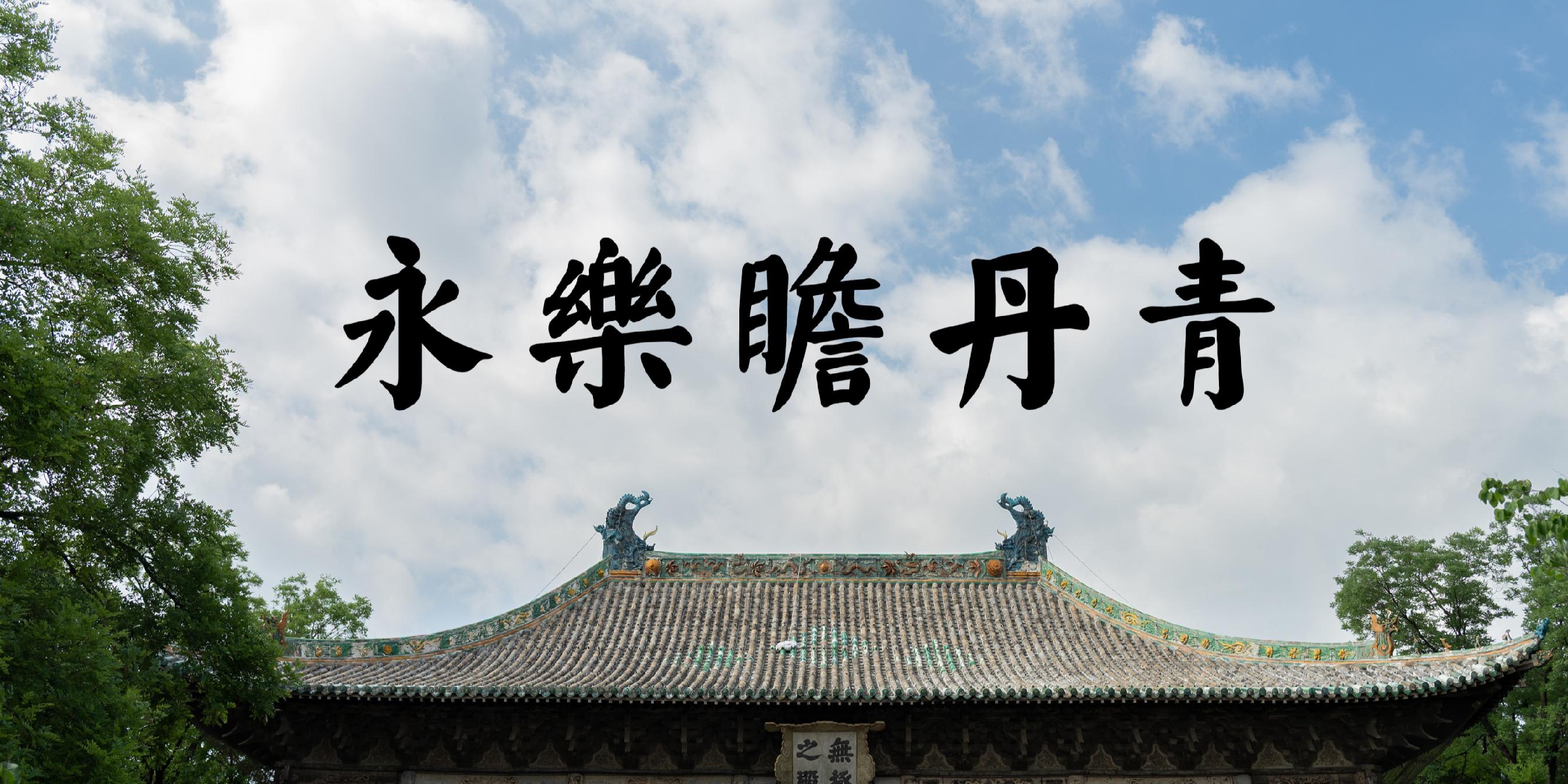
Author of Wenbo Time and Space, Little Stone Hi everyone! I am Xiao Shitou, a cultural and historical photographer. In the previous article, we came to Yuncheng and visited the "Ancestor of Guanmiao" Jiezhou Guandi Temple. Today, we continue south and arrive at Yongle Palace in Ruicheng.
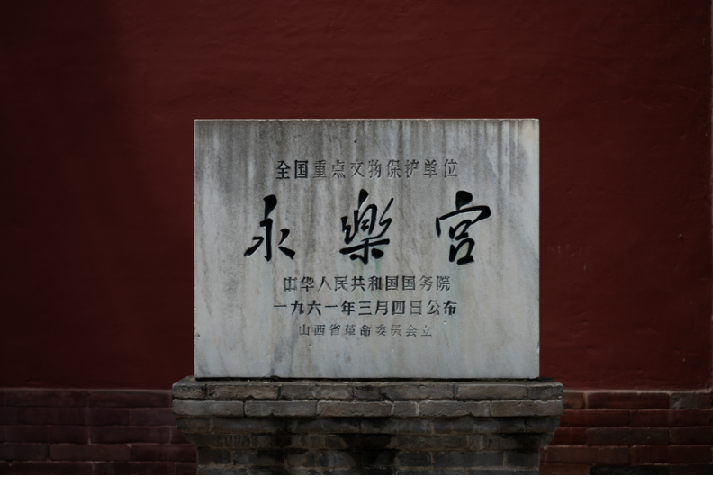
This is the national security monument erected next to the gate of Yongle Palace. The reason why Yongle Palace was included in the first batch of national key cultural relics protection units is inseparable from its extremely high architectural value and mural art value.
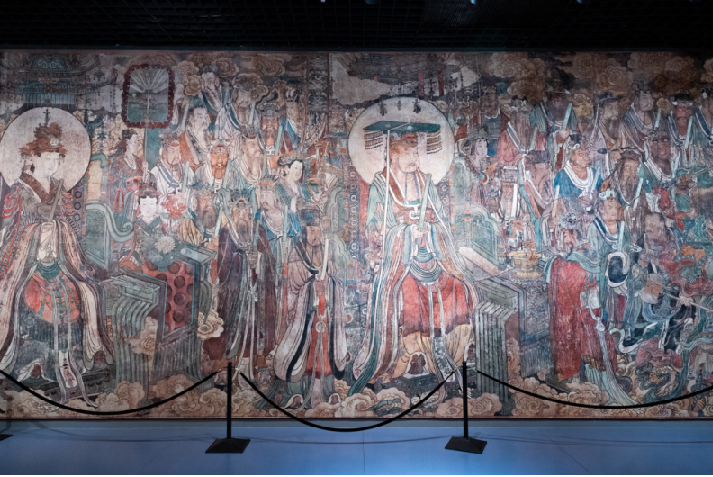
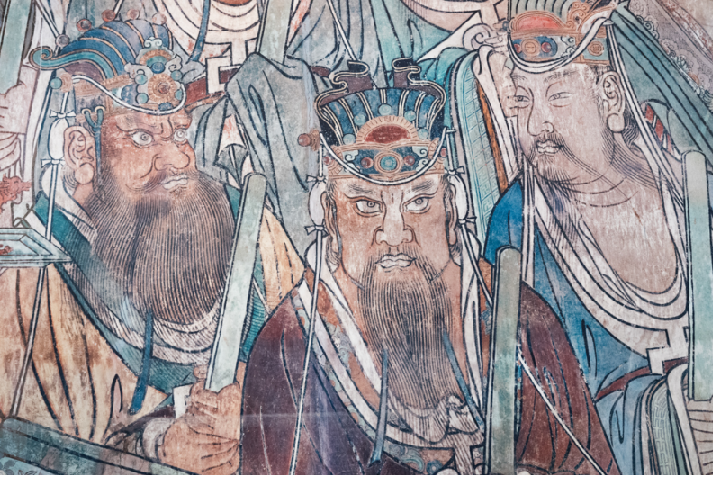
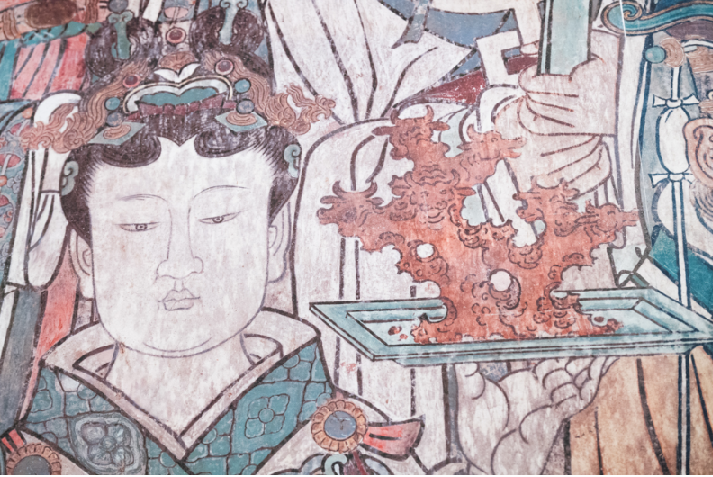
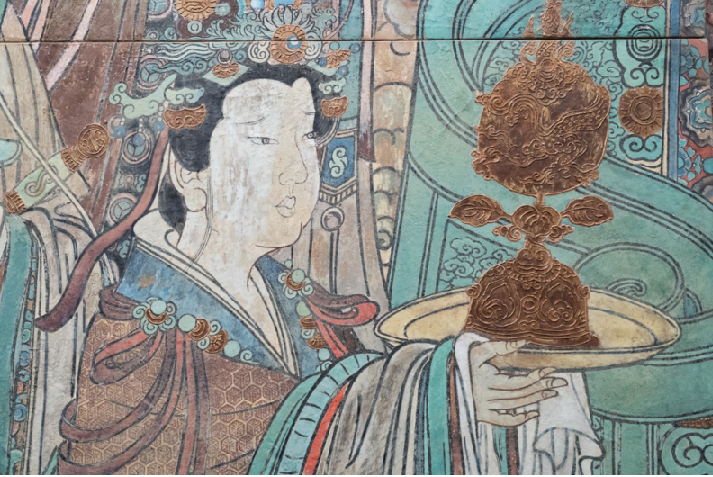
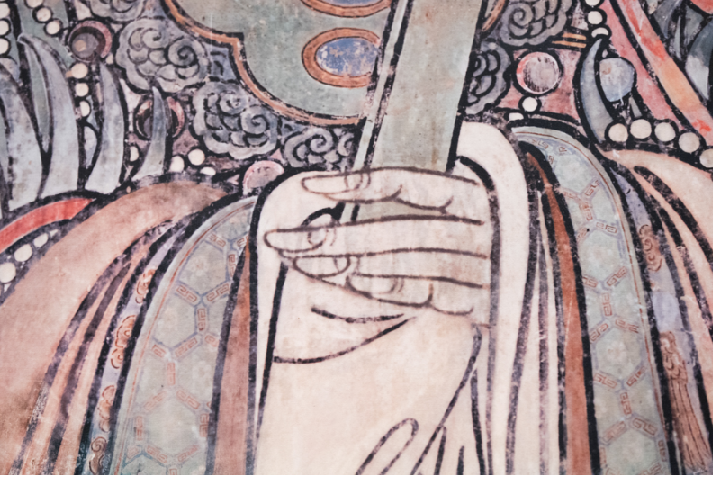
From an architectural perspective, there are four main halls arranged along the central axis of Yongle Palace: Longhu Hall, Sanqing Hall, Chunyang Hall, and Chongyang Hall. The architecture absorbed the "Construction Method" of the Song Dynasty and the "Column Reduction Method" of the Liao and Jin Dynasties, with a robust structure, serving as a physical example for studying official style architecture in the Yuan Dynasty; From the perspective of mural art, there are 1005.68 square meters of Yuan Dynasty murals preserved in the palace. The "Chao Yuan Tu" in the Sanqing Hall of the main hall reaches a height of 4.26 meters and a length of 94.68 meters, depicting a grand scene of 290 Taoist immortals worshiping the Yuanshi Tianzun. The lines are smooth and the colors are exquisite, earning it the title of "Oriental Art Gallery".
Behind the Yongle Palace, there is also a grand relocation story. The original site of Yongle Palace is located in Yongle Town, Ruicheng County. In the 1950s, due to the construction of the Sanmenxia Reservoir to control the Yellow River, Yongle Palace was located in a flooded area and faced a crisis. In order to protect the cultural relics of Yongle Palace, the State Council has approved special funds and decided to carry out a comprehensive relocation of the entire palace, including thousands of square meters of murals, to a new site 25 kilometers away.
It took a full eight years from 1958 to 1966 when the construction and mural restoration and reinforcement were fully completed. This unprecedented relocation not only preserved the artistic masterpieces of the Yuan Dynasty, but also set a precedent for the overall relocation and protection of large ancient buildings and murals in China.
Entering the palace gate, the first building you see is the Dragon and Tiger Palace.
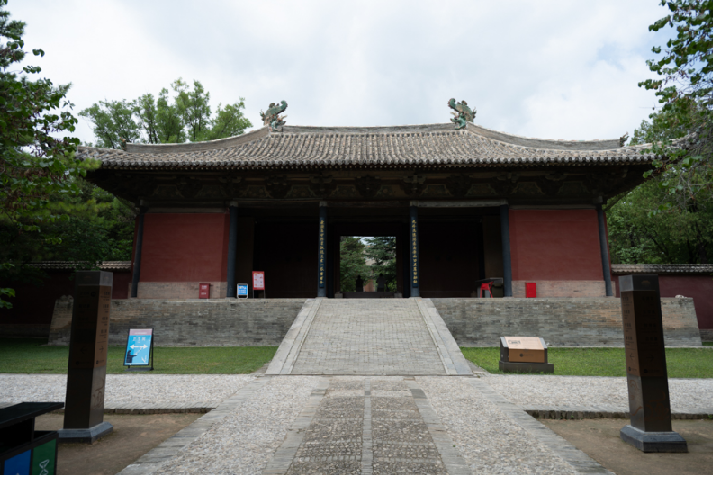
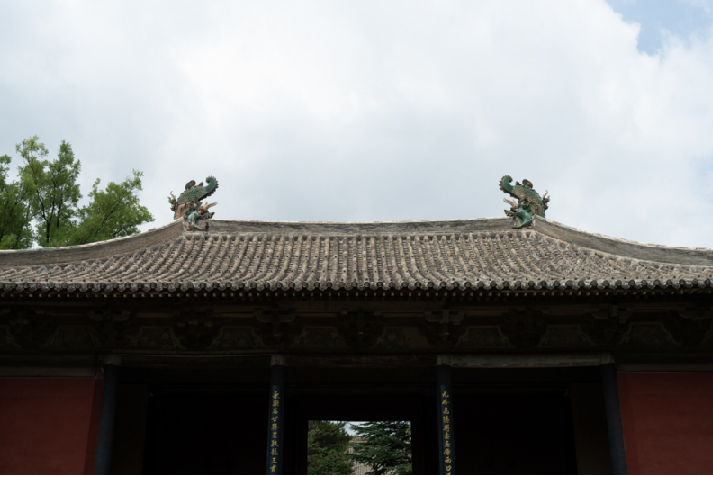
The Longhu Hall, also known as the Wuji Gate, is a palace gate from the Yuan Dynasty. It has a width of five rooms, a depth of two rooms, and six rafters. It has a single eaved pavilion roof and is a typical official style building from the Yuan Dynasty. Because there were originally mud sculptures of the two stars, Qinglong and Baihu, enshrined between the east and west sides of the front groove of the hall, it is called the Dragon and Tiger Hall.
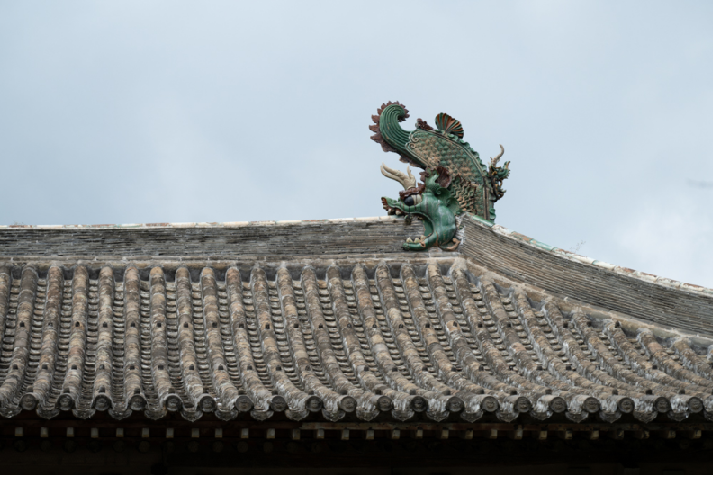
At both ends of the ridge, there is a 2-meter-high phoenix kiss, with angry eyes and curled tails. It is majestic and unrestrained in shape, and is a masterpiece of glass phoenix kisses.
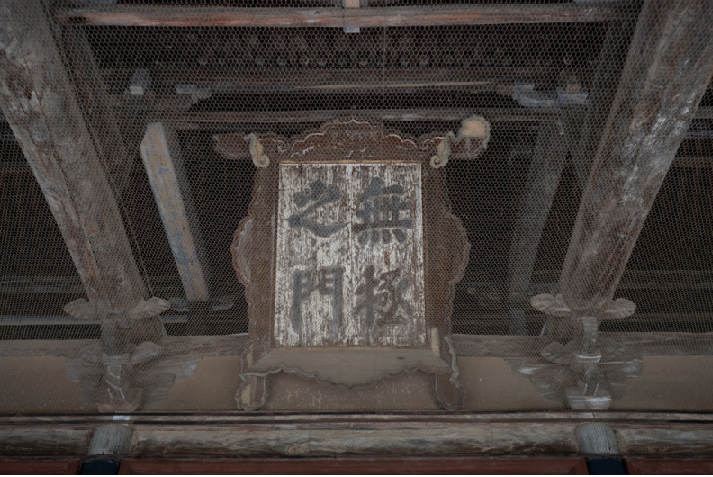
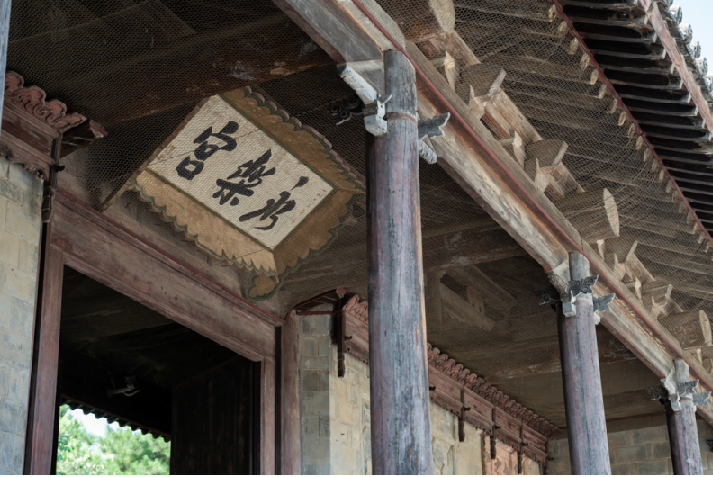
In the center of the gate, there hangs a plaque with the inscription "Wuji Gate", which was written by Shang Ting, the deputy envoy of the Yuan Dynasty's Yan Censor in Chief of Political Affairs.
Passing through the Gate of Infinity, you will soon see the main hall of Yongle Palace, Sanqing Hall, also known as the Hall of Infinity.
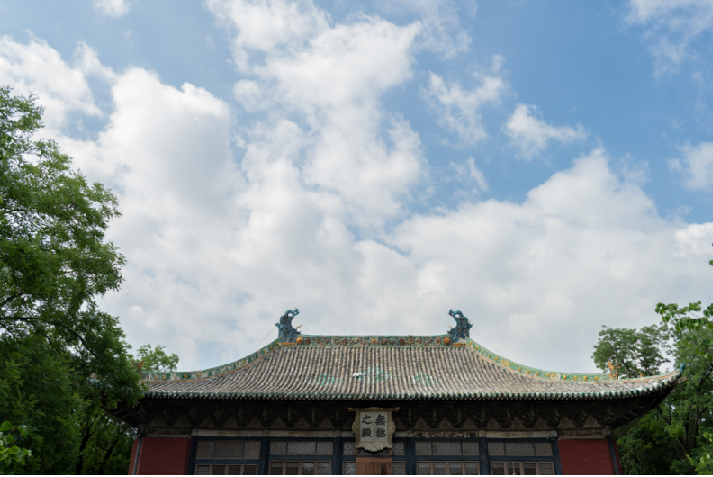
In 1245, Li Zhichang, the head of the Quanzhen Sect, submitted a request to the court for an appointment, and Pan Dechong presided over the reconstruction, which officially began around 1247. In the third year of Zhongtong (1262), the civil engineering of the three major halls (Sanqing, Chunyang, and Chongyang) was basically completed; The final completion of the Sanqing Hall with inscriptions and bricks is recorded as September 27th, 1263, in the fourth year of the Zhongtong reign. The mural painting "Chao Yuan Tu" in the Sanqing Hall was completed in 1325.
The Sanqing Hall has a width of seven rooms and a depth of four rooms, with a single eaved pavilion roof, standing on a tall platform. The eaves extend over three meters in depth, exuding a majestic and majestic aura. When taking this photo, I noticed that the sky was filled with flowing clouds, so I chose a composition with a lot of white space above. Under the dense clouds, the shape of the Sanqing Hall appears even more grand, with far-reaching eaves extending into the sky.
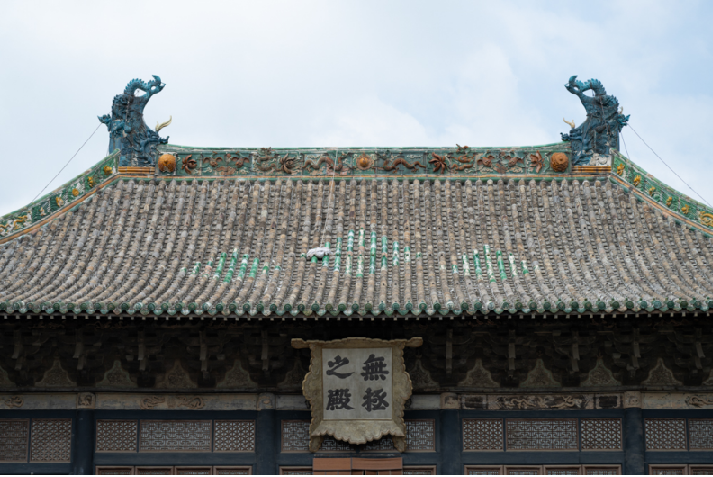
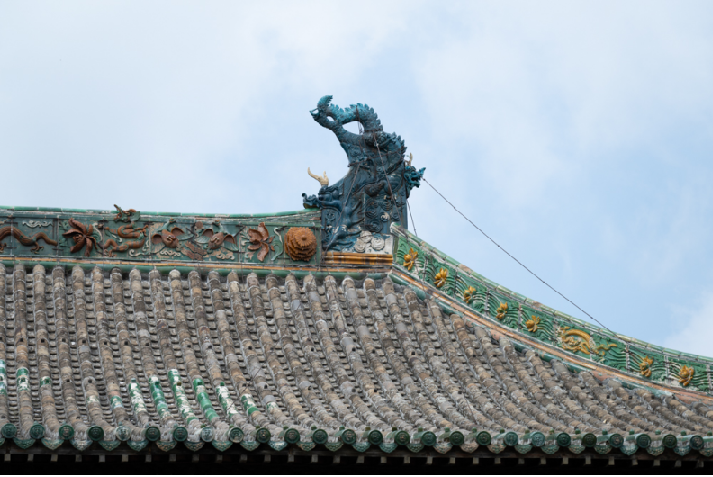
The glass goblets at both ends of the ridge are over 3 meters high, shaped like giant dragons swallowing their spines with their mouths open. They are colorful and are a masterpiece of glass art in the Yuan Dynasty.
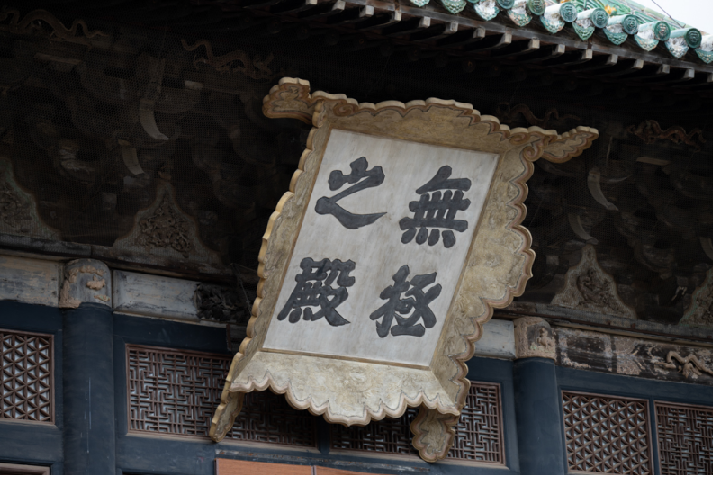
The plaque hanging from the Wuji Hall in Sanqing Hall also left a deep impression on me. Although I don't understand calligraphy, I can still feel the powerful and vigorous power hidden between the strokes. The term 'Wuji' comes from the Tao Te Ching, which states' returning to Wuji ', referring to the infinite, primitive chaos, and undifferentiated state of the supreme universe. In the doctrine system of Quanzhen Taoism, "Wuji" represents the supreme and biochemical essence of Taoism.
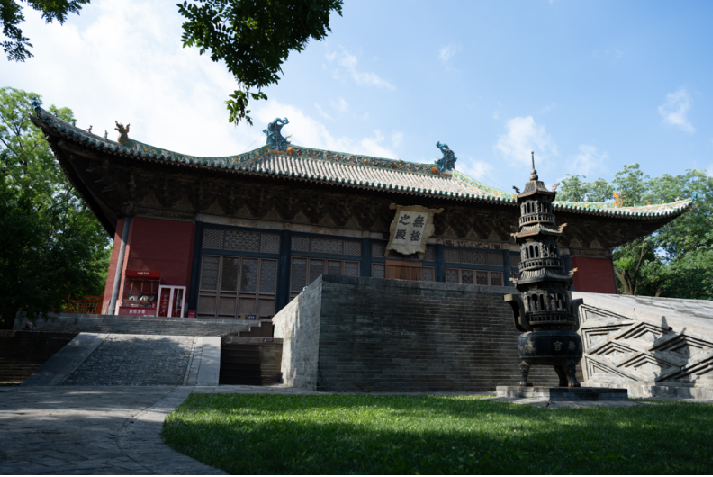
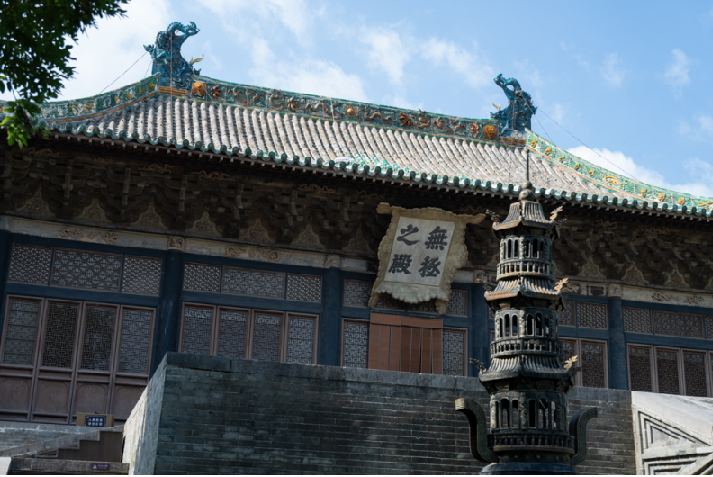
During the filming process, I always wanted to take an unmanned shot of Sanqing Hall, but it was summer and tourists came one after another. When shooting from the front, there will always be people interfering with the image. So I had to circle around the main hall, constantly searching for angles. In the end, I found that by lowering the camera angle and covering the crowd with a tall pedestal, I could get a "unmanned" scene. This is also an interesting part of shooting ancient architecture. You are not mechanically recording, but actively creating and innovating, trying to achieve better visual effects under limited shooting conditions.
At this point, the 'highlight' has not yet begun. The most important cultural relic of the Sanqing Hall is the huge mural of the "Chao Yuan Tu" painted on the four walls. The total area of the mural is over 400 square meters, depicting a grand scene of nearly 300 Taoist immortals worshiping the highest deity of Taoism, the Three Pure Ones. The mural inherits the tradition of Wu Daozi's "Wu Dai Dang Feng" in the Tang Dynasty, with smooth lines, elegant clothing patterns, and a strong sense of gravity. Many lines are several meters long and seamlessly integrated. The character costume adopts exquisite powder coating and gold pasting techniques, and remains magnificent after seven hundred years. In the painting, there are not only solemn and dignified emperors, gentle and dignified jade maidens, but also powerful and angry heavenly warriors and contemplative and wise immortals, with expressions that are not repeated. The grand scene layout and ultimate painting skills make 'Chao Yuan Tu' a magnificent masterpiece in the history of mural art.
When I stood in the dim light of the main hall and looked around at the gods on the walls, the shock was indescribable. The most regrettable thing is that photography is not allowed inside the hall, making it impossible to leave any records. But fortunately, I captured a replica of 'Chao Yuan Tu' in the museum. You can experience its charm through replicas and have the opportunity to watch it live again.
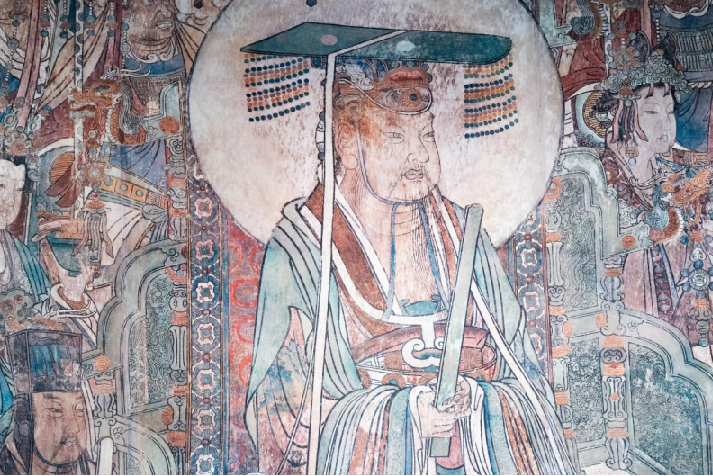
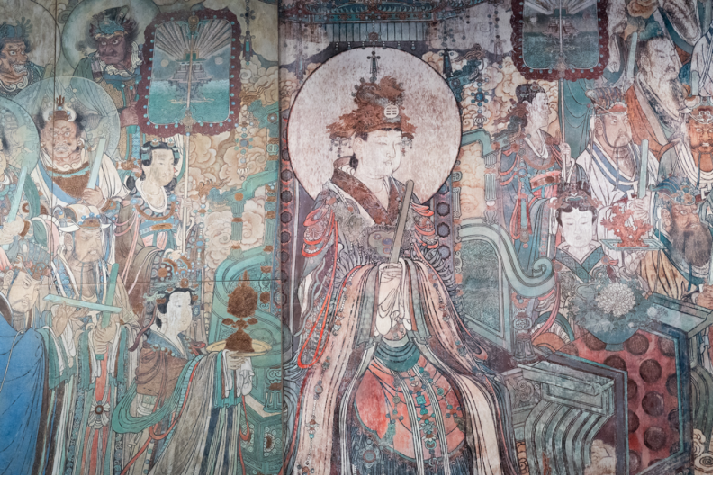
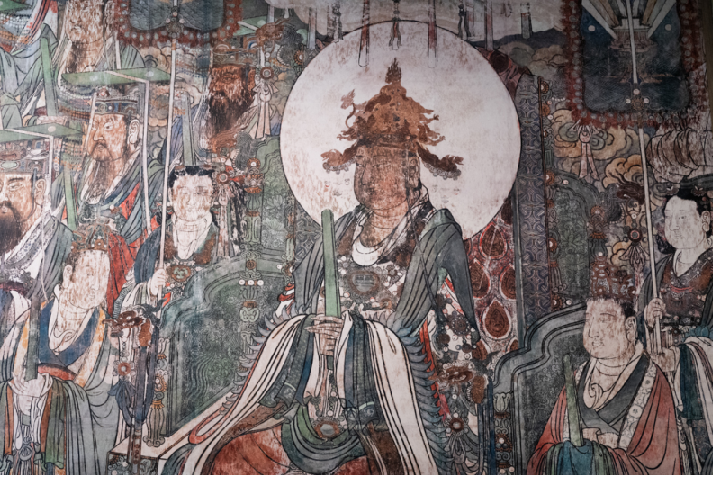
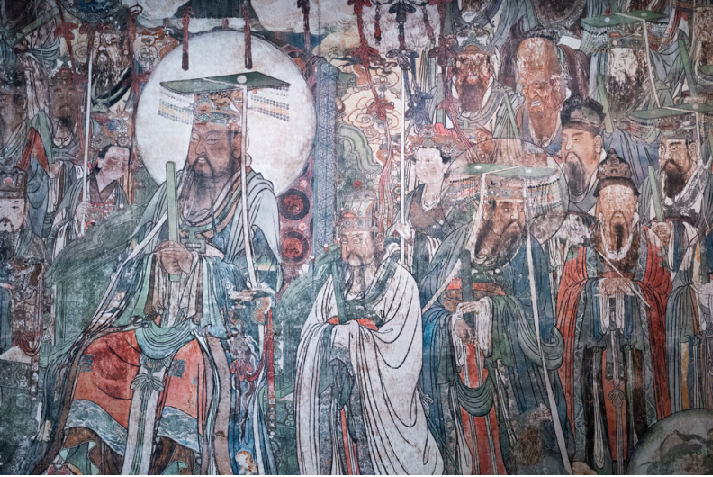
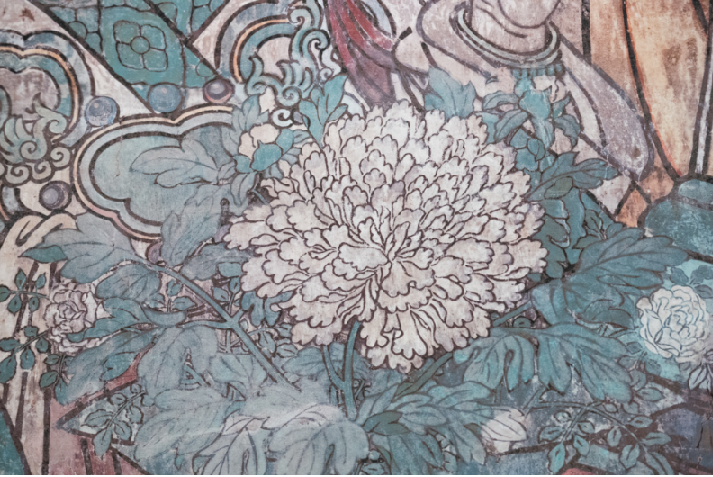
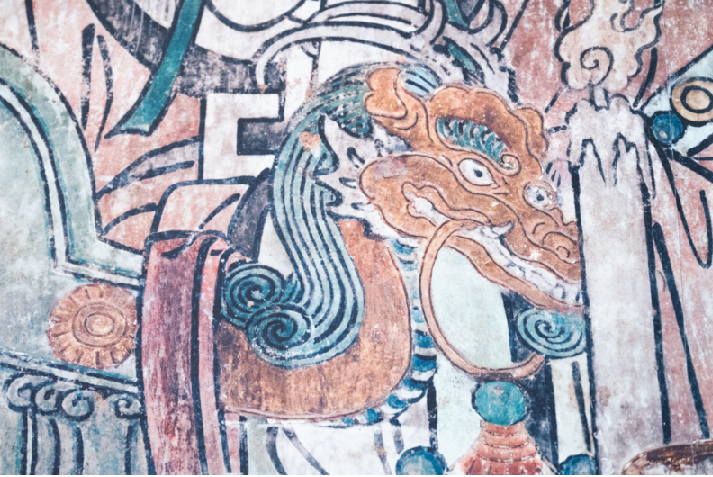
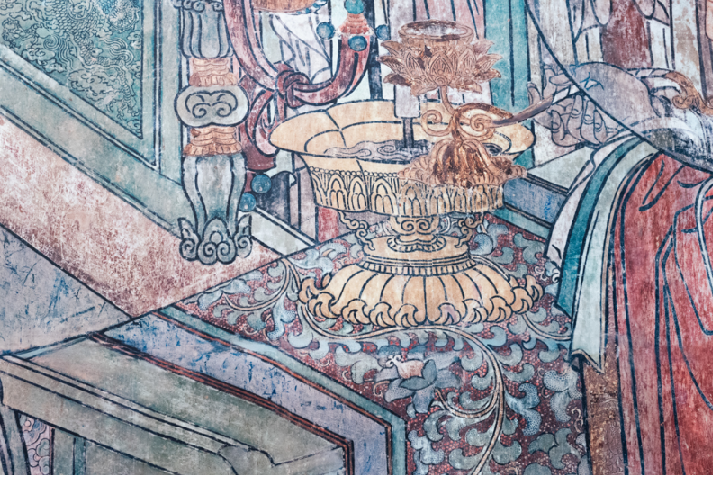
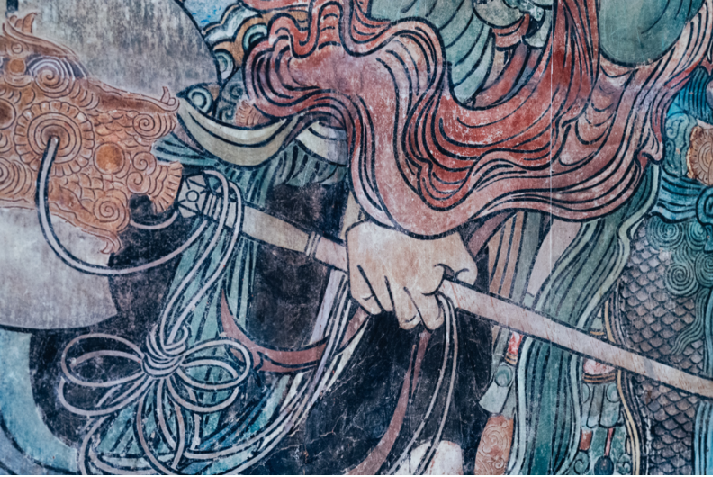
After visiting the Sanqing Hall, we arrived at the Chunyang Hall.
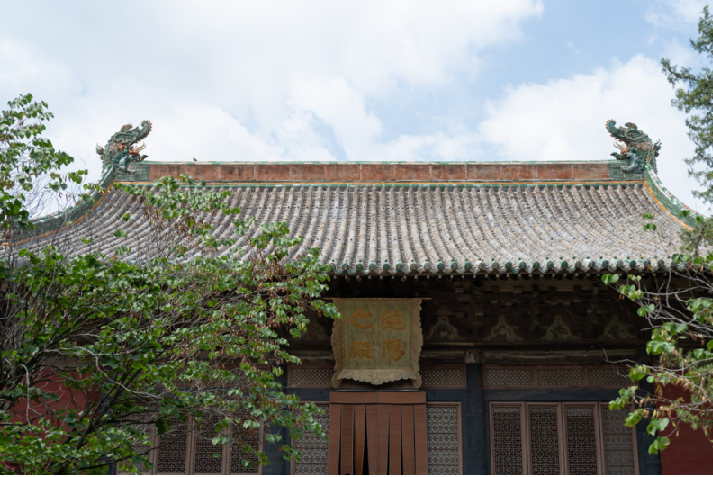
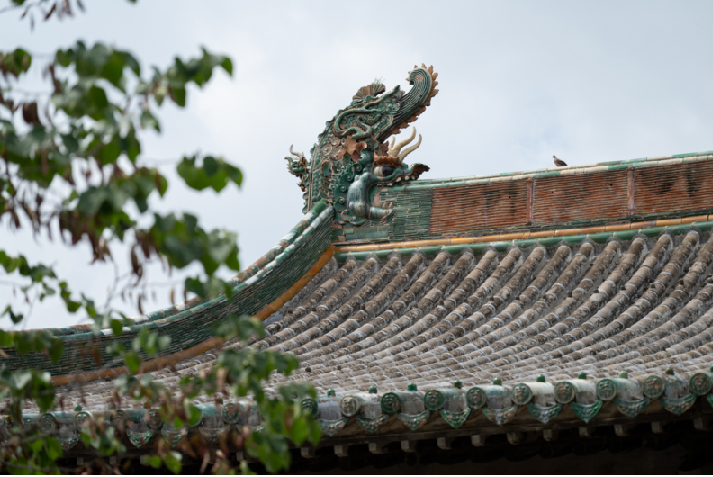
The steep plaque hanging under the eaves of the Pure Yang Hall bears the four characters' Pure Yang Hall '. The Chunyang Hall is dedicated to one of the Eight Immortals, the founder of Quanzhen Taoism, Lv Dongbin. The two characters "Chunyang" are derived from the Taoist name of Lv Dongbin, symbolizing the cultivation realm of pure yang without yin and full of righteous qi.
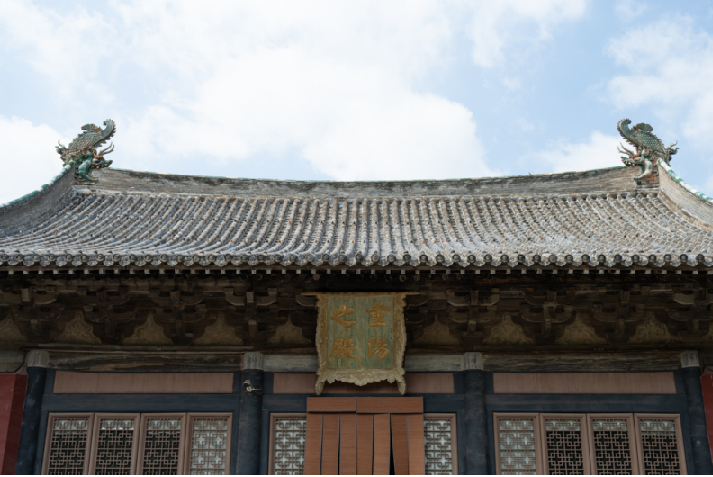
Further ahead, we arrived at the last building on the central axis, the Chongyang Hall. The Chongyang Hall is a temple dedicated to the founder of Quanzhen Sect, Wang Chongyang, and his seven disciples.
So far, we have walked through the Dragon and Tiger Hall, Sanqing Hall, Chunyang Hall, and Chongyang Hall one by one, feeling the shock of Yuan Dynasty architecture and mural art. Many days later, looking back on this trip, I felt like I was standing in the Sanqing Hall again, facing the wall full of immortals, silent and speechless.
Picture | Little Stone
Layout | Wang Wulong
Design | Yin Lisha