-
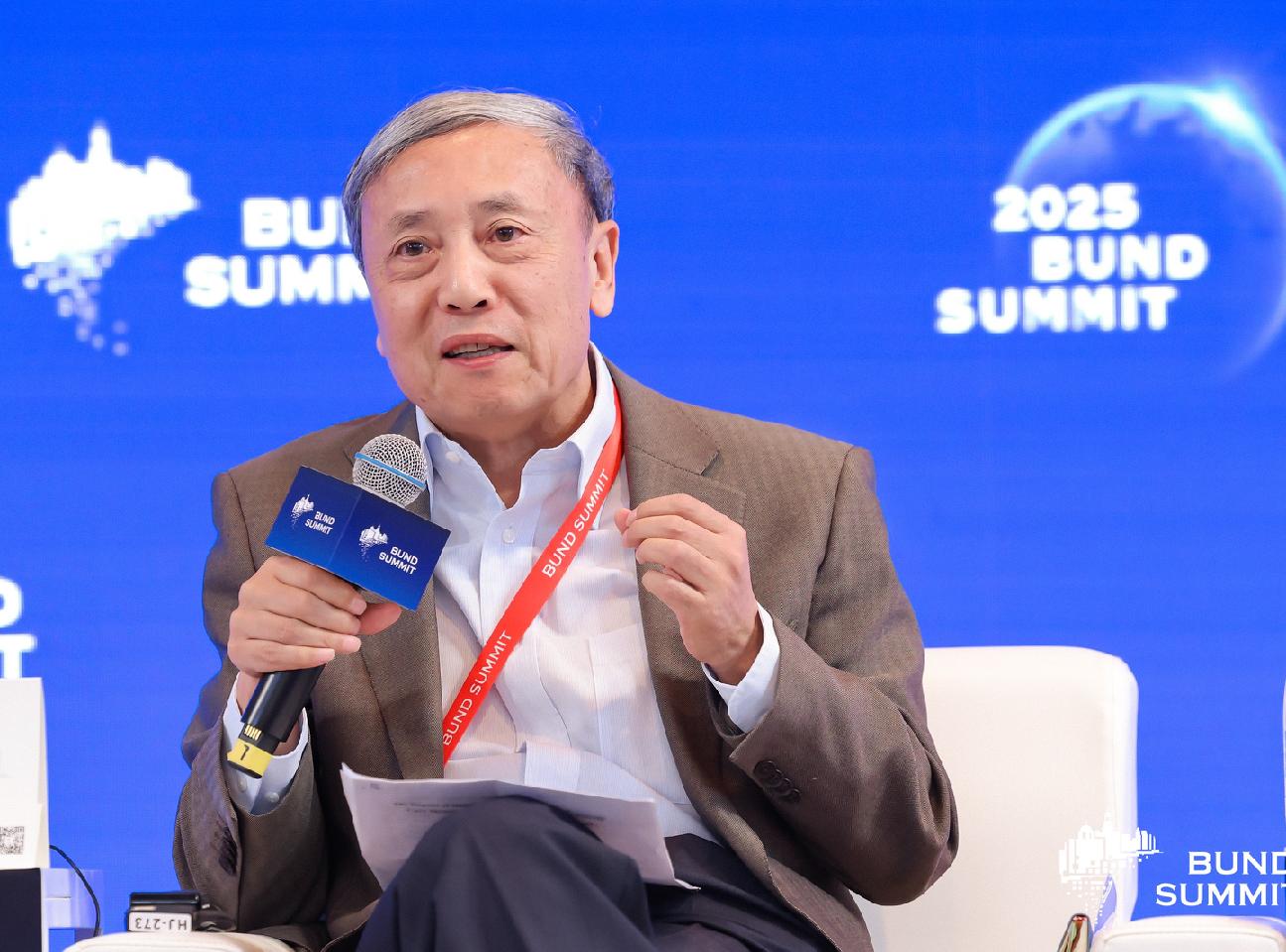
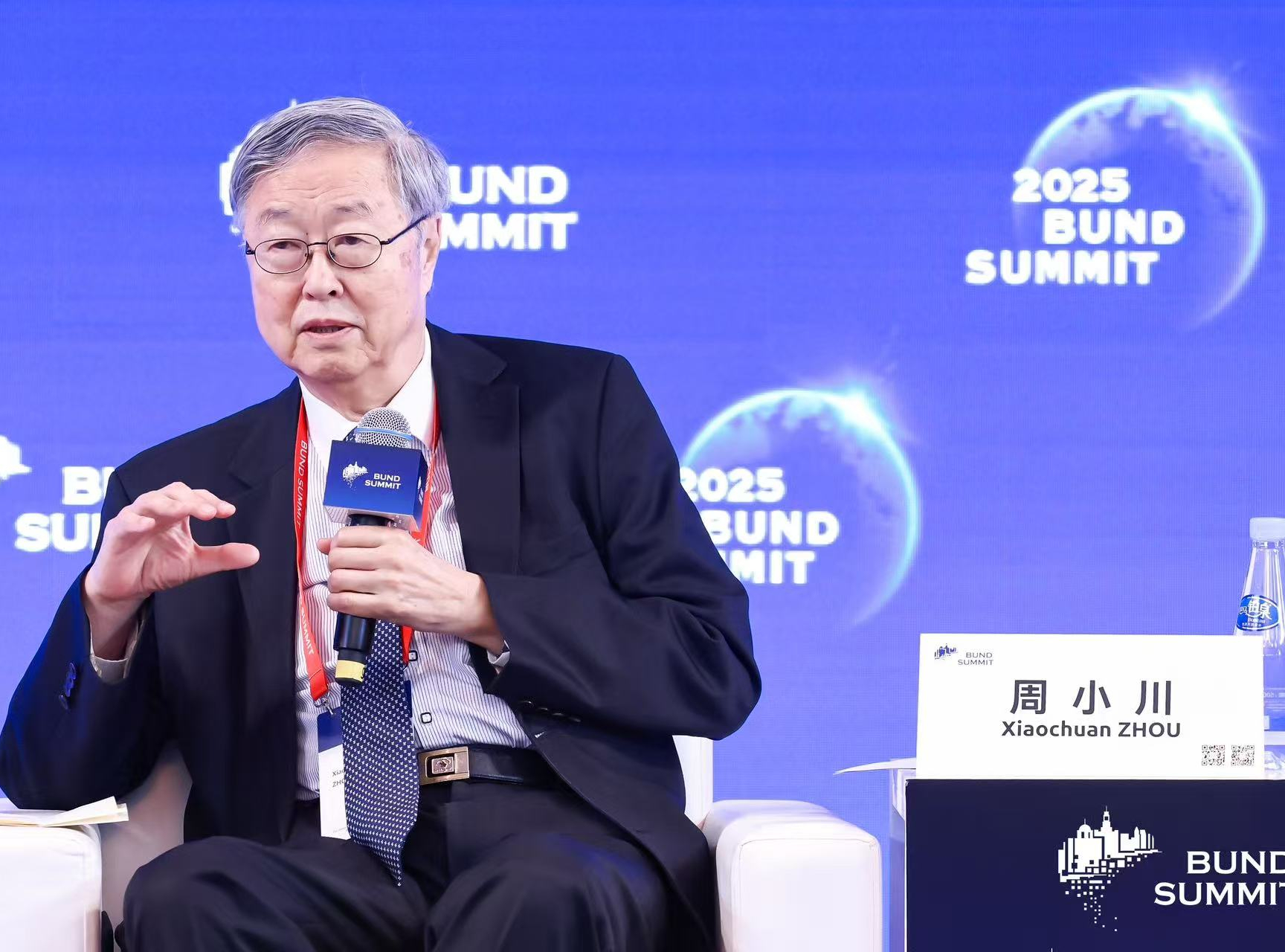
Economic Observation Network Is AI a revolution to improve productivity or just a foam? On October 24, Huang Yiping, President of the National Development Research Institute of Peking University, said at the 2025 Bund Annual Conference that when we talk about the word "foam", we should distinguish between financial foam and industrial foam. It is normal for people to want to participate in a new industrial revolution when something new emerges. The key problem is that if people invest in good technology, we will eventually see a new technological revolution. If it is only an asset foam, then the loss may be greater than the gain.
Huang Yiping said that if we believe that artificial intelligence can improve productivity and efficiency, then it will also enhance supply. The question is, can the artificial intelligence revolution also fully stimulate demand in the short term? If we see unemployment, if income is concentrated in a certain group or group of people, then we may see demand falling behind supply, which could lead to deflation in the short term. If the government takes the right measures to redistribute income and support the people, especially those who may lose their way in the new technological revolution, this deflationary pressure is expected to be minimized. At the same time, a good artificial intelligence revolution can actually stimulate consumer demand, as it will create many new ways and opportunities for consumption.
Huang Yiping said, "Generally speaking, with the evolution of industrial structure and economic development, there will always be some professions disappearing, but new professions and positions will also emerge. This is a common trend. The problem is not that certain jobs will disappear, but that there may be skill mismatches." In response to the structural inequality that the artificial intelligence revolution may cause in the labor market, he said that this requires a large number of public policy measures to address, and the key is that these benefits can be fairly distributed among all levels of society, especially considering those who have failed in the transformation. (Reporter Liu Peng)
-
Economic Observation NetworkOn October 24th, when discussing the breakthrough moment of China's artificial intelligence (AI) at the 2025 Bund Annual Roundtable Forum, Lu Cewu, Vice Dean of the School of Artificial Intelligence at Shanghai Jiao Tong University and CEO of Qiongche Intelligence, stated that what many people see may be a turning point that occurs at a certain moment. What he sees more is a process of accumulation and gradual development, backed by the accumulation of so many years in various industries, including the significant improvement of China's basic scientific research and talent cultivation. At the same time, from the government to capital, from basic large-scale models, computing power, algorithms, to industries and aspects such as machinery, robot manufacturing, logistics, supply chain, and application scenarios, it has laid the foundation for the development of artificial intelligence in China. He said that 'breakthroughs' may be difficult to plan, but they can be accumulated. (Reporter Liu Peng)
-
Economic Observation Network On October 23rd, Chen Yiting, CEO of the Hong Kong Stock Exchange Group, stated at the 2025 Bund Annual Meeting that the average daily trading volume of Hong Kong stocks has reached over 250 billion Hong Kong dollars since the beginning of this year. The number of companies listing in Hong Kong has significantly increased. From January to September this year, the Hong Kong Stock Exchange welcomed more than 60 companies to go public, with a total financing of HKD 182.9 billion, ranking first in the world. There are many companies waiting to go public now, and about 300 companies are processing their listing applications, half of which are in the new economy industry, including electric vehicles, new energy, artificial intelligence, new materials, biotechnology and other industries. Regarding how to maintain the popularity of IPOs in Hong Kong, Chen Yiting stated that the biggest challenge for the Hong Kong Stock Exchange is how to establish a more diversified multi asset class ecosystem. Traditionally, Hong Kong stocks have been relatively strong, but relatively weak in fixed income. We need to explore fixed income and other asset classes more. (Reporter Liu Peng)
-
Economic Observation Network On October 23, at the 2025 Bund Annual Meeting, Liu Bin, Deputy Director of the State Administration of Foreign Exchange, responded to the question of how to improve the level of cross-border financial services in Shanghai in the next step. He stated that based on the facilitation measures in recent years, the overall consideration of the State Administration of Foreign Exchange for the next step can be summarized as: to improve the foreign exchange management system and mechanism that is "more convenient, more open, safer, and smarter", and to further support the construction of Shanghai International Financial Center in combination with Shanghai's actual development.
Specifically, it includes three aspects: firstly, steadily expanding high-level institutional opening-up in the foreign exchange field. In the process of promotion, we will coordinate the internationalization of the RMB with high-quality opening of capital accounts, strengthen the integration of domestic and foreign currency management, focus on expanding the opening of financial markets, and facilitate foreign financial institutions to invest and develop in China. At the same time, we will deepen the development of the foreign exchange market, study the development issues of long-term, multi variety, and small currency foreign exchange markets, further support foreign exchange trading centers to strengthen their financial infrastructure functions and service capabilities, including how to support clearing infrastructure, and promote financial institutions to optimize exchange rate risk management services.
The second is to promote the facilitation of cross-border trade and investment and financing. Based on market demand and China's actual situation, we will continue to promote reform and innovation in foreign exchange management, and provide higher convenience to honest and compliant entities. Encourage the implementation of pioneering and integrated exploration policies in Shanghai, including the application of technologies such as artificial intelligence and big data, to provide smarter, more efficient, secure, and convenient foreign exchange services.
The third is to coordinate the relationship between financial openness and security. Both openness and convenience must be based on security, especially by strengthening the integrated management of "macro prudential+micro supervision" in the foreign exchange market, effectively preventing risk transmission and overlapping resonance across regions, markets, borders, onshore and offshore. (Reporter Liu Peng)